Free cookie consent management tool by TermsFeed Cookies

Home / Product / Automotive Industry /

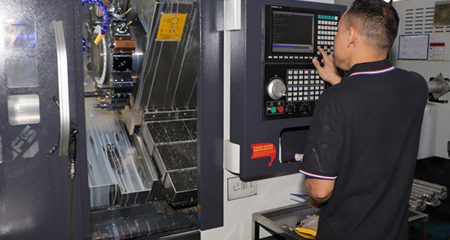
16 years of experience in CNC machining auto parts, different processing and manufacturing techniques, reducing processing costs. There are 2000+ automotive CNC machining parts samples, you can view the factory online, contact us immediately to get discounts and samples.


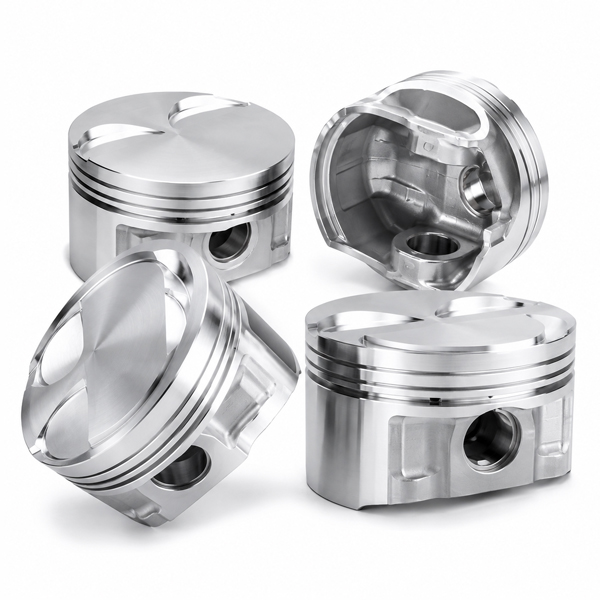
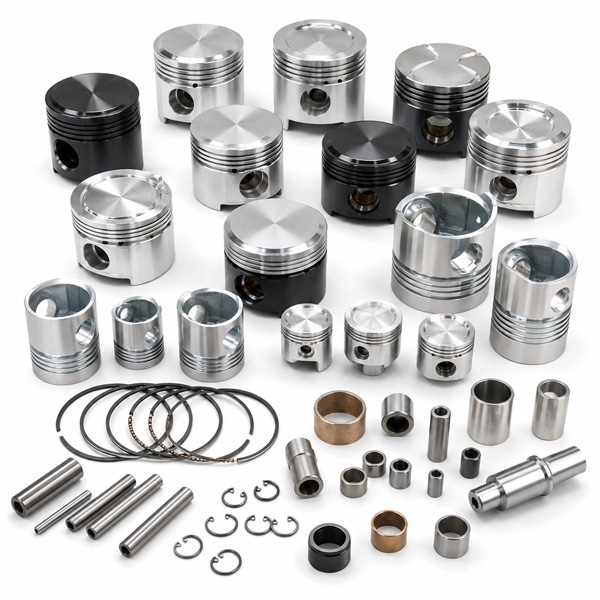
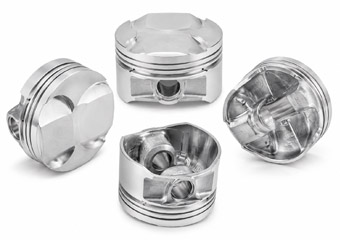
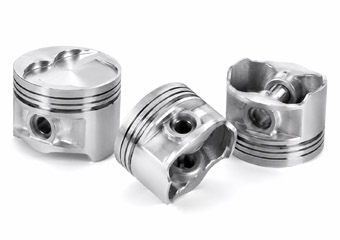
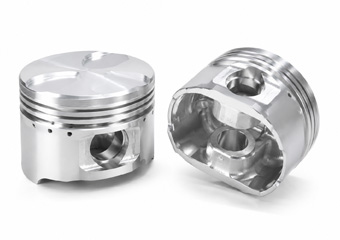
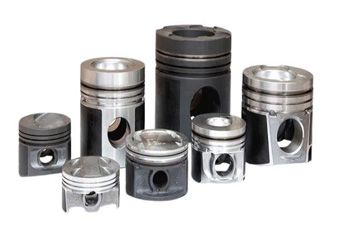
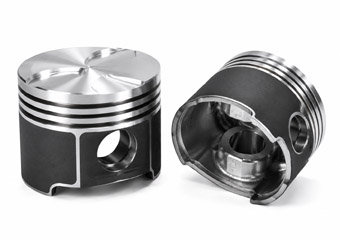
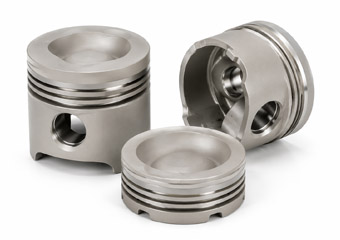
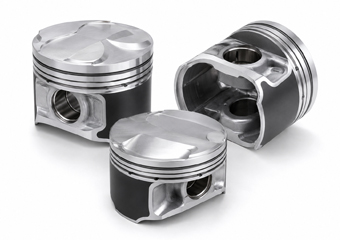
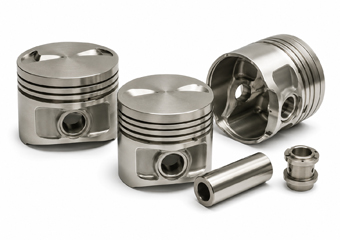
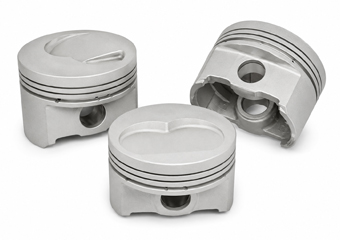
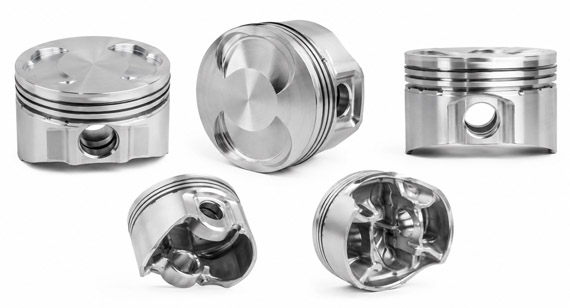
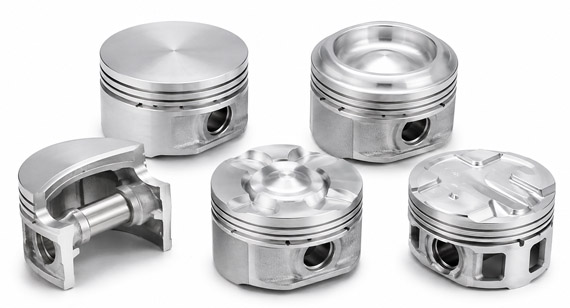
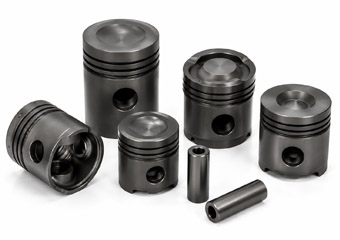
Custom CNC Machined Aluminum Automotive Car Engine Pistons

Custom CNC Machined Aluminum Automotive Car Engine Pistons

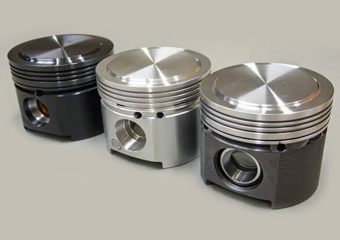
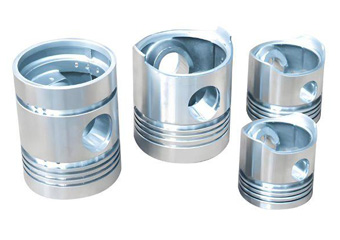
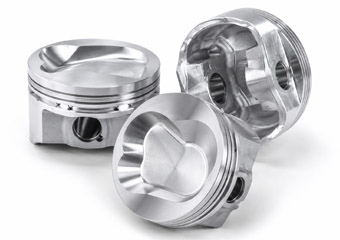
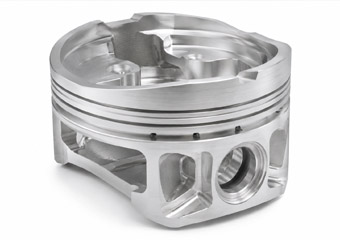
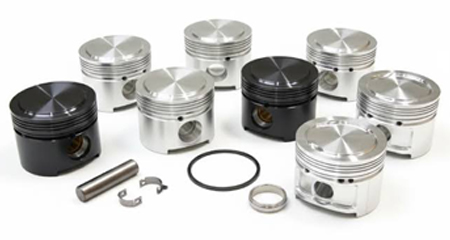
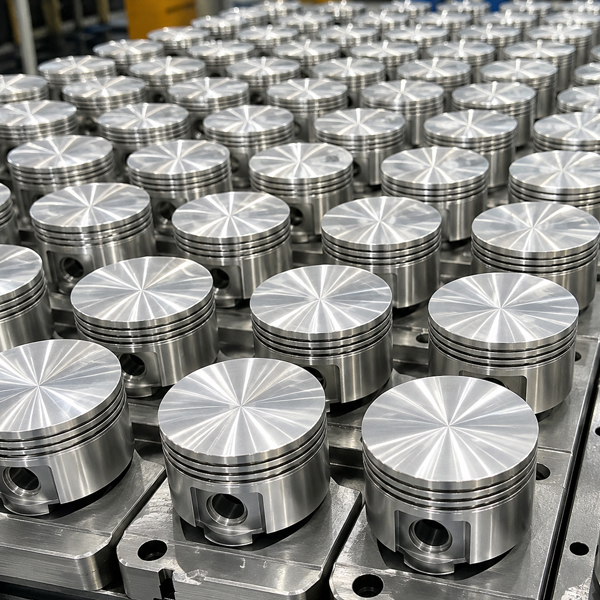
VMT provides custom CNC machining for aluminum automotive pistons, including DFM review, multi-axis machining, inspection, and prototype-to-production support, helping control crown geometry, ring grooves, pin bores, skirt profiles, and production consistency for engine development, racing, and specialized automotive projects.

Product Specification:

  • Services : Custom CNC Machined Aluminum Pistons for Automotive Car Engine Industry
  • Supply Ability : 100000 Pieces per Month
  • Material : Aluminum (AL 6061-T6, 6063, 7075-T 2014 2017 2011 etc), Customer's Demand.
  • Surface roughness : Ra 0.1~3.2
  • Surface treatment : Customer's Demand, Anti-Friction Skirt Coating, Thermal Barrier Crown Coating, Hard Anodizing, Phosphate Conversion Coating, Electroless Nickel Plating, Bead Blasting etc.
  • Tolerance : ±0.005 mm.(Custom Available)
  • Drawing format : CAD file (dwg, dxf, pdf, etc.), 3D File (step, stp, etc), drawing design.
  • Standard or not : Non standard,customized as drawing or sample
Inquiry Now
Product description
Custom CNC Automotive Piston Machining Solutions

Custom CNC Machined Aluminum Pistons for Automotive Engine Industry

VMT provides drawing-based CNC machining solutions for custom aluminum automotive pistons, helping you control crown geometry, ring grooves, pin bores, skirt profiles and prototype-to-production consistency for engine development, racing and specialized automotive projects.

  • 1-on-1 engineering DFM support, 4-Hour DFM Analysis
  • More than 100 material and surface finishing options
  • Multi-process machining with tolerances up to ±0.005 mm, reduce costs by 30%
  • Prototype validation, pilot runs and repeat production one-stop service


Send your drawing, specified alloy or blank, quantity, coating and critical inspection characteristics for engineering review. All uploads files are safe and confidential.

Custom CNC Machined Aluminum Pistons for Automotive Engine Industry
DFM Before Material Is CutWe review your crown, ring pack, pin bore, skirt, blank route and inspection plan before quotation.
100+CNC MachinesTurning and 3/4/5-axis resources support suitable piston prototypes, engineering revisions and repeat batches.
±0.005 mmPrecision CapabilityAvailable for suitable critical features after drawing, datum, process and measurement-method review.
100%Critical Inspection AvailableDrawing-defined crown, groove, bore, skirt and assembly characteristics can be inspected individually.
1 Piece+Prototype to ProductionSupport for one-off validation, pilot quantities, controlled revisions and approved repeat production.
Engineering Risks First

How VMT Prevents Common Automotive Piston Machining Problems

Your piston must keep the crown, ring pack, pin bore, skirt, material and coating requirements working as one system, so VMT reviews these relationships before quotation and builds the machining and inspection plan around the features that can stop assembly or invalidate engine testing.

Ring-Groove Variation

For your ring grooves, VMT reviews width, depth, spacing, edge condition and burr direction during DFM, separates roughing from finishing, applies tool-life checks and uses groove gauges or CMM methods, with 100% inspection available for drawing-marked critical grooves so rings assemble freely and nonconforming parts are contained before shipment.

Pin-Bore Misalignment

To protect your wrist-pin and connecting-rod assembly, VMT establishes a common datum strategy, uses stable workholding, reserves stock for bore finishing and verifies bore size, position and relationship with suitable bore gauges or CMM inspection, reducing the risk of tight assembly, uneven loading or rejected engine-test samples.

Thin-Skirt Deformation

Because thin skirts can move after heavy internal material removal, VMT controls stock allowance, fixture contact, clamping force and roughing-to-finishing sequence, then checks the released part in its free state so your specified skirt profile, taper or ovality is not accepted only while the piston remains clamped.

Crown and Valve-Relief Accuracy

For domes, dishes, bowls and valve pockets, VMT links turning and multi-axis milling through controlled datums, verifies the approved 3D profile with drawing-appropriate measurement and records critical results, helping your combustion geometry and valve-clearance features match the model used for engine validation.

Material and Clearance Mismatch

VMT checks your specified alloy, temper, blank identity, material certificate and machining allowance before release, then applies the process designed for that material rather than substituting a convenient grade, helping you protect the thermal-clearance assumptions already validated by your engine engineering team.

Coating Changes Final Dimensions

Before your skirt, crown or selected wear areas enter secondary processing, VMT confirms coating thickness, machining allowance, masking boundaries and post-finish acceptance dimensions, then reinspects affected features so a coating intended to improve wear or heat performance does not create an unexpected assembly problem.

Custom Piston Geometries

Custom CNC Machined Automotive Piston Types

VMT does not sell standard replacement pistons; each design is reviewed from your 2D drawing, 3D model, specified alloy, blank form, crown geometry, critical dimensions, surface treatment and prototype or production quantity.

Custom CNC Machined Flat-Top Aluminum Automotive Pistons

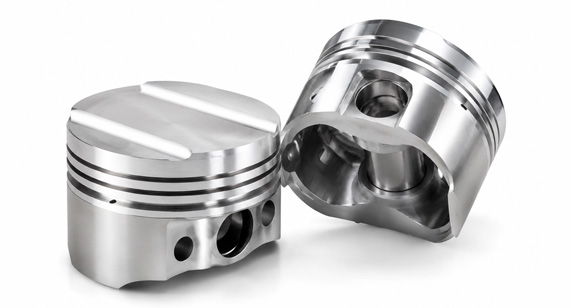
Custom CNC Flat-Top Pistons

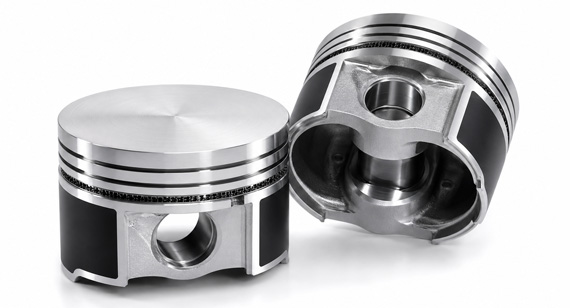
Flat-top pistons match drawing-specific combustion chambers; CNC turning and milling control crown flatness, valve pockets, ring grooves and pin bores, while dimensional inspection confirms the datum relationships needed for your engine assembly.

Get an Instant Quote
Custom CNC Machined Dished-Top Aluminum Automotive Pistons

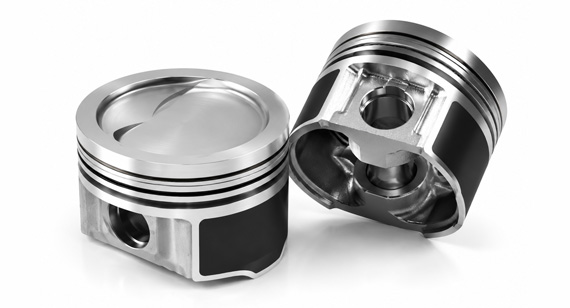
Custom CNC Dished Top Pistons

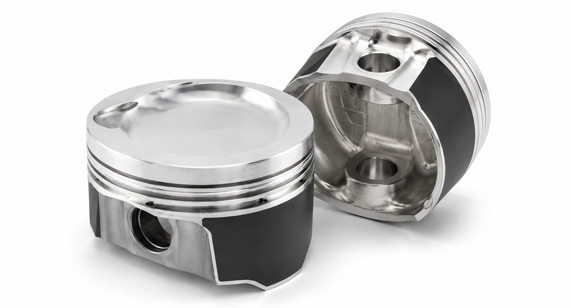
Dished pistons use recessed crown geometry; multi-axis machining controls dish depth, rim width, transition radii and valve reliefs, while profile inspection verifies the approved combustion-surface model before your prototype enters engine testing.

Get an Instant Quote
Custom CNC Machined Domed Head Aluminum Automotive Pistons

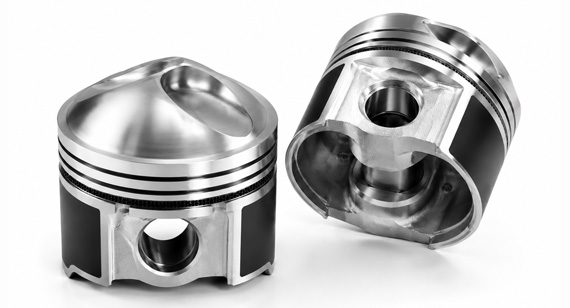
Custom CNC Domed Pistons

Domed pistons support raised compression geometry; coordinated turning and multi-axis milling control dome height, transitions and valve pockets, while datum and profile inspection help your engineering team verify clearance-critical surfaces.

Get an Instant Quote
Custom CNC Machined Stepped-Crown Aluminum Automotive Pistons

Custom CNC Stepped-Crown Pistons

Stepped-crown pistons combine raised, recessed and transition zones; staged CNC machining controls step height, perimeter geometry and valve reliefs, while inspection verifies the crown-to-compression-height relationship defined by your drawing.

Get an Instant Quote
Custom CNC Machined Step-Dish Aluminum Automotive Pistons

Custom CNC Step-Dish Pistons

Step-dish pistons combine a recessed chamber with controlled perimeter steps; multi-axis milling manages dish depth, step width and edge transitions, while profile inspection helps you confirm the approved chamber geometry.

Get an Instant Quote
Custom CNC Machined Circular Dish Aluminum Automotive Pistons

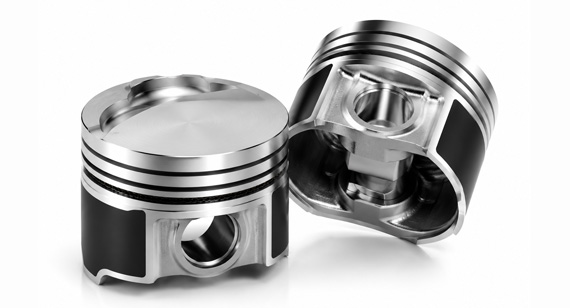
Custom CNC Circular Dish Pistons

Circular-dish pistons use a centered recessed crown; CNC turning and milling control diameter, depth, concentricity and lip condition, while profile measurement verifies the circular chamber relative to your piston datums.

Get an Instant Quote
Custom CNC Machined Aluminum Racing and High-Performance Pistons

Racing and High-Performance Pistons

Performance pistons can combine custom crowns, valve pockets, pin locations and weight features; CNC turning and multi-axis milling preserve the selected datums, while feature-level inspection supports controlled engine testing and revision comparison.

Get an Instant Quote
Custom CNC Machined Aluminum Prototype and Legacy Engine Pistons

Prototype and Legacy Engine Pistons

Prototype and replacement-development pistons recreate revised or unavailable geometries; flexible CNC programming supports controlled design changes, while inspection records help your team compare versions before pilot or repeat production.

Get an Instant Quote
Aluminum Alloy Selection

Aluminum Grades for CNC Machined Automotive Pistons and Development Parts

2618 and 4032 are common engine-piston choices, while 6061, 6082, 7075, 2024, 2014 and 7050 may suit customer-specified prototypes, test parts or related piston components; VMT never treats these alloys as interchangeable and confirms suitability against your approved design.

2618 Aluminum Motorsport and High-Load Engine Pistons

2618 Aluminum CNC Pistons

2618 aluminum forgings suit motorsport and high-load engine pistons; elevated-temperature strength supports complex crowns, while approved skirt or thermal-barrier coatings reduce wear and protect validated engine performance.

Discuss 2618 Pistons
Custom CNC Machined 4032 Aluminum-Silicon Street-Performance and Lower-Expansion Pistons

4032 Aluminum-Silicon CNC Pistons

4032 aluminum-silicon suits street-performance and lower-expansion pistons; stable clearance and wear behavior support tighter cold fits, while approved skirt coatings improve break-in reliability and running consistency.

Discuss 4032 Pistons
Custom 6061-T6 Aluminum CNC Machined Pistons

6061-T6 Aluminum Development CNC Pistons

6061-T6 suits prototype pistons, test fixtures and non-combustion development parts; excellent machinability enables rapid revisions, while anodizing or protective coatings improve durability and shorten validation cycles.

Review a 6061 Project
Custom 6082-T6 Aluminum CNC Machined Pistons

6082-T6 Aluminum CNC Prototype Pistons

6082-T6 suits automotive test rigs, hydraulic pistons and structural development components; good strength and machining stability support repeat production, while hard anodizing improves wear and corrosion resistance.

Discuss 6082 Pistons
Custom 7075-T6 T651 Aluminum CNC Machined Pistons

7075-T6/T651 Aluminum Development CNC Pistons

7075-T6/T651 suits high-strength motorsport prototypes, fixtures and related piston components; high specific strength supports lightweight designs, while approved protective coatings improve corrosion resistance and service durability.

Review a 7075 Design
Custom 2024 Aluminum CNC Machined Pistons

2024 Aluminum Prototypes CNC Pistons

2024 aluminum suits fatigue-focused automotive and aerospace development parts; strong fatigue performance supports repeated testing, while conversion coating or anodizing protects surfaces and improves prototype evaluation reliability.

Discuss 2024 Pistons
Custom CNC Machined 2014-T6 Aluminum Forged Automotive and Aerospace Pistons

2014-T6 Aluminum Forged Development CNC Pistons

2014-T6 aluminum suits forged automotive and aerospace development components; high strength and machinability support complex features, while anodizing or protective coatings improve wear resistance and extend test-part service life.

Review 2014-T6 Pistons
Custom CNC Machined 7050-T7451 Aluminum High-Strength Automotive and Aerospace Development Piston

7050-T7451 Aluminum Prototype Components

7050-T7451 suits high-strength automotive and aerospace development components; dimensional stability and stress-corrosion resistance support demanding test parts, while protective finishing improves durability and long-term dimensional confidence.

Discuss 7050 Pistons

How Each Aluminum Route Affects Your Application and Machining Plan

The table connects the alloy to real part applications, the risks VMT reviews and the value your engineering or purchasing team receives before releasing the order.

Aluminum Grade Typical Industry Parts and Applications What VMT Reviews Value to Your Project
2618 Forging Motorsport, turbocharged, racing and elevated-load automotive engine pistons. Forging allowance, crown stock, ring lands, pin bosses, thermal expansion and inspection plan. Your approved high-load piston design is machined from the intended forging route instead of being converted into a generic billet part.
4032 Aluminum-Silicon Street-performance, naturally aspirated and customer-specified lower-expansion engine pistons. Blank identity, edge condition, groove tooling, bore finishing, coating and cold-clearance requirements. You receive a machining plan that respects 4032 behavior and protects the tighter-clearance strategy defined by your engine designer.
6061-T6 Automotive test pistons, compressor pistons, automation parts, fixtures and non-combustion prototypes. Operating temperature, strength, wear, corrosion, coating and whether 6061 is approved for the intended function. You gain a fast-machining prototype route without incorrectly presenting 6061 as a direct substitute for a production combustion piston alloy.
6082-T6 European automotive test equipment, hydraulic and pneumatic pistons, structural piston-related components. Section thickness, deformation, fatigue requirement, finishing and European material documentation. Your project receives an alloy-specific plan for stable machining and inspection instead of a one-size-fits-all aluminum process.
7075-T6/T651 Lightweight motorsport prototypes, high-strength test components, fixtures, pins and retaining parts. Temperature, stress, corrosion, grain direction, residual stress, coating and fatigue expectations. You can use 7075 where its strength creates value while avoiding an unsupported assumption that it suits every engine-piston environment.
2024 Aerospace and automotive fatigue-test parts, pin-boss prototypes and customer-specified development components. Temper, grain direction, surface protection, burr control, fatigue-critical edges and traceability. Your specified fatigue-oriented material is machined with attention to the edges and surfaces that can shorten test life.
2014-T6 Forged automotive, aerospace and high-strength development pistons or related precision parts. Forging condition, heat treatment, stock allowance, datum quality and final measurement method. You keep the strength and geometry benefits of the approved forging while reducing uncertainty at datum transfer and finishing stages.
7050-T7451 Aerospace and automotive development components with high-strength and stress-corrosion requirements. Material availability, section orientation, residual stress, tool access, distortion and inspection scope. Your quotation reflects the real cost and risk of the specified material instead of treating 7050 as an ordinary aluminum billet.

Engineering note: The alloy must be selected and validated by your engine or product design team; VMT reviews machinability, blank condition, process risk and inspection feasibility but does not substitute materials without written approval.

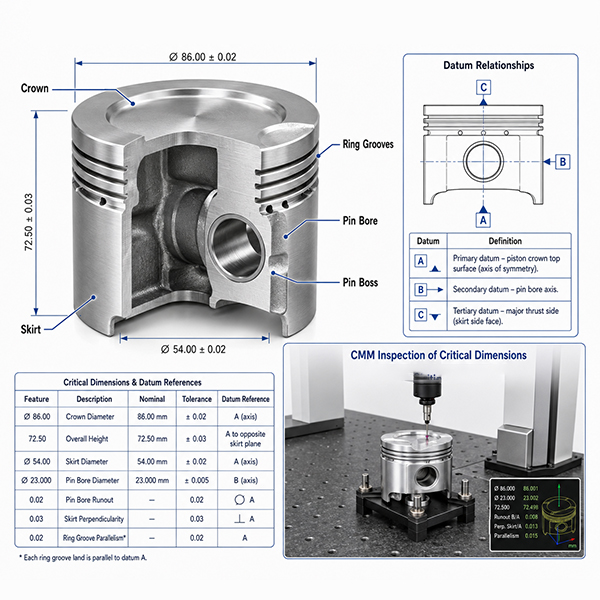
Dimensioning and CMM Inspection of CNC-Machined Aluminum Automotive Pistons
Machining and Quality Control

How We Control the Features That Decide Whether Your Piston Fits and Runs Correctly

Your quotation is not based only on outside diameter and overall height; before machining, VMT identifies the features that can stop assembly, selects stable datums and fixtures, separates roughing from finishing, applies in-process checks and inspects drawing-marked critical dimensions before shipment, helping you reduce rework, fit problems and test delays.

Crown and Valve ReliefsMulti-axis toolpaths and profile checks protect your combustion geometry and valve-clearance surfaces.
Compression HeightCommon datums connect crown, pin bore and reference faces so your assembly stack remains controlled.
Ring GroovesDedicated finishing, burr control and feature gauges protect ring movement, spacing and sealing-related geometry.
Wrist-Pin BoreStable workholding, reserved finishing allowance and bore inspection protect size, position and alignment.
Skirt ProfileLow-force fixturing, staged material removal and free-state inspection reduce thin-wall deformation risk.
Pin Boss and Under-CrownTool access, wall condition and datum transfer are reviewed before weight-reduction features are released.
Oil and Drain FeaturesFeature access, chamfers and chip removal are controlled so internal holes do not create burr or blockage risk.
Coating AllowanceMasking, thickness and post-finish dimensions are planned before material is removed from critical surfaces.
12 StepsQuality-control workflow
CMM + GaugesFeature-specific methods
100%Critical inspection available
ReportsBased on your RFQ
Your Manufacturing Route

How We Machine Your Custom Automotive Pistons from Drawing to Delivery

You can see what happens at each stage: VMT reviews your drawing before quotation, establishes stable datums, separates high-risk operations, checks critical features during machining and coordinates finishing and final inspection so quality and efficiency are built into the route instead of added at the end.

Drawing and DFM Review for Custom CNC Automotive Piston Machining

Drawing and DFM Review

Before quoting, we review your material, blank form, datums, crown, grooves, pin bore, skirt geometry, coating and required reports, then provide DFM feedback so you understand manufacturability, inspection risk and any information needed before production.

Request DFM Review
CNC machining parts drawing design

Blank and Datum Preparation

We verify your forging or billet identity, incoming allowance, heat-treatment condition and traceability, then establish stable reference surfaces so later turning, milling and bore finishing use a controlled datum chain instead of relying on variable blank surfaces.

Discuss Your Blank Route
cnc turning

CNC Turning

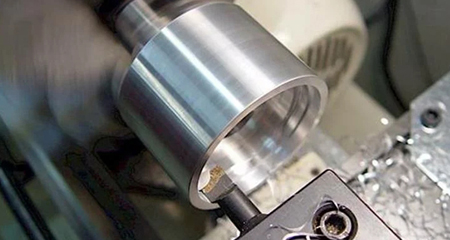
We turn your outside profiles, faces, lands, preliminary grooves and controlled stock allowance in a planned sequence, keeping the rotational features linked to the selected datums and leaving the correct material for finishing after the part becomes more stable.

Review Turning Requirements
Turning-Milling Combined CNC Machining Manufacturing Services

Multi-Axis Crown Milling

We machine your dome, dish, bowl, valve reliefs and under-crown features with multi-axis toolpaths, preserving the approved crown model and datum relationships so complex geometry can be compared directly with your 3D design and inspection plan.

Discuss Crown Geometry
CNC Boring

Pin Bore and Fine Features

We finish your wrist-pin bore, oil holes, drain features, chamfers and drawing-defined interfaces with the selected boring, reaming or milling route, then check size and position so these features support smooth assembly instead of becoming late-stage rejection points.

Review Bore and Hole Features
Deburring and Edge Control

Deburring and Cleaning

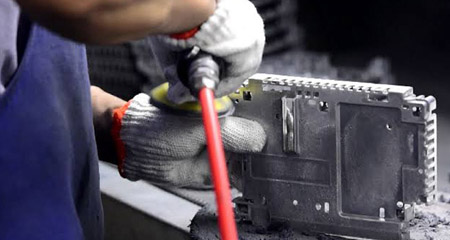
We remove burrs and chips from your grooves, bores, oil holes and internal cavities, protect functional edges and clean the piston before inspection or coating, reducing the risk that hidden debris damages rings, bores or later surface treatment.

Discuss Burr Requirements
Custom CNC Machined Aluminum Pistons Surface Treatment Coordination

Surface Treatment Coordination

We confirm your masking, coating thickness, protected features, handling and post-finish dimensions before release, helping the selected skirt, crown or conversion treatment improve function without changing the fits and edges your assembly depends on.

Review Surface Treatment
CNC machining parts Full Inspection

Final Inspection and Packaging

We inspect your drawing-defined critical characteristics, record the reports requested in your RFQ, reinspect coating-affected dimensions and individually protect sensitive crowns, grooves and bores so approved parts reach your team ready for assembly or validation.

Request an Inspection Plan
Inspection Built Around Your Drawing

How We Inspect Your Critical Automotive Piston Features Before Shipment

We select CMM, profile, bore, groove, form and in-process measurement methods according to your tolerance, datum scheme and feature access, helping you receive documented parts that are ready for assembly validation rather than discovering dimensional problems after delivery.

Profile and Datum Inspection

Verify Crown Geometry and Feature Relationships

We use CMM, profile comparison or another drawing-approved method to compare your crown, valve reliefs and datum relationships, helping you confirm that complex milled surfaces match the model used for engine clearance and combustion-chamber validation.

Ring-Groove Inspection

Protect Ring Movement and Pack Position

We check your groove width, depth, spacing, land relationship and edge condition with feature-specific gauges, optical methods or coordinate inspection, helping you prevent tight rings, inconsistent movement and assembly rejection caused by burrs or dimensional drift.

Bore Inspection

Control Wrist-Pin Fit and Alignment

We verify your pin-bore size, roundness, position and relationship to the piston datums using suitable bore gauges, coordinate methods or dedicated fixtures, helping the pin and connecting rod assemble correctly without forcing or uneven loading.

Skirt Form Inspection

Check the Released Part, Not Only the Clamped Part

Where your drawing specifies taper, ovality, barrel profile or roundness, we inspect the skirt in the appropriate free-state condition and consider clamping effects, helping you avoid a piston that measures correctly in the fixture but changes after release.

In-Process Inspection

Contain Tool Wear and Setup Shift Early

We place checks after high-risk turning, groove, crown and bore operations so tool wear, datum shift or deformation can be detected before the next process, helping you reduce accumulated error, rework and final-batch rejection.

Post-Finish and Final Inspection

Recheck Dimensions Affected by Coating

After approved secondary processing, we recheck the dimensions, masking boundaries and visual requirements affected by coating thickness or handling, then complete the requested final report and protective packaging so your acceptance data matches the finished part you receive.

Aluminum Piston Surface Treatments

Common Surface Treatments for CNC Machined Aluminum Automotive Pistons

Each treatment must be defined around your operating conditions and approved drawing; VMT coordinates machining allowance, masking, surface preparation and post-finish inspection so the finish improves function without changing critical assembly dimensions.

Anti-Friction Skirt Coating CNC Machined Engine Piston Skirts

Anti-Friction Skirt Coating

Aluminum engine piston skirts for performance cylinders receive controlled graphite or resin-based anti-friction coating, reducing scuffing and startup drag while preserving your specified running clearance and improving break-in reliability.

Discuss Skirt Coatings
Thermal Barrier Coating CNC Machined Engine Piston

Thermal Barrier Crown Coating

Aluminum piston crowns for turbocharged or high-temperature engines receive ceramic thermal-barrier coating, limiting heat transfer while controlled masking protects ring lands, pin bores and your final assembly dimensions.

Discuss Thermal Coatings
Local Hard Anodizing Custom CNC Machined Aluminum Pistons

Local Hard Anodizing

Aluminum piston ring grooves and selected wear zones use local hard anodizing to increase surface hardness and wear resistance, helping your rings move consistently without changing protected mating dimensions.

Discuss Hard Anodizing
Phosphate Coating CNC Machined Aluminum Engine Pistons

Phosphate Conversion Coating

Aluminum engine pistons for initial running and anti-galling protection receive phosphate conversion coating on specified areas, creating a lubricious surface that reduces micro-welding and supports smoother early operation.

Discuss Phosphate Coating
Electroless Nickel Plating Custom CNC Machined Aluminum Pistons and Component

Electroless Nickel Plating

Aluminum piston components used in corrosive or wear-sensitive systems receive electroless nickel on approved surfaces, providing uniform protection while controlled allowance keeps your bores, grooves and fits within specification.

Discuss Electroless Nickel
Controlled Bead Blasting Custom CNC Machined Aluminum Pistons

Controlled Bead Blasting

Aluminum piston prototypes and coating-preparation surfaces use controlled bead blasting to reduce visible tool marks and create uniform texture, improving coating adhesion while protecting critical edges, grooves and measurement datums.

Discuss Surface Preparation

Surface Treatment Purpose, Machining Risk and VMT Coordination

The finish must be planned with machining because coating thickness, masking and surface preparation can change dimensions, edges and functional relationships.

Specified Treatment Typical Location, Application and Purpose Machining or Quality Risk VMT Coordination Focus
Anti-Friction Skirt Coating Skirt surfaces in performance or development pistons; reduces friction, scuffing, startup wear and bore contact during break-in. Coating thickness can change running clearance, while poor masking can contaminate grooves, bores or crown datums. Confirm coating drawing, allowance, protected areas and post-coating dimensional inspection before release.
Thermal Barrier Crown Coating Piston crowns exposed to high combustion temperature; limits heat transfer and protects the aluminum substrate in validated engine designs. Surface preparation, thickness and edge buildup can affect crown profile, valve reliefs and ring-land boundaries. Coordinate approved supplier route, mask functional features and verify defined dimensions after coating.
Local Hard Anodizing Ring grooves, crown zones or selected wear areas; increases hardness, wear resistance and corrosion resistance where the design requires it. Dimensional growth, brittle edges, masking transitions and uneven buildup can interfere with rings or mating features. Reserve allowance, define masking and inspect drawing-defined post-anodize dimensions and edge conditions.
Phosphate Conversion Coating Specified skirt, groove or pin areas; improves lubrication retention, reduces galling and supports initial running or break-in behavior. Cleaning, conversion-layer consistency and trapped residue can affect appearance, fit and later lubrication. Plan cleaning, masking, coverage inspection and protective packaging around your drawing and acceptance standard.
Electroless Nickel Selected aluminum piston components in wear-sensitive or corrosive systems; provides uniform wear and corrosion protection. Coating buildup can reduce bore, groove and fit dimensions, while adhesion depends on preparation and alloy compatibility. Review alloy compatibility, allowance, masking, plating certificate and final dimensional acceptance.
Controlled Bead Blasting Prototype exteriors or coating-preparation surfaces; reduces visible machining marks, creates uniform texture and can improve coating adhesion. Excess blasting can round edges, alter surface roughness, contaminate bores or remove identification and datum definition. Define protected features, media, pressure, cleanliness and visual standard before treatment.
Polishing or Controlled Surface Preparation Specified piston crowns, edges, skirt-transition areas or preparation surfaces; removes controlled machining marks, smooths approved surfaces and prepares the part for coating or visual acceptance. Uncontrolled polishing can remove functional stock, round sharp transitions, alter crown geometry or reduce the definition of drawing-controlled edges and datums. Confirm the exact treatment area, protected features, allowable stock removal, target appearance or roughness, and final dimensional inspection before processing.
Batch Production of CNC-Machined Aluminum Piston Prototypes
Prototype-to-Production Control

From Piston Prototype Validation to Approved Repeat Batches

When your engine program requires controlled revisions, complex geometry, or low-volume flexibility, VMT can support early prototypes, design updates, pilot quantities, and repeat production after the machining and inspection route is approved. We carry the approved drawing revision, datum plan, machining sequence, inspection checkpoints, surface-treatment requirements, and packaging controls into pilot and repeat batches, helping you reduce requalification work and maintain consistent part quality after design approval.

Prototype Validation We review your 2D drawing, 3D model, alloy, blank route and critical features, then machine and inspect the prototype so you can evaluate assembly, geometry and design changes with documented results.
Pilot Batch Stabilization After the design revision is approved, we stabilize fixtures, tool paths, operation sequence, in-process checks, coating allowance and packaging, giving your team a controlled route for pilot quantities rather than repeating one-off sample methods.
Approved Repeat Production Repeat batches follow the released drawing, retained process notes and agreed inspection plan, with critical dimensions checked as required so your purchasing and quality teams receive traceable, batch-consistent pistons.
Automotive and Engine Applications

Applications for Custom CNC Machined Automotive Pistons

Custom CNC machining creates the most value when your project needs non-standard geometry, controlled revisions, prototype evidence or lower-volume flexibility that cannot be met by an off-the-shelf replacement piston.

Motorsport and Racing Engines

Custom crowns, valve reliefs, pin positions and weight features support engine-specific testing where geometry, material route and revision control matter more than catalog availability.

Prototype Powertrains

Early piston revisions can be machined and inspected before your program commits to dedicated forging tools or high-volume production processes.

Specialty and Low-Volume Engines

Drawing-based manufacturing supports non-standard bore, compression height, ring pack and chamber requirements used in specialty vehicles, small engines and development programs.

Legacy Engine Replacement Development

Controlled drawings, approved samples and mating-part information support the redevelopment of unavailable pistons while keeping revisions and inspection evidence traceable.

Automotive Piston Case Study

From a Non-Standard Aluminum Piston Drawing to a Controlled Prototype Process

VMT converted a non-standard aluminum automotive piston design into a controlled prototype process using an 8-stage machining route, 6 critical-feature reviews and 100% inspection of drawing-marked critical dimensions.

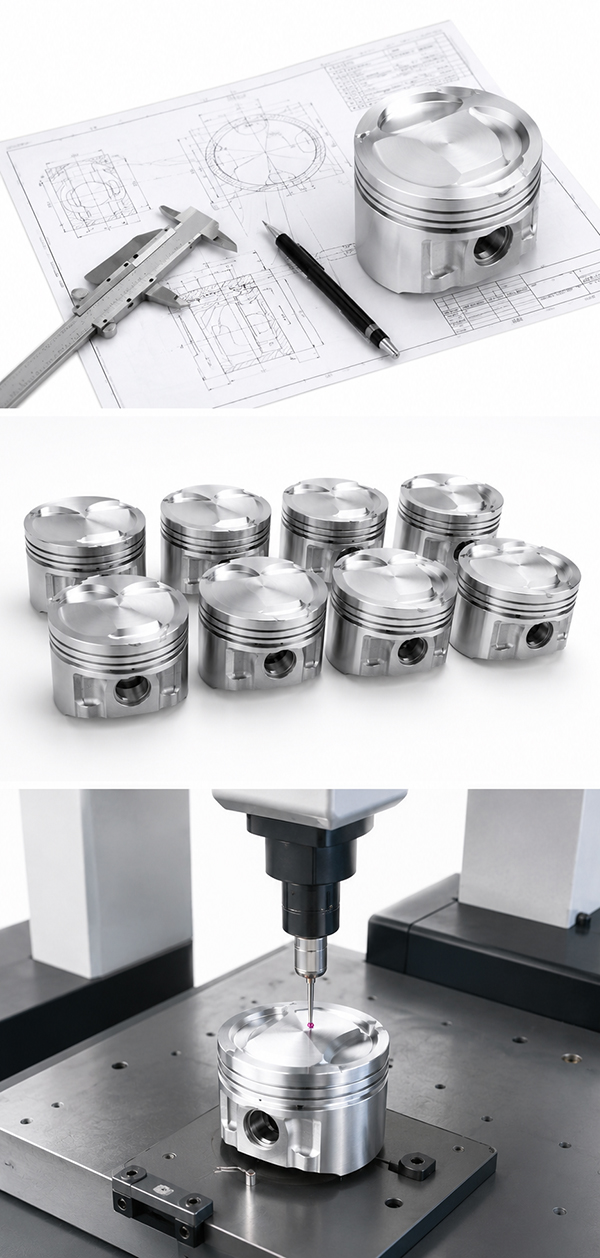
Design Drawings and CMM Inspection of CNC-Machined Aluminum Automotive Pistons Case Study
Customer BackgroundAn automotive engine development team required custom aluminum pistons for a prototype powertrain project. The design included a recessed crown, valve-relief pockets, multiple ring grooves, wrist-pin bores, internal weight-reduction areas and a drawing-defined skirt profile. Because the geometry was unavailable from standard piston suppliers, the customer needed a machining partner capable of supporting design review, prototype revisions and later repeat production.
Part ChallengesThe customer needed the crown, compression height, ring pack, pin bore and skirt geometry to remain aligned to common functional datums, while controlling thin-wall deformation, burrs and coating allowance.
VMT SolutionVMT completed DFM before quotation, established a common datum plan, separated turning, crown milling, groove finishing and bore finishing, applied in-process checks and performed 100% inspection on the drawing-marked critical dimensions using CMM inspection equipment.
Verified ResultThe customer received dimensionally inspected prototypes, DFM feedback, revision-controlled machining data and inspection records, providing a repeatable manufacturing route for assembly validation, engine testing and subsequent pilot production.
8-Stage ProcessControlled route from DFM review to final inspection.
6 Critical Feature GroupsCrown, compression height, ring pack, pin bore, skirt and internal geometry.
100% Critical InspectionDrawing-marked critical dimensions inspected before shipment.
Customer Feedback

What Automotive and Precision-Machining Customers Say After Project Completion

Use only original customer wording that is authorized for publication; the three cards below show the correct testimonial topics and layout without inventing a customer quotation.

“VMT reviewed our piston drawing carefully before machining and helped us identify several areas that could affect crown geometry, pin-bore alignment and final assembly. Their engineering communication was clear, the inspection records were complete, and the prototype parts arrived ready for our engine validation work.”
Automotive Powertrain Development Customer
“We needed a supplier that could understand non-standard piston geometry rather than simply machine the outside dimensions. VMT coordinated the turning, crown milling, groove machining and inspection well, responded quickly to design revisions, and delivered consistent parts that supported our next stage of performance testing.”
Motorsport Parts Customer
“From quotation through final inspection, VMT kept the project organized and transparent. Their team confirmed the material, datum strategy, critical dimensions and surface-treatment requirements before production, which reduced uncertainty during assembly and gave us confidence to continue with the repeat order.”
Precision Machining Procurement Customer
Prepare an Accurate RFQ

What to Send for a Custom Automotive Piston Quote

A basic diameter and height are not enough to price your piston accurately, so send the information below and VMT can evaluate material risk, setups, tooling, inspection, coating and packaging before confirming the quotation.

  • 2D drawing with datums, tolerances and critical characteristics
  • 3D model in STEP, STP, IGES, X_T or another usable CAD format
  • Specified alloy, temper, blank form and approved material source
  • Prototype, pilot and expected repeat-production quantities
  • Crown, ring pack, pin bore, skirt and weight requirements
  • Required coating, masking, heat treatment or surface preparation
  • Inspection report, material certificate and traceability needs
  • Mating-part information, target schedule and packaging requirements
Automotive Piston Machining FAQ

Questions About Custom CNC Machined Aluminum Pistons

Open only the questions relevant to your project so the page remains easier to scan on desktop and mobile.

Does VMT sell standard replacement automotive pistons?
No. VMT manufactures non-standard CNC machined pistons according to your drawings, models, specified materials, tolerances, blank forms, finishes and quantities after engineering review.
Can VMT machine both 2618 and 4032 aluminum pistons?
VMT can review 2618, 4032 and other customer-specified aluminum piston materials subject to availability, blank condition and machining feasibility; your engine design team remains responsible for validating alloy suitability and operating clearance.
Can VMT machine customer-supplied forged piston blanks?
Yes, after reviewing incoming blank identity, allowance, datum consistency, heat-treatment condition, traceability, parting lines and the risk that blank variation may create for critical features.
Which automotive piston features can be CNC machined?
Depending on geometry and access, the route can include crowns, dishes, domes, valve reliefs, ring grooves, pin bores, skirts, pin bosses, oil holes, drain features and internal weight-reduction areas.
Can VMT support one-off and low-volume piston prototypes?
Yes. CNC machining can support one-off prototypes, controlled revisions and low-volume development without immediately committing your project to dedicated production tooling; the final route and schedule are confirmed after engineering review.
How are ring grooves and wrist-pin bores inspected?
Inspection methods are selected according to your drawing, tolerance, accessibility and datum plan; groove gauges, bore measurement, optical methods and CMM inspection may be combined when appropriate.
Can VMT coordinate piston skirt and crown coatings?
Yes, when the specified coating is technically suitable; machining allowance, masking, thickness, protected features, documentation and post-process acceptance should be agreed before production.
What determines the cost of a custom CNC automotive piston?
Cost depends on alloy and blank route, material removal, crown complexity, groove and bore requirements, setup count, inspection scope, finishing, quantity and packaging—not only the overall piston size.
What lead time should I expect?
Lead time depends on material or forging availability, drawing readiness, geometry, tooling, inspection, coating and quantity, so VMT confirms a realistic schedule only after engineering review.
What files should I send for quotation?
Send a controlled 2D drawing and 3D model, together with material, blank form, quantities, critical dimensions, coating, inspection documents, mating-part information and target schedule.
Complete Automotive Piston Guide

Custom CNC Automotive Pistons: The Complete Guide for Engineers and OEM Buyers

This long-form guide helps you compare piston geometry, aluminum alloys, blank routes, machining risks, inspection methods, surface treatments, cost drivers and supplier capability before you release a prototype or production RFQ.

1. What Are Custom CNC Machined Automotive Pistons?

Custom CNC automotive pistons are non-standard components manufactured from your controlled 2D drawing, 3D model, specified alloy and approved blank route. Unlike catalog replacement pistons, the crown, compression height, ring pack, pin bore, skirt profile, pin bosses, oil features and weight targets are developed around a particular engine or test program. CNC turning controls rotational features, while multi-axis milling creates domes, dishes, valve pockets and under-crown geometry. The supplier must also define how these features relate to functional datums and how each critical characteristic will be inspected.

View the Complete Automotive Piston Guide Collapse the Automotive Piston Guide

2. When Does CNC Machining Create the Most Value?

CNC machining is especially useful when your project needs one-off prototypes, controlled revisions, complex crowns, special pin positions, discontinued geometries or lower-volume flexibility. It allows your engineering team to compare design versions without committing immediately to dedicated high-volume tooling. For very high-volume standard production, a dedicated casting or forging route may be more economical, but CNC machining still has value for development, mold or forging validation, first-article comparison and specialty programs where geometry and traceability are more important than maximum output.

3. Which Automotive Piston Geometries Can Be CNC Machined?

Depending on tool access, part size and the approved model, CNC machining can create flat-top, dished, domed, stepped-crown, step-dish and circular-dish pistons, together with valve reliefs, ring grooves, pin bores, oil holes, drain features and internal weight-reduction pockets. The difficult part is not simply generating the shape; the supplier must preserve the relationship between the crown, compression height, pin bore, ring pack and skirt while the part becomes thinner and less rigid during machining.

4. How Should You Compare 2618 and 4032 Aluminum Pistons?

2618 is commonly selected for high-load, turbocharged and motorsport applications because of its toughness and elevated-temperature capability, but its higher thermal expansion normally requires the engine designer to validate the operating clearance. 4032 contains more silicon and is often selected when lower expansion, wear behavior and tighter cold clearance are important. The machining supplier should not decide between them based on convenience; your approved engine design must define the alloy, blank, heat-treatment condition and clearance strategy, while VMT reviews machinability, edge condition, allowance, coating and inspection.

5. Should You Use a Forged, Preformed or Billet Blank?

A forged or preformed blank can reduce material removal and may better support a validated production route, but it also introduces questions about stock allowance, parting lines, scale, datum consistency and incoming variation. Billet machining gives more flexibility for early prototypes and revised geometry, although it may require longer machining time and greater material removal. Customer-supplied blanks can preserve an approved material source, provided the incoming condition and traceability are clear. Your quotation should therefore identify the blank route, not simply list the finished piston dimensions.

6. What Must Your Automotive Piston Drawing Define?

Your drawing should identify functional datums, compression height, crown profile, ring-groove width and position, wrist-pin bore, skirt profile, pin-boss geometry, oil features, edge requirements, surface roughness and coating boundaries. Use the 3D model to define complex surfaces, but do not hide critical assembly requirements inside a general tolerance block. Mark the characteristics that require documented inspection and provide mating-part or clearance information where it helps the supplier understand why a dimension matters.

7. How Is a Custom CNC Automotive Piston Machined?

The route normally begins with DFM, material and blank verification, followed by datum preparation and controlled CNC turning. Crown and valve-relief geometry is then produced with multi-axis milling, after which the pin bore, oil features, chamfers and other fine details are finished. Deburring and cleaning must remove hidden chips from grooves and internal cavities. When coating is specified, masking and allowance are confirmed before secondary processing. Final inspection and protective packaging complete the route. The exact sequence changes with your geometry, quantity, alloy and inspection plan.

8. Which Piston Features Require the Most Inspection Attention?

The highest-risk characteristics usually include crown and valve-relief profile, compression height, ring-groove width and spacing, pin-bore size and position, skirt form, oil features and coating-affected dimensions. No single instrument can verify every feature. CMM or profile comparison may suit complex surfaces and datum relationships, groove gauges may suit ring-pack details, bore gauges can verify the wrist-pin bore, and form measurement may be required for taper, ovality or barrel profiles. The measurement method should be agreed before machining, not after the first batch is complete.

9. How Should Surface Treatment Be Planned?

Anti-friction skirt coatings, thermal-barrier crown coatings, local hard anodizing, phosphate conversion, electroless nickel and controlled blasting can change thickness, masking boundaries, edge condition and final dimensions. The finish drawing should identify treated areas, protected areas, expected buildup, visual acceptance and post-process inspection. A supplier that quotes machining without reviewing finishing may leave too little allowance, coat a functional datum or create an assembly problem after the dimensions appeared correct in the machined state.

10. What Controls the Cost of Custom CNC Automotive Pistons?

Cost depends on the alloy and blank route, material removal, number of setups, crown complexity, groove tooling, pin-bore finishing, thin-wall stability, inspection scope, coating, documentation, quantity and packaging. A large simple piston may cost less than a smaller piston with difficult valve reliefs, tight groove relationships and extensive inspection. To receive a meaningful quotation, provide the data that affects the process rather than asking the supplier to price only from diameter and height.

11. How Do You Move from Prototype to Pilot and Repeat Production?

A prototype should validate more than appearance. Use it to confirm fixture stability, datum strategy, groove and bore inspection, burr control, coating impact, mating-part fit and the information required in the inspection report. After approval, lock the drawing revision, process notes, critical characteristics, secondary-process route and packaging method. Pilot production then verifies that the approved process can be repeated before the program increases quantity. This continuity reduces the risk that a repeat order depends on operator memory or undocumented adjustments.

12. How Should You Evaluate a Custom Automotive Piston Supplier?

Look beyond the machine list. A capable supplier should ask about the engine application, alloy, blank, functional datums, crown, ring pack, pin bore, skirt, coating and inspection. Review whether it can combine turning and multi-axis milling, control thin-wall workholding, measure the critical features and coordinate secondary processing. Ask how drawing revisions are controlled, which dimensions can receive 100% inspection, what reports are available and how sensitive surfaces are packaged. The best evidence is a clear engineering response to your actual drawing.

13. What Should You Include in an Automotive Piston RFQ?

Send your 2D drawing, 3D model, engine or test application, material and temper, forging or billet route, prototype and repeat quantities, critical dimensions, datum scheme, roughness, coating, inspection reports, material certificates, mating-part information, packaging and required schedule. For other piston applications such as hydraulic, pneumatic, compressor and pump systems, review VMT’s custom CNC pistons and piston components. You can also review custom CNC turning services, CNC milling services and the CNC machining quality control process.


14. Why is aluminum commonly used for car pistons?

Aluminum is lightweight, offers excellent thermal conductivity, and resists corrosion. These properties make it ideal for car pistons, as it helps reduce engine weight, improve heat dissipation, and withstand the high pressures and temperatures in combustion chambers.


15. What types of aluminum are used for CNC-machined pistons?

Common aluminum alloys used for car pistons include 4032 and 2618, which provide excellent strength and durability under high temperatures and loads. 2618 is typically used in high-performance or racing applications due to its superior high-temperature strength.


16. Can custom designs and specifications be applied to CNC aluminum pistons?

Yes, CNC machining allows for custom piston designs, including specific dome shapes, valve reliefs, ring grooves, and wrist pin sizes. Custom designs help optimize performance for different engine types, compression ratios, and fuel types.


17. What tolerances can be achieved for CNC-machined aluminum pistons?

CNC machining can achieve extremely tight tolerances, typically within ±0.001 mm. This level of precision ensures proper fit, balance, and performance in high-stress engine environments.


18. How durable are CNC-machined aluminum pistons?

CNC-machined aluminum pistons are highly durable and can withstand the high temperatures and pressures within an engine. High-quality aluminum alloys combined with precise machining ensure longevity and optimal performance, especially in high-performance engines.


19. What surface finishes are available for CNC aluminum pistons?


Common surface treatments for aluminum pistons include:

  • Anodizing: Enhances surface hardness and corrosion resistance.
  • Teflon or ceramic coatings: Reduce friction and improve wear resistance, crucial for high-performance applications.
  • Polishing: Reduces surface roughness to minimize friction within the cylinder.


20. Can prototypes be made before full-scale production of pistons?

Yes, CNC machining services typically offer the option to create prototypes. This allows the customer to test the piston design in a real engine before committing to full-scale production, ensuring that the design meets performance and durability expectations.


21. What information should be provided to get a quote for custom CNC aluminum pistons?


When requesting a quote, you should provide:

  • CAD drawings or detailed design specifications.
  • Material preferences, including the type of aluminum alloy (e.g., 2618, 4032).
  • Desired surface treatments (anodizing, coatings).
  • Quantity required.
  • Specific performance requirements, such as compression ratio, dome shape, and valve clearance.


21. What is the typical lead time for custom CNC aluminum pistons?

Lead times vary based on design complexity, order volume, and finishing requirements. Generally, lead times for custom CNC pistons range from 3 to 6 weeks after the design is finalized and approved.

Start with Your Drawing

Request a Custom Automotive Piston Engineering Review

Send your 2D drawing, 3D model, specified alloy, blank form, prototype and production quantities, coating requirements and critical inspection characteristics, and VMT will review machining feasibility and prepare a drawing-based quotation.

Related suggestion

Write us

Give us a call or send an inquiry to our emailbox, we will answer your doubts according to your customers' requirements, and quote you immediately.

Upload 2D/3D drawings

Upload Your Files or Contact inquiry@vimetal.com.cn to Get Instant Quote (Please attach 2D CAD drawings and 3D CAD models in any format including STEP, IGES, DWG, PDF, STL, ZIP, etc.).
Upload files ( Max file size: 20MB )

Upload 2D/3D drawings

Upload Your Files or Contact inquiry@vimetal.com.cn to Get Instant Quote (Please attach 2D CAD drawings and 3D CAD models in any format including STEP, IGES, DWG, PDF, STL, ZIP, etc.).
Upload files ( Max file size: 20MB )
+86 15099911516
loading