Free cookie consent management tool by TermsFeed Cookies

Home / Product / Aluminum Parts /

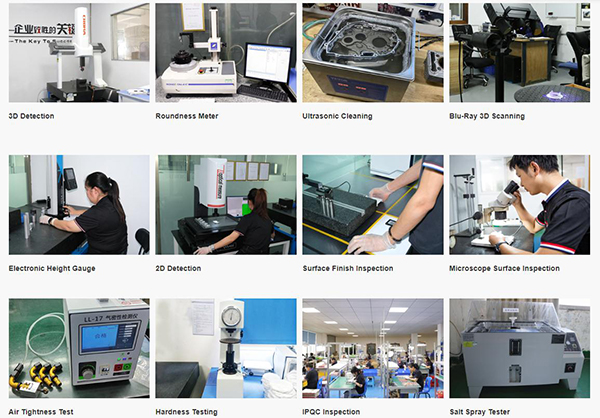
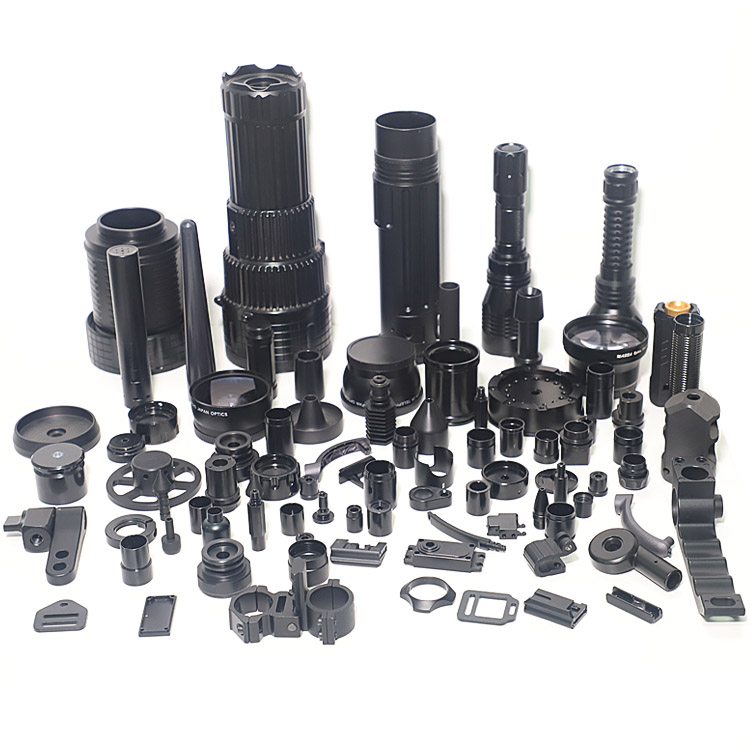
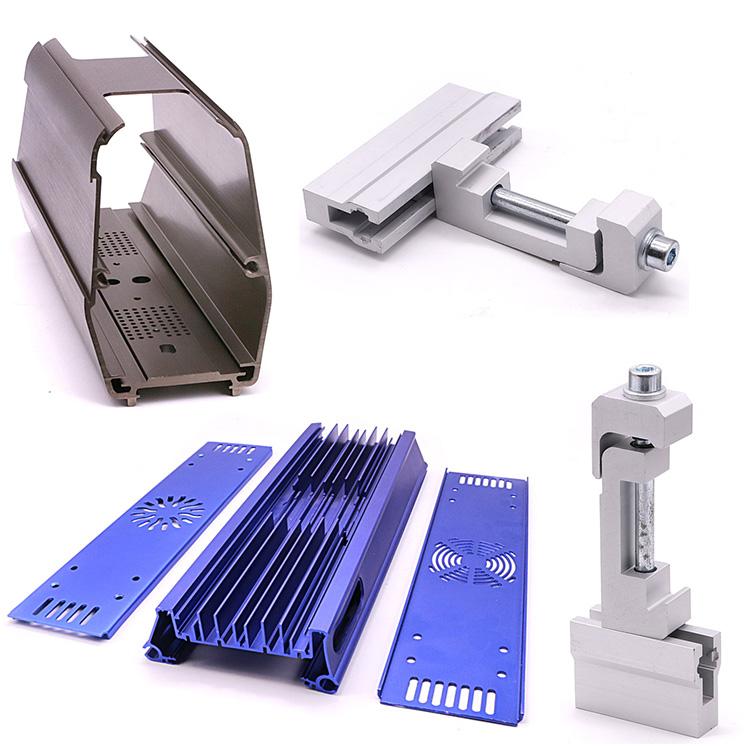
As your aluminum CNC machining manufacturer, we have 40+ aluminum alloy materials, 100 CNC machining equipment, and 12 quality inspection processes. can provide you with a solution tailored to your specific needs.


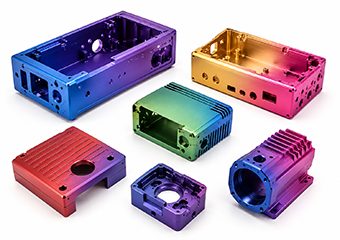
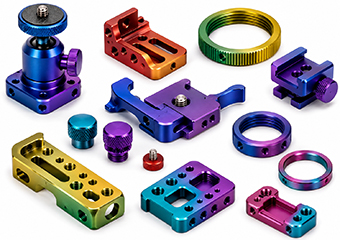
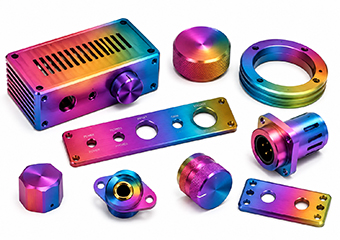
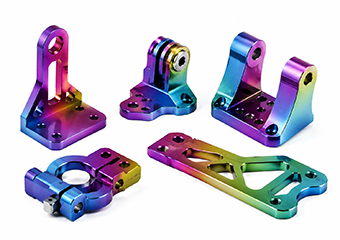
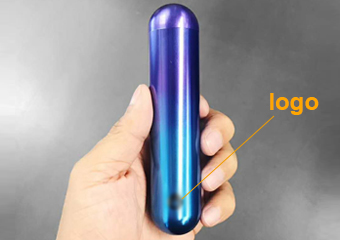
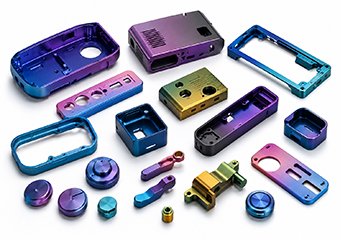
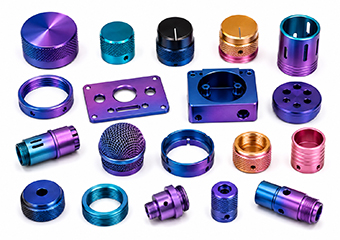
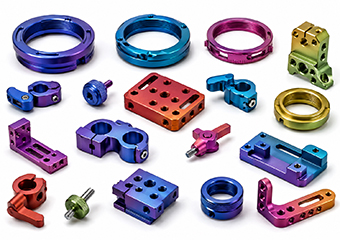
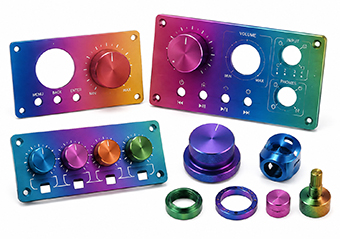
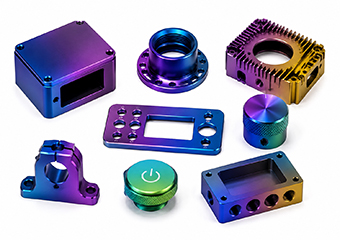
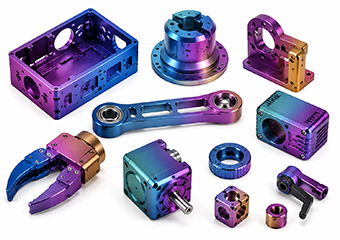
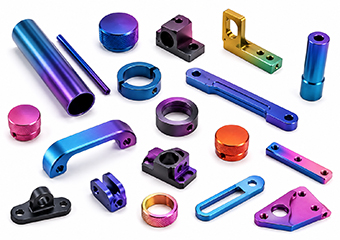
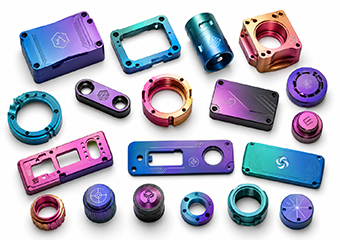
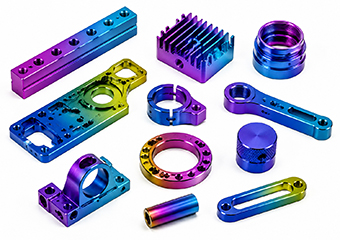
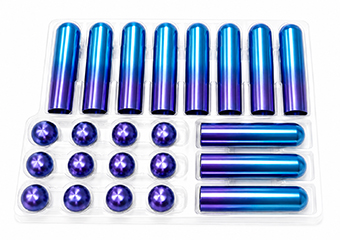
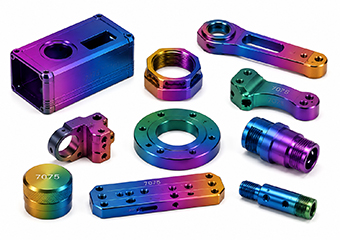
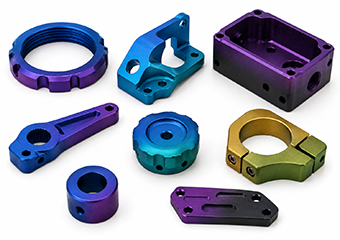
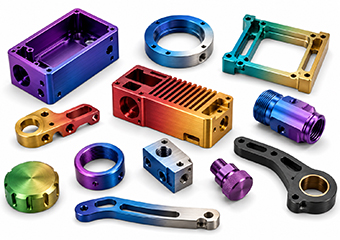
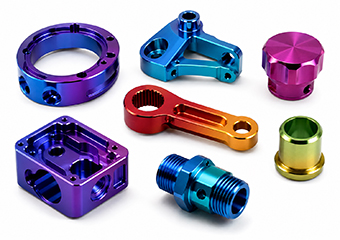
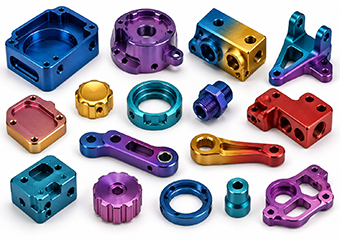
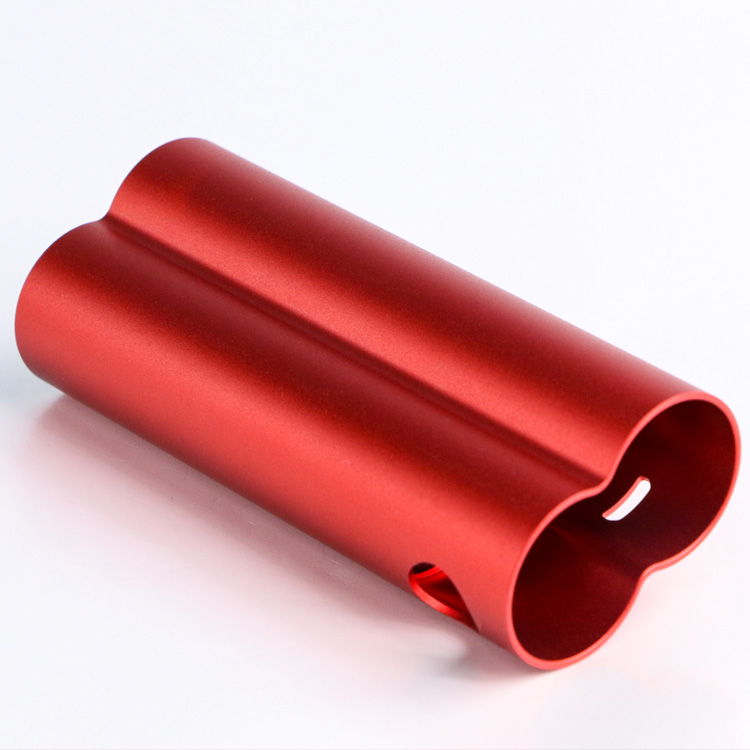
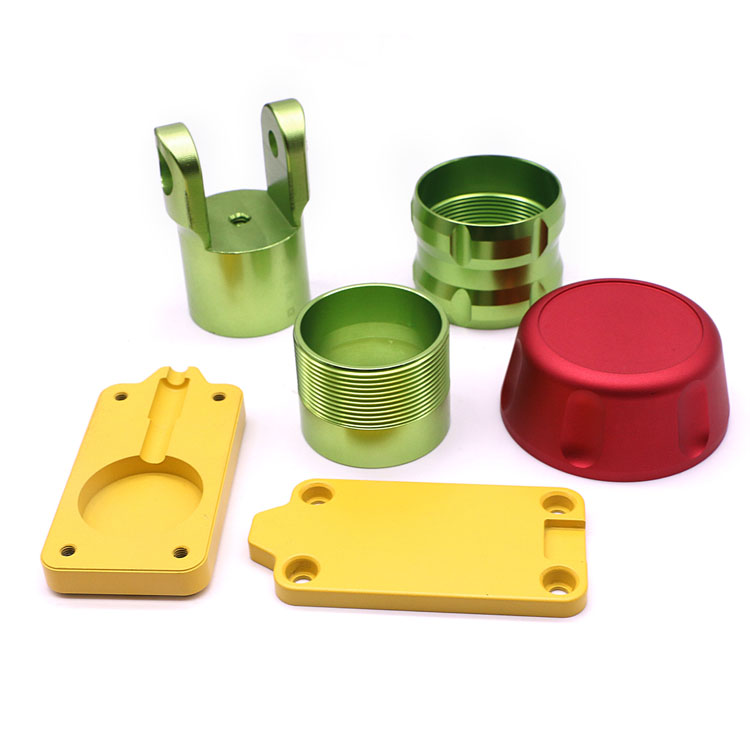
Custom Aluminum Multicolor Anodizing CNC Machining Parts

Custom Aluminum Multicolor Anodizing CNC Machining Parts

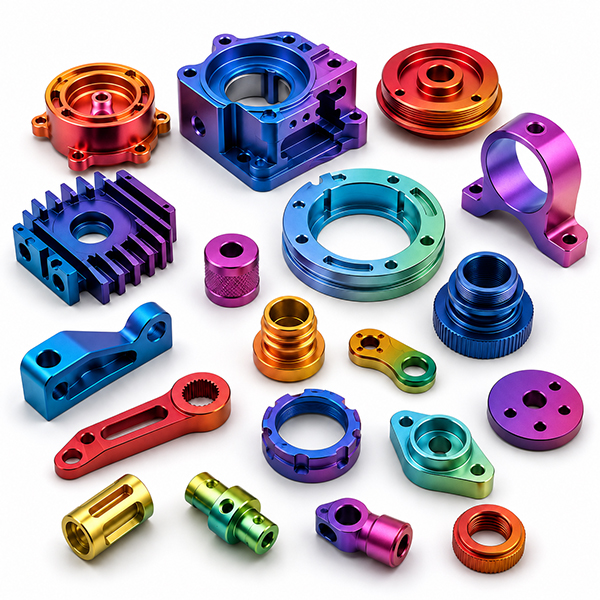
VMT provides custom CNC machining for multi-color anodized aluminum parts, supported by a surface finishing partner with over 10 years of cooperation and a surface finishing engineer with 20 years of experience. We provide DFM review and evaluation, color-zone control, and dimensional inspection, helping achieve up to a 98% yield rate and reduce costs by up to 30%.

Product Specification:

  • Services : Custom Aluminum Multicolor Anodizing CNC Machining Parts
  • Supply Ability : 100000 Pieces per Month
  • Material:Aluminum(AL 6061-T6, 6063, 5005, 5052,6082, 7075, 7075-T6, 2024 etc)、Customer's Demand. :
  • Surface Roughness : Ra 0.1~3.2
  • Surface Treatment : Customer's Demand, Anodized, Two-Color Anodizing, Multicolor Anodizing etc.
  • Tolerance : ±0.005 mm.(Custom Available)
  • Drawing format : CAD file (dwg, dxf, pdf, etc.), 3D File (step, stp, etc), drawing design.
  • Standard or not : Non standard,customized as drawing or sample.
Inquiry Now
Product description

Custom CNC Aluminum Finishing Solution

Custom CNC Machined Aluminum Parts with Multi-Color Anodizing

VMT provides custom CNC machining for aluminum parts requiring two-color, multi-color, or clearly defined anodized color zones. We review your part geometry, material, cosmetic surfaces, critical interfaces, surface preparation, and finishing requirements before production to help control appearance, dimensional fit, and repeatability from prototype validation through production.

  • ≥98% Multi-Color Appearance Acceptance Rate
  • 10+ Years Stable Anodizing Partnership
  • Dedicated Anodizing Bath Available
  • Approved Color Sample Before Mass Production
  • Lot-by-Lot Color Inspection
  • 100% Cosmetic Inspection for Critical Appearance Parts
  • Material + Surface + Color Traceability
  • Multi-Color DFM Review Before Machining
Custom Multi-Color Anodizing Aluminum CNC Machined Parts

100+ CNC Machines

Capacity for prototypes, repeat orders, and production machining based on your drawing requirements.

1-on-1 Engineering DFM Review

Color zones, masking areas, critical dimensions, surface texture, and assembly interfaces reviewed before machining.

12-Step Quality Control

Inspection from incoming material through machining, finishing coordination, final inspection, and protective packaging.

Drawing-Based Custom Parts

Custom aluminum parts made to your geometry, material, color-zone, surface, and inspection requirements.

Surface Finish + Color Control

See How Surface Condition Affects Multi-Color Anodized Parts

Multi-color anodizing is more sensitive to surface variation because several color zones must remain visually balanced on the same CNC part. CNC tool marks, bead blasting, brushing, polishing, alloy condition, masking boundaries, and handling can all change how individual colors appear.

Before production, VMT reviews visible surfaces and functional areas together, then coordinates machining, pre-treatment, masking sequence, multiple color zones, finishing, and inspection so the appearance standard is defined before the batch is released.

Manufacturing Risk Control

Multi-Color Anodizing Problems We Help You Control

Multi-color anodizing introduces more variables than a single-color or simple two-color finish because multiple color zones, masking steps, surface conditions, and processing sequences must work together on the same CNC part. VMT reviews these requirements before production and coordinates machining, finishing, and inspection around your drawing to reduce avoidable cosmetic, dimensional, and batch-consistency risks.

01

Uneven or Inconsistent Anodized Color

Different aluminum alloys, material conditions, CNC surface textures, and pre-treatment conditions can change how the same nominal anodized color appears. VMT reviews material selection and cosmetic surfaces before machining, coordinates consistent surface preparation, and uses approved appearance requirements or representative samples where appropriate.

Avoid: Unexpected color shifts between an approved prototype and later production batches.

02

Poor or Unclear Color-Zone Boundaries

Multiple color zones become more difficult to control when transitions cross large flat surfaces, complex curves, small features, or poorly defined masking areas. VMT reviews each color-zone boundary during DFM and, where possible, recommends aligning transitions with grooves, steps, chamfers, recessed areas, or other defined part features.

Avoid: Blurred, irregular, or difficult-to-repeat color transitions on visible surfaces.

03

Critical Dimensions Affected by Finishing

Threads, precision bores, press-fit areas, locating features, and mating surfaces may require different finishing or masking strategies. VMT identifies critical finished dimensions during drawing review, plans machining and protected areas around the finishing requirement, and verifies relevant functional features after processing.

Avoid: Finished parts that look acceptable but no longer fit, thread, locate, or assemble correctly.

04

CNC Marks Becoming More Visible After Anodizing

Anodizing does not automatically hide cutter marks, scratches, dents, uneven polishing, or inconsistent tool paths. VMT identifies customer-visible surfaces before machining and selects the machining and pre-anodizing preparation strategy according to the required final appearance.

Avoid: Cutter marks, scratches, or uneven pre-finish texture becoming more obvious after anodizing.

05

Inconsistent Texture Between Color Areas

Bead blasting, brushing, polishing, and controlled machined surfaces reflect light differently, so similar colors can still appear different when the underlying textures are inconsistent. VMT coordinates texture direction, preparation requirements, cosmetic zones, and machining sequence before anodizing.

Avoid: Visible texture mismatch that makes adjacent color areas look inconsistent under the same lighting.

06

Prototype Looks Good but Production Does Not Match

A good prototype does not automatically guarantee the same production appearance. VMT carries approved material, surface, color-zone, and inspection requirements from prototype validation into subsequent production planning, with representative samples used as appearance references where appropriate.

Avoid: Restarting cosmetic expectations on every batch because prototype references and process conditions were not carried forward.

DFM Before Production

DFM Review for Multi-Color Anodized Aluminum Parts

Multi-color anodizing problems are easier to prevent during design and process planning than after machining. VMT reviews your drawing, 3D model, finish specification, number of colors, color-zone sequence, masking requirements, and available assembly information to identify where machining, appearance, and functional requirements may conflict.

  • Aluminum alloy and material requirements
  • Cosmetic and non-cosmetic surfaces
  • Color-zone locations
  • Masked or protected areas
  • Critical finished dimensions
  • Threads, bores, and mating surfaces
  • Assembly datums and interfaces
  • Thin walls and visible edges
  • Bead blasting, brushing, polishing, or machined texture
  • Logo and marking locations
  • Prototype approval requirements
  • Appearance inspection requirements

The goal is to establish a practical manufacturing route that considers geometry, machining, surface preparation, color separation, final dimensions, and assembly together.

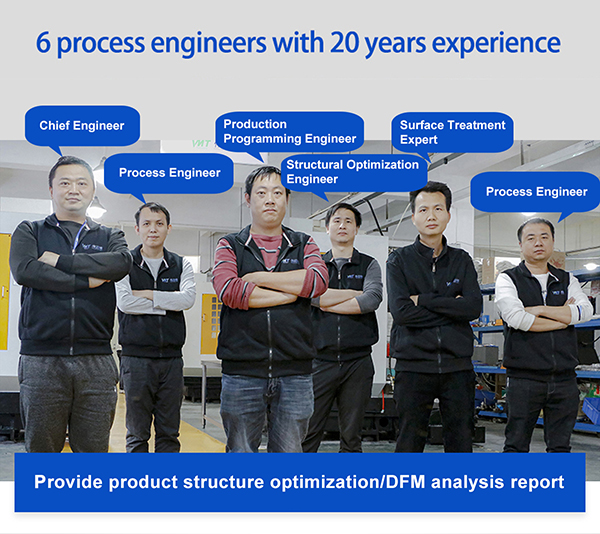
6 People with 20 Years of Experience in DFM Analysis Engineering Support

Custom Parts from Your Drawings

Custom Multi-Color Anodized Aluminum Parts We Machine

VMT manufactures custom multi-color anodized aluminum components from customer drawings rather than supplying standard products. The number of colors, color-zone geometry, cosmetic surfaces, machining sequence, masking requirements, and assembly interfaces determine the manufacturing and finishing strategy for each project.

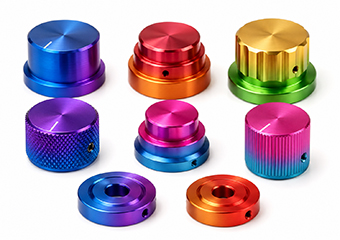
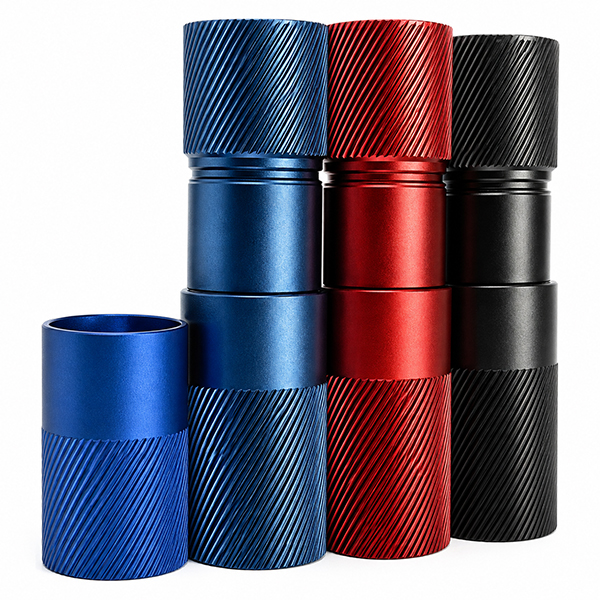
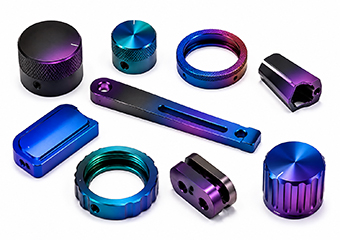
Custom CNC Machined Multi-Color Gradient Anodized Aluminum Knobs

Multi-Color Anodized Aluminum Knobs

Custom knobs for audio equipment, instruments, control panels, and premium hardware can combine precise bores, threads, knurling, or decorative details with contrasting anodized areas. CNC turning and milling control functional geometry while cosmetic and mating features are inspected after finishing.

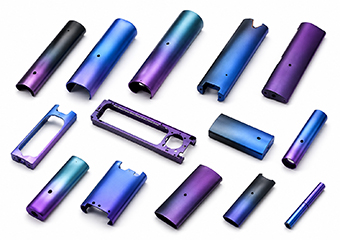
Custom CNC Machined Multi-Color Gradient Anodized Aluminum Housings

Multi-Color CNC Aluminum Housings

Electronics, instruments, and branded devices may require aluminum housings with visible exterior surfaces, internal pockets, ports, mounting points, and several finish zones. Machining datums and cosmetic areas are planned together so finishing requirements do not compromise the intended assembly.

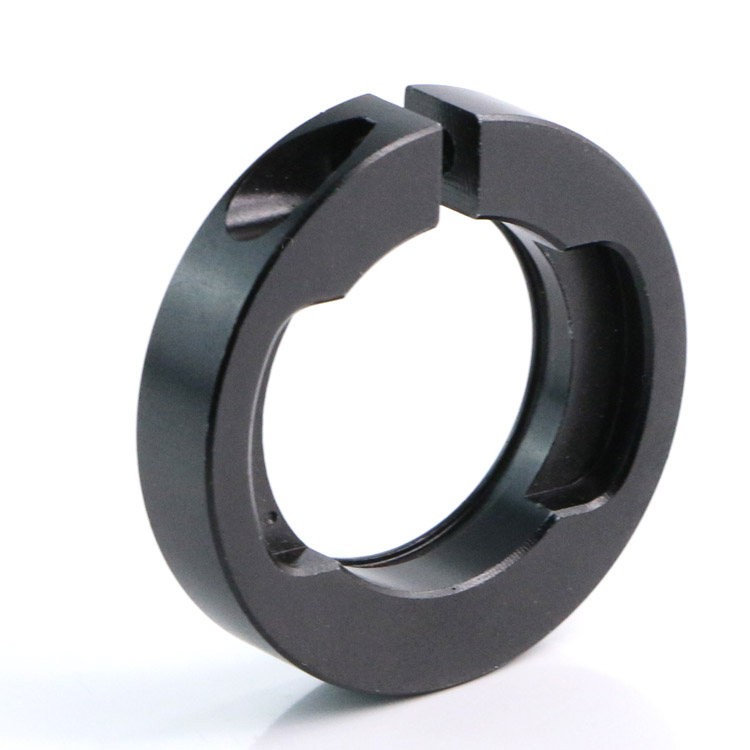
Custom CNC Machined Multi-Color Gradient Anodized Aluminum Camera Components

Multi-Color Camera Components

Camera rings, adapters, knobs, mounts, and accessory components can use contrasting surface areas for identification, branding, or premium appearance. CNC turning and milling control threads, concentric relationships, locating interfaces, and decorative geometry before finishing.

Custom CNC Machined Multi-Color Gradient Anodized Aluminum Audio Parts

Multi-Color Audio Components

Audio knobs, microphone components, amplifier controls, decorative rings, and housings often combine tactile geometry with appearance requirements. VMT reviews visible surfaces, machined details, engraved features, assembly interfaces, and color divisions before confirming the manufacturing route.

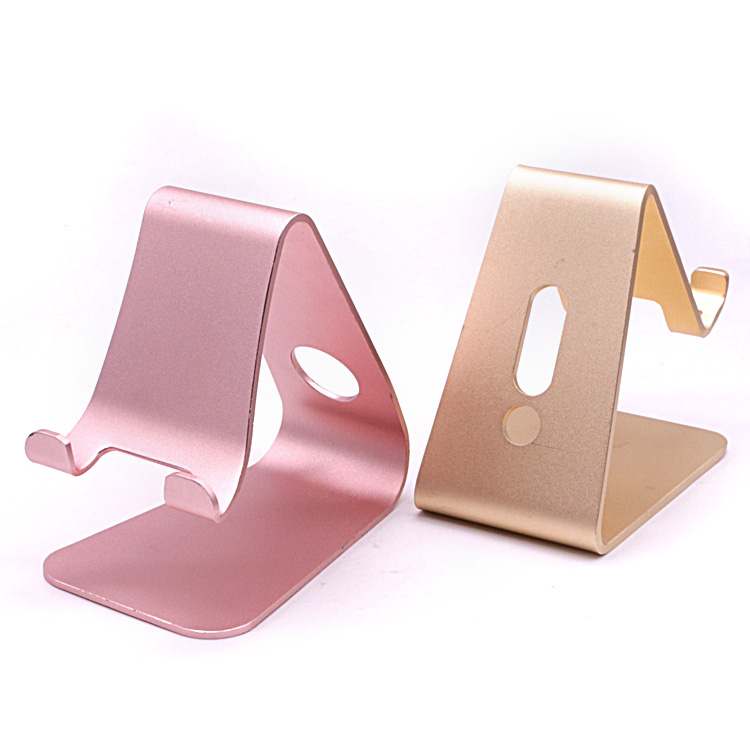
Custom CNC Machined Multi-Color Gradient Anodized Aluminum Mounts & Brackets

Multi-Color Aluminum Mounts & Brackets

Custom mounts and brackets may use different anodized zones for styling, identification, or visible functional areas. CNC milling controls mounting geometry, profiles, holes, and locating features while the finish plan addresses protected surfaces and color transitions.

Custom CNC Machined Multi-Color Gradient Anodized Aluminum Control Components

Custom Aluminum Control Components

Buttons, dials, selector rings, and control hardware can use contrasting anodized areas for visual identification. CNC machining controls tactile and assembly features while the finishing requirements are coordinated around functional interfaces and customer-visible surfaces.

Custom CNC Machined Multi-Color Gradient Anodized Aluminum Covers & Frames

Multi-Color Aluminum Covers & Frames

Faceplates, bezels, covers, and frames often place high cosmetic requirements on broad surfaces, narrow edges, openings, and branding details. Machining and surface preparation must remain consistent so the final finish supports both appearance and dimensional relationships.

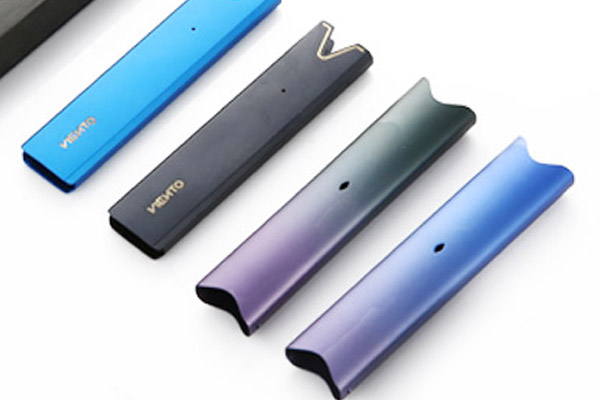
Custom CNC Machined Multi-Color Gradient Anodized Aluminum Wireless Bluetooth Earphone Charging Case Shell with Branded Logo

Custom Branded Aluminum Components

OEM parts can combine CNC machining, anodized color zones, laser marking, engraved logos, and highlighted machined surfaces. The process sequence is reviewed according to your design so branding details and functional features can coexist within the same component.

Where Multi-Color Finishing Adds Value

Applications for Multi-Color Anodized Aluminum Parts

Multi-color anodizing is most relevant where a precision-machined aluminum part also needs multiple visual zones for branding, user identification, product differentiation, decorative contrast, or functional color coding.

Custom CNC Machined Multi-Color Gradient Anodized Aluminum Consumer Electronics Components

Consumer Electronics

Custom housings, frames, buttons, covers, and control components can combine color differentiation with precisely machined ports, mounting features, and internal interfaces.

Custom CNC Machined Multi-Color Gradient Anodized Aluminum Audio Equipment Components

Audio Equipment

Knobs, amplifier controls, microphone parts, decorative rings, and housings can use contrasting anodized areas together with tactile geometry, bores, threads, and branded details.

Custom CNC Machined Multi-Color Gradient Anodized Aluminum Camera & Imaging Equipment Components

Camera & Imaging Equipment

Camera rings, mounting adapters, knobs, brackets, and accessory components can combine precision connection geometry with contrasting surfaces used for identification or premium styling.

Custom CNC Machined Multi-Color Gradient Anodized Aluminum Control Panels & HMI Components

Control Panels & HMI

Selector knobs, control dials, rotary components, and user interfaces can use defined color zones to distinguish functions while maintaining controlled shaft, mounting, and tactile geometry.

Custom CNC Machined Multi-Color Gradient Anodized Aluminum Industrial Equipment Components

Industrial Equipment

Equipment covers, control hardware, housings, and machine interfaces can use differentiated anodized areas for identification, branding, or user-facing functions.

Custom CNC Machined Multi-Color Gradient Anodized Aluminum Robotics & Automation Components

Robotics & Automation

Sensor mounts, robot housings, adjustment hardware, control components, and visible structures can combine compact CNC geometry with functional or branded color areas.

Custom CNC Machined Multi-Color Gradient Anodized Aluminum Premium Hardware Components(Knobs, handles, brackets, rings, mounts, and decorative hardware)

Premium Hardware

Knobs, handles, brackets, rings, mounts, and decorative hardware can use contrasting anodized areas to create a distinctive appearance while retaining machined threads, bores, and interfaces.

Custom CNC Machined Multi-Color Gradient Anodized Aluminum OEM & Branded Products Components

OEM & Branded Products

OEM components can combine custom machining, anodized colors, logos, engraved features, and defined cosmetic surfaces according to customer drawings rather than standard off-the-shelf configurations.

Manufacturing Route

How We Manufacture Multi-Color Anodized CNC Aluminum Parts

Reliable multi-color anodizing requires coordination between the drawing, CNC machining route, surface texture, masking sequence, multiple color zones, functional areas, finishing requirements, and inspection plan.

1

Drawing & Finish Review

We review geometry, tolerances, cosmetic surfaces, color zones, assembly relationships, and finish specifications before confirming the process route.

2

Material Selection

The aluminum grade is evaluated according to mechanical requirements, machinability, part structure, and expected surface appearance.

3

CNC Machining

CNC milling, turning, multi-axis machining, or combined processes are selected according to the geometry, critical dimensions, visible surfaces, and production requirements.

4

Surface Preparation

Bead blasting, brushing, polishing, or a controlled machined texture can be specified according to the required appearance.

5

Color-Zone & Masking Planning

Each color zone, boundary, protected area, thread, bore, contact surface, and mating interface is reviewed together with the required masking and processing sequence.

6

Anodizing Coordination

The finishing route is coordinated according to alloy, surface condition, number of colors, color order, masking stages, protected features, and appearance requirements.

7

Dimensional & Cosmetic Inspection

Critical dimensions, functional interfaces, threads, color areas, and visible surfaces are inspected according to project requirements.

8

Protective Packaging

Finished cosmetic parts are separated and protected according to geometry and surface requirements to reduce handling and transportation damage.

Material Selection

Aluminum Materials for Multi-Color Anodizing

For multi-color anodizing, alloy selection affects more than machinability and strength. Alloy composition, temper, raw-material batch, surface preparation, and anodizing response can influence how several colors appear together on the same part.

6063 Aluminum Multi-Color Anodizing CNC Machining Parts

6061 Aluminum

6061 is widely used for CNC machined housings, knobs, brackets, frames, mounts, and control components because it provides a practical balance of machinability, mechanical performance, and finishing flexibility. Final cosmetic requirements should still be confirmed together with surface preparation and anodizing specifications.

6063 Aluminum Multi-Color Anodizing CNC Machining Wireless Bluetooth Earphone Charging Cases Shells

6063 Aluminum

6063 can suit appearance-focused housings, frames, bezels, covers, and decorative components where surface quality is important. Geometry, structural requirements, machining volume, and finishing expectations should be reviewed together before material selection is finalized.

7075 Aluminum Multi-Color Anodizing CNC Machining Parts

7075 Aluminum

7075 provides higher mechanical strength for performance parts, mounts, camera hardware, and other load-sensitive components. Because alloy composition can influence anodized appearance, structural requirements and cosmetic expectations should be evaluated together rather than independently.

Does the same anodized color look identical on different aluminum alloys? Not necessarily. Different aluminum alloys and material conditions can respond differently to surface preparation and anodizing. When appearance is critical, material selection and finish approval should therefore be treated as one decision.

Pre-Anodizing Appearance Control

Surface Preparation Before Anodizing

In a multi-color part, inconsistent base texture can make adjacent colors look mismatched even when the dye targets are correct. Surface preparation should therefore be planned and approved together with the multi-color anodizing requirement.

Bead Sand Blasting Multi-Color Anodizing Aluminum CNC Machining Parts

Bead / Sand Blasting

Creates a more uniform matte appearance and can reduce the visibility of machining lines. Blasting consistency, edge condition, protected areas, and part handling should remain controlled before anodizing.

Brushing Multi-Color Anodizing Aluminum CNC Machining Parts

Brushing

Creates a directional metallic grain for faceplates, housings, knobs, controls, and decorative components. Grain direction and feature orientation should be defined because the texture remains visible after anodizing.

Polishing Multi-Color Anodizing Aluminum CNC Machining Parts

Polishing

Reduces machining marks and increases surface smoothness or reflectivity before anodizing. Polishing must be coordinated with edges, engraved details, dimensions, and the expected final surface appearance.

Controlled Machined Finish Multi-Color Anodizing Aluminum CNC Machining Parts

Controlled Machined Finish

Fine CNC tool patterns can intentionally remain on decorative rings, chamfers, knobs, or highlighted areas. Tool condition, toolpath, feed strategy, and handling influence the consistency of the final visual effect.

Finish Selection

Multi-Color Anodizing vs Other Color & Surface Finish Options

Multi-color anodizing is useful when one aluminum part requires several defined anodized color zones. It is more complex than single-color or simple two-color anodizing, so the finish should be compared with laser marking, machined highlights, coatings, PVD, or other decorative routes before production.

Finish Option Best For Main Risk How VMT Controls It Expected Result / Verification
Single-Color Anodizing One consistent anodized color Alloy, pre-treatment, and batch color variation Review alloy and surface preparation, approve the target appearance, and keep production requirements consistent. Batch appearance evaluated against the approved sample or agreed color reference.
Two-Color Anodizing Exactly two defined anodized color zones Boundary bleeding, masking marks, and dimensional conflicts Review the two color zones, masking boundary, functional surfaces, and process order before production. Two controlled anodized color regions verified against the drawing and approved appearance reference.
Multi-Color Anodizing Three or more colors or a more complex multiple-zone color layout More masking stages, color-to-color interaction, cumulative handling risk, boundary complexity, and batch variation Review every color zone, color sequence, masking stage, surface texture, functional feature, prototype sample, and lot-inspection method before production. Multiple color zones evaluated as one complete cosmetic system rather than as independent single-color finishes.
Laser Marking / Engraving Logos, scales, icons, serial numbers Low contrast, incorrect sequence, or marking on a critical surface Confirm marking position, finish sequence, depth/contrast requirement, and protected areas before processing. Localized identification without adding another full anodized color zone.
Painting / Powder Coating Broad color range or larger coated areas Coating thickness, masked areas, edge build-up, and assembly interference Review coating zones, mating areas, masking, and finished dimensions before coating. Color coverage matched to the approved finish requirement while protecting functional interfaces.
Anodizing + Machined Highlight Bright chamfers, rings, edges, or decorative contrast Scratching the anodized area or inconsistent highlight width Plan the anodize/secondary-machining sequence, control datum and toolpath, and protect finished surfaces during handling. Crisp anodized-to-metal contrast with highlighted geometry controlled by CNC machining.
PVD Premium metallic decorative appearance Substrate condition, coating suitability, masking, and dimensional interaction Review substrate, pre-finish condition, protected areas, and coating requirements with the finishing route before production. Decorative metallic appearance verified against the approved project requirement.

How VMT Turns a Finish Requirement Into a Verifiable Production Standard

Control Target VMT Control Method Acceptance Standard / Result
Color Appearance Use the selected alloy and final pre-treatment to make the prototype/finish sample, then retain the approved appearance reference for production. Visual comparison to the approved physical sample or customer color reference. If instrument color control is required, the ΔE limit is agreed with you before production rather than using one universal number.
Color Boundary Review masking location and, where possible, align color transitions with grooves, steps, chamfers, shoulders, or other defined geometry. Boundary location and appearance verified to the drawing and approved sample/reference.
Critical Dimensions Identify threads, bores, press fits, mating areas, and other finish-sensitive features before machining; mask or adjust the route where required. Finished dimensions inspected to your drawing tolerances; critical dimensions can be 100% inspected when specified by the project.
Anodic Coating Requirements Review coating type, thickness, sealing, corrosion, and appearance requirements with the finishing route before quotation. If your drawing calls for ISO 7599, MIL-PRF-8625, or another customer specification, the applicable requirements are reviewed and confirmed after engineering/finishing evaluation.
Batch Repeatability Keep alloy/temper and surface preparation consistent, retain reference samples where appropriate, and inspect appearance by production lot. Production is evaluated against the approved sample, agreed upper/lower visual limits, or customer-defined measurement criteria.

No false universal number: there is no single ΔE, coating thickness, or cosmetic tolerance that is correct for every multi-color anodized part. VMT defines the acceptance method from your drawing, selected anodizing specification, material, geometry, number of colors, and approved sample before production.

Dimensional + Cosmetic Verification

Quality Inspection for Multi-Color Anodized CNC Parts

A dimensionally correct multi-color part can still fail if one color zone drifts, boundaries are inconsistent, surface textures do not match, or functional features are affected by finishing. VMT combines dimensional, cosmetic, color-zone, and lot-based inspection according to your drawing and approved appearance requirements.

Critical Dimension Inspection

Critical bores, hole locations, mounting interfaces, locating surfaces, and other drawing dimensions are inspected using suitable measuring equipment.

CMM Inspection

For complex datum relationships, positions, profiles, or geometry, CMM inspection can be applied where appropriate to the drawing requirements.

Thread & Functional Feature Inspection

Threads, mating features, locating areas, and other functional interfaces are checked according to specified project requirements.

Color-Zone Inspection

Defined color areas and boundaries are visually reviewed against the approved requirement or representative reference where applicable.

Cosmetic Surface Inspection

Customer-facing areas are checked for visible scratches, dents, stains, handling marks, abnormal texture, and other specified cosmetic defects.

Surface Consistency Inspection

Bead-blasted, brushed, polished, or machined surfaces are evaluated together with anodized appearance rather than judging color alone.

Assembly / Mating Verification

Where mating components or assembly information are available, representative fit checks can be used when required by the project.

Final Inspection & Packaging

Finished parts are inspected before packaging and protected according to geometry and cosmetic surface requirements.

Quality Inspection of CNC Machined Parts in VMT CNC Machining Factory

Manufacturing Example

Multi-Color Anodized Aluminum CNC Machining Project

A real VMT electronic product shell project involved AL6063-T6 parts in four anodized colors, a large production quantity, strict color-difference requirements, and a fixed delivery target—making it directly relevant to multi-color anodizing production control.

AL6063-T6 Electronic Product Shell — 100,000 Pieces / 4 Colors

Customer Requirement

The customer required 100,000 AL6063-T6 electronic product shells in four colors, with a no-color-difference appearance requirement and a 30-day delivery target.

Manufacturing Challenge

Anodized color can vary from day to day, and the project combined four color groups, a large production quantity, and a fixed delivery window. The main challenge was keeping the appearance within an agreed visual range while maintaining a repeatable production flow.

VMT Solution

VMT arranged dedicated personnel to follow the anodizing process, retained production samples from each day as color references, and used upper and lower comparison limits to control color difference. The documented route was CNC turning → CNC machining → oxidation/anodizing → CNC conductive processing → cleaning and degreasing → full inspection.

Result / Customer Value

Daily retained samples created a consistent comparison reference for the four colors, while full inspection supported the customer’s no-color-difference requirement across the 100,000-piece order. This case shows why material, surface treatment, color references, production follow-up, and inspection must be controlled together for high-volume cosmetic aluminum parts.

Multi-Color Anodized AL6063-T6 Aluminum Electronic Product Shell Case CNC Machining

CUSTOMER EXPERIENCE

What Customers Say About Working with VMT

These customer reviews reflect the areas customers care about most in multi-color anodizing projects: color consistency, dimensional control after surface finishing, cosmetic quality, engineering communication, and repeatability in mass production.

“Our aluminum part required multiple anodized color zones, and our biggest concern was keeping the colors and boundaries consistent after the prototype was approved. VMT reviewed the color-zone layout and surface requirements with us before production, which made the finish approval process much clearer.”
Multi-Color Consistency & Boundary Control
“The cosmetic finish was important, but the finished part still had to assemble correctly. VMT reviewed the masked areas, mating features, and critical dimensions before machining, then checked the finished parts against our drawing after anodizing.”
Finished Dimensions & Cosmetic Quality
“For repeat production, we needed the approved multi-color appearance to remain stable from batch to batch. VMT kept the material, surface preparation, color requirements, and inspection standards consistent, and their engineering team communicated quickly whenever a finish detail needed confirmation.”
Batch Repeatability & Engineering Communication

Engineering & Purchasing Questions

Multi-Color Anodizing FAQs

Use these answers to make practical decisions about multiple anodized colors, alloy choice, color-zone design, masking, dimensions, surface preparation, production consistency, and RFQ preparation for your CNC aluminum part.

Q: Can one CNC aluminum part have three or more anodized colors?

A: Yes, if your geometry, masking plan, color sequence, and cosmetic requirements support it. As the number of colors increases, you should define every color zone and boundary on the drawing, identify protected and functional surfaces, and approve the complete multi-color appearance on a prototype or finish sample before production. VMT reviews the full sequence so the colors are controlled as one system rather than as separate single-color operations.

Q: What is the difference between two-color and multi-color anodizing?

A: Two-color anodizing uses two defined anodized color zones on one part. Multi-color anodizing goes beyond a simple two-zone layout and may use three or more colors, more color boundaries, repeated masking, or a more complex processing sequence. If your design has several colors, VMT recommends reviewing the color order, masking access, surface texture, and boundary geometry before machining because the process risk increases with each additional zone.

Q: Which aluminum alloys are better for multi-color anodizing?

A: If decorative multi-color appearance is your priority, start by evaluating anodizing-friendly 5xxx and 6xxx series aluminum alloys. Anodizing-quality 5005 or 6063 can be good choices where your geometry and material form allow them. 6061 remains a practical CNC machining choice with a good balance of strength and machinability, but you should approve the actual colors on the selected material. Choose 7075 mainly when higher strength is necessary, and validate the finish by prototype because its color response may differ from 5005, 6063, or 6061.

Q: How should multiple color boundaries be controlled?

A: You should define every color boundary on the drawing and avoid relying on masking alone. Where your design allows it, place transitions at grooves, steps, chamfers, shoulders, recessed areas, or other CNC-defined features. VMT reviews the boundary geometry, masking plan, surface preparation, and color sequence together. Large flat surfaces with several arbitrary color divisions are normally more difficult and should be validated before production.

Q: Does multi-color anodizing affect CNC machined dimensions?

A: Yes, it can influence finished dimensions on threads, bores, press fits, sliding areas, and mating surfaces. Mark the dimensions that must be controlled after finishing on your drawing. VMT can then decide whether the feature should be masked, compensated in machining, post-machined, or inspected after anodizing. The correct approach depends on your actual anodizing specification and fit requirement rather than one generic allowance.

Q: Can bead blasting, brushing, or polishing be combined with multi-color anodizing?

A: Yes, but you should select and approve the surface preparation before approving the colors. Bead blasting creates a matte appearance, brushing creates directional grain, polishing increases reflectivity, and a machined finish preserves controlled CNC tool patterns. Because several colors share the same part, inconsistent base texture can make the zones look mismatched even when the dye targets are correct.

Q: How can multi-color consistency be controlled from prototype to production?

A: Keep the alloy, temper, raw-material requirements, CNC surface condition, and pre-treatment consistent; use the approved multi-color prototype or finish sample as the visual reference; and inspect each production lot against that reference. If your project needs objective color measurement, agree the ΔE limit before production. VMT can also retain comparison samples or agreed upper/lower appearance limits where that is more practical for the project.

Q: What should I send for a multi-color anodized CNC machining quote?

A: Send your 2D drawing and 3D model together with the aluminum grade, quantity, number of colors, color-zone map, cosmetic surfaces, surface-preparation requirement, critical finished dimensions, masked areas, logo or marking information, and available assembly details. If you have a physical color sample, master part, Pantone/RAL reference, or customer cosmetic standard, include it so the finishing route can be reviewed before quotation.

Engineering Guide

Multi-Color Anodized Aluminum CNC Machining Guide

Producing several anodized colors on one CNC machined aluminum part requires coordinated control of alloy, part geometry, color-zone sequence, masking, surface preparation, dimensional requirements, prototype approval, and lot-based production consistency.

View the Complete Multi-Color Anodizing Guide

1. How Can One Aluminum Part Have Multiple Anodized Colors?

Multi-color effects can be produced through different manufacturing routes depending on the number of colors, part geometry, masking access, color order, and appearance requirements.

Selective Masking and Anodizing

Specific areas of the part are protected while selected surfaces receive the required anodizing or coloring treatment. This approach is useful when the design contains clearly defined color zones or functional areas that must remain protected.

Multiple Masking and Color-Processing Steps

More complex designs may require several masking, coloring, or processing stages to create multiple visual zones on the same aluminum component. As the number of color zones increases, process planning and finishing complexity also increase.

Anodizing + Selective CNC Machining

A component may first receive an anodized finish and then undergo secondary CNC machining on selected areas to expose bright aluminum. For example: Black Anodizing → Selective CNC Machining → Black + Bright Metallic Contrast. This creates two visible surface effects, but the bright aluminum area is not technically a second anodized color.

Combined Decorative Processes

Some designs may combine anodizing with laser marking, engraving, painting, printing, PVD, or other decorative processes when true multi-color anodizing is not the most practical manufacturing route.

2. How Are Multiple Color Boundaries Controlled?

Color boundaries are one of the most important considerations in a multi-color anodized part because each additional zone adds another transition that must remain visually controlled.

Where possible, VMT recommends placing color transitions at existing geometric features rather than arbitrarily dividing a large continuous surface.

  • Grooves
  • Steps
  • Chamfers
  • Recessed areas
  • Defined CNC edges
  • Existing part transitions
  • Decorative rings or shoulders

For example, placing black and red anodized zones on opposite sides of a designed groove can provide a clearer manufacturing reference than dividing a completely flat surface into two colors. The color boundary should therefore be treated as part of the mechanical design and DFM review, not only as a finishing note added after machining.

3. What Part Structures Are Better Suited to Multi-Color Anodizing?

Parts with naturally separated surfaces or defined geometric transitions are generally easier to plan for multi-color finishing.

More Suitable Structures

  • Knobs with recessed rings
  • Housings with stepped exterior surfaces
  • Camera rings with defined shoulders
  • Control components with grooves
  • Frames with separate edge and face surfaces
  • Brackets with visually separated surfaces
  • Covers with recessed branding areas
  • Components with decorative chamfers or machined borders

More Difficult Structures

  • Large flat surfaces divided into multiple colors without a geometric boundary
  • Very small color zones
  • Narrow or irregular graphics
  • Complex curved transitions
  • Multiple closely spaced color regions
  • Deep recessed areas that are difficult to mask
  • Color boundaries crossing precision functional features

This does not automatically mean the design cannot be produced. It means the color concept should be reviewed together with the geometry before the machining and finishing route is confirmed.

4. Which Aluminum Materials Are More Likely to Show Color Variation?

Aluminum alloy selection affects both mechanical performance and anodized appearance. Even when the same nominal anodizing color is specified, different alloys, tempers, raw-material batches, and surface conditions may not produce an identical visual result.

6061 Aluminum

6061 is commonly used for CNC machined housings, knobs, brackets, mounts, and control components because it provides a practical balance of machinability, structural performance, and anodizing suitability. For cosmetic projects, material batch, surface preparation, and finishing requirements should still remain controlled.

6063 Aluminum

6063 is often considered for appearance-focused aluminum components and decorative surfaces. Its final appearance still depends on raw material condition, CNC surface quality, pre-treatment, and anodizing parameters.

7075 Aluminum

7075 provides higher strength but can require greater attention when cosmetic color consistency is important. Its alloy composition and material condition can influence the final anodized appearance, so structural requirements and visual expectations should be evaluated together.

Why Can the Same Color Look Different?

Visible color variation can result from differences in aluminum alloy, temper, raw-material batch, CNC surface condition, bead blasting or brushing texture, polishing level, pre-treatment, anodizing conditions, and dyeing or sealing conditions. For appearance-critical components, material approval and finish approval should therefore be treated as one process.

5. Does Multi-Color Anodizing Affect CNC Dimensions?

It can affect certain finished dimensions, especially when precision functional surfaces are also exposed to the anodizing process.

The most important question is not only “What anodizing thickness will be used?” It is “Which dimensions must still function correctly after finishing?”

Critical areas can include precision bores, internal and external threads, press-fit surfaces, sliding interfaces, bearing locations, locating features, mating surfaces, and electrical contact areas.

These features should be identified during DFM review so machining, masking, finishing, and final inspection can be planned according to the drawing requirements. This is why VMT reviews the finished part requirements rather than treating anodizing as an independent operation applied after CNC machining.

6. Why Does Multi-Color Anodizing Cost More Than Single-Color Anodizing?

A conventional single-color anodized part generally follows a simpler finishing route. Multi-color anodizing can require repeated masking, several color-processing stages, more handling, more appearance checks, and tighter sequencing between each zone.

  • Additional masking
  • More handling
  • Multiple color-processing stages
  • More complex process sequencing
  • More difficult color boundaries
  • Additional surface protection
  • Prototype and color approval
  • More cosmetic inspection
  • Higher risk of finishing rejection
  • More careful packaging and handling

The number of colors alone does not determine the final cost. A multi-color part with large, clearly separated zones may be easier to manufacture than a design with many small irregular regions, overlapping boundaries, or complex curved transitions.

Final quotation therefore depends on Part Geometry + Number of Color Zones + Surface Preparation + Masking Complexity + Quantity + Cosmetic Requirements + Inspection Requirements.

7. How Can Color Consistency Be Controlled in Production?

Moving from an approved prototype to repeat production is one of the biggest challenges for appearance-critical anodized components. A good prototype alone does not guarantee that later batches will automatically look the same.

Use Consistent Aluminum Material

Where cosmetic consistency is important, alloy, temper, and raw-material requirements should remain clearly defined because changes in material condition or batch can influence appearance.

Maintain Consistent CNC Surface Conditions

Tool condition, toolpath, machining marks, polishing, brushing, and other surface conditions should remain controlled because the underlying metal texture influences how the anodized surface appears.

Control Surface Preparation

Bead blasting, brushing, polishing, or other pre-treatment should follow consistent process requirements. Changing the underlying texture can change perceived color even when the anodizing color specification remains unchanged.

Define Color and Cosmetic Requirements

The project should clearly identify color zones, cosmetic surfaces, surface texture, acceptable visual requirements, boundary requirements, and areas where visible marks are restricted.

Use Approved Samples Where Appropriate

For appearance-critical projects, an approved prototype, representative finish sample, or agreed color reference can provide a practical visual standard for later production evaluation.

Inspect by Production Lot

Production parts should be evaluated for both dimensional and cosmetic requirements, including color appearance, color-zone boundaries, surface texture, scratches and handling marks, critical dimensions, and functional interfaces.

The goal should not be to promise that every anodized part will be visually identical under every condition. A more practical production strategy is to establish approved material, surface, color, and inspection requirements that can be repeatedly applied and evaluated from batch to batch.

8. Prototype Validation Before Mass Production

For multi-color cosmetic parts, prototype validation should evaluate the complete manufactured result rather than only dimensional accuracy.

  • Color combination
  • Color-zone location
  • Boundary appearance
  • Surface texture
  • Machined highlights
  • Logo or marking position
  • Critical dimensions
  • Assembly fit
  • Cosmetic defects
  • Handling and packaging requirements

If changes are required, adjusting the geometry, color-zone design, surface preparation, or process route during prototype development is usually more practical than discovering the same issue after production has begun.

9. What Should You Include in Your RFQ?

RFQ Information Why It Matters
2D Drawing Defines dimensions, tolerances, finish notes, and inspection requirements
3D Model Supports complete geometry and CNC machining review
Aluminum Grade Supports material and anodizing evaluation
Quantity Helps determine prototype or production requirements
Color Requirements Defines the intended appearance
Color-Zone Drawing Clearly identifies where each color begins and ends
Cosmetic Surfaces Identifies customer-visible priority areas
Surface Preparation Defines bead blasting, brushing, polishing, or machined texture
Critical Dimensions Identifies features that must remain controlled after finishing
Masked Areas Identifies threads, bores, contacts, and mating surfaces
Logo / Marking Requirements Helps determine the correct manufacturing sequence
Assembly Information Supports mating and functional interface review
Reference Sample / Color Standard Helps communicate appearance expectations

Ready to Review Your Multi-Color Anodized Aluminum Part?

Send VMT your 2D drawing, 3D model, aluminum grade, quantity, number of colors, color-zone map, cosmetic specifications, surface-preparation requirements, and critical assembly information. Our team can review the CNC machining and multi-color finishing requirements together before quotation.

Related suggestion

Write us

Give us a call or send an inquiry to our emailbox, we will answer your doubts according to your customers' requirements, and quote you immediately.

Upload 2D/3D drawings

Upload Your Files or Contact inquiry@vimetal.com.cn to Get Instant Quote (Please attach 2D CAD drawings and 3D CAD models in any format including STEP, IGES, DWG, PDF, STL, ZIP, etc.).
Upload files ( Max file size: 20MB )

Upload 2D/3D drawings

Upload Your Files or Contact inquiry@vimetal.com.cn to Get Instant Quote (Please attach 2D CAD drawings and 3D CAD models in any format including STEP, IGES, DWG, PDF, STL, ZIP, etc.).
Upload files ( Max file size: 20MB )
+86 15099911516
loading