16 years one-stop China custom CNC machining parts factory
Home / Product / Electronic Industry /
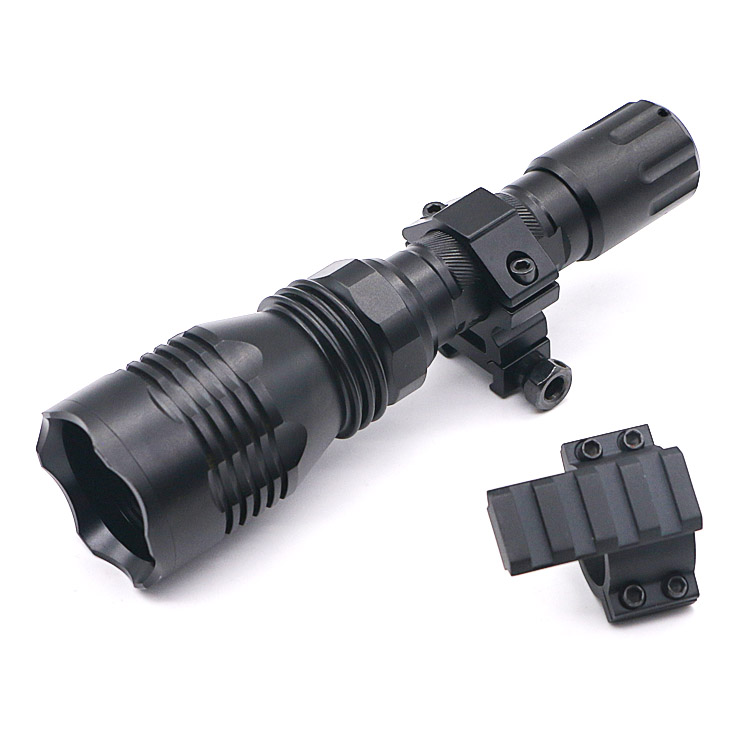
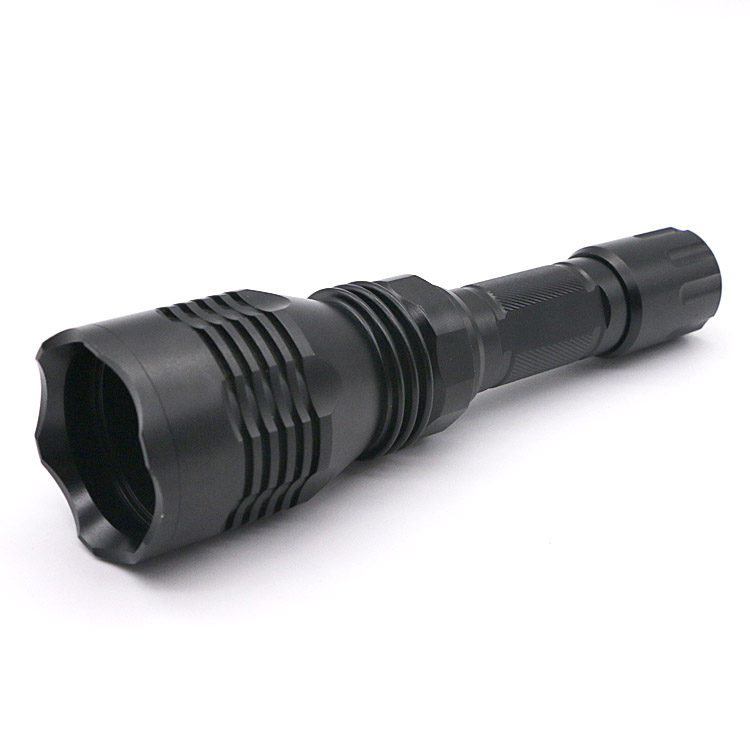
VMT is a CNC machining and manufacturing factory for various electronic equipment casings. With 13 years of experience in CNC machining electronic housings and various types of CNC electronic housing samples, you can send pictures to view and view the factory online, contact us immediately to obtain samples. We can provide you with various types of electronic product casing machining services to meet your customized CNC machining needs.
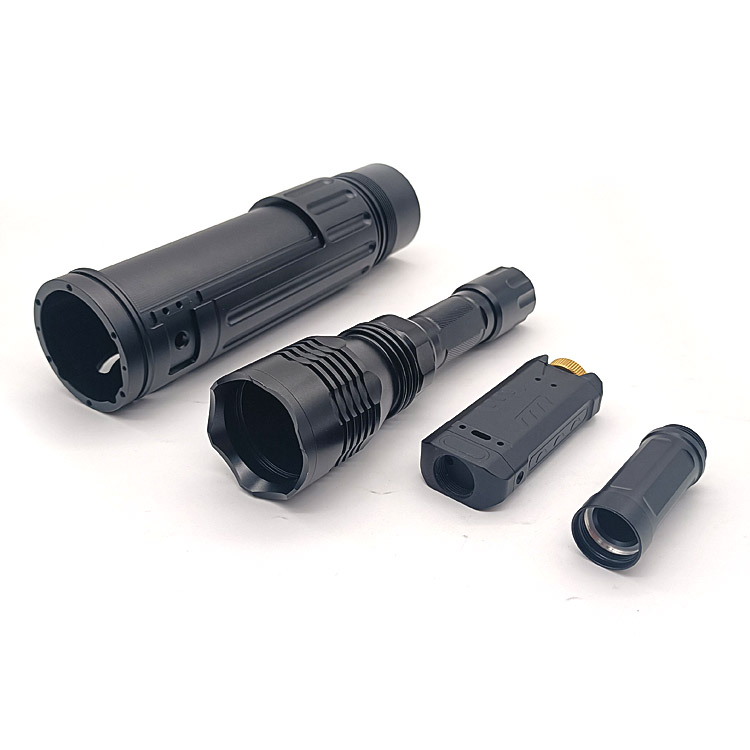
Product Specification:


VMT provides custom CNC flashlight housing machining solutions based on your 2D drawings, 3D files, material requirements, tolerance needs, surface finish, and assembly structure. Aluminum flashlight housing is the most common choice, but we also support stainless steel, brass, copper, titanium, and engineering plastic flashlight parts for custom OEM projects.
A flashlight housing may look like a simple metal tube, but small machining errors can create big product problems. VMT reviews structure, material, machining sequence, fixture method, surface finish, and inspection requirements before production.
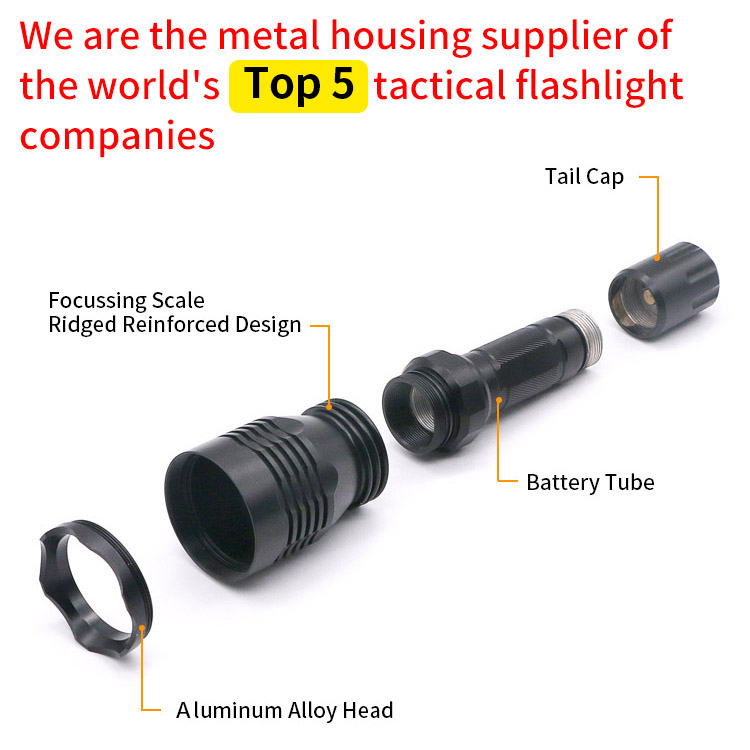
Internal and external threads must assemble smoothly between the flashlight head, battery tube, and tail cap. Poor thread control can cause looseness, jamming, rough rotation, or rework. VMT reviews thread type, wall thickness, machining sequence, tool condition, deburring method, and inspection requirements before production.
Waterproof or sealed flashlight housings often require accurate O-ring grooves. Groove width, depth, burrs, and surface quality can affect sealing design and assembly. VMT focuses on groove machining, edge breaking, deburring, and final inspection according to your drawing requirements.
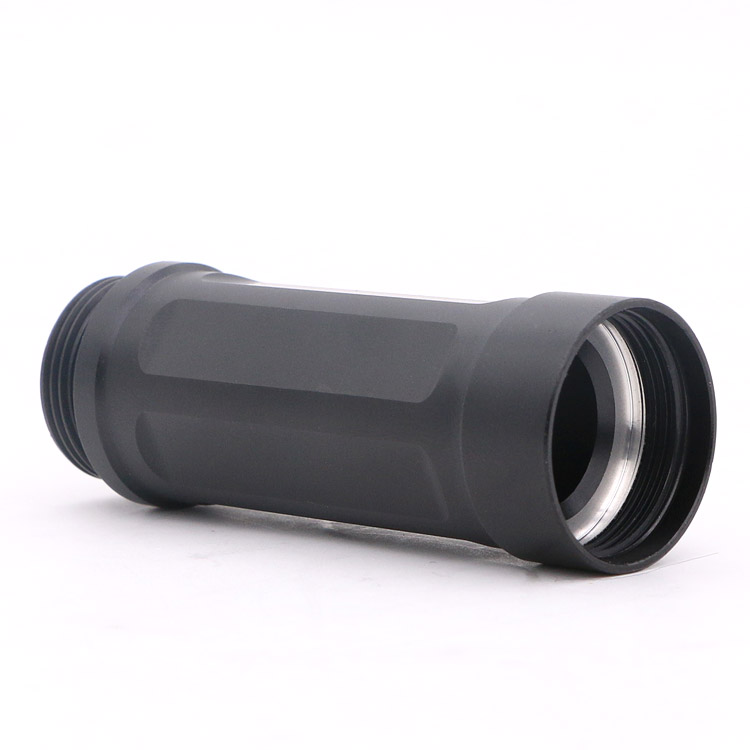
Lightweight flashlight bodies and battery tubes may use thin-wall structures. These parts can deform during clamping, turning, or secondary machining if the process is not controlled. VMT reviews wall thickness, clamping force, machining order, cutting parameters, and inspection points to improve dimensional stability.
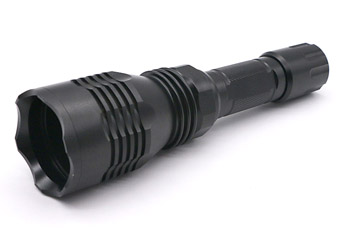
High-power LED flashlight heads may include heat dissipation fins, grooves, or thermal contact areas. Burrs, sharp edges, and tool marks can affect both appearance and assembly. VMT controls machining sequence, cutting strategy, deburring, and surface inspection for heat-related features.
Flashlight housings are visible product parts, so scratches, stains, machining marks, and inconsistent surface preparation can affect the final product value. VMT considers pre-finish surface condition, edge quality, finishing coordination, and final appearance inspection before shipment.
Small errors in switch holes, clip slots, charging ports, lens seats, battery bores, and tail cap interfaces can lead to final assembly issues. VMT helps identify critical dimensions and inspection points before machining to reduce unnecessary rework and rejection.

VMT does not treat flashlight housings as simple tube parts. We review thread structure, wall thickness, O-ring grooves, heat dissipation features, grip texture, surface finish, and inspection requirements before machining.
Our engineering and production process focuses on manufacturability, assembly stability, surface quality, and repeatable production. From prototype validation to batch production, VMT helps you control the details that directly affect product fit, appearance, and reliability.
Each flashlight project has different structure, application, and assembly requirements. VMT machines parts according to your drawings, not standard catalog sizes. All part images are authorized by our customers for display and promotional use.
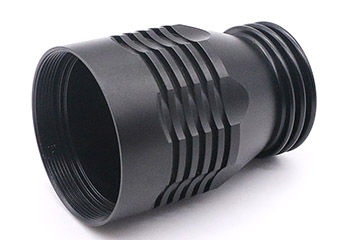
Supports CNC turning, milling, heat fin machining, deburring, and inspection to improve assembly stability and product appearance.
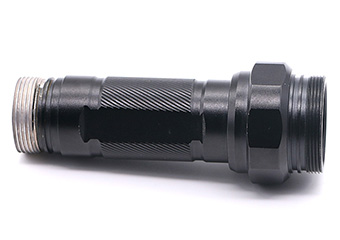
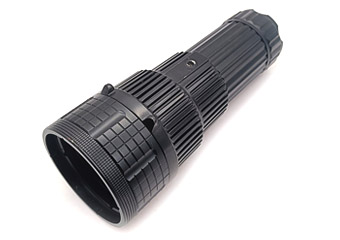
Reviews clamping, boring, turning, threading, knurling, and inspection methods to help reduce deformation and assembly risk.
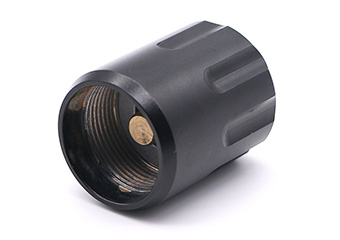
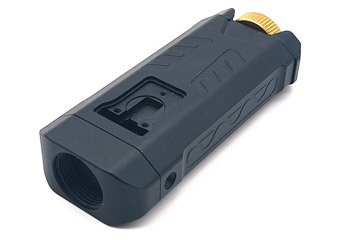
Controls thread machining, cavity machining, deburring, and surface inspection according to your design requirements.
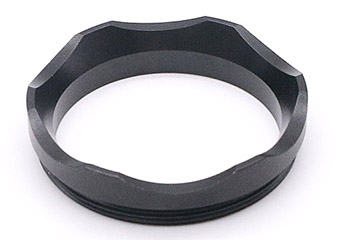
Pays attention to diameter control, contact surfaces, thread relation, edge quality, and visible finish to help improve assembly reliability and product value.
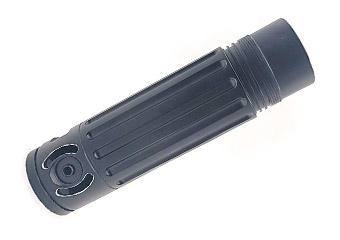
| Product | Application | Concern | VMT Control Method | Result |
|---|---|---|---|---|
| Flashlight Head | LED module, lens seat, heat area | Heat transfer and assembly fit | CNC turning, milling, heat fin machining, inspection | Better thermal structure and assembly stability |
| Battery Tube | Main flashlight body | Lightweight structure and thread fit | Controlled clamping, boring, threading, inspection | More stable battery fit and body assembly |
| Tail Cap | Switch and rear assembly | Thread fit and switch alignment | Thread control, cavity machining, deburring | Smooth assembly and reliable rear structure |
| O-Ring Groove Area | Sealing structure | Groove accuracy and burrs | Groove machining, edge breaking, final inspection | Reduced sealing and assembly risk |
| Knurled Grip Section | Handheld grip | Appearance and hand feel | Knurling process control and surface inspection | Better grip and premium product feel |
| Switch Hole / Charging Port | Functional openings | Hole position and edge quality | Drilling, milling, chamfering, inspection | Cleaner assembly and better appearance |
Material selection affects flashlight weight, strength, heat dissipation, surface finish, hand feel, corrosion resistance, machining cost, and long-term product positioning. Aluminum is the most common choice, but different flashlight designs may require different materials.
| Material | Available Grades / Models | Best For | Concern | VMT Recommendation |
|---|---|---|---|---|
| Aluminum | 6061, 6063, 6082, 7075, 5052 | EDC flashlights, tactical flashlights, outdoor lighting, LED flashlight housings, lightweight flashlight bodies | Weight, heat dissipation, anodizing, cost, and batch appearance | Aluminum should be the first material to consider for most flashlight housings. 6061 is practical for many designs, 6063 is suitable for appearance-focused parts, and 7075 can be reviewed for higher-strength structures. |
| Stainless Steel | 303, 304, 316, 410, 416, 420, 420J2 | Premium flashlight bodies, heavy-duty housings, corrosion-resistant flashlight components | Weight, strength, corrosion resistance, polishing, machining difficulty | Stainless steel is suitable when the customer wants a stronger, heavier, and more premium housing feel. 304 and 316 are often used for corrosion resistance, while 303 and 416 can be reviewed when machinability is important. |
| Brass | C36000, C26000, C38500, CZ121 | EDC flashlight bodies, collectible flashlights, decorative flashlight shells | Premium weight, surface aging, decorative appearance, machining cost | Brass is suitable for flashlight brands that want a heavier hand feel and a distinctive premium appearance. |
| Copper | C11000, C10100, C10200, copper alloy options | High-end flashlight bodies, thermal-focused flashlight heads, decorative EDC flashlights | Thermal performance, oxidation, surface marks, weight | Copper provides good thermal performance and a unique appearance, but it is heavier and can oxidize over time. |
| Titanium | TA1, TA2, TC4 / Grade 5 | High-end EDC flashlights, lightweight premium housings, corrosion-resistant flashlight parts | Material cost, machining difficulty, strength-to-weight ratio | Titanium is suitable for premium flashlight housings that require low weight, high strength, and corrosion resistance. |
| Engineering Plastics | POM, PEEK, PTFE, PA, ABS | Insulating parts, lightweight non-metal flashlight components, internal support parts | Insulation, weight, wear resistance, cost | Engineering plastics can be used for selected non-metal flashlight parts or internal functional components. |
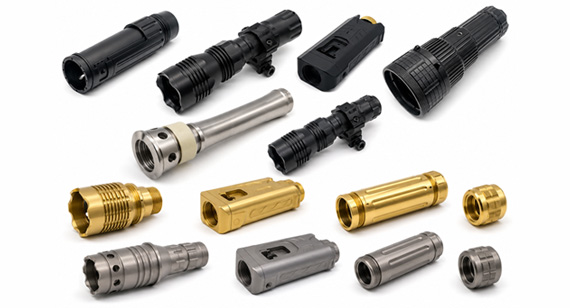
VMT machines custom flashlight housings and related precision parts from different metal materials according to strength, weight, surface finish, and application requirements.
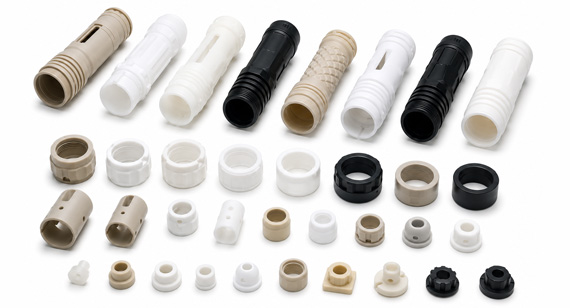
Engineering plastics can be used for selected non-metal flashlight components, insulating parts, internal supports, lightweight structures, and functional accessories.
VMT combines CNC turning, CNC milling, threading, knurling, deburring, surface finishing coordination, and inspection to support custom flashlight housing projects.
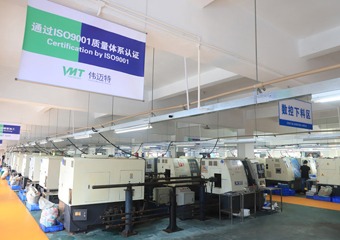
CNC turning is commonly used for flashlight heads, battery tubes, tail caps, internal bores, external profiles, thread areas, and round structural features. It helps create stable cylindrical parts and accurate assembly interfaces.
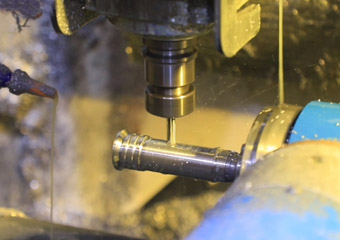
CNC milling is used for clip slots, switch holes, charging ports, flats, grooves, special openings, and multi-face features. It helps increase design flexibility when the flashlight housing is not a simple round tube.
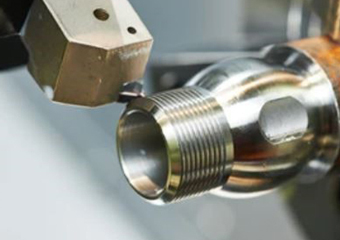
Threading is critical for flashlight heads, tubes, tail caps, bezels, and sealed structures. VMT reviews thread type, fit, wall thickness, tool access, deburring, and inspection requirements to help improve assembly performance.
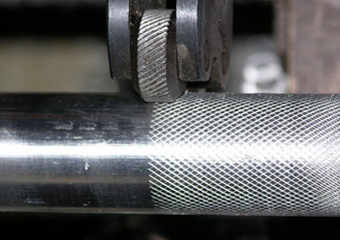
Knurling creates anti-slip grip textures and decorative patterns. Grip texture affects product feel, appearance, and user experience. VMT supports knurling based on your drawing, grip requirement, and surface finish plan.
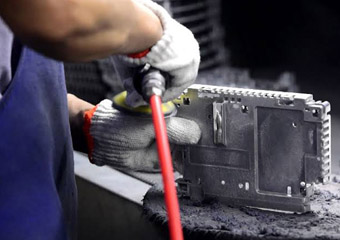
Deburring removes burrs around grooves, holes, threads, heat fins, charging ports, and edges before finishing or assembly. Controlled deburring helps reduce scratching, poor fit, and cosmetic defects.
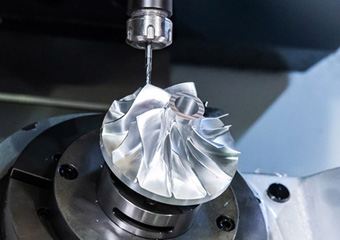
For suitable complex designs, 5-axis machining can support angled structures, multi-face features, reduced repositioning, and better access to difficult surfaces. VMT reviews the part structure before recommending the best machining method.
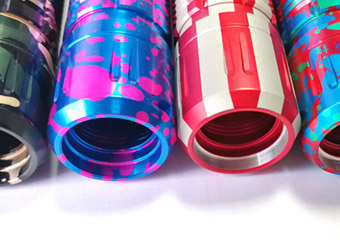
Surface finishing coordination includes anodizing, hard anodizing, sandblasting, brushing, polishing, laser engraving, and other treatments based on your product requirement. VMT considers surface preparation and final inspection before shipment.
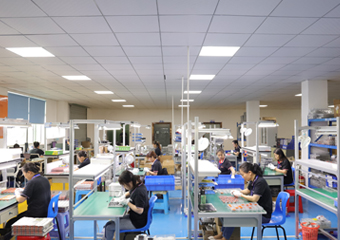
Inspection focuses on critical dimensions, threads, grooves, bores, sealing areas, visible surfaces, and final appearance. Inspection methods can be arranged based on your drawing and project requirements.
Flashlight housings are visible product parts. Surface finish affects durability, brand image, hand feel, corrosion resistance, and final customer perception.
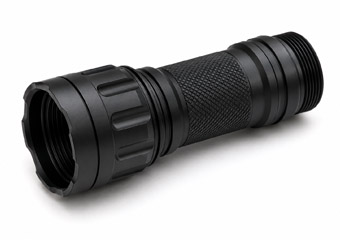
Black anodizing is commonly used for tactical, outdoor, and professional flashlight housings that require a clean dark appearance. Surface preparation, edge condition, and batch consistency should be considered before finishing.
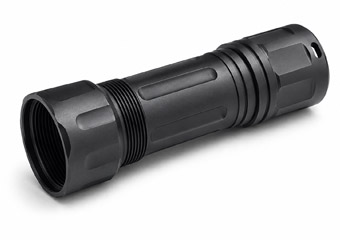
Hard anodizing can be considered when aluminum flashlight housings require better wear resistance and surface durability. Suitability depends on aluminum grade, structure, color expectation, and application requirement.
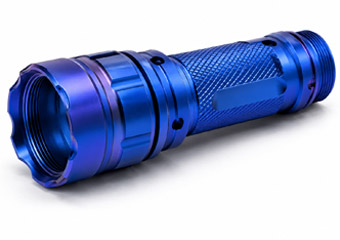
Color anodizing supports EDC, consumer, and brand-focused flashlight products with stronger visual identity. Color consistency should be reviewed according to material, surface condition, and batch requirement.
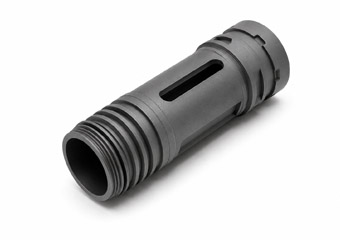
Sandblasting creates a matte surface and helps reduce visible machining marks before anodizing. It is often used when customers want a cleaner, more premium surface texture.
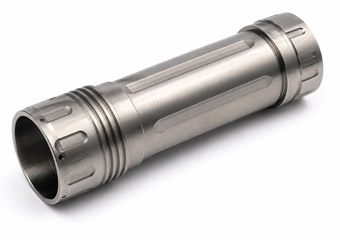
Brushing creates a clean linear metal texture for decorative flashlight body areas. It can help improve the visual value of selected visible surfaces.
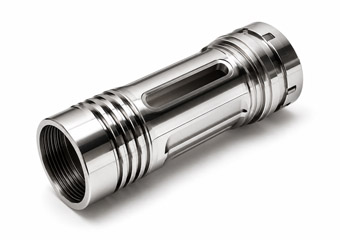
Polishing improves premium appearance for selected visible surfaces before final treatment. It is suitable for decorative flashlight housings, brass bodies, stainless steel bodies, or selected high-end designs.
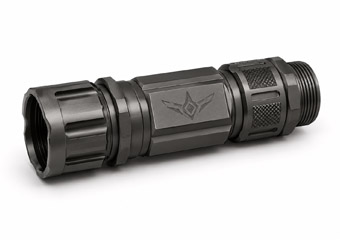
Laser engraving can be used for logos, part numbers, brand marks, serial numbers, and functional markings. Engraving position, depth, surface finish, and visibility should be confirmed before production.
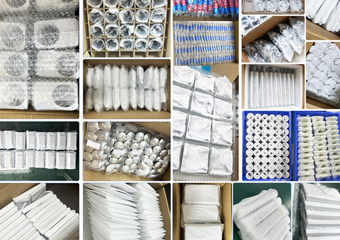
Protective packaging helps reduce scratches and surface damage during shipment. This is especially important for anodized, polished, brushed, or high-cosmetic flashlight housing parts.

VMT controls flashlight housing quality through engineering review, material verification, in-process inspection, critical dimension inspection, surface inspection, thread checks, and final inspection before shipment.
For critical dimensions and assembly features, inspection methods can be arranged based on your drawing requirements. This helps reduce risk before final assembly and mass production.
VMT helps review manufacturability, machining risks, inspection points, and finishing requirements before scaling your flashlight housing project. Prototype validation helps confirm structure, thread fit, assembly performance, appearance, and surface finish before batch production.
Send 2D drawings, 3D CAD files, material grade, surface finish, quantity, tolerance requirements, and critical dimensions. The more complete your RFQ package is, the more accurate the engineering review and quotation can be.
VMT reviews wall thickness, thread structure, O-ring grooves, tool access, material selection, finishing risks, and assembly requirements before machining.
Prototype machining helps validate fit, structure, surface finish, and inspection points. Design issues can be found and improved before mass production.
For batch production, VMT focuses on process repeatability, fixture stability, finishing consistency, final inspection, and protective packaging.
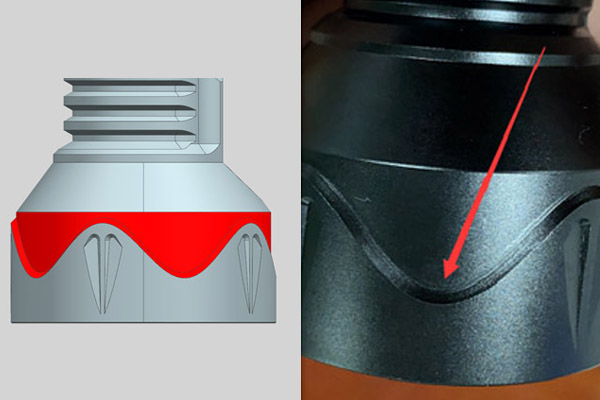
A high-end outdoor tactical flashlight project required an aluminum flashlight head with a more distinctive 3D curved appearance. The part was made from AL6061-T6 and required hard anodizing. The designer used an arc structure to make the flashlight housing look more premium than similar products, but this design also increased machining difficulty and cost.
During the sample stage, VMT first used a 5-axis CNC machining process with 3D curve toolpaths. The sample passed customer confirmation, but the machined surface still needed polishing to remove tool marks. The machining time exceeded 30 minutes, which increased the processing cost by more than 30%.
To improve the production solution, VMT’s programming engineers reviewed machining time, surface effect, toolpath strategy, and production cost. Instead of relying only on the original 5-axis process, VMT designed a custom forming tool and used a 3+2 axis CNC machining method to machine the bottom C angle and side wall in one operation. This helped improve the surface effect, reduce the need for polishing, and shorten machining time by more than 40%.
To receive a more accurate quotation and engineering review, please send your 2D drawings, 3D CAD files, material grade, surface finish, quantity, thread requirements, O-ring groove details, cosmetic requirements, and inspection needs.
VMT can review your flashlight housing structure and help evaluate material selection, machining process, surface finish, critical dimensions, assembly risks, and production feasibility before machining begins.
A: Aluminum offers a good balance of light weight, strength, machinability, heat dissipation, corrosion resistance, finishing options, and cost control. It is practical for many EDC, outdoor, tactical, and LED flashlight housing designs.
A: Yes. VMT machines custom flashlight heads, battery tubes, tail caps, lens seats, O-ring grooves, switch holes, charging ports, clip slots, threads, heat fins, and knurled grip areas based on your drawings.
A: Aluminum is practical for many designs. Stainless steel, brass, copper, titanium, and engineering plastics can also be selected based on application, appearance, weight, strength, corrosion resistance, thermal performance, and cost target.
A: VMT reviews thread type, wall thickness, machining sequence, tool access, and assembly requirements before production. During machining, tooling, cutting parameters, deburring, and inspection are controlled based on your drawing requirements.
A: Yes. VMT can machine O-ring grooves and sealing-related surfaces. Groove width, depth, edge condition, burr control, and surface quality should be confirmed in the drawing or during DFM review.
A: Yes. Hard anodizing can be considered when aluminum flashlight housings require better wear resistance and surface durability. Suitability depends on aluminum grade, part structure, color expectations, and surface requirements.
A: VMT reviews wall thickness, clamping method, machining order, cutting parameters, and inspection points. Controlled clamping and proper machining sequence help improve dimensional stability.
A: Please send 2D drawings, 3D CAD files, material requirements, surface finish requirements, quantity, tolerance notes, critical dimensions, thread details, assembly notes, and inspection requirements.
A: 6061 is practical for many flashlight housings. 6063 can be suitable for appearance-focused parts, while 7075 may be reviewed for higher-strength designs. The final selection should depend on your structure, finish, and application.
A: Yes. Laser engraving can be used for logos, part numbers, brand marks, serial numbers, and functional markings. The engraving area, depth, and surface finish should be confirmed before production.
A good flashlight housing should support heat dissipation, thread assembly, sealing design, battery fit, grip comfort, surface durability, and stable production. Before sending a drawing for quotation, engineers should review wall thickness, thread length, O-ring groove dimensions, heat fin structure, lens seat accuracy, switch hole position, and visible surface requirements.
For prototype projects, focus on structure validation, assembly fit, surface finish, and design adjustment. For mass production, focus on fixture repeatability, inspection planning, surface finish consistency, packaging protection, and batch quality control.
Prototype projects should focus on structure validation, thread fit, assembly performance, surface finish, and design adjustment. Mass production should focus on fixture repeatability, inspection planning, surface finish consistency, packaging protection, and batch quality control.
A reliable flashlight housing project is built through material selection, DFM review, CNC machining control, finishing coordination, and final inspection—not machining alone.
 Related suggestion
Give us a call or send an inquiry to our emailbox, we will answer your doubts according to your customers' requirements, and quote you immediately.


 +86 15099911516