Free cookie consent management tool by TermsFeed Cookies

Home / Product / Aluminum Parts /

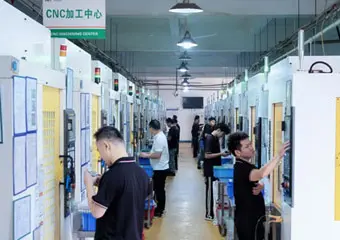
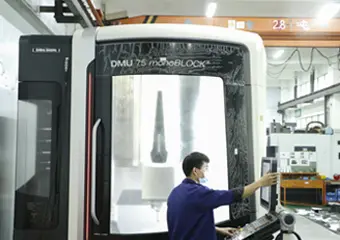
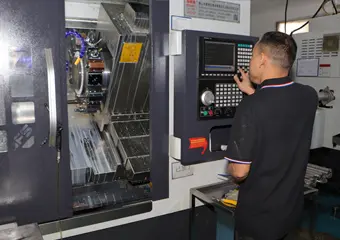
As your aluminum CNC machining manufacturer, we have 40+ aluminum alloy materials, 100 CNC machining equipment, and 12 quality inspection processes. can provide you with a solution tailored to your specific needs.


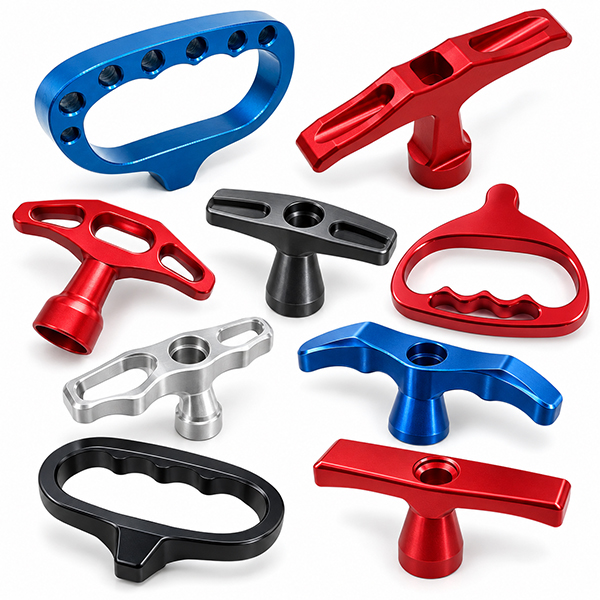
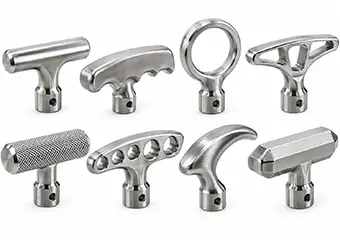
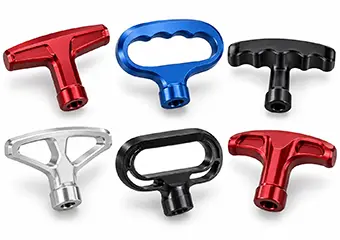
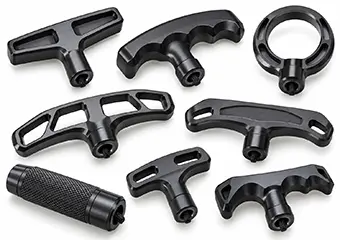
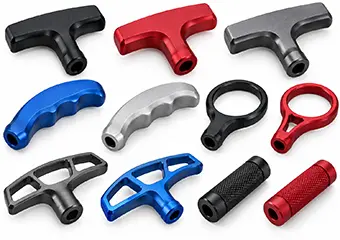
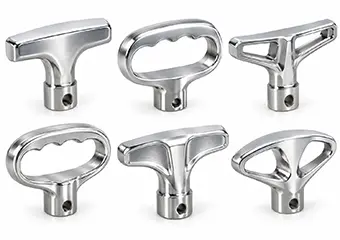
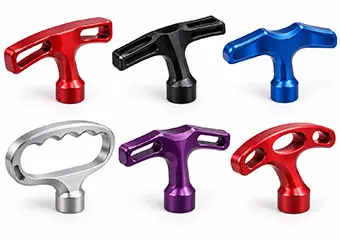
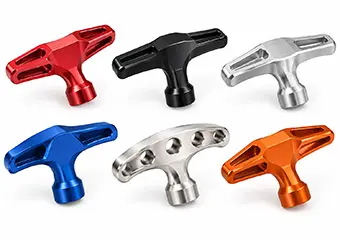
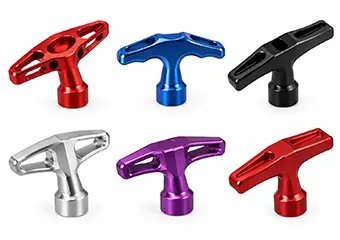
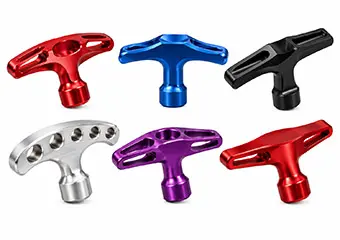
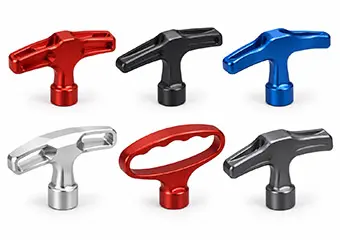
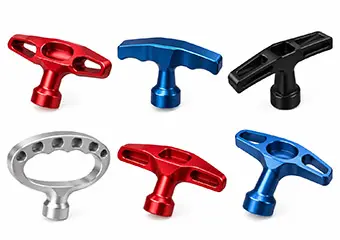
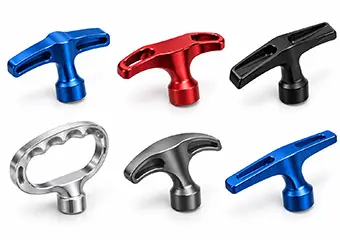
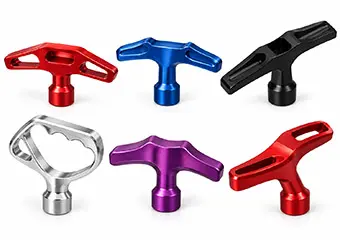
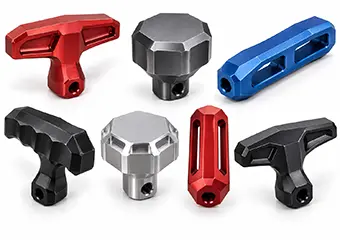
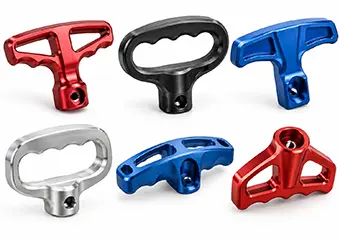
Custom CNC Machined Pull Cord & Pull Start Handle

Custom CNC Machined Pull Cord & Pull Start Handle

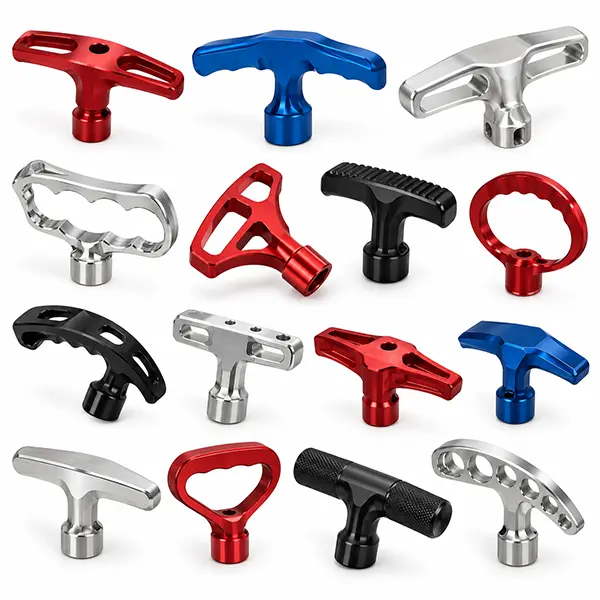
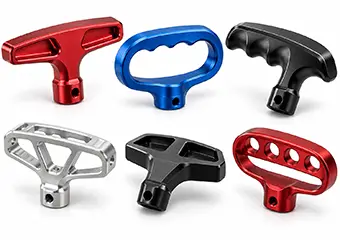
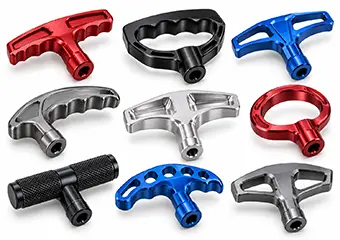
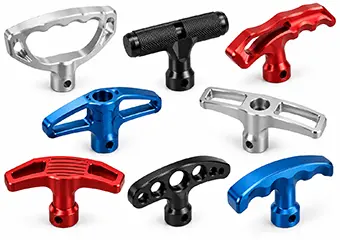
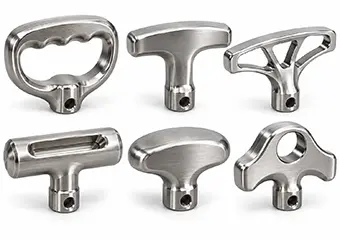
VMT provides custom CNC machining pull cord and pull start handles with DFM review for cord-mount feature control, grip geometry, anodizing and branding, backed by 12-step quality control from prototype to production.

Product Specification:

  • Services : Custom CNC Machined Pull Cord & Pull Start Handle
  • Supply Ability : 100000 Pieces per Month
  • Material:Aluminum(AL 6061-T6, 6063, 7075-T 2014 2017 2011 etc), Stainless Steel(303,304,316L, 17-4(SUS630) etc ), Titanium (TA1,TA2/GR2, TA4/GR5, TC4, TC18 etc), Brass, POM, PEEK, Other Materials. :
  • Surface Roughness : Ra 0.1~3.2
  • Surface Treatment : Customer's Demand, Type II Anodizing, Hard Anodizing, Bead Blasting, Polishing, Brushing, PVD Coating, Powder Coating, Nickel / Chrome Plating, Laser Marking, etc.
  • Tolerance : ±0.005 mm.(Custom Available)
  • Drawing format : CAD file (dwg, dxf, pdf, etc.), 3D File (step, stp, etc), drawing design.
  • Standard or not : Non standard,customized as drawing or sample
Inquiry Now
Product description
Custom Drawing-Based Manufacturing

Custom CNC Machined Pull Cord & Pull Start Handle Manufacturing

VMT manufactures custom CNC pull cord handles, pull start handles and recoil starter handle components from your drawings, CAD models or samples. We focus on the features that directly affect use and purchasing decisions: cord retention, grip geometry, anti-slip texture, edge condition, cosmetic finish and repeatable interface dimensions.

Rope fit, anti-slip grip, rope-contact edges, anodized appearance and repeatable batch dimensions are reviewed as one manufacturing problem before production begins.
100+ CNC Machines Machining Capability to ±0.005 mm* 12-Step Quality Control 100% Critical Feature Inspection* Prototype to Repeat Production

*Capability and inspection scope depend on geometry, material, tolerance and engineering review.

Custom CNC Machined Pull Cord & Pull Start Handle Manufacturing
Function Before Manufacturing

What Matters in a Custom CNC Pull Cord Handle Design?

A pull start handle may appear simple, but rope retention, contact edges, grip geometry, structural sections and surface finishing can directly affect assembly and use. VMT reviews these features against your drawing and application before machining.

01

Rope Retention & Pull-Out Control

The rope hole, knot pocket, retaining cap, slot or clamping feature must work with the selected rope diameter and assembly method. We review these relationships before machining to support secure and repeatable installation.

02

Rope-Contact Edge Control

Sharp transitions around holes and slots can increase cord abrasion. Edge radii, chamfers and deburring requirements are reviewed around rope-contact areas according to your drawing and functional intent.

03

Grip Size & Ergonomic Profile

Grip opening, finger clearance, contour and pulling direction affect handling, especially in outdoor or glove-use applications. CNC machining allows the geometry to follow your specific design rather than a standard molded shape.

04

Load-Bearing Geometry

Thin bridges, abrupt section changes and insufficient radii can create structural or machining risks. VMT reviews critical sections and transitions according to the geometry and application requirements.

05

Starter & Rope Interface Fit

Rope paths, mounting features, mating surfaces and retention structures are machined according to the relationships defined in your drawing so the handle fits the surrounding starter system.

06

Surface Finish & Branding

Anodizing, blasting, polishing and laser marking must be coordinated with functional holes, rope-contact areas and cosmetic surfaces before production.

Structure-Based Product Range

Custom CNC Pull Cord & Pull Start Handle Designs We Machine

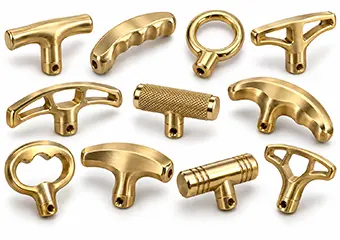
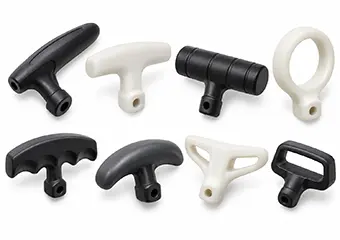
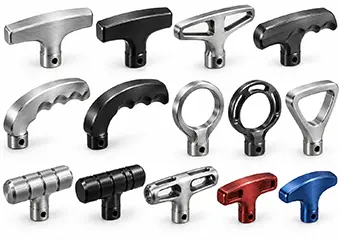
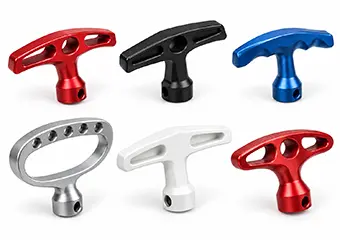
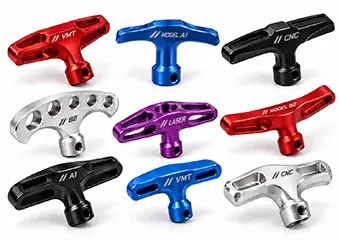
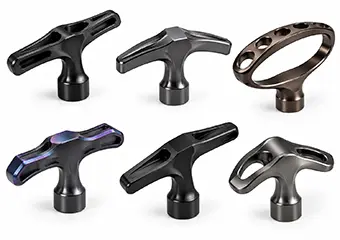
Choose the handle structure that matches your starter system, rope-retention method and grip requirements. VMT machines T-shaped, cylindrical, ergonomic, lightweight, multi-sided, recessed-cord and multi-piece pull handles, with machining planned around cord security, grip comfort, cosmetic surfaces and repeatable assembly.

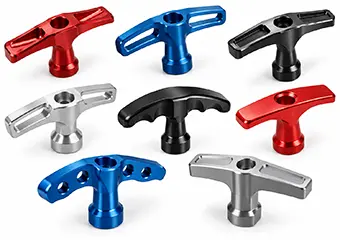
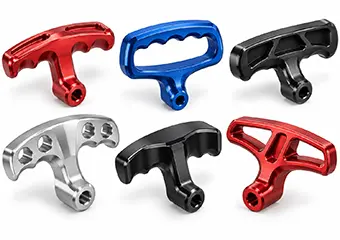
Custom CNC Machined T-Shaped Pull Start Handles

T-Shaped Pull Start Handles

T-shaped handles suit engines, generators and utility equipment; direct pull loading makes grip width, cord position and edge radii important, so VMT machines the main grip and retention features around common datums.

Request a Quote
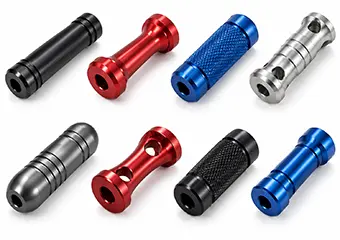
Custom CNC Machined Cylindrical Pull Cord Handles

Cylindrical Pull Cord Handles

Cylindrical handles fit compact recoil systems and can combine turning with milled slots, grooves or chamfers; VMT controls diameter, end features and cord location for repeatable assembly and comfortable handling.

Request a Quote
Custom CNC Machined Ergonomic Pull Start Handles

Ergonomic Pull Start Handles

Ergonomic handles use curved surfaces, fillets and finger contours for repeated pulling; multi-side or 5-axis machining controls sculpted geometry while fixture planning protects visible grip surfaces and functional cord features.

Request a Quote
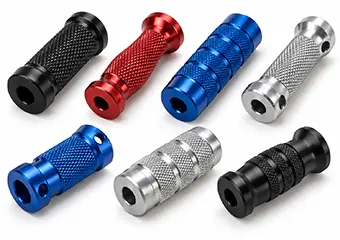
Custom CNC Machined Knurled Grip Pull Handles

Knurled Grip Pull Handles

Knurled or textured grips improve handling with bare hands or gloves; VMT coordinates turning, milling and controlled knurl or anti-slip texture so grip feel, appearance and cord-mount geometry remain consistent.

Request a Quote
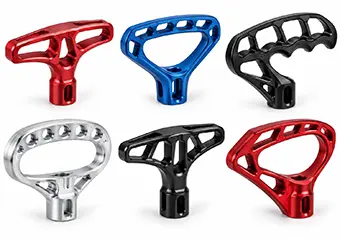
Custom CNC Machined Skeletonized & Lightweight Pull Handles

Skeletonized & Lightweight Pull Handles

Pockets, windows and skeletonized sections reduce mass and create a performance appearance; staged roughing and fixture planning help control thin bridges, open structures and visible edges during repeat machining.

Request a Quote
Custom CNC Machined Multi-Sided CNC Pull Handles

Multi-Sided CNC Pull Handles

Multi-sided handles combine flats, chamfers, angled faces and curved surfaces for branded designs; VMT plans common datums and machining orientations to reduce unnecessary reclamping and protect cosmetic relationships.

Request a Quote
Custom CNC Machined Through-Hole & Recessed Cord-Mount Handles

Through-Hole & Recessed Cord-Mount Handles

Through-holes, recessed knot pockets and hidden cord-retention cavities directly affect rope security and abrasion; VMT treats their diameter, depth, transition radii and edge condition as functional features.

Request a Quote
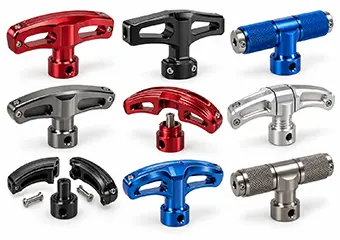
Custom CNC Machined Two-Piece & Custom Assembly Pull Handles

Two-Piece & Custom Assembly Pull Handles

Two-piece handles may use caps, inserts, bushings or special retention parts; VMT controls mating faces, threads, holes and assembly features together so separate components fit and operate as one system.

Request a Quote
DFM Before Cutting Material

DFM Review Before CNC Machining Your Pull Start Handle

DFM is used to turn the drawing into measurable manufacturing controls. VMT reviews the rope interface, grip geometry, datum structure, tool access, finishing allowance and inspection method before machining so the same critical features can be controlled from prototype through repeat production.

±0.005 mmMachining capability on suitable critical features after review
12-StepQuality-control workflow from material to final shipment
Every 2 hIPQC patrol inspection interval during production
100%Critical dimensional / appearance inspection where required
Rope Diameter & Retention Geometry
The rope hole, slot, knot pocket or retaining cavity is identified as a critical feature when it governs pull-out security. Suitable dimensions can be controlled to ±0.005 mm after engineering review and placed in a 100% inspection plan where required, reducing loose fit, pull-through and inconsistent assembly risk.
Rope Entry, Exit & Contact Edges
VMT marks rope-contact edges separately from general cosmetic edges, defines the required radius or chamfer from the drawing, checks burr condition during IPQC every two hours, and verifies critical contact areas again before shipment to reduce sharp-edge and cord-abrasion risk.
Grip Opening & Finger Clearance
Grip width, finger clearance and curved profile are verified on the first article before the batch continues. Profile measurement or CMM can be used where required, while SPC/CPK support is available for suitable repeat-production characteristics so hand feel and glove clearance do not drift unnoticed.
Wall Thickness & Load-Bearing Sections
Thin bridges, windows and lightweight pockets are reviewed before toolpaths are released. Staged roughing, controlled clamping and final finishing after material removal help reduce distortion and preserve the load-bearing sections defined by your drawing instead of relying on final inspection alone.
Internal Radius & Cutter Access
Small internal radii and deep recesses can force very small tools, extra setups and longer cycle times. VMT reviews cutter reach and recommends a manufacturable radius only where function is unaffected, helping reduce unnecessary machining time and broken-tool risk before quotation is finalized.
Datum & Feature Relationships
Cord holes, grip surfaces, mating faces and logo zones are tied back to functional datums before machining. CMM/GD&T verification is available for critical relationships, and key repeat-production characteristics can be supported with CPK targets of 1.68 or higher where the project requires process capability control.
Anodizing & Functional Surface Allowance
VMT coordinates finishing with surface-treatment partners we have worked with for more than 10 years; two surface-finishing engineers and a dedicated SQE oversee process control, while returned parts receive 100% appearance inspection so coating buildup or cosmetic defects are not discovered only after shipment.
Logo, Engraving & Cosmetic Zones
Logo position, laser-marking area, visible surfaces and clamp-contact zones are identified before machining. Critical appearance areas can be inspected 100% against the approved requirement, helping keep branding orientation, anodized appearance and visible-surface quality consistent across repeat orders.

Numerical capabilities apply only where geometry, material, finish and measurement method are suitable and confirmed during engineering review.

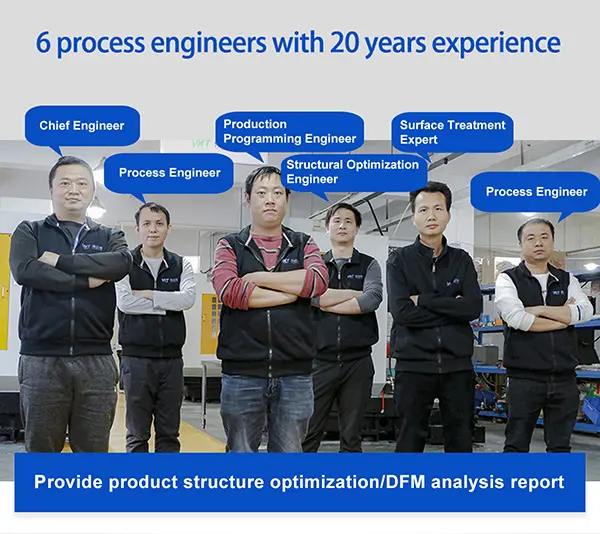
6 People with 20 Years of Experience in DFM Analysis Engineering Support
Process Strategy

CNC Machining Strategies for Custom Pull Cord Handles

Your pull-handle geometry should determine the machining route—not the other way around. VMT combines 3/4-axis milling, 5-axis machining, CNC turning and turn-mill processes to control grip contours, rope-retention features, datums and cosmetic surfaces while reducing unnecessary setups and supporting repeatability from prototype to production.

CNC Milling Services

3 / 4-Axis CNC Milling

Used for most T-shaped, open-frame and multi-sided handles with pockets, cord holes, flats and chamfers, supporting efficient multi-face machining when the datum structure is straightforward.

5 Axis CNC Machining Parts Services

5-Axis CNC Machining

Useful for sculpted ergonomic grips, angled faces and difficult-to-clamp designs where reducing datum transfers can improve contour continuity, rope-feature alignment and visible-surface protection.

Custom CNC Turning Manufacturing Services

CNC Turning

Applied to cylindrical handles, threaded caps, bushings and inserts where diameter, concentricity, grooves and end features must remain stable before secondary milling or assembly.

CNC Milling and Turning Composite Machining

Turn-Mill Machining

Combines turning and milling for compact cylindrical bodies, caps or inserts that require flats, cross-holes, off-axis slots or several features completed with fewer setup changes.

Multi-Sided CNC Machining

Features on different orientations are planned around common datums so grip faces, cord holes and branded surfaces keep their intended relationship with fewer unnecessary transfers.

Grip Contour & Anti-Slip Feature Machining

Curves, finger radii, grooves and knurl-related features are reviewed for tool reach and edge continuity so the grip remains functional without leaving uncontrolled sharp transitions.

Cord-Hole & Retention Feature Machining

Through-holes, recesses and knot pockets are machined as critical functional features, with diameter, depth, position and edge treatment tied to the rope-retention requirement.

Fixture & Datum Optimization

Locating and clamping are planned around functional reference surfaces while avoiding unnecessary contact with visible anodized faces where the design allows.

Staged Roughing & Finishing

For skeletonized or heavily pocketed handles, roughing and final finishing can be separated so critical geometry is completed after the structure becomes more stable.

Cosmetic & Repeat Production Control

Approved toolpaths, fixtures, deburring points and inspection checkpoints are retained for repeat orders to reduce avoidable variation in dimensions and visible surfaces.

Material Selection

Materials for Custom CNC Pull Start Handles

Select the material around the handle’s load, target weight, outdoor exposure, grip feel, surface finish and cost. Each option below links to the corresponding VMT material-machining capability and lets you discuss the same material directly with our engineering team.

Custom CNC Machined 6061-T6 Aluminum Pull Pull Cord & Pull Start Handles

6061-T6 Aluminum

6061-T6 suits lightweight pull handles, combines machinability, strength and corrosion resistance, accepts anodizing or bead-blast anodizing, and gives you cost-efficient prototypes plus consistent cosmetic production.

Custom CNC Machined 7075-T6 Aluminum Pull Pull Cord & Pull Start Handles

7075-T6 Aluminum

7075-T6 suits high-load, weight-sensitive pull handles, provides higher strength-to-weight performance, accepts anodizing or hard anodizing, and helps you reduce section mass without sacrificing structural confidence.

Custom CNC Machined 6063 Aluminum Pull Pull Cord & Pull Start Handles

6063 Aluminum

6063 aluminum suits appearance-focused pull handles and extruded blanks, offers excellent surface quality and corrosion resistance, anodizes uniformly, and helps you achieve clean branded finishes with efficient machining.

Custom CNC Machined 304 Stainless Steel Pull Pull Cord & Pull Start Handles

304 Stainless Steel

304 stainless steel suits durable industrial pull handles, combines strength and general corrosion resistance, supports brushing, polishing or passivation, and gives you robust assemblies where added weight is acceptable.

Custom CNC Machined 316 Stainless Steel Pull Pull Cord & Pull Start Handles

316 Stainless Steel

316 stainless steel suits marine or humid-environment pull handles, improves chloride corrosion resistance, accepts polishing or passivation, and helps you extend service life where moisture exposure is more demanding.

Custom CNC Machined Brass Pull Pull Cord & Pull Start Handles

Brass

Brass suits premium, decorative or compact pull handles, machines efficiently with good dimensional stability, supports polishing or plating, and gives you a distinctive appearance with reduced secondary machining effort.

Custom CNC Machined Titanium Grade 5 Pull Cord & Pull Start Handles

Titanium Grade 5

Titanium Grade 5 suits premium lightweight pull handles, combines high strength-to-weight performance with corrosion resistance, supports bead blasting or PVD, and gives you durability with lower mass.

Custom CNC Machined POM Engineering Plastic Pull Cord & Pull Start Handles

POM / Engineering Plastic

POM suits lightweight non-metal pull handles, offers low friction, toughness and moisture resistance, usually needs no coating, and gives you comfortable handling with economical machining for functional prototypes.

Appearance + Function

Surface Finishes & Branding for Custom Pull Cord Handles

Pull handles are frequently touched and visually exposed, so the finish must support grip, wear resistance, corrosion protection and brand appearance without compromising rope holes, threads or mating areas.

Custom CNC Machined Type II Anodizing Pull Cord & Pull Start Handles

Type II Anodizing

Provides corrosion protection and color for aluminum handles while preserving a clean branded appearance; functional holes, threads and rope-contact areas are reviewed before finishing.

Custom CNC Machined Hard Anodizing Pull Cord & Pull Start Handles

Hard Anodizing

Used where higher surface wear resistance is required; coating buildup is reviewed around cord holes, threads and mating features so finished dimensions remain compatible with the drawing.

Custom CNC Machined Bead Blast and Anodizing Pull Cord & Pull Start Handles

Bead Blast + Anodizing

Creates a uniform matte finish for consumer and powersports handles; blasting consistency, edge protection and anodizing color are coordinated to reduce visible variation between batches.

Custom CNC Machined Polishing Pull Cord & Pull Start Handles

Polishing

Supports a brighter premium appearance, but polishing can change edges and dimensions; VMT reviews visible surfaces and functional zones before treatment to protect critical geometry.

Custom CNC Machined Brushing Pull Cord & Pull Start Handles

Brushing

Adds a directional metallic texture to selected visible faces; grain direction, edge transitions and handling protection are defined so the finish remains consistent after assembly.

Custom CNC Machined Powder Coating Pull Cord & Pull Start Handles

Powder Coating

Offers durable color on suitable metal handles; coating thickness and masked zones are planned around threads, inserts, cord interfaces and tight assembly features before production.

Custom CNC Machined Laser Marking & Engraving Pull Cord & Pull Start Handles

Laser Marking & Engraving

Adds logos, model numbers or identification without changing the basic structure; marking position and orientation are checked against the final visible surface and assembly direction.

Custom CNC Machined PVD DLC Coating Pull Cord & Pull Start Handles

PVD / DLC Coating

Thin functional coatings can be evaluated where wear, friction or premium appearance matters; substrate condition, coating thickness and process compatibility are reviewed before applying them to critical interfaces.

Functional Areas We Review Before Finishing

Rope-contact holes and slots, threads, mating faces, insert locations, pin holes and logo zones may require masking, dimensional allowance or post-finish reinspection depending on the drawing.

Rope ContactThreadsMating AreasInsert / Pin HolesBranding ZonesPost-Finish Inspection
Inspection Around Function

Critical Dimensions & Inspection for Custom Pull Start Handles

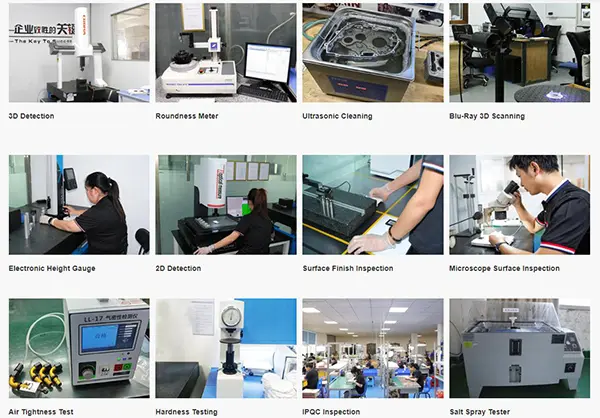
Inspection should prove the features that affect rope retention, grip feel, assembly and appearance. VMT combines first-article checks, IPQC every two hours, final inspection and project-specific 100% inspection of critical characteristics where required.

Quality Inspection of CNC Machined Parts in VMT CNC Machining Factory

Inspection method and numerical capability depend on the drawing, geometry, material, finish and agreed measurement plan.

Rope Hole / Retention Geometry
Customer Risk

Loose fit, difficult assembly or rope pull-through.

VMT Control

Pin gauge, caliper or CMM; 100% inspection when specified critical.

Measurable Result

Suitable machined dimensions can reach ±0.005 mm after review.

Grip Opening & Overall Profile
Customer Risk

Inconsistent hand feel or glove clearance.

VMT Control

First article verification + IPQC patrol checks every 2 hours.

Measurable Result

Profile is verified before the batch continues.

Datum / Mating Features
Customer Risk

Poor starter or insert alignment.

VMT Control

CMM / dimensional report according to GD&T and drawing datums.

Measurable Result

SPC / CPK support available; key process capability ≥1.68 where required.

Threads / Inserts / Pins
Customer Risk

Assembly rework or loose secondary components.

VMT Control

Thread gauges, pin gauges or mating-part verification.

Measurable Result

Critical assembly features can be included in 100% inspection.

Rope-Contact Edges
Customer Risk

Burrs or sharp transitions accelerate cord wear.

VMT Control

Defined radius / chamfer check plus visual edge inspection.

Measurable Result

Critical rope-contact edges rechecked before shipment.

Cosmetic Surfaces
Customer Risk

Scratches, dents or inconsistent visible machining marks.

VMT Control

Protected handling + final visual inspection.

Measurable Result

Critical appearance features are 100% inspected.

Anodized / Coated Finish
Customer Risk

Color, texture or coating variation after machining.

VMT Control

2 surface engineers + dedicated SQE + return inspection.

Measurable Result

100% appearance inspection after surface-finishing return.

Logo / Engraving
Customer Risk

Wrong position, orientation or inconsistent branding.

VMT Control

Visual and positional check against approved requirement.

Measurable Result

Branding is verified before packaging.

Final Functional Fit
Customer Risk

Part passes dimensions but fails real assembly.

VMT Control

Gauge, mating part or assembly-fit check when supplied / agreed.

Measurable Result

Functional relationship confirmed before release where applicable.

Representative Applications

Applications for Custom CNC Pull Start Handles

Application affects grip size, rope retention, corrosion exposure, appearance and assembly requirements. Each card below leads directly to a project discussion rather than a standard-product purchase.

Custom CNC Machined Pull Cord & Pull Start Handles for Snowmobiles & Cold-Weather Powersports

Snowmobiles & Cold-Weather Powersports

Larger grip clearance, secure rope retention and durable finishing are important for outdoor and glove-use conditions.

Discuss Your Application
Custom CNC Machined Pull Cord & Pull Start Handles for ATV, UTV & Off-Road Equipment

ATV, UTV & Off-Road Equipment

Robust grip structures, secure rope interfaces and finishes suited to frequent outdoor handling are common priorities.

Discuss Your Application
Custom CNC Machined Pull Cord & Pull Start Handles for Motorcycles & Small Powersports

Motorcycles & Small Powersports

Compact installation space can make grip geometry, rope features and visible finish quality equally important.

Discuss Your Application
Custom CNC Machined Pull Cord & Pull Start Handles for Small Engines & Outdoor Power Equipment

Small Engines & Outdoor Power Equipment

Custom starter layouts may require specific rope diameters, retention geometry and branded equipment appearance.

Discuss Your Application
Custom CNC Machined Pull Cord & Pull Start Handles for Generators & Portable Power Systems

Generators & Portable Power Systems

Reliable assembly, practical grip geometry and repeatable OEM production are typical sourcing priorities.

Discuss Your Application
Custom CNC Machined Pull Cord & Pull Start Handles for Lawn, Garden & Utility Equipment

Lawn, Garden & Utility Equipment

CNC machining supports custom grip profiles where molded handles do not meet interface, durability or branding requirements.

Discuss Your Application
Custom CNC Machined Pull Cord & Pull Start Handles for Marine & Portable Engine Systems

Marine & Portable Engine Systems

Material and finish selection should be reviewed when moisture, chloride exposure or corrosion resistance matters.

Discuss Your Application
Custom CNC Machined Pull Cord & Pull Start Handles for Custom Industrial Pull-Start Systems

Custom Industrial Pull-Start Systems

Non-standard equipment can use fully customized handles and rope-interface structures based on drawings, samples or mating-system data.

Discuss Your Application
Scale Without Losing Process Logic

From Pull Start Handle Prototype to Repeat CNC Production

The prototype stage should verify not only the part, but also the machining sequence, workholding, finishing route and inspection method that will be carried into repeat production.

01Drawing & Application Review
02DFM & Process Planning
03Prototype CNC Machining
04Fit, Function & Finish Validation
05Process Stabilization
06Repeat Production
Published VMT Motorcycle CNC Machining Case

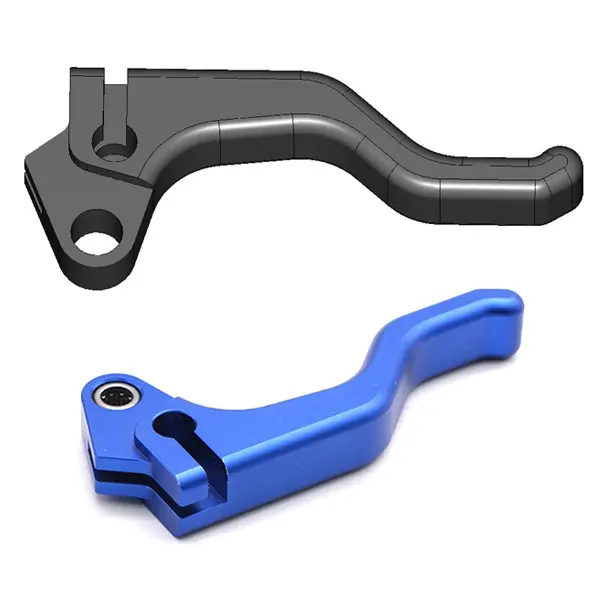
Case Study: 2,500-Piece 6061-T6 CNC Motorcycle Brake & Clutch Levers

A 2,500-piece custom motorcycle lever project required VMT to control both visible curved geometry and a functional bearing interface. The manufacturing route combined 6061-T6 aluminum extrusion with CNC machining, with the published project recording a 7-day delivery time.

6061-T6Material
2,500 pcsProduction quantity
Extrusion + CNCManufacturing route
7 daysPublished delivery time
Project Background

The published case identifies the client is a U.S. manufacturer of motorcycle parts. After an NDA was signed, the customer supplied 3D files and reviewed VMT's company profile and equipment list before moving the project forward.

Customer Part Challenges

The foldable brake and clutch lever had two requirements that had to be solved together: the curved handle R-angle needed a clean cosmetic appearance, while the bearing had to be press-fitted with a tight mating relationship because bearing fit affected brake sensitivity and functional response.

VMT Manufacturing Solution

VMT's engineering team reviewed the 3D files and technical requirements directly with the customer, then selected an extrusion + CNC machining route for the 6061-T6 lever. Prototype support and VMT's engineering, business and production follow-up were used to keep machining requirements, bearing-fit requirements and delivery progress aligned throughout the project.

Project Result

The published case records production of 2,500 pieces in 6061-T6 aluminum with a 7-day delivery time. The project was planned around the customer's two acceptance priorities: a visually clean curved R-angle and a tightly matched press-fit bearing interface for reliable brake operation.

Custom CNC Machining Aluminum Motorcycle Foldable Brake Clutch Levers
Measured Manufacturing Support

Manufacturing & Quality Support for Custom Pull Start Handle Projects

Instead of generic “high quality” claims, these controls show how VMT reduces the risks buyers actually face: dimensional drift, hidden burrs, inconsistent finishing, assembly problems and unstable repeat orders.

100+ CNC Machines for Flexible Routing

3/4-axis milling, 5-axis machining, turning and turn-mill capability let the process follow the handle geometry instead of forcing every structure into one setup, supporting prototypes and repeat-production capacity.

±0.005 mm Capability Where Suitable

For suitable critical features after engineering review, VMT machining capability can reach ±0.005 mm, helping buyers control rope holes, locating features and assembly interfaces without applying unnecessary tight tolerances everywhere.

12-Step QC: IQC → IPQC → FQC → OQC

Quality control spans incoming material, machining, finishing return, final inspection and shipment, so defects can be contained before they move into the next process or reach assembly.

IPQC Patrol Checks Every 2 Hours

Work-in-progress parts are reviewed during production instead of waiting until final inspection, helping detect tool wear, dimensional movement or process drift before a large quantity is affected.

100% Critical Dimension & Appearance Inspection

Critical dimensions and appearance characteristics can be fully inspected according to the agreed plan, while full-dimensional reports, thread checks and other records can be supplied when required.

Surface-Finish Control Beyond Outsourcing

VMT works with surface-finishing partners with 10+ years of cooperation; two finishing engineers plus a dedicated SQE follow process control, and returned parts receive 100% appearance inspection.

CPK ≥1.68Support for suitable key repeat-production characteristics
CMMGD&T / datum verification support
2 YearsInspection report retention stated in VMT QA system
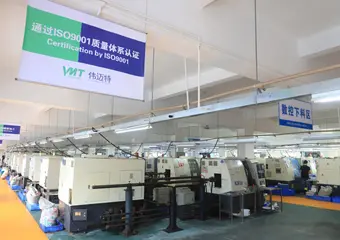
ISO 9001Quality-management system support

Project-specific tolerances, inspection frequency, capability indices and documentation are confirmed after drawing review.

Customer Trust

What Customers Say About Working with VMT

These customer messages were sent after projects were completed or delivered. They show the outcomes buyers care about when choosing a long-term manufacturing partner: work completed well, satisfaction with the finished result, secure packaging and confidence to cooperate again.

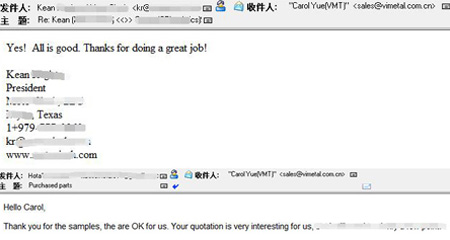
Customer Reviews - Drawing Compliance & Sample Approval

A Job Done Well

“Yes! All is good. Thanks for doing a great job!”

The customer’s message confirms that the completed work and overall cooperation met expectations after the project was finished.

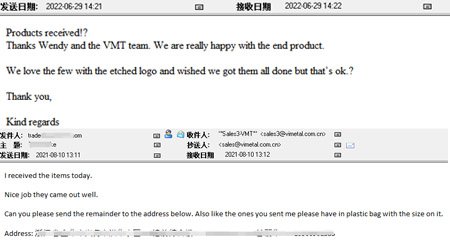
Customer Reviews - Finished product delivery

Happy With the Finished Product

“Products received! Thanks Wendy and the VMT team. We are really happy with the end product.”

For buyers, the real result is not one isolated dimension—it is receiving a finished product they are satisfied with after machining, finishing and delivery.

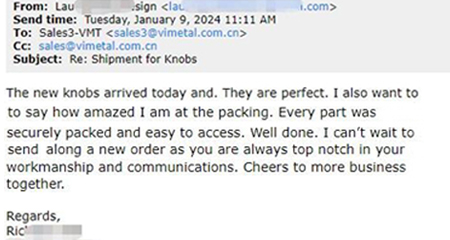
Customer Reviews – Packaging, Workmanship, Communication & Delivery

Packaging & Delivery Confidence

“They are perfect. I also want to say how amazed I am at the packing. Every part was securely packed and easy to access.”

Protective packaging helps preserve machined and cosmetic surfaces after final inspection, so the condition approved at VMT is the condition the customer receives.

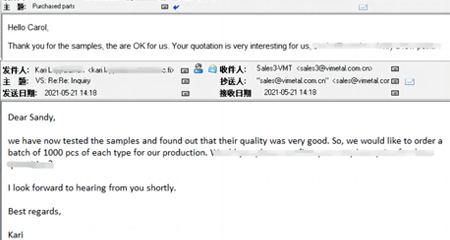
customer review sample 1000pcs

Quality, Service & Repeat Cooperation

“Perfect products, perfect service and perfect company, look forward to our next cooperation.”

Repeat-cooperation intent reflects the full sourcing experience—product quality, communication, service and delivery working together.

Buyer Questions

Frequently Asked Questions About Custom CNC Pull Start Handles

These answers focus on the decisions that still create risk after the drawing exists: structure reconstruction, rope retention, material choice, curved grip machining, finishing, branding, corrosion exposure and batch repeatability.

Q: Can you reproduce a pull start handle from an existing sample if the original drawing is incomplete?
A: Yes, a sample can be used as a geometry reference, but VMT will not simply copy visible dimensions and assume the rest. We review rope diameter, retention method, mating features, material, finish and any functional clearances, then confirm which dimensions must be measured or rebuilt into a controlled drawing before production.
Q: How do you prevent the rope hole or retention feature from becoming the weak point of the handle?
A: VMT treats the rope interface as a functional feature rather than a secondary drilled hole. During DFM we review diameter, wall thickness around the hole, pull direction, recessed pocket geometry, edge radius and nearby lightweight features; critical dimensions can be placed in a 100% inspection plan where required so fit and edge condition are verified before shipment.
Q: Which material is better for a pull start handle: 6061-T6, 7075-T6 or stainless steel?
A: 6061-T6 is usually the balanced choice for lightweight, machinability, anodizing and cost; 7075-T6 is more suitable when higher strength-to-weight performance justifies the material cost; 304/316 stainless steel suits projects where corrosion resistance, wear or a heavier premium feel matters more than minimum mass. VMT reviews the actual section thickness, environment and finish before recommending a route.
Q: Can ergonomic curves, finger grooves and knurled grips be machined repeatably?
A: Yes. Depending on the structure, VMT uses 3/4-axis milling, 5-axis machining, CNC turning or turn-mill processes. The main control is not only machine capability: common datums, fixture contact areas, tool reach and the order of roughing versus final contour finishing are defined so curved grip surfaces and anti-slip features can be repeated without damaging visible areas.
Q: How do you keep anodizing or other coatings from changing functional holes and mating features?
A: Functional areas are identified before surface treatment, not after. VMT coordinates masking, machining allowance and post-finish reinspection with finishing requirements; we work with surface-treatment partners with more than 10 years of cooperation, two surface engineers and a dedicated SQE, and returned parts receive 100% appearance inspection before release.
Q: Can our logo, model number or brand color be controlled across repeat orders?
A: Yes. Logo location and orientation are tied to the drawing or approved sample, and laser marking is planned after considering the final visible face and anodized surface. For repeat orders, approved process information, cosmetic references and inspection checkpoints are retained so branding is not treated as a new interpretation every batch.
Q: What should we consider for marine, snowmobile or other outdoor pull-start applications?
A: Outdoor exposure changes the material and finish decision. 316 stainless steel may be more suitable for chloride-rich or humid environments, while aluminum can provide lower weight with anodizing or hard anodizing. Grip clearance, glove use, moisture exposure, rope material and coating wear should be included in the RFQ so VMT can review the whole operating condition rather than only the CAD geometry.
Q: How does VMT control batch repeatability after the first sample is approved?
A: VMT carries the approved machining route, fixture logic, critical inspection points and finishing requirements into repeat production. The quality system uses 12 inspection steps, IPQC patrol checks every two hours, CMM support for critical geometry, and SPC/CPK support for suitable key characteristics with CPK targets of 1.68 or higher where the project requires process-capability monitoring.


RFQ Preparation

What Should You Send Us for a Custom Pull Start Handle Quote?

The more clearly the functional and cosmetic requirements are defined, the more accurately the machining process, inspection plan and quotation can be reviewed.

Information Why It Matters
2D Drawing Dimensions, tolerances and critical features
3D CAD Model Contours, cavities and machining access
Physical Sample Reference for an existing design
Material Strength, weight, machining and finishing
Rope Diameter / Starter Interface Rope hole, retention and assembly review
Surface Finish / Color Finishing and masking planning
Logo / Engraving Branding process and position
Prototype + Production Quantity Process and fixture planning
Critical Dimensions Inspection priorities
Packaging Requirements Cosmetic surface protection
Engineering Guide

Engineering Guide to Custom CNC Pull Cord & Pull Start Handle Manufacturing

This guide is written for engineers, product developers and buyers who need to turn a pull-handle concept into a manufacturable, inspectable and repeatable CNC project—not just choose a material name.

Read Full Engineering Guide

A pull cord handle looks simple because it has few parts, but the manufacturing risk is concentrated in a small number of features: the rope must stay retained, contact edges must not damage the cord, the grip has to feel right, lightweight pockets cannot weaken the structure, visible surfaces must survive finishing, and the approved sample has to be repeatable in production. The best RFQ therefore defines function, geometry, material, finishing and inspection as one system.

1. Start With the Handle Structure, Not the Industry Name

“Snowmobile handle,” “generator handle” or “motorcycle pull handle” describes the application, but it does not tell a machinist how the part should be produced. For manufacturing, the useful questions are structural: Is the grip T-shaped or cylindrical? Is the rope tied through a hole, hidden in a recessed pocket or captured by a second component? Does the handle use thin skeletonized windows, a heavy solid grip, a knurled cylinder or an ergonomic sculpted form?

Classifying the project by structure helps identify the likely process before quotation. A cylindrical grip may begin on a lathe, a multi-sided billet handle may suit 3/4-axis milling, and a sculpted ergonomic grip may justify 5-axis machining if it reduces re-clamping or protects datum relationships.

Buyer takeaway: send the CAD model together with the application. The application tells VMT what the handle must survive; the structure tells us how it can be manufactured.

2. Design the Rope-Retention Feature as a Functional Interface

The rope interface is usually the highest-risk detail because a visually perfect handle can still fail if the rope slips, pulls through or is cut by a sharp edge. Common designs include through-holes, knot pockets, recessed cavities, side slots, threaded caps and two-piece clamping arrangements.

Dimensions worth defining on the drawing

  • Rope diameter or the allowed rope-diameter range.
  • Hole / slot diameter and positional tolerance.
  • Retention-pocket depth and width where a knot is hidden inside the handle.
  • Wall thickness around the hole and between the pocket and outer surface.
  • Required edge radius or chamfer at the rope entry and exit.
  • Pull direction if the rope changes direction through the handle.

VMT can classify these as critical features during DFM and place them into the inspection plan. Suitable machined features can be controlled to ±0.005 mm after engineering review, while critical dimensions can be 100% inspected where required.

3. Grip Geometry Controls Comfort, Tool Access and Cost at the Same Time

Grip width, finger clearance and edge radius determine how the part feels in the hand, but the same geometry also determines cutter access and fixture strategy. Deep finger grooves and very small internal radii can force small tools and long cycle times; wide open-frame designs can become difficult to clamp after rough machining; a knurled cylindrical grip may be economical on a lathe but expensive if the same texture is specified on a complex 3D surface.

For glove-use applications, the designer should verify the real finger opening with the intended glove rather than relying only on CAD aesthetics. For repeated bare-hand pulling, abrupt edge transitions should be avoided at the contact zones. If a radius is cosmetic rather than functional, increasing it to accept a larger cutter may reduce cycle time without changing the user experience.

4. Choose Material by Load, Weight, Environment and Finish

Material Why Buyers Choose It Main Trade-Off Typical Finish Direction
6061-T6 Aluminum Balanced weight, machinability, corrosion resistance and cost Lower strength than 7075-T6 Type II anodizing, bead + anodizing, polishing
7075-T6 Aluminum Higher strength-to-weight for thin or performance-oriented structures Higher material cost and different anodizing response Anodizing / hard anodizing after review
6063 Aluminum Good cosmetic surface quality and compatibility with extrusion-based blanks Not selected for maximum strength Decorative anodizing
304 Stainless Steel Durability and general corrosion resistance Heavier and slower to machine than aluminum Brushing, polishing, passivation
316 Stainless Steel Better chloride / marine corrosion resistance More difficult machining and higher cost Polishing or passivation
Brass Machinability, tactile weight and premium natural color Higher density Polishing or plating
Titanium Grade 5 High strength-to-weight and corrosion resistance Higher material and machining cost Bead blasting, PVD where appropriate
POM Lightweight, low friction and economical functional prototypes Lower stiffness / temperature capability than metals Usually used without coating

The material decision should be made before the cosmetic finish is locked. For example, aluminum is usually the easiest path to low weight plus colored anodizing, while 316 stainless steel may be the better choice when a marine environment is more important than minimum mass.

5. Match the CNC Route to the Geometry

Most pull handles can be produced with a combination of milling and turning. The key is to avoid paying for a complex machine when the geometry does not need it—and to avoid too many separate setups when a more capable machine can preserve datums and visible surfaces.

  • 3/4-axis milling: efficient for T-shaped, multi-sided, pocketed and open-frame billet handles.
  • 5-axis machining: useful for sculpted ergonomic grips, angled features and parts where repeated re-clamping would disturb surface continuity or datum relationships.
  • CNC turning: efficient for cylindrical handles, threaded caps, inserts, bushings and concentric features.
  • Turn-mill: useful when a cylindrical part also needs flats, cross-holes or milled slots in the same process route.

For skeletonized parts, VMT may separate roughing and final finishing. Heavy material removal happens first, then the part is rechecked and the critical grip / rope features are finished after the structure is more stable. Fixture contact is also planned away from the most visible anodized faces where possible.

6. Surface Finishing Must Be Planned Before Final Dimensions Are Released

Type II anodizing, hard anodizing, bead blasting, polishing, brushing, powder coating, laser marking and PVD/DLC can all change how the part should be machined or handled. Hard anodizing and powder coating add thickness; polishing can remove material from edges; blasting can change texture; marking needs a known visual orientation; coating on a rope hole or thread may change fit.

VMT coordinates finishing with partners we have worked with for more than 10 years. Two surface-finishing engineers and a dedicated SQE follow process control, and parts receive 100% appearance inspection after returning from finishing. For critical interfaces, the drawing should clearly identify masked areas, dimensions that apply after finishing, and any features that need post-finish reinspection.

7. Build the Inspection Plan Around Failure Modes

A good inspection plan does not measure everything with the same instrument. It identifies what can actually cause the customer a problem and selects the appropriate method.

Feature Failure Risk Typical Verification
Rope hole / pocket Loose rope, pull-through, difficult assembly Pin gauge, caliper, CMM or 100% critical inspection
Grip profile Inconsistent feel / glove clearance First article + profile / dimensional checks
Datums / mating features Assembly mismatch CMM / GD&T report where required
Threads / inserts Rework or loose assembly Thread / pin gauges and fit checks
Rope-contact edges Cord abrasion Radius / chamfer verification plus visual inspection
Anodized appearance Color or cosmetic rejection Approved sample comparison + 100% critical appearance inspection

VMT's quality system uses 12 inspection steps across IQC, IPQC, FQC and OQC, with IPQC patrol inspections every two hours. For suitable repeat-production characteristics, SPC/CPK support can be applied, with key process capability targets of CPK 1.68 or higher where specified.

8. What Actually Drives Pull-Handle CNC Cost?

The largest cost drivers are usually not the overall outside dimensions alone. Buyers should review the amount of billet removed, number of machining orientations, smallest internal radius, depth-to-width ratio of recessed pockets, need for 5-axis access, anti-slip texture, coating / masking requirements and inspection level.

Practical cost-reduction questions

  • Can a non-functional internal radius be increased to allow a larger cutter?
  • Can deep pockets be opened from another side or simplified?
  • Can a profile blank or extrusion reduce material removal for production volumes?
  • Do all dimensions really need tight tolerances, or only the rope and mating interfaces?
  • Can logo marking be moved to a flat, accessible surface?
  • Can two cosmetic operations be replaced by one approved finish?

VMT's published motorcycle lever case demonstrates why process selection matters: 2,500 pieces of 6061-T6 were produced with an extrusion + CNC route, combining visible curved geometry with a functional fit requirement instead of simply machining every feature from oversized solid stock.

9. Use the Prototype to Validate the Production Process

The first sample should answer four questions: Does the rope fit correctly? Does the handle feel right? Does the finish meet the cosmetic expectation? Can the same workholding and inspection logic scale into production? If the prototype is made with a slow one-off fixture that cannot be repeated, sample approval does not automatically mean the production process is ready.

After sample approval, VMT can standardize the workholding, machining sequence, tooling, deburring points, inspection plan and surface-finish requirements. These controls are what turn a successful prototype into a repeatable supply program.

10. RFQ Checklist: What Gives You a Faster, More Accurate Manufacturing Review?

  • 2D drawing with critical tolerances, threads and finish notes.
  • 3D CAD model showing the true grip and pocket geometry.
  • Rope diameter and how the rope is retained.
  • Mating starter / insert / cap information where relevant.
  • Material grade or performance requirement if the grade is undecided.
  • Surface finish, color, logo location and cosmetic reference.
  • Prototype quantity and expected production quantity.
  • Which dimensions or appearance characteristics must be 100% inspected.
  • Any inspection reports, CPK/SPC data or packaging requirements needed by your quality team.
Best RFQ practice: identify the few features that can stop assembly or cause field failure. A clear critical-feature list is more useful than assigning the same tight tolerance to every dimension.

11. What is Custom CNC Machining for a Billet Aluminum Pull Cord Handle?

Custom CNC machining involves the precision manufacturing of a pull cord handle designed for various applications, using billet aluminum. Computer-controlled machines ensure precise functionality, durability, and customization options.

12. What Are the Benefits of Custom CNC Machining for Billet Aluminum Pull Cord Handles?

Custom CNC machining offers precisely tailored designs that ensure compatibility, optimal performance, and a durable solution for pull cord applications.

13. Can I Provide My Own Design for CNC Machining?

Yes, most CNC machining services accept custom designs. Clients can provide specific measurements, CAD files, or drawings for personalized billet aluminum pull cord handles.

14. Which Type of Aluminum Billet Alloy Is Typically Used for CNC Machining Pull Cord Handles?

Commonly used aluminum billet alloys include 6061 or 7075, chosen for their durability, corrosion resistance, and suitability for machining intricate designs.

15. What Tolerances Can CNC Machining Achieve for Pull Cord Handles?

CNC machining can achieve very tight tolerances, ensuring precise dimensions for optimal functionality and a comfortable grip.

16. How Long Does It Take to CNC Machine Custom Pull Cord Handles?

The production time depends on the complexity of the design and the quantity required, typically ranging from a few days to several weeks.

17. Can I Get Prototypes Before Full Production?

Many CNC machining services offer prototype production to validate the design, fit, and functionality before proceeding with full-scale manufacturing.

18. What Surface Finishes Are Available for CNC Machined Pull Cord Handles?

Common finishes include anodizing, powder coating, or specialized coatings to enhance appearance, corrosion resistance, and overall durability.

19. Can CNC Machining Services Provide Design Assistance?

Many CNC machining services have design experts available to assist in optimizing the pull cord handle design for functionality, ergonomics, and aesthetics.

20. How Do I Order Custom CNC Machined Billet Aluminum Pull Cord Handles?

Customers can contact a CNC machining service, provide their design preferences and specifications, discuss quantities, materials, lead times, and other relevant details to initiate the ordering process.

Related suggestion

Write us

Give us a call or send an inquiry to our emailbox, we will answer your doubts according to your customers' requirements, and quote you immediately.

Upload 2D/3D drawings

Upload Your Files or Contact inquiry@vimetal.com.cn to Get Instant Quote (Please attach 2D CAD drawings and 3D CAD models in any format including STEP, IGES, DWG, PDF, STL, ZIP, etc.).
Upload files ( Max file size: 20MB )

Upload 2D/3D drawings

Upload Your Files or Contact inquiry@vimetal.com.cn to Get Instant Quote (Please attach 2D CAD drawings and 3D CAD models in any format including STEP, IGES, DWG, PDF, STL, ZIP, etc.).
Upload files ( Max file size: 20MB )
+86 15099911516
loading