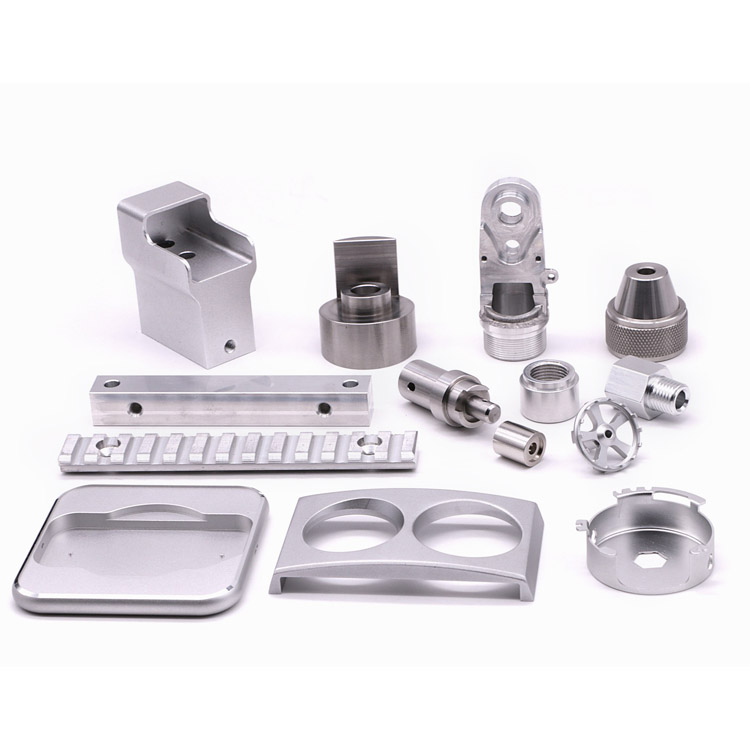
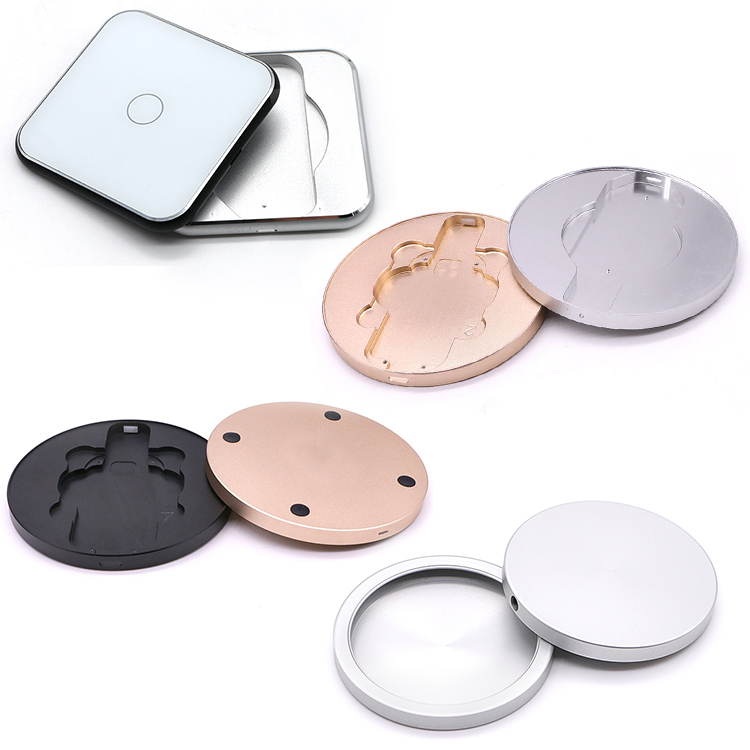
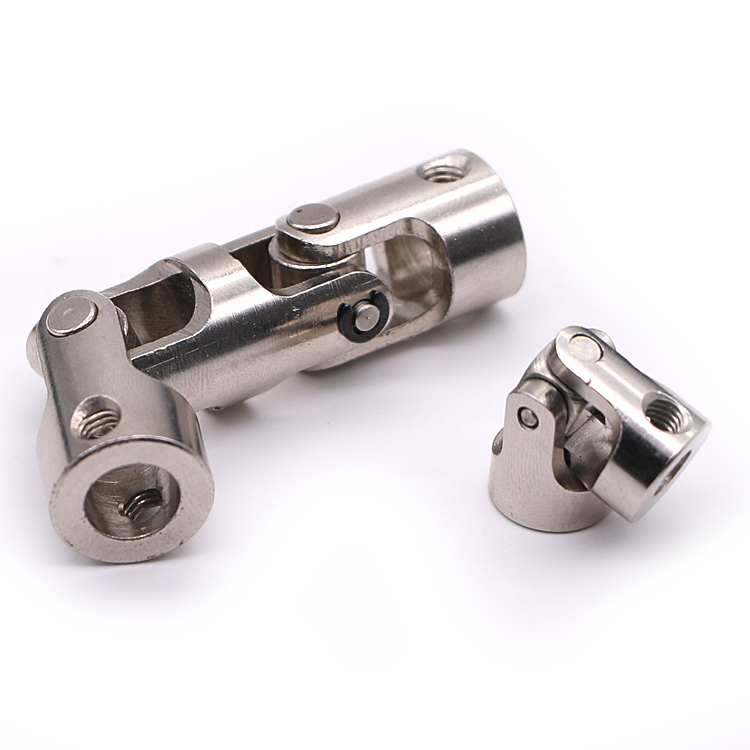
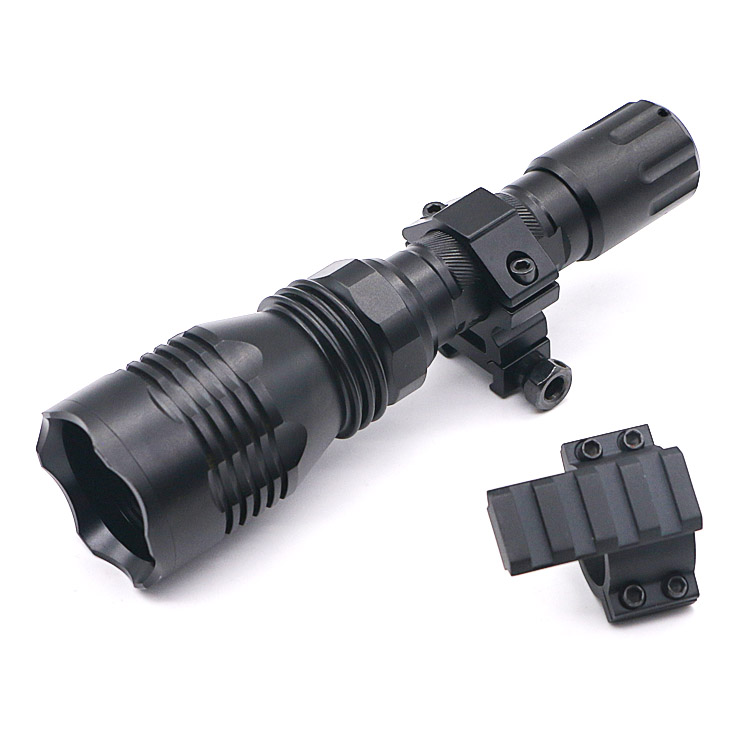
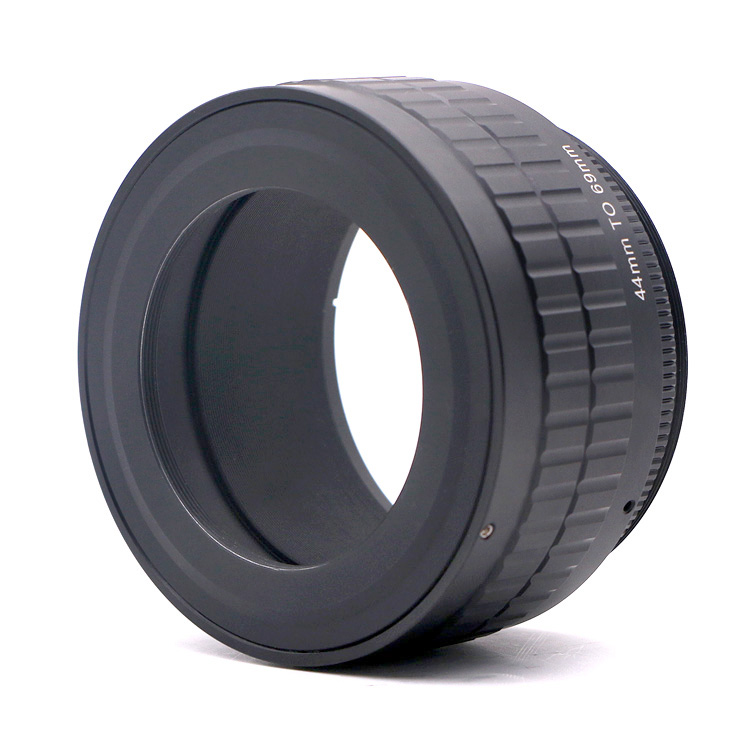
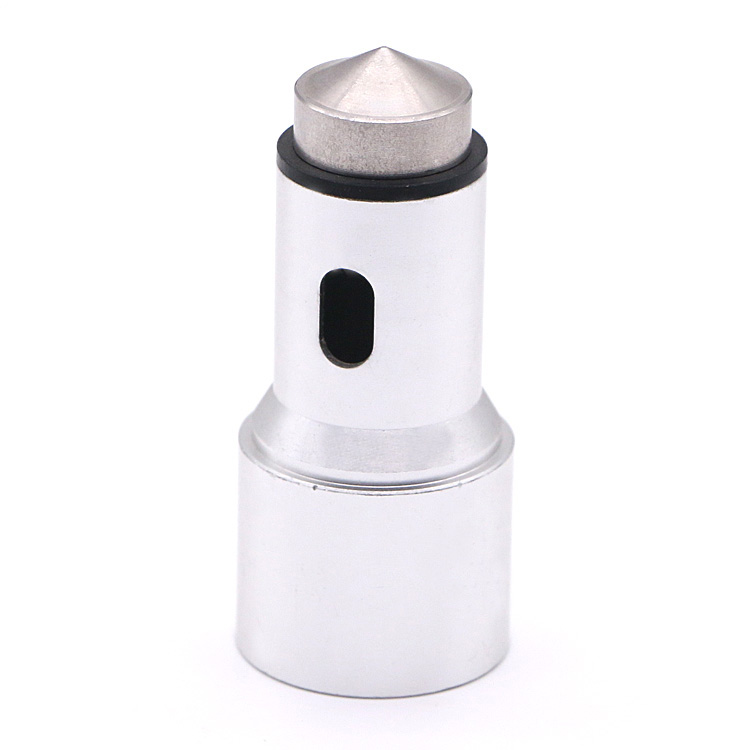
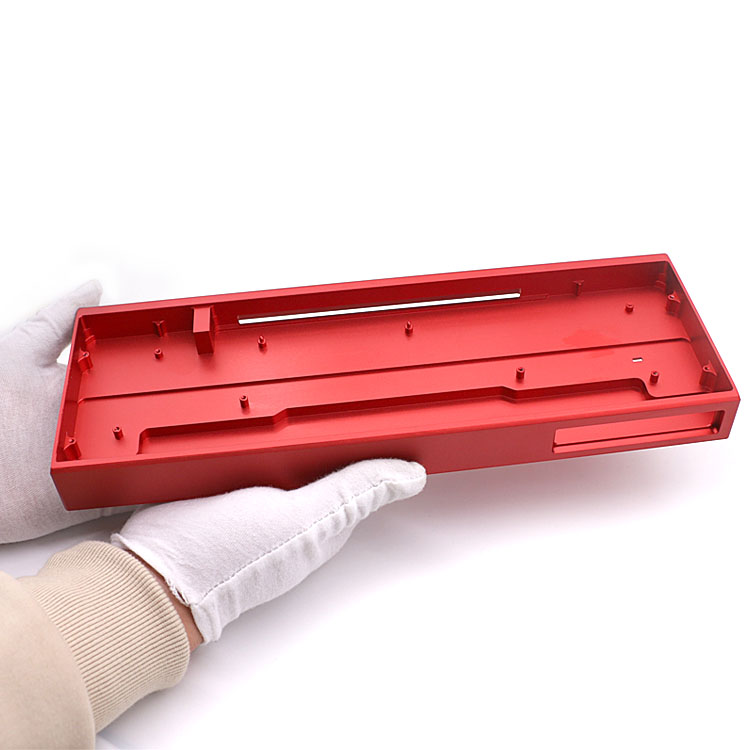
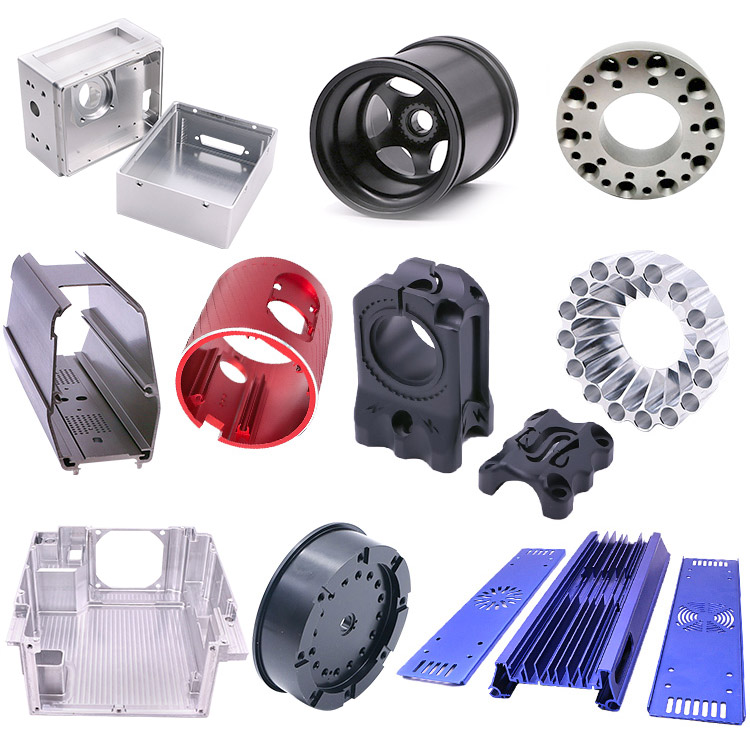
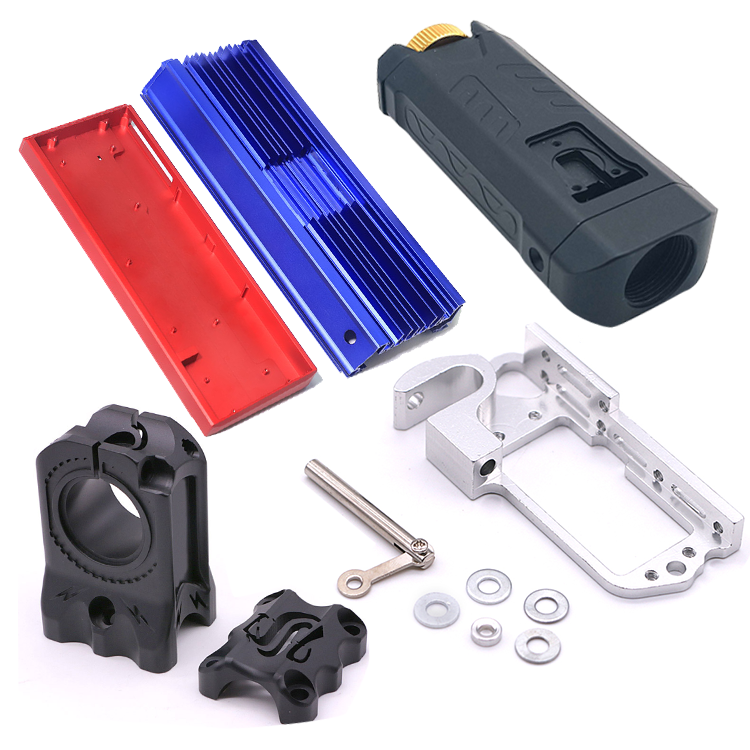
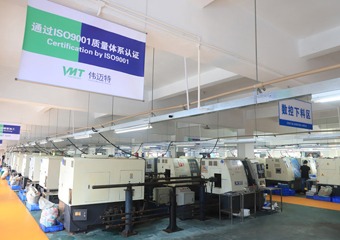
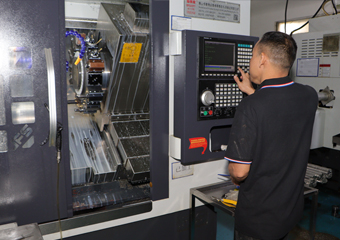
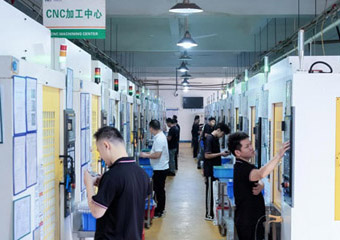
VMT is a CNC machining and manufacturing factory for various electronic equipment casings. With 13 years of experience in CNC machining electronic housings and various types of CNC electronic housing samples, you can send pictures to view and view the factory online, contact us immediately to obtain samples. We can provide you with various types of electronic product casing machining services to meet your customized CNC machining needs.
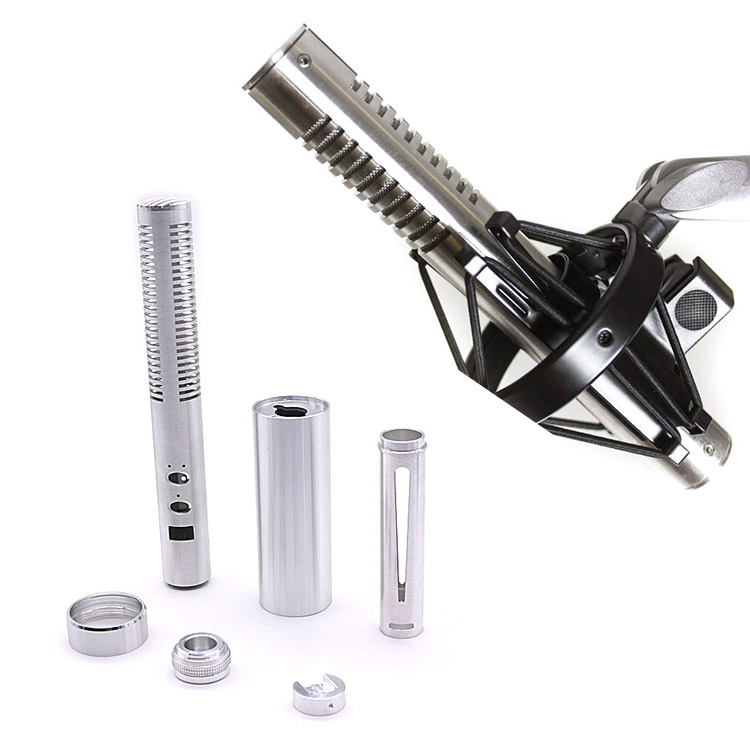
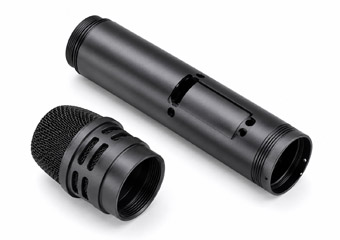
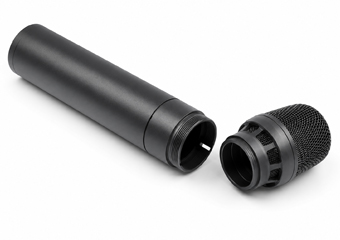
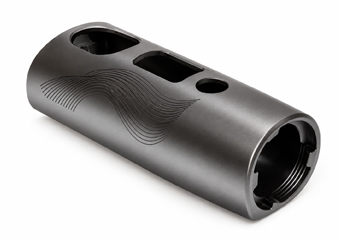
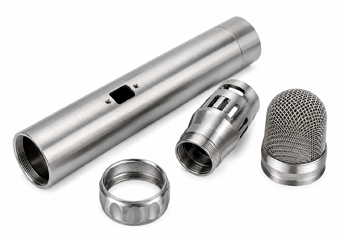
Custom CNC Machining Wireless Microphone Body Housing Shell
Custom CNC machining microphone housings, body shells, end caps and internal parts in multiple materials and finishes. Control threads, button holes, finishes and assembly fit from prototype to production. Upload drawings for DFM review and quotation.
Product Specification:
Services : Custom CNC Machining Wireless Microphone Body Housing Shells
Custom CNC Machining Wireless Microphone Body Housing Shell
VMT manufactures custom microphone housings, body tubes, grille components, end caps and internal support parts from customer drawings. We review material, wall thickness, threads, button openings, internal fit and finish requirements before machining, helping audio brands validate prototypes and maintain repeatable quality in production.
STEP, STP, IGES, DWG, DXF and PDF files accepted. NDA support is available for confidential projects.
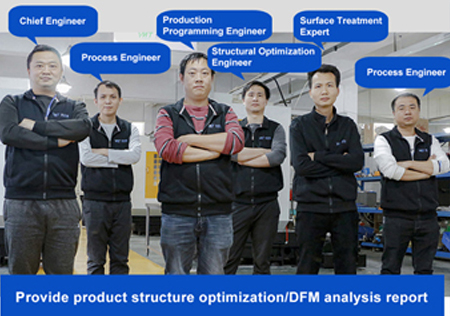
1-on-1 Engineering DFM AnalysisWall, tolerance and process review
100+ CNC Milling +TurningCylindrical and side features
Finish Coordination100+ Material and Surface Finish Options, Color, texture and branding
100% Critical Dimensions InspectionFit, thread and appearance control
Machining Risk Control
Critical Microphone Housing Machining Risks We Control
A microphone housing may look simple, but its cylindrical structure, thin walls, side openings, threads and visible surfaces can create significant machining and assembly risks.
01
Thin-Wall Deformation
Long or thin microphone bodies may distort when clamping pressure, cutting force, or material removal is uneven. VMT reviews wall thickness, clamping position, toolpath, and machining sequence to reduce deformation and maintain dimensional stability and assembly fit.
02
Inner and Outer Diameter Alignment
When the internal bore and external surface are machined in different setups, datum transfer can affect concentricity, roundness and wall-thickness consistency. We plan the turning sequence and machining references according to the drawing and functional requirements.
03
Button and Switch Hole Position
Side openings that shift from their designed position can interfere with buttons, switches, circuit boards or decorative inserts. VMT controls the machining datum, fixture position and inspection method for critical openings.
04
Thread and Assembly Fit
Threads may become tight, loose or misaligned when thread dimensions, coating allowance or mating-part conditions are not considered. We review the thread specification and finishing requirements before machining and use suitable gauges or mating checks where required.
05
Visible Machining Marks
Anodizing, polishing and brushing cannot reliably hide deep tool marks, dents or scratches. Finishing surfaces are planned during machining, while critical cosmetic areas are protected during handling, inspection and transportation.
06
Edge and Coating Defects
Burrs and sharp transitions may create poor tactile quality, white edges or uneven coating. Edge-breaking, deburring and coating requirements should be defined before production.
Engineering Case Study
CNC Machining Wireless Microphone Body Shell
From Solid Bar Machining to Stretch-Formed Blank and Multi-Process CNC Production
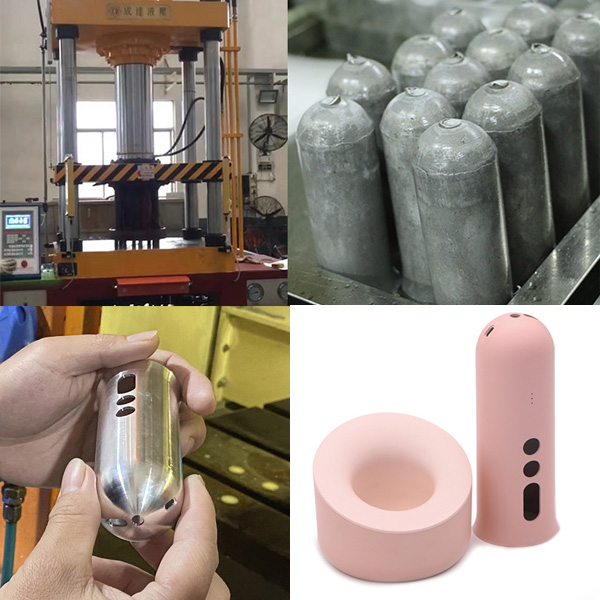
A wireless microphone customer originally used solid aluminum bar plus CNC machining for the cylindrical body. Machining the deep inner cavity required long cycle time and removed a large amount of material, making the original route inefficient for repeat production.
Blank preparation: A 200T stretching machine formed and cut the near-net-shape aluminum blank after the material surface was protected and prepared for forming.
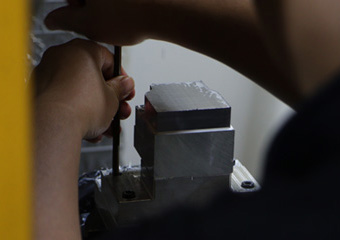
Turning control: CNC turning machined the outer surface and inner wall around a defined process datum, helping maintain wall consistency and dimensional stability across multiple operations.
Feature machining: Live tooling and multi-axis CNC machining completed the mouth thread, button holes and remaining side features while reducing unnecessary part repositioning.
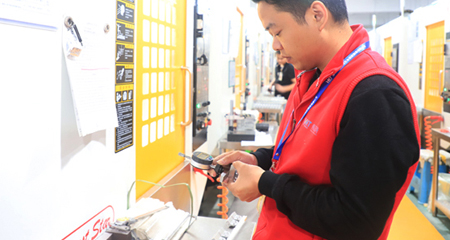
Inspection and edge control: Dedicated gauges checked button-hole consistency, while sharp corners and burrs were controlled to reduce visible whitening and coating defects during painting.
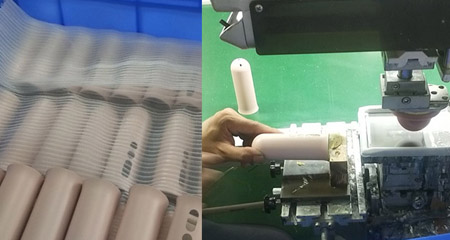
Final appearance: Painting and silk-screen printing completed the external color, branding and product identification requirements.
Documented Case Result: Manufacturing Cost Reduced by 50%
The finished microphone housing samples were accepted by the customer. By combining near-net-shape blank preparation, datum planning, CNC turning, live tooling, multi-axis machining, inspection and finish preparation, VMT established a more efficient manufacturing route for repeat production.
Every part is manufactured according to the customer’s drawing, material, tolerance, finish and assembly requirements.
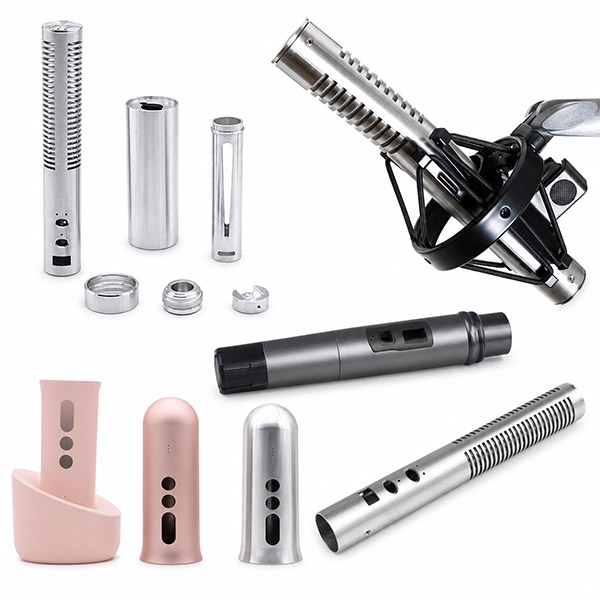
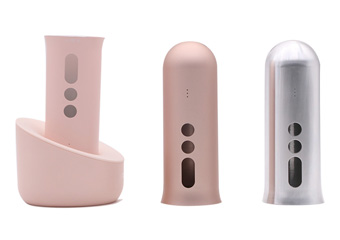
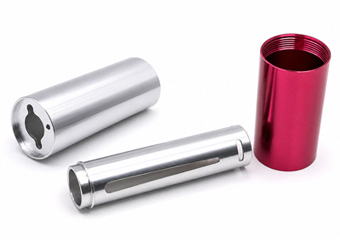
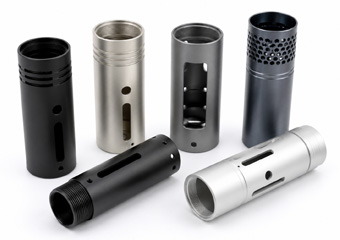
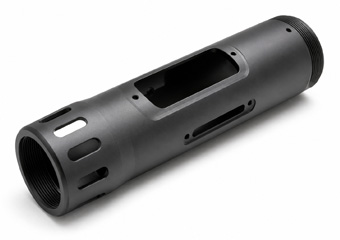
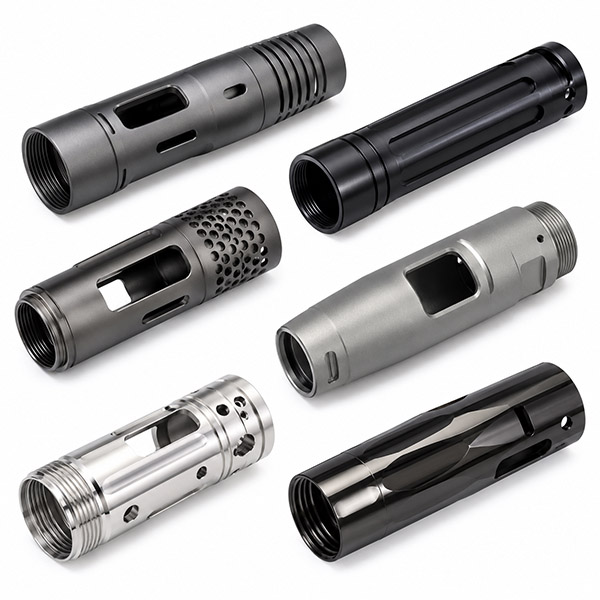
CNC Machined Wireless Microphone Body Housing
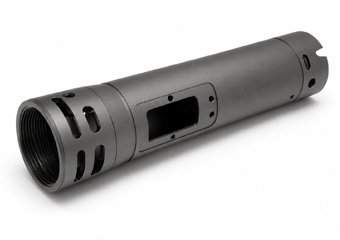
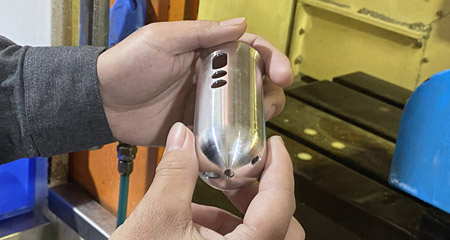
Wireless microphone body housings protect internal electronics and batteries, using CNC turning and milling to form bores, threads, and side openings while wall thickness, concentricity, and fit are verified by inspection.
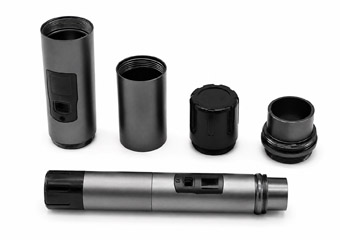
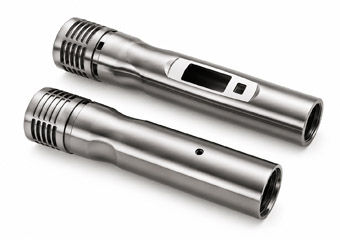
CNC Machined Condenser and Ribbon Microphone Bodies
Condenser and ribbon microphone body housings support capsules, circuits, and connectors, using CNC turning, milling, and drilling to control wall thickness and mounting interfaces, with inspection confirming fit and surface quality.
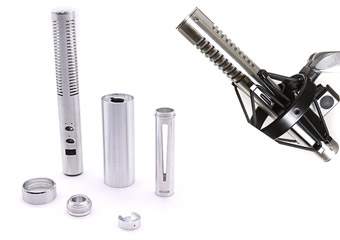
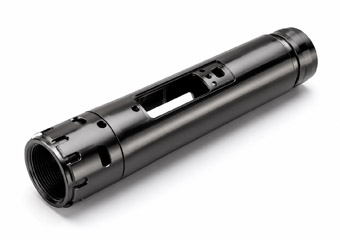
RM-6 Ribbon Aluminum Wireless Microphone Body Housing
RM-6 ribbon aluminum wireless microphone body housings protect internal assemblies, using CNC turning, live tooling, and five-axis machining to control threads, button holes, and walls, with inspection confirming repeatable assembly and finish.
CNC Machined Microphone End Caps and Battery Covers
End caps and battery covers close microphone housings and provide service access, using CNC turning and threading to control mating diameters and locking features, with inspection confirming smooth installation and removal.
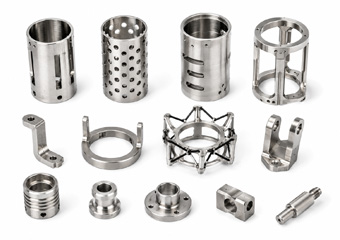
CNC Microphone Internal Sleeves and Support Brackets
Internal sleeves and support brackets position circuit boards, capsules, batteries, and connectors, using CNC milling and turning to control locating surfaces, holes, and clearances, with inspection verifying stable alignment and assembly.
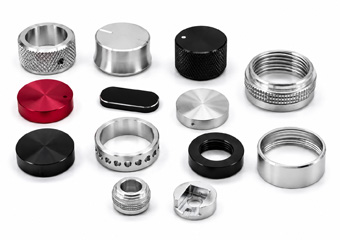
CNC Microphone Buttons, Knobs, Badges and Connector Rings
Buttons, knobs, badges, and connector rings provide control and branding, using CNC turning, milling, and engraving to control dimensions, fit, and visible details, with dimensional and cosmetic inspection confirming consistency.
Cost and Process Planning
Choose the Right Manufacturing Route for Your Microphone Housing
Geometry, quantity, tooling investment, material utilization, finishing yield and assembly risk should be evaluated together.
Manufacturing Route
Best Suited For
Main Advantages
Main Risks to Review
Solid Bar + CNC Machining
Prototypes, low quantities and thick structures
Low initial tooling investment and flexible design changes
Material waste, internal boring time and deformation risk
Aluminum Tube + CNC Machining
Cylindrical bodies with relatively consistent walls
Less material removal and efficient cylindrical machining
Tube tolerance, wall consistency and clamping control
Stretch-Formed or Extruded Blank + CNC
Repeat production and near-net-shape structures
Reduced material removal and improved production efficiency
Tooling investment, blank accuracy and forming control
Die Casting + Finish CNC
Higher quantities and complex integrated shapes
Efficient blank production and reduced CNC removal
Mold cost, draft, porosity and cosmetic requirements
Multi-Part Assembly
Replaceable functional or decorative sections
Flexible finish combinations and easier replacement
Stack-up tolerance, visible gaps and assembly time
VMT reviews the complete project before recommending a route. The most economical process is not always the one with the lowest machining price; tooling, material utilization, finishing yield, inspection and assembly risk must also be considered.
Machining Capability
CNC Machining Processes for Microphone Bodies and Shells
Turning, milling, drilling, threading and fixture control are selected according to the structure and drawing requirements.
CNC Turning
CNC turning is used for cylindrical microphone bodies, end caps, sleeves, rings, internal bores and external diameters. Proper datum selection and machining sequence help control wall thickness, roundness and mating features.
Turn-Mill CNC Machining
CNC turning is used for cylindrical microphone bodies, end caps, sleeves, rings, internal bores and external diameters. Proper datum selection and machining sequence help control wall thickness, roundness and mating features.
3 and 4-Axis CNC Milling
CNC milling produces button openings, display windows, internal pockets, mounting holes and decorative details. Fixture design and accessible tool directions are reviewed before machining.
Five-Axis CNC Machining
Five-axis machining may be selected for angled features, complex transitions or surfaces that would otherwise require repeated repositioning. It is used after engineering review when it provides a practical quality or setup advantage.
Drilling, Tapping and Thread Machining
Thread dimensions, depth, engagement, coating allowance and mating components should be defined in the drawing. Critical threads can be checked using appropriate thread gauges or customer-approved mating parts.
Fixture and Sequence Optimization
The fixture must support the housing without creating unacceptable distortion or marks. VMT reviews clamping areas, soft jaws, process datums, roughing allowances and finishing operations according to the structure.
Material Selection
Materials for Custom CNC Microphone Housings
Material selection should consider weight, strength, machining stability, corrosion, finish, production quantity and product positioning.
Aluminum
Aluminum 6061, 6063 and 7075 suit lightweight microphone bodies, end caps and rings, offering machinability and strength for anodizing, brushing or polishing, delivering durable assembly and premium appearance.
Stainless Steel
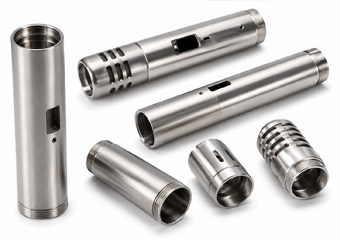
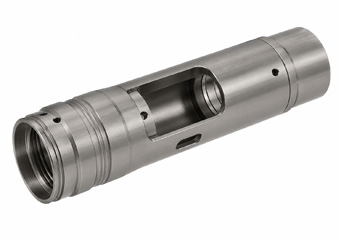
Stainless steel 303, 304 and 316 suit durable housings, grille rings and connector parts, providing strength and corrosion resistance for brushing, polishing or passivation, ensuring long service life and premium feel.
Brass
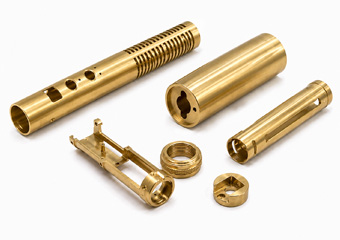
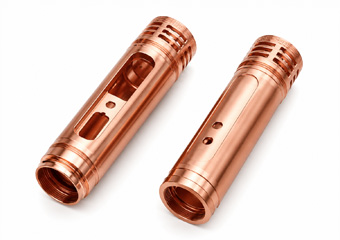
Brass C36000 and C38500 suit decorative rings, knobs and weighted components, combining machinability and visual warmth for polishing, plating or brushing, giving customers distinctive appearance and reliable dimensional fit.
Copper
Copper C110 and C101 suit conductive, shielding and decorative microphone components, offering electrical performance and formability for polishing, plating or protective coating, improving functionality while maintaining controlled appearance.
Titanium
Titanium Grade 2 and Grade 5 suit premium housings, rings and structural components, providing strength, low weight and corrosion resistance for polishing, brushing, anodizing or PVD, supporting durability and differentiation.
Engineering Plastics
POM, PEEK and nylon suit internal sleeves, spacers and insulating supports, offering low friction, stability and electrical insulation for machining or natural finishing, improving alignment, protection and assembly reliability.
Cosmetic and Protective Finishing
Surface Finishes for Premium Microphone Shells
Premium appearance begins with machining quality, edge control and protective handling before the finish is applied.
Sandblasting and Anodizing
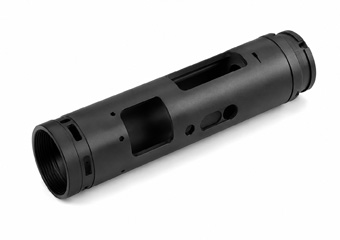
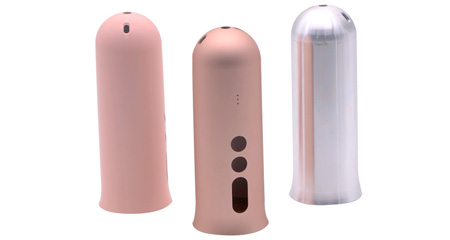
Aluminum microphone body housings for wireless and studio microphones use sandblasting plus anodizing to create a uniform matte texture, improving corrosion resistance, color consistency, handling durability, and premium visual appeal.
Painting
Aluminum microphone housings for branded wireless microphones use controlled painting to achieve custom colors and smooth coverage, improving corrosion protection, brand recognition, cosmetic consistency, and market differentiation.
Hard Anodizing
Aluminum microphone housings for high-wear applications use hard anodizing to increase surface hardness and abrasion resistance, improving thread durability, handling life, dimensional stability, and long-term product reliability.
Polishing
Aluminum, brass, or stainless steel microphone housings for premium models use polishing to create smooth reflective surfaces, improving visual depth, tactile quality, decorative value, and high-end product positioning.
PVD
Stainless steel or titanium microphone housings for luxury audio products use PVD coating to create durable metallic colors, improving wear resistance, corrosion protection, visual distinction, and premium brand perception.
Electrophoresis
Aluminum or steel microphone housings requiring uniform coverage use electrophoresis to form a consistent protective layer, improving corrosion resistance, edge coverage, color stability, and repeatable production appearance.
Powder Coating
Aluminum or steel microphone housings for durable colored finishes use powder coating to create thick, even protection, improving impact resistance, corrosion performance, texture options, and long-term service life.
Laser Engraving and Branding
Anodized aluminum or stainless steel microphone housings for branded products use laser engraving to add permanent logos and markings, improving identification accuracy, wear resistance, customization, and brand consistency.
Brushing
Aluminum or stainless steel microphone housings for premium audio products use controlled brushing to form directional lines, enhancing texture consistency, scratch concealment, tactile quality, and a refined professional appearance.
Quality Inspection
Inspection for Microphone Housing Dimensions and Appearance
The inspection plan should focus on the features that affect assembly, operation and visible quality rather than applying the same method to every dimension.
Inner and outer diameters
Overall length
Wall thickness
Hole and slot position
Thread size and depth
Roundness when specified
Connector interfaces
Button alignment
Assembly fit and gaps
Machining marks
Finish color and texture
Engraving position
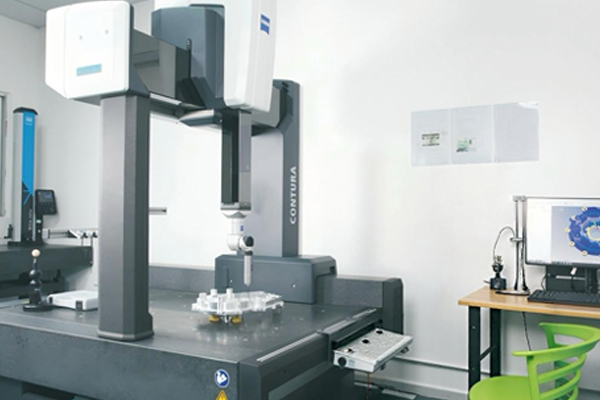
VMT can use first-article inspection, in-process inspection, final inspection, gauges, measuring instruments and CMM inspection according to the approved drawing and inspection requirements. Material reports, dimensional reports or other documents can be discussed during quotation.
Project Development
From Microphone Housing Prototype to Batch Production
Each process image is designed for a 500 × 180 px image.
1
Drawing and DFM Review
VMT reviews the 2D and 3D files, material, wall thickness, tolerance, thread, finish and assembly information. Potential machining and finishing risks are discussed before production.
2
Prototype Manufacturing
Prototype parts are machined to validate structure, internal fit, tactile operation, appearance and assembly. Design changes can be evaluated before committing to production tooling or fixtures.
3
Sample Inspection and Approval
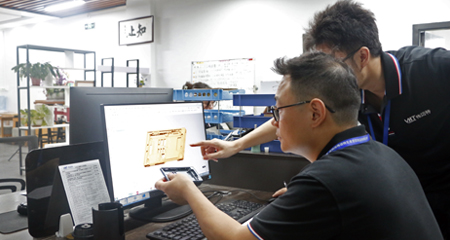
Critical dimensions and cosmetic surfaces are checked according to the agreed requirements. Where practical, mating parts or assembly samples can be used to verify fit.
4
Batch Production
After approval, the machining sequence, fixture, cutting tools, inspection frequency, finishing requirements and packaging method are defined for repeat production.
5
In-Process Quality Control
Key features are monitored during machining to identify tool wear, dimensional drift, deformation or surface issues before they affect the complete batch.
6
Final Inspection and Packaging
Parts are inspected according to the approved plan and packaged to reduce scratches, dents, thread damage and contact between cosmetic surfaces during transport.
Why VMT
Engineering Support for Custom Microphone Housing Projects
We focus on the complete manufacturing solution rather than treating the project as a standard product order.
x
Engineering Review Before Machining
VMT reviews manufacturability, material, clamping, tolerances and finishing risks before production, helping reduce preventable changes and rework.
Turning and Milling in One Manufacturing Solution
Cylindrical surfaces, side openings, threads, internal structures and decorative features can be planned across suitable turning and milling processes.
Cost Planning Beyond CNC Cycle Time
VMT considers raw material, blank manufacturing, fixture cost, machine time, finishing yield, inspection and packaging when evaluating the manufacturing route.
Appearance Control from Machining to Packaging
Cosmetic requirements are considered during toolpath planning, deburring, finishing coordination, visual inspection and protective packaging.
Inspection Based on Functional Risk
Critical dimensions and assembly features are prioritized according to the drawing, mating components and product function.
Support from Prototype Validation to Production
The approved prototype can be used to establish production fixtures, inspection standards, finish samples and packaging requirements for repeat orders.
RFQ Preparation
Prepare Your Microphone Housing RFQ
Providing complete project information helps VMT evaluate manufacturability, cost and production risk more accurately.
3D CAD model
2D drawing with critical tolerances
Material or performance requirements
Surface finish, color and texture
Prototype and batch quantities
Thread and assembly information
Cosmetic acceptance requirements
Inspection and documentation requirements
Packaging and target schedule
NDA or confidentiality requirements
Frequently Asked Questions
Custom CNC Microphone Housing FAQs
Q: Can VMT manufacture a microphone housing from my own drawing?
A: Yes. VMT provides drawing-based custom machining rather than standard microphone shells. Please provide your 3D model, 2D drawing, material, finish, quantity and critical assembly requirements for engineering review and quotation.
Q: How do you reduce deformation in a thin-wall microphone body?
A: We review wall thickness, material condition, clamping position, cutting force, roughing allowance and machining sequence. Soft jaws, staged material removal and controlled finishing operations may be used depending on the structure.
Q: Can the inner and outer diameters be machined around one datum?
A: It depends on the part structure, machine access and required relationship between the surfaces. Where practical, machining them around a common datum can reduce setup-related variation. The final process is confirmed after drawing review.
Q: How are button holes and switch openings inspected?
A: Critical openings can be checked using dimensional measuring equipment, dedicated gauges, fixtures or mating components. The inspection method depends on the feature size, tolerance, datum and functional relationship with the internal assembly.
Q: How do you inspect threads on microphone housings?
A: Thread size, depth, position and engagement can be checked using thread gauges, measuring tools or approved mating parts. Coating or anodizing buildup should also be considered for close-fitting threads.
Q: Which aluminum grade is suitable for an anodized microphone housing?
A: Aluminum 6061 and 6063 are commonly considered for machined and anodized housings, while other grades may be chosen for strength or structural requirements. Color, machining route, raw-material condition and cosmetic expectations should be reviewed together.
Q: Can VMT control color consistency between assembled housing parts?
A: Color consistency is influenced by alloy, raw-material batch, surface preparation, blasting texture, anodizing process and part geometry. VMT coordinates the machining and finishing requirements and can use approved samples or defined color standards where required.
Q: When should a formed blank or extrusion be used instead of solid bar?
A:A near-net-shape blank may reduce material removal for suitable cylindrical parts and repeated production. However, tooling cost, blank tolerance, deformation, quantity and design flexibility must be evaluated before changing the manufacturing route.
Q: Can you support prototypes before batch production?
A: Yes. Prototypes can be used to validate dimensions, assembly, ergonomics, finish and branding before production planning. After approval, fixtures, inspection methods and process controls can be developed for repeat orders.
Q: What information is required for an accurate quotation?
A: Provide the 3D model, dimensioned drawing, material, finish, quantity, critical tolerances, thread details, cosmetic requirements, inspection documents, packaging needs and expected schedule. Mating-part information is also useful for assembly-critical projects.
Design and Sourcing Guide
Guide to Designing and Sourcing Custom CNC Microphone Housings
A custom microphone housing must protect internal components, support reliable assembly and maintain the intended exterior appearance. Although many microphone bodies appear to be simple cylindrical tubes, the combination of thin walls, internal bores, side openings, threads and cosmetic finishes can create manufacturing challenges.
Start with Functional Interfaces
The first design priority should be the interfaces that affect assembly. Define the internal diameter, end-cap connection, connector position, battery access, circuit-board support and button alignment before focusing on decorative features.
Critical dimensions should be identified clearly on the 2D drawing. Applying excessively tight tolerances to every surface may increase machining and inspection cost without improving product performance.
Select Material Around the Complete Product Requirement
Aluminum is frequently selected for custom wireless microphone housings because it offers low weight, machinability and several finish options. Stainless steel can provide increased strength and a heavier feel, while brass may suit decorative components or products requiring additional weight.
Titanium can support premium products but usually requires a higher material and machining budget. Engineering plastics may be suitable for internal supports, insulating components and development prototypes.
The selected alloy also affects anodizing color, polishing behavior, machining stability and raw-material availability. Material and finish decisions should therefore be made together.
Review Wall Thickness and Clamping Areas
Thin walls reduce weight but also reduce stiffness during machining. A part may measure correctly while clamped and change after the cutting force or fixture pressure is removed.
Providing stable clamping areas, avoiding abrupt wall-thickness changes and allowing a suitable roughing and finishing sequence can improve dimensional stability. The manufacturer should review these areas before the first prototype is machined.
Compare Blank and Machining Options
Solid bar machining offers flexibility and avoids initial tooling, making it useful for prototypes and low quantities. Aluminum tube may reduce internal material removal for simple cylindrical housings.
For repeated production, extrusion, forming or another near-net-shape process may improve material utilization. Die casting may suit complex shapes and higher production demand but introduces mold cost, draft, porosity and finish considerations.
The correct choice depends on total project cost rather than machining price alone.
Design for Surface Finishing
Anodizing and coating will not automatically remove deep machining marks, scratches or dents. Cosmetic surfaces should be identified in the drawing, and visible edges should be reviewed before finishing.
Threads, bores and assembly interfaces may require masking or dimensional allowance when coating thickness affects fit. Brushed surfaces also require a defined grain direction, especially when several parts meet in the final assembly.
Define Inspection Before Production
A useful inspection plan identifies which features influence operation, assembly and appearance. For a custom microphone housing, these commonly include inner and outer diameters, wall thickness, thread engagement, button-hole location, end-cap fit and cosmetic surfaces.
Providing mating components, assembly drawings or an approved appearance sample can help the manufacturer develop a more practical inspection method.
Prepare a Complete RFQ
A complete RFQ reduces quotation assumptions. Include the 3D file, 2D drawing, material, finish, quantities, critical dimensions, cosmetic requirements, inspection documents and packaging needs.
When prototype and production quantities are both provided, the manufacturer can compare manufacturing routes and explain whether a different blank, fixture or machining process could provide better long-term value.
Ready to Review Your Custom Microphone Housing?
Send your drawings, material, finish, quantity and assembly requirements. VMT will review the project and recommend a practical CNC machining and inspection solution.
Upload Drawings for a Custom Microphone Housing Quote
 +86 15099911516
  inquiry@vimetal.com.cn




 Related suggestion