Free cookie consent management tool by TermsFeed Cookies

Home / Product / Electronic Industry /

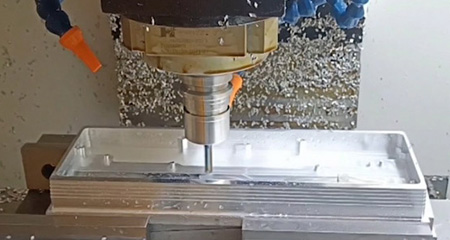
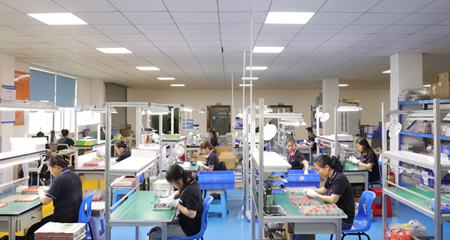
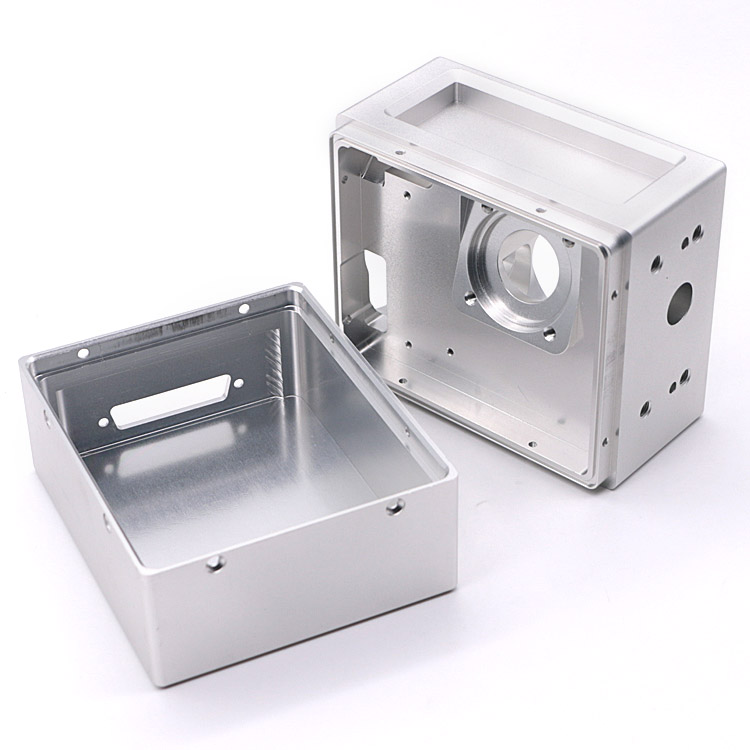
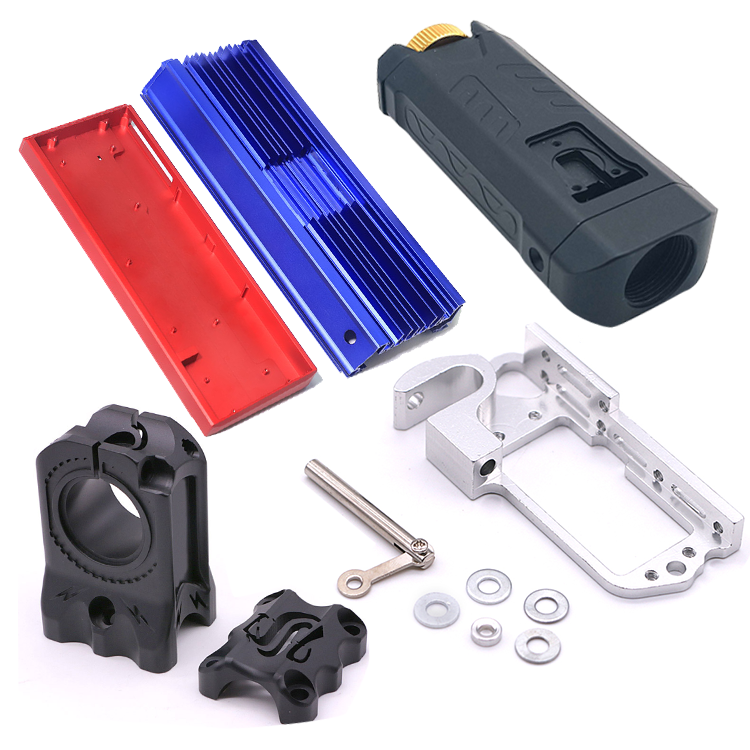
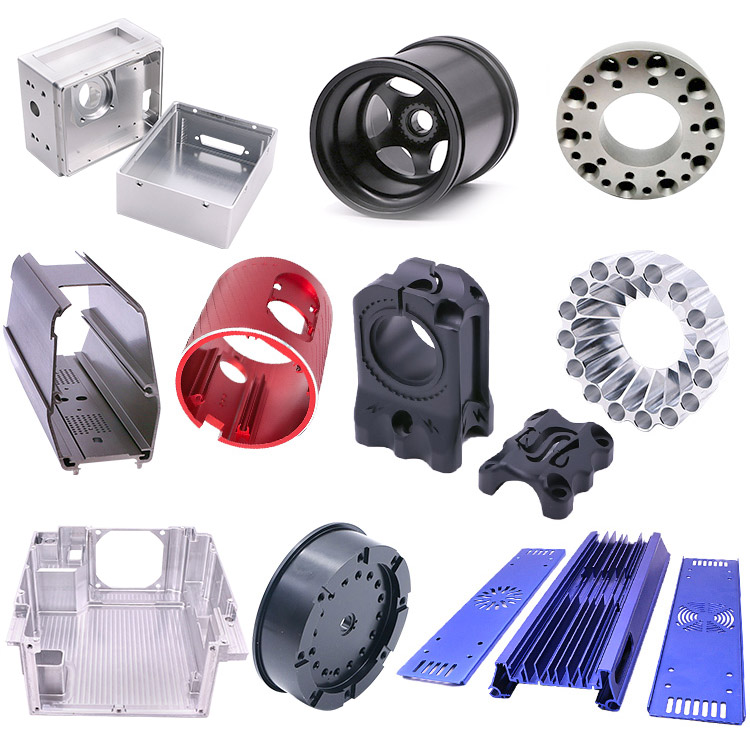
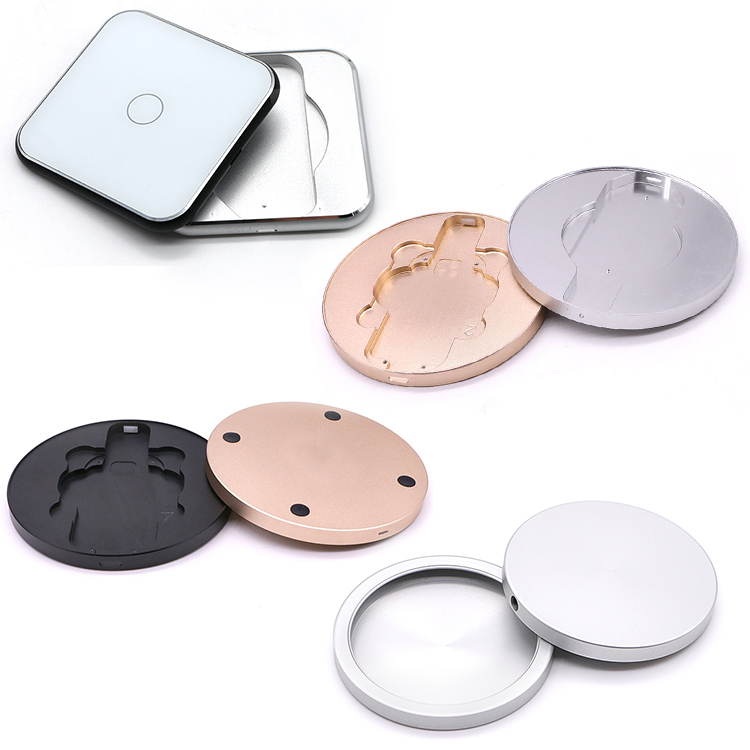
VMT is a CNC machining and manufacturing factory for various electronic equipment casings. With 13 years of experience in CNC machining electronic housings and various types of CNC electronic housing samples, you can send pictures to view and view the factory online, contact us immediately to obtain samples. We can provide you with various types of electronic product casing machining services to meet your customized CNC machining needs.


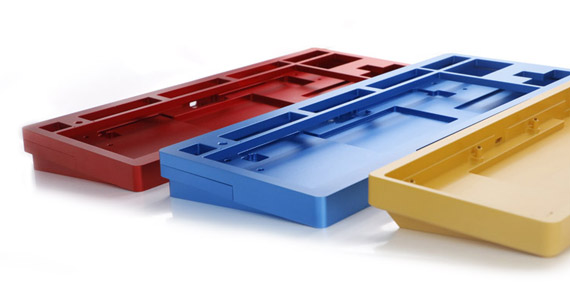
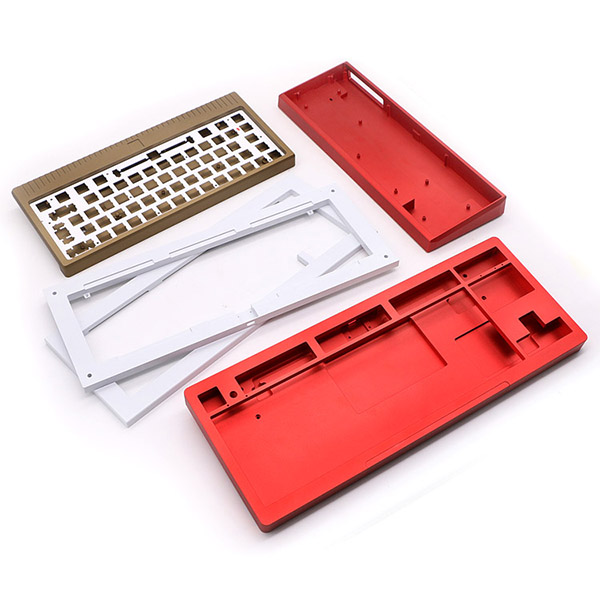
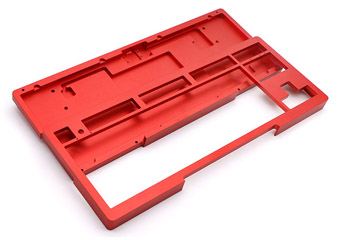
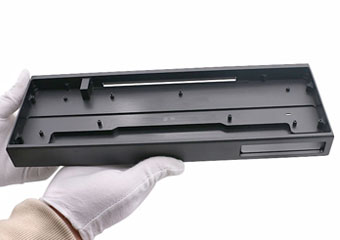
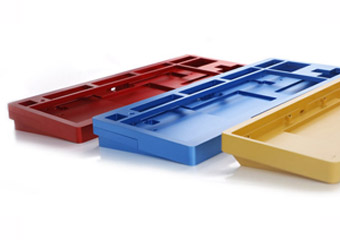
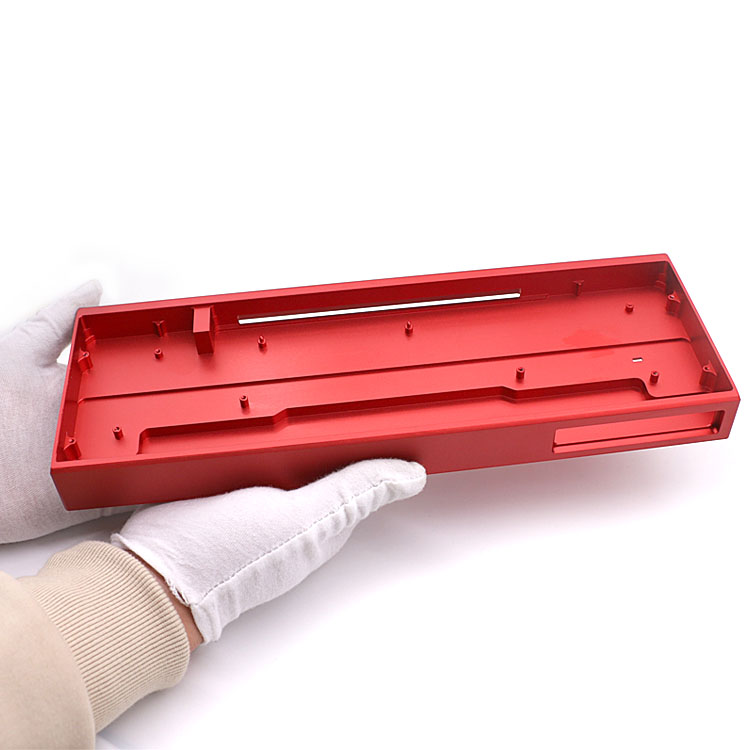
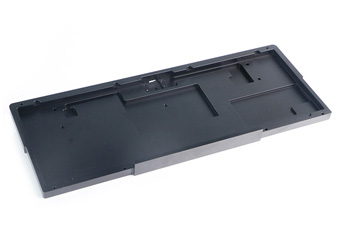
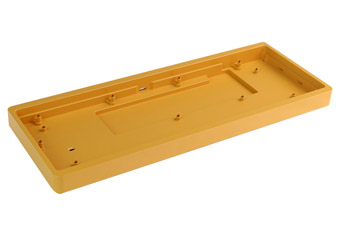
 Custom CNC Machined Mechanical Keyboard Case & Housings Shells

Custom CNC Machined Mechanical Keyboard Case & Housings Shells

Custom CNC machining for aluminum mechanical keyboard cases, plates, brass weights and housings with DFM, anodizing, inspection, prototypes and batch support.

Product Specification:

  • Services : Custom CNC Machined Mechanical Keyboard Case & Housings Shells
  • MOQ : 0-10
  • Oxidation Color : Customer's Demand,Black, Red, Gray, Blue, White, Silver, Green, Desert Color etc.
  • Surface Treatment : Customer's Demand、Anodized 、Plating、PVD 、Nickel Plating、Sandblasting、Powder Cating、Polishing、Multi-color anodized、Painting etc.
  • Material : Aluminum(AL 6061, 6063, 6082, 7075, 5052 etc), Stainless Steel(303, 304, 316, 410, 416, 420, 420J2 etc ), Copper(C36000, C26000, C38500, CZ121 etc), Titanium ( TA1, TA2, TC4 / Grade 5 etc ).
  • Tolerance : ±0.005 mm.(Custom Available)
  • Roughness : Ra0.2-Ra0.8(Custom Available)
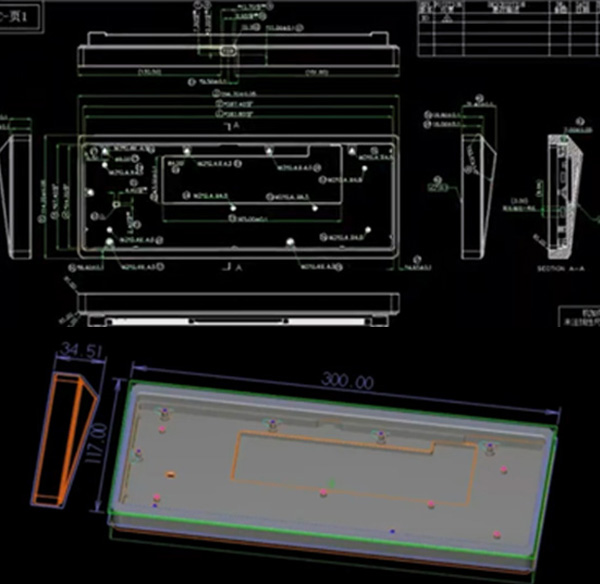
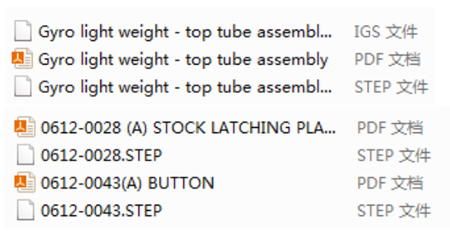
  • Drawing format : CAD file (dwg, dxf, pdf, etc.), 3D File (step, stp, etc), drawing design.
  • Certificate : ISO9001 / IATF1694 / ISO 14001 / SGS / RoHS etc.
Inquiry Now
Product description


Drawing-Based Custom Manufacturing

Custom CNC Machined Keyboard Cases & Shells

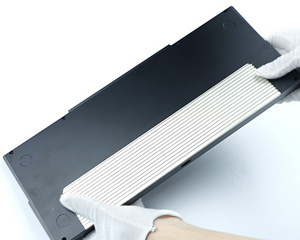
VMT manufactures custom mechanical keyboard cases, top and bottom housings, plates, brass weights, knobs and structural parts from your 2D and 3D drawings. Our engineering team reviews flatness, PCB and plate alignment, port position, screw fit, visible surfaces and finishing allowances before machining, helping keyboard brands and OEM projects move from prototype validation to stable batch production with fewer assembly and cosmetic risks.

100+ 3 / 4 / 5-Axis CNC Machining Equipment
100+ Material and Surface Finish Options
1-on-1 Engineering DFM Analysis
Prototype to Production, Tolerances Up to ±0.005 mm
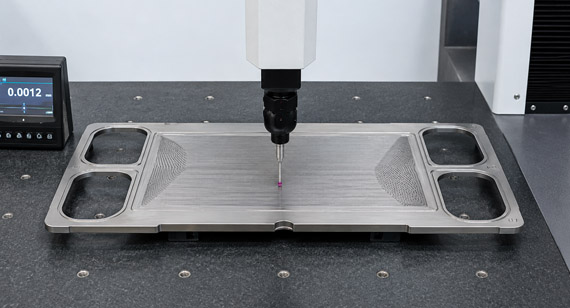
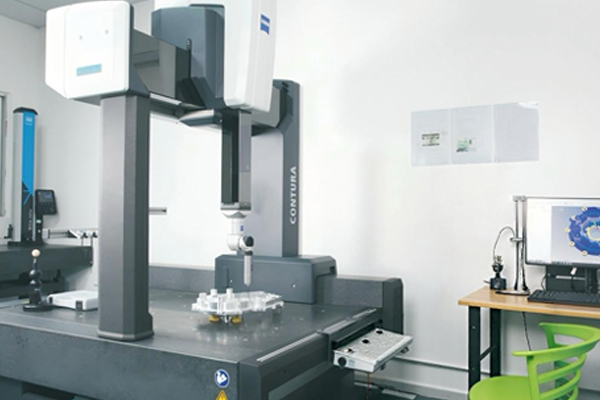
100% IPQC and CMM Inspection of Critical Dimensions
Provide Test Reports,Cosmetic Protection Packaging
Machining Challenges

Solve Mechanical Keyboard Case Machining Risks Before Assembly

A mechanical keyboard housing may look simple, but large pockets, thin walls, closely related mounting holes and cosmetic surfaces make it sensitive to machining and finishing errors. VMT reviews the entire assembly instead of inspecting each part independently, helping identify risks before they affect PCB fit, port alignment, top-to-bottom case assembly or final appearance.

Housing Warping and Flatness

Removing a large amount of material from an aluminum block can release internal stress and cause the housing to distort. VMT evaluates material condition, wall thickness, machining allowance, clamping force and material-removal sequence to improve stability.

PCB, Plate and Port Misalignment

Small position errors between PCB mounting holes, plate openings and USB ports can prevent assembly. VMT establishes consistent machining datums and inspects critical coordinates based on the customer’s assembly requirements.

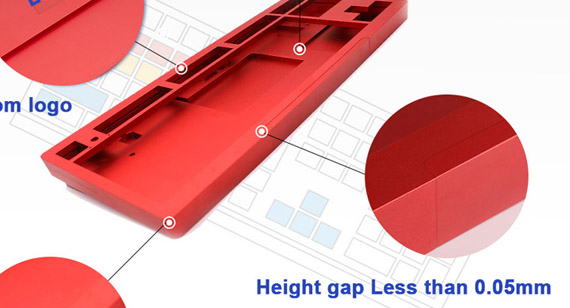
Uneven Case Seams

Incorrect datum control, contact surfaces or screw-hole relationships can create visible gaps and steps. We review mating surfaces, locating features and fastening positions before defining the machining sequence.

Thread and Insert Problems

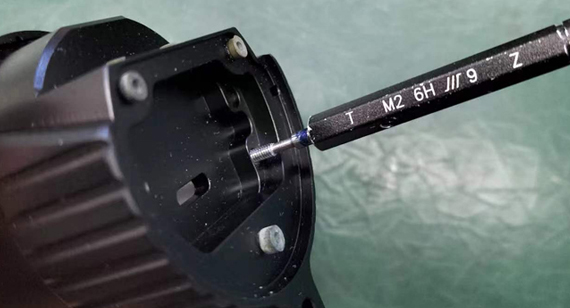
Threads may become tight after anodizing, while thin bosses can deform or crack during insert installation. VMT reviews thread specifications, engagement depth, masking requirements and surrounding wall thickness before production.

Anodizing Color Variation

Different aluminum alloys, raw-material batches, blasting conditions and surface textures can produce visible color variation. We coordinate material, machining direction, pre-treatment and approved finish samples.

Cosmetic Surface Damage

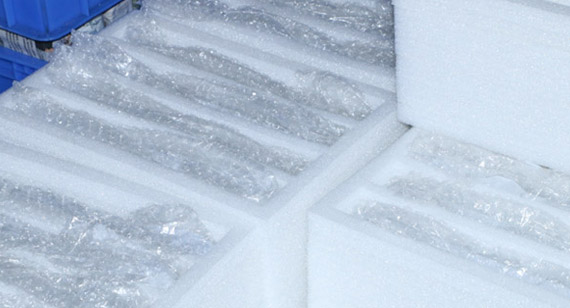
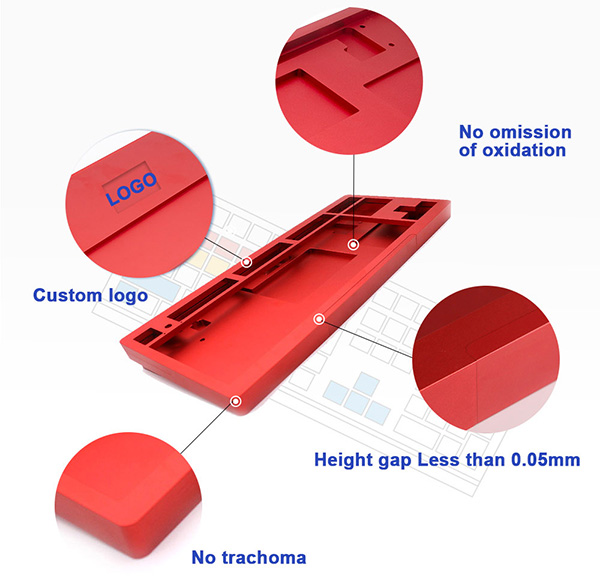
Keyboard housings contain large visible surfaces that can be scratched during machining, deburring, finishing or transportation. VMT defines cosmetic zones and uses controlled handling, inspection and protective packaging.

Parts We Machine

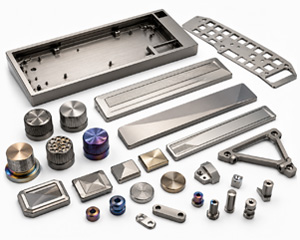
Custom Mechanical Keyboard Case Parts We Machine

VMT supports individual housing components or coordinated multi-part assemblies based on your approved drawings.

Keyboard Top Cases

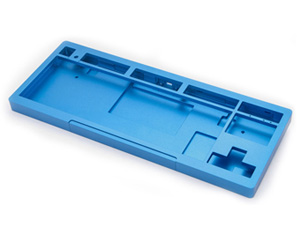
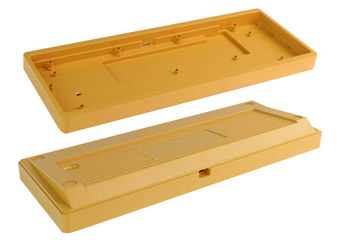
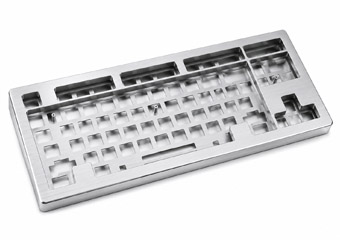
Used as the visible upper housing around the switches and keycaps, top cases are CNC milled with controlled reference surfaces, switch openings, screw locations and cosmetic edges, followed by dimensional and appearance inspection.

Keyboard Bottom Cases

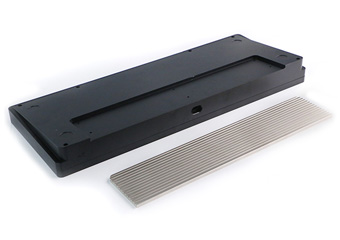
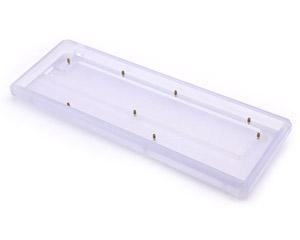
Bottom housings support the PCB, battery, daughterboard and internal structure. VMT controls pocket depth, mounting bosses, feet positions, cable channels and mating surfaces to improve stable assembly with the upper housing.

Unibody Housings

Unibody housings combine the upper frame and base structure in one machined component. Deep cavities, large material removal and visible surfaces require planned roughing, finishing, fixturing and in-process flatness control.

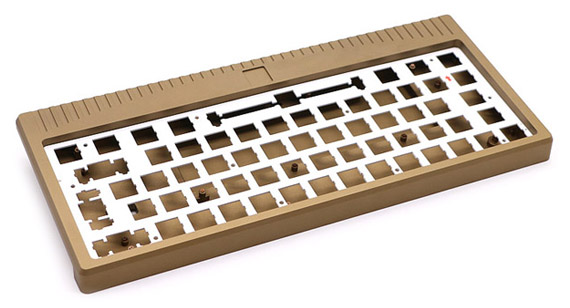
Keyboard Plates

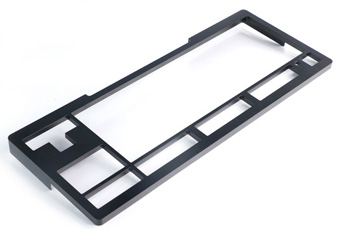
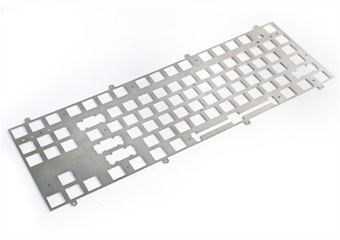
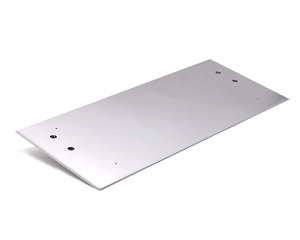
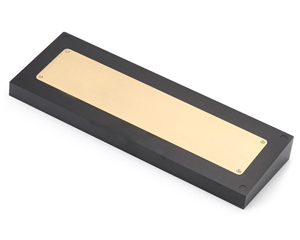
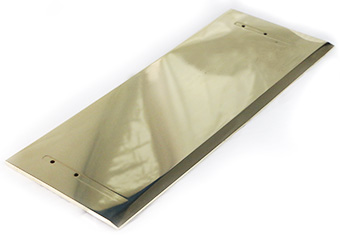
Aluminum, brass, stainless steel or engineering-plastic plates support switches and influence structural stiffness. CNC machining controls switch openings, stabilizer locations, mounting points, edge quality and compatibility with the customer’s PCB design.

CNC Machined Keyboard Weight

Internal or external metal weights add mass, visual contrast and brand identity. VMT machines locating features, screw holes, decorative surfaces and logo details, then coordinates polishing, brushing, plating or PVD as required.

Keyboard Knobs and Buttons

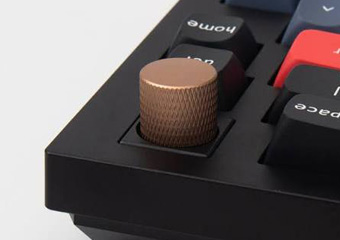
Rotary knobs, side buttons and control components require stable concentricity, shaft fit, knurling or textured surfaces. Turning, milling and finishing processes are selected according to the component structure and drawing requirements.

Badges and Decorative Trims

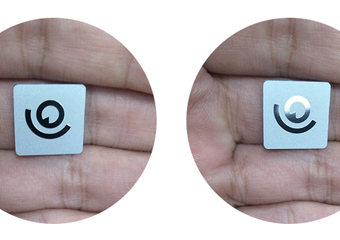
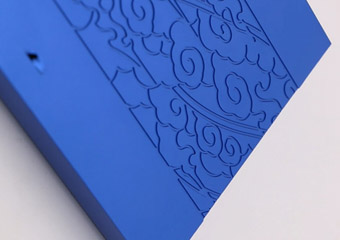
Custom badges, logo plates and accent parts are machined for branding and visual differentiation. VMT controls profile edges, engraving depth, surface direction and fit with the surrounding keyboard housing.

CNC Machined Keyboard Keycaps

CNC-machined keyboard keycaps serve custom mechanical keyboards, using milling and turning to control profile, stem fit, legends, and surface quality, with dimensional and visual inspection ensuring smooth assembly and premium appearance.

Custom CNC Machined Mechanical Keyboard Cases 2D 3D Drawing Design 

Custom CNC Machined Keyboard Cases Layouts

VMT does not sell fixed-size keyboard housings. We machine each case according to your drawings, PCB, plate, mounting method and exterior design. Projects may include compact layouts such as GH60, 40%, 45%, 50%, 60%, 65%, 75%, 80%, TKL, full-size keyboards, split keyboards and custom macropads.

GH60 40% 45% 50% 60% 65% 75% 80% TKL Full Size Split Macropad

Custom CNC Machined Mechanical Keyboard Cases Mounting Structures Requirements 

CNC Machined Keyboard Cases Mounting Structures Requirements

Manufacturing is developed around the customer’s approved keyboard structure, assembly relationships and functional requirements.

Tray Mount Top Mount Bottom Mount Gasket Mount Sandwich Mount Integrated Plate Two-Piece Case Unibody Case
Engineering Control

How VMT Controls Flatness, Fit and Port Alignment

Critical dimensions are planned around the complete keyboard assembly, machining datums and surface-finishing requirements.

Critical Feature Risk VMT Control Method Verification
Large Internal Pocket Housing warping VMT reviews roughing allowance, toolpath direction, temporary support, re-clamping and inspection points according to the part structure. Flatness and dimensional inspection
PCB Mounting Holes PCB cannot be installed Critical hole coordinates, plate locations, USB openings and daughterboard positions are therefore reviewed from common datums. CMM or 2D measurement
USB-C Opening Port is offset or blocked VMT evaluates locating pins, screw positions, mating surfaces, edge transitions and visible seams. Critical interfaces can be inspected together when mating parts or complete assembly files are provided. Coordinate and visual assembly check
Mating Faces Visible gaps or uneven seams Controlled contact surfaces, locating features and screw positions Surface and assembled-gap inspection
Threaded Holes Tight threads or damaged bosses Thread depth, wall thickness, finishing allowance and masking review Thread gauge and screw-fit check
Gasket Grooves Uneven gasket compression Controlled groove width, depth, corner radius and deburring Dimensional inspection
Brass Weight Pocket Loose or over-tight fit Fit requirements reviewed with finishing changes Mating-part dimensional check
Cosmetic Edges Tool marks or uneven chamfers Separated roughing and cosmetic finishing operations Controlled-light appearance inspection
Material Selection

Materials for Custom CNC Mechanical Keyboard Cases

Material selection should balance housing structure, weight, appearance, finishing requirements, budget and production quantity.

Aluminum Keyboard Cases

Aluminum 6061-T6, 6063-T6, and 7075-T6 suit top, bottom, and unibody housings; their machinability and strength support anodizing, helping customers achieve lightweight structures, stable assembly, and premium appearance.

Discuss Aluminum Housing

Brass Keyboard Components

Brass C360 suits keyboard plates, internal weights, badges, and decorative accents; its high density and premium appearance support polishing, brushing, PVD, or anti-oxidation treatment, adding weight and brand distinction.

Quote Brass Components

Stainless Steel Keyboard Plates

Stainless steel 304 and 316 suit keyboard plates, weights, and decorative trims; their strength and corrosion resistance support brushing, polishing, PVD, or passivation, delivering rigid parts and durable appearance.

Review Steel Plate Design

Copper Keyboard Accents

Copper C110 suits decorative weights, badges, and housing accents; its high density and warm metallic appearance support polishing, brushing, plating, or anti-oxidation treatment, creating distinctive aesthetics and improved tarnish protection.

Discuss Copper Finishing

Titanium Keyboard Components

Titanium Grade 2 and Grade 5 suit premium knobs, badges, structural parts, and decorative components; their strength and corrosion resistance support brushing, polishing, anodizing, or PVD, providing durability and product differentiation.

Review Titanium Component

Engineering Plastic Parts

POM, PC, and PA suit keyboard plates, insulating supports, and internal brackets; their low weight, insulation, and damping properties support texturing or coating, helping customers reduce weight and improve assembly performance.

Discuss Plastic Parts
Material Typical Application Main Advantages Points to Review
Aluminum 6061-T6 Top, bottom and unibody housings Balanced strength, machinability, availability and anodizing performance Wall thickness, pocket distortion and color requirements
Aluminum 6063-T6 Appearance-focused housings and trims Suitable for clean cosmetic surfaces and decorative anodizing Structural strength and alloy consistency
Aluminum 7075-T6 High-strength housings and structural parts Higher strength and rigidity Material cost, machining cost and anodizing color differences
Brass Plates, weights and decorative components High density, premium appearance and visual contrast Weight, oxidation, machining time and surface protection
Stainless Steel Plates, weights and wear-resistant trims Strength, wear resistance and corrosion resistance Tool wear, machining cost, weight and burr control
Copper Decorative weights and accents Distinctive color and high density Oxidation, fingerprints and protective finish
Engineering Plastics Plates, supports and insulating parts Lower weight and electrical insulation Material stability, thickness and assembly load
Surface Finishing

Surface Finishes for Aluminum Keyboard Housings

Surface finishing affects appearance, wear resistance, dimensions and assembly. VMT reviews CNC machining and finishing requirements together.

  • Bead Blasting + Anodizing
  • Black and Color Anodizing
  • Hard Anodizing
  • Brushing
  • Polishing
  • PVD Coating
  • Electrophoresis or Coating
  • Laser Engraving

How VMT Improves Anodized Appearance Consistency

Anodizing results depend on more than the finishing supplier. Raw-material alloy, material batch, cutting direction, machining marks, blasting process, surface contamination and racking positions can all affect the final appearance. VMT coordinates these requirements before machining and recommends approving a physical finish sample for appearance-sensitive projects.

Protecting Threads and Precision Features

Anodizing and coating add material to exposed surfaces and can change the fit of holes, threads and mating features. Critical features are reviewed during DFM so masking, allowance adjustment or post-finish inspection can be planned when required.

Bead Blasting + Anodizing

Aluminum keyboard housings for premium desktop keyboards combine low weight and machinability with a uniform matte anodized finish, helping customers achieve durable surfaces, consistent appearance, and stronger brand positioning.

Discuss Matte Anodizing

Black Anodizing

Aluminum top and bottom cases for custom mechanical keyboards use corrosion-resistant black anodizing to create a clean, uniform appearance, helping customers reduce visible wear and maintain premium batch consistency.

Quote Black Anodizing

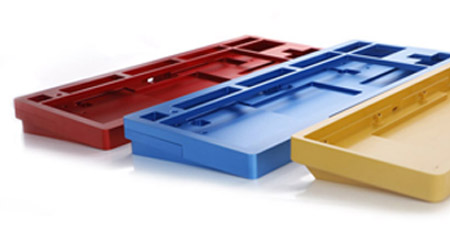
Color Anodizing

Aluminum keyboard housings for branded product lines use decorative color anodizing to deliver vivid, controlled finishes, helping customers differentiate models, strengthen visual identity, and improve market appeal.

Send Your Color Sample

Electrophoretic Coating

Aluminum keyboard housings use electrophoretic coating to form a smooth, uniform colored film with corrosion resistance, helping customers achieve consistent appearance, improved durability, and reliable protection across large production batches.

Review Electrophoretic

Brushing

Aluminum keyboard cases and decorative trims use directional brushing to create a refined metallic texture, helping customers hide minor handling marks, enhance visual depth, and achieve a premium tactile appearance.

Discuss Brushed Finish

Polishing

Aluminum or brass keyboard housings for luxury designs use polishing to create smooth, reflective surfaces, helping customers achieve a high-end appearance while improving visual impact and product differentiation.

Review Polishing Needs

PVD Coating

Brass or stainless steel keyboard weights and decorative accents use PVD coating to add metallic color and wear resistance, helping customers achieve distinctive styling, improved durability, and higher perceived value.

Discuss PVD Coating

Laser Engraving

Anodized aluminum keyboard housings, knobs, and badges use laser engraving for precise logos and serial marks, helping customers strengthen branding, improve traceability, and maintain permanent product identification.

Send Your Logo Design
Manufacturing Process

Custom CNC Keyboard Case Manufacturing Process

Each project follows a drawing-based process from engineering review to final inspection and protective packaging.

1

Drawing and RFQ Review

The project begins with 2D drawings, 3D models, material, quantity, finish and assembly requirements. Missing information is confirmed before quotation.

2

DFM and Assembly Review

VMT evaluates wall thickness, deep cavities, tool access, corner radii, mounting holes, USB openings, threads, cosmetic zones and mating-part relationships.

3

Material and Finish Planning

Material grade, raw-material condition, surface-finishing route, appearance sample and critical masking requirements are confirmed.

4

Fixture Design

Engineers plan machining datums, clamping positions, roughing sequence, finishing operations and inspection stages according to the housing structure.

5

CNC Machining

Large pockets are rough machined with controlled material removal. Critical dimensions, visible edges, holes, threads and mating surfaces are completed in precision operations.

6

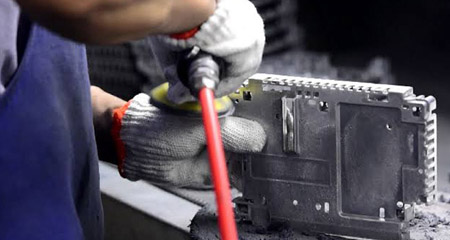
Deburring

Edges, holes, slots, threads and internal cavities are deburred and cleaned. Dimensions that may be affected by finishing are checked before surface treatment.

7

Surface Finishing

Bead blasting, anodizing, brushing, polishing, PVD, coating or engraving is completed according to the approved requirements.

8

Final Inspection

Critical dimensions, appearance, threads and mating features are inspected. Cosmetic components are cleaned and protected before shipment.

Production Support

From Keyboard Case Prototype to Batch Production

Prototype, pilot and batch stages solve different risks and should not use the same acceptance focus.

Stage 01

Prototype Validation

Prototype machining is used to verify PCB fit, plate position, port alignment, top and bottom housing assembly, screw access, visible seams and overall appearance. Engineering feedback can be incorporated before production drawings are finalized.

Stage 02

Pilot Production

A pilot batch helps validate fixtures, machining sequence, deburring, anodizing color, cosmetic standards, inspection methods and packaging. This stage reduces the risk of transferring an unverified prototype process directly into mass production.

Stage 03

Batch Production

After the design and process are approved, key machining datums, tools, fixtures, finishing requirements and inspection standards are documented. In-process inspections help identify variation before it affects the complete batch.

Quality Inspection

Quality Inspection for Mechanical Keyboard Components

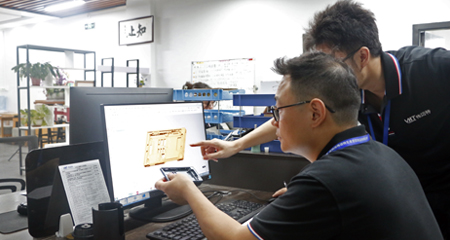
VMT inspects custom mechanical keyboard cases according to drawing requirements and project risks. Inspection planning focuses on the dimensions and surfaces that directly affect assembly, function and appearance rather than checking unrelated features with the same priority.

Raw-material grade and supporting material documentation
First-article dimensional inspection
Housing length, width, height and flatness
PCB and plate mounting-hole positions
USB, cable and daughterboard opening locations
Top and bottom mating surfaces Inspection
Screw holes, threads and insert positions Inspection
Gasket groove width and depth Measurement
Brass weight or decorative-part Trim Fit
Surface Color and Cosmetic Inspection
Final Cleaning
Protective Packaging


Depending on the component and drawing, inspection may include CMM measurement, 2D optical measurement, height gauges, micrometers, calipers, thread gauges, surface inspection and mating-part checks.

Inspection reports, full-dimensional reports and material documentation can be prepared according to the customer’s project requirements.

Customer Case Study

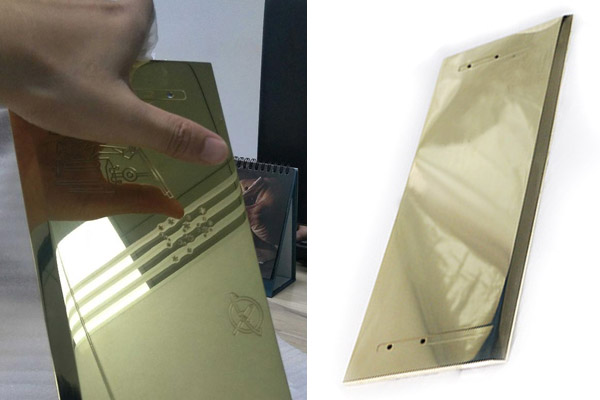
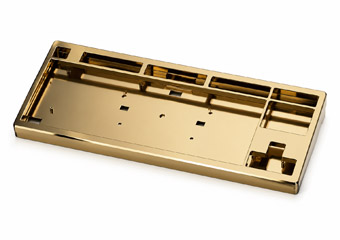
CNC Machining Mirrored Polished Brass Mechanical Keyboard Case

Project Background

A customer required a custom brass mechanical keyboard case with a highly reflective, mirror-like appearance. The finished housing needed to present a premium decorative surface while remaining suitable for repeat batch manufacturing.

Manufacturing Challenges

Brass can show machining lines, polishing marks, fingerprints and small cosmetic defects clearly after mirror finishing. The exposed surface was also vulnerable to oxidation and discoloration if machining, polishing, cleaning and protection were not coordinated correctly.

VMT Manufacturing Solution

VMT CNC machined the keyboard housing according to the customer’s design, then coordinated progressive polishing and mirror-finishing operations. Visible surfaces received controlled handling and appearance inspection throughout the process. After polishing, an anti-oxidation and corrosion-resistant protective treatment was applied to help preserve the brass appearance.

Project Result

The completed brass keyboard case achieved a bright, mirror-like reflective surface without visible surface defects and met the customer’s appearance requirements for batch production.

customer reviews

Custom Aluminum CNC Keyboard Case Customer Reviews

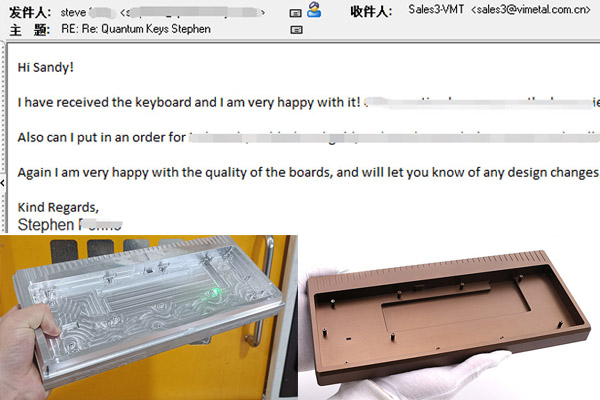
“I received the keyboard and am very happy with both the finished product and the overall quality. The results met my expectations, and I am ready to place another order while keeping VMT updated on any future design changes.”

All part images are authorized by our customers for display and promotional use.

Why VMT

Why Choose VMT for Custom Keyboard Case Machining?

VMT combines engineering review, CNC machining, surface-finishing coordination and quality inspection for drawing-based keyboard housing projects.

Engineering Review

Material, walls, tool access, assembly relationships and finishing risks are reviewed before production.

Complex Housing Machining

Three-axis, four-axis and five-axis CNC support deep pockets, decorative edges and multi-side features.

Fixture Optimization

Fixtures and machining sequences are developed to reduce datum transfer errors, repeated clamping and distortion.

Finishing Coordination

Visible surfaces, textures, threads, holes and mating features are considered before surface finishing.

Quality Inspection

IQC, IPQC, CMM and final inspection control material, dimensions, appearance and shipment requirements.

Prototype to Production

Projects can progress from design validation and prototypes to pilot runs and stable batch manufacturing.

FAQ

Custom CNC Mechanical Keyboard Case FAQs

Answers to common engineering, purchasing, finishing and production questions.

QCan VMT machine custom 60%, 65%, 75%, 80% and TKL keyboard cases?

A

Yes. VMT machines keyboard housings according to customer drawings rather than fixed standard sizes. Projects may include GH60, 60%, 65%, 75%, 80%, TKL, full-size, split or completely custom layouts. PCB, plate and assembly files should be provided for compatibility review.

QWhat files are required for a custom keyboard case quotation?

A

A 3D model such as STEP or STP is recommended for structure and machining review. A 2D drawing should identify critical tolerances, threads, surface finishes and cosmetic requirements. Please also provide material, quantity, color, finish and expected production stage.

QWhich aluminum grade is best for a mechanical keyboard housing?

A

Aluminum 6061-T6 is commonly used because it balances machinability, strength, availability and anodizing performance. Aluminum 6063-T6 may suit appearance-focused components, while 7075-T6 offers higher strength at a higher material and machining cost. Final selection depends on structure and finish.

QHow does VMT reduce warping in large aluminum keyboard cases?

A

VMT reviews material condition, wall thickness, pocket depth, clamping position, cutting force and machining sequence. Balanced material removal, suitable fixtures, controlled roughing and finishing, reduced re-clamping and in-process inspection help improve dimensional stability.

QHow are PCB holes and USB port openings controlled?

A

PCB mounting holes, plate locations and connector openings are machined from defined common datums. VMT reviews connector stack-up, opening clearance, chamfers and related dimensions, then inspects critical coordinates according to the customer’s assembly drawing.

QCan VMT machine keyboard plates, brass weights and knobs together?

A

Yes. VMT can support housings, plates, brass or copper weights, knobs, buttons, badges and internal brackets as one custom project. Coordinating these parts with the same assembly data helps reduce fit problems between components supplied by different manufacturers.

QCan anodized keyboard case colors be matched exactly?

A

Anodizing color is influenced by aluminum grade, material batch, surface texture, pre-treatment and process conditions. VMT can work with customer color references and approved samples, but acceptable color range and comparison conditions should be agreed before production.

QHow are threads and precision holes protected during anodizing?

A

Critical threads and fits are reviewed during DFM. Depending on the drawing, VMT may adjust machining allowance, specify masking, clean features after finishing or perform post-finish gauge inspection. The final method depends on coating thickness and functional requirements.

QCan CNC machining guarantee a specific keyboard sound?

A

CNC machining controls the housing structure, fit, groove dimensions and mounting interfaces, but the final sound also depends on switches, plates, keycaps, PCB, gaskets, foam and assembly conditions. Complete prototype assembly is recommended for acoustic validation.

QCan VMT support both prototypes and mass production?

A

Yes. VMT supports prototype validation, pilot production and batch manufacturing. Prototype results can be used to refine assembly dimensions, cosmetic standards and finishing requirements before fixtures, inspection methods and production processes are finalized.

Design and RFQ Guide

Custom Mechanical Keyboard Case Design and RFQ Guide

A successful CNC mechanical keyboard housing begins with the complete assembly, not only the exterior shape. PCB position, switch plate, daughterboard, USB connector, battery, screws, gaskets, weights and cable clearance should be defined before the housing drawing is released.

Start with the Complete Assembly Stack

Use a complete 3D assembly to confirm component heights, connector position, plate location and screw access. When only separate part files are provided, relationships between the housing, PCB and plate can be missed.

Choose Materials by Function

Aluminum 6061-T6 is suitable for many housings because it balances strength, machining and finish options. Brass and stainless steel are often used for plates, weights and decorative components. Material should be selected according to structural load, weight, appearance and budget.

Avoid Unnecessary Deep Pockets and Thin Walls

Deep cavities and very thin walls increase machining time, deformation risk and material waste. Internal corner radii should allow practical cutting tools, while wall thickness and pocket depth should be reviewed against the required stiffness.

Plan Surface Finishing Before Final Tolerances

Anodizing, PVD and coatings can affect holes, threads and mating features. Cosmetic surfaces should be marked on the drawing, along with texture direction, acceptable color range and areas that require masking.

Prioritize the Features That Affect Assembly

Not every dimension needs the same tolerance. Prioritize PCB holes, plate positions, USB openings, mating faces, gasket grooves, screw locations and decorative-part fits. This helps concentrate machining and inspection resources on functional requirements.

What Affects CNC Keyboard Case Machining Cost?

Cost is influenced by material size, material-removal volume, deep cavities, thin walls, the number of setups, small corner radii, complex multi-axis surfaces, finishing requirements, cosmetic standards, tolerance level and inspection documentation.

Information to Include in Your RFQ

Provide the 3D model, 2D drawing, material, quantity, surface finish, color reference, critical dimensions, assembly files and prototype or batch-production requirements. More complete information enables a more accurate engineering review and quotation.

Start Your Project

Send Your Mechanical Keyboard Case Drawings

Upload your design for an engineering review covering material, machining risks, critical dimensions, surface finishing, inspection and prototype-to-production planning.

  • 2D and 3D Drawings
  • Material and Quantity
  • Surface Finish and Color
  • Critical Tolerances
  • PCB and Plate Assembly Files
  • Prototype or Production Requirements

Related suggestion

Write us

Give us a call or send an inquiry to our emailbox, we will answer your doubts according to your customers' requirements, and quote you immediately.

Upload 2D/3D drawings

Upload Your Files or Contact inquiry@vimetal.com.cn to Get Instant Quote (Please attach 2D CAD drawings and 3D CAD models in any format including STEP, IGES, DWG, PDF, STL, ZIP, etc.).
Upload files ( Max file size: 20MB )

Upload 2D/3D drawings

Upload Your Files or Contact inquiry@vimetal.com.cn to Get Instant Quote (Please attach 2D CAD drawings and 3D CAD models in any format including STEP, IGES, DWG, PDF, STL, ZIP, etc.).
Upload files ( Max file size: 20MB )
+86 15099911516
loading