1. What Information Should You Include in an RFQ?
Submit a 3D model for geometry and a dimensioned 2D drawing for tolerances, datums, threads, roughness and notes. Add material condition, quantity, finish, critical features, reports, assembly use and packaging.
2. How Should You Choose a Stainless Grade?
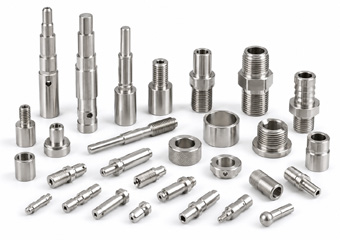
Choose from operating environment first. 303 supports efficient turning, 304 balances corrosion and cost, 316L supports more demanding corrosion and cleanliness, while 17-4PH supports high-strength applications.
3. Which CNC Process Fits Your Geometry?
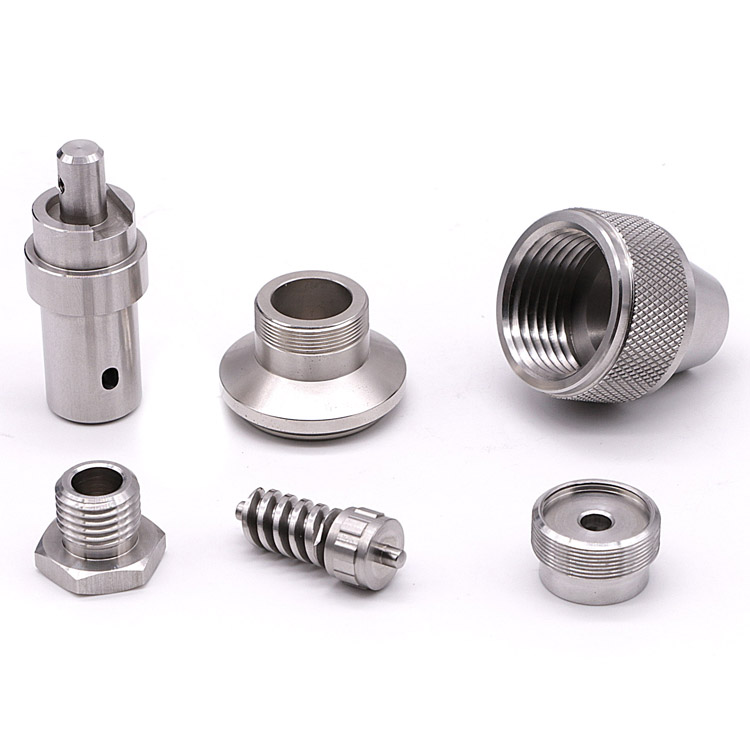
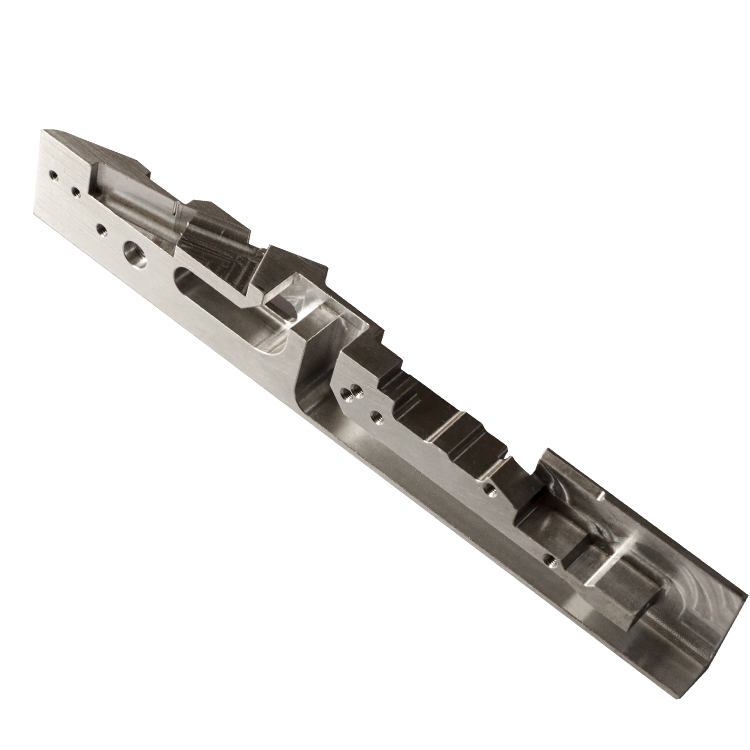
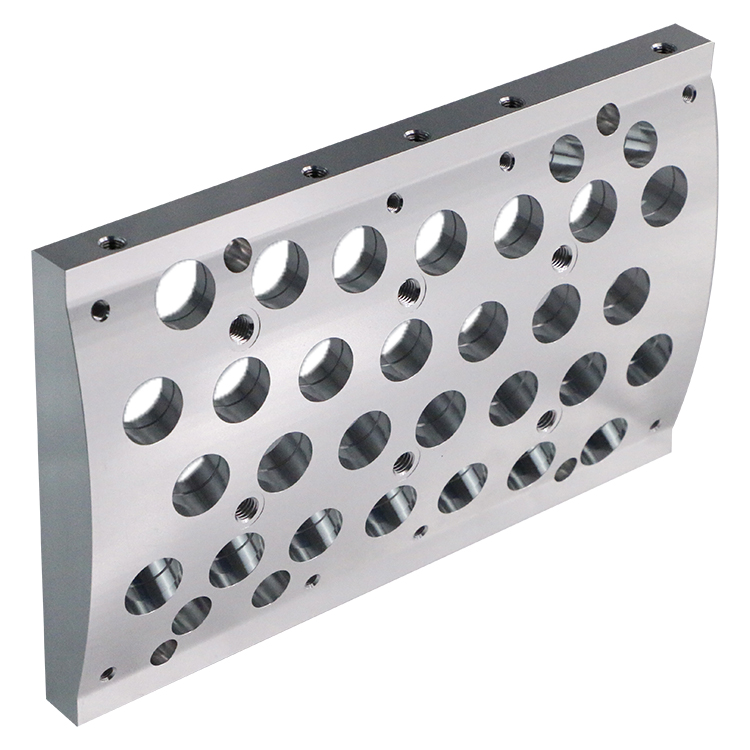
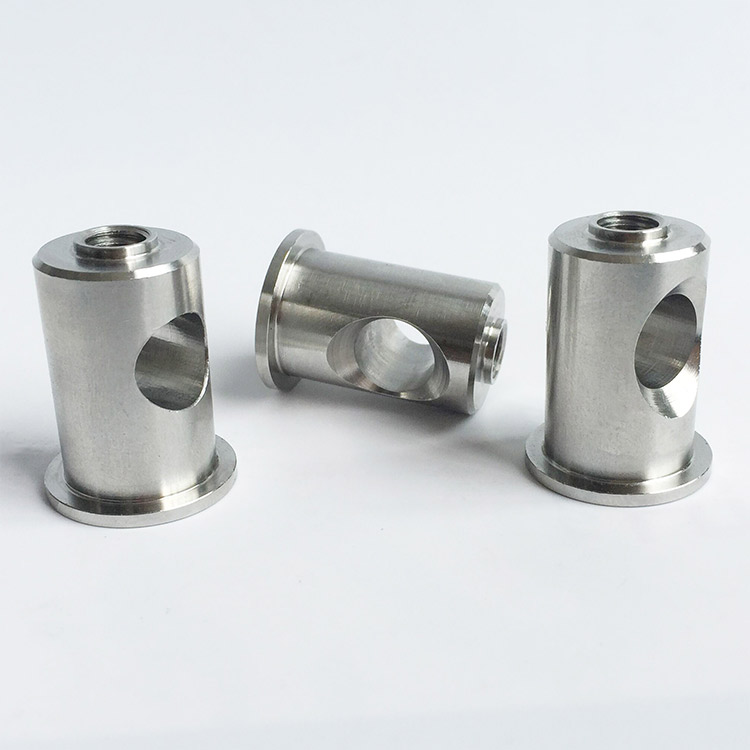
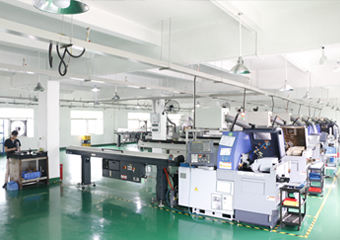
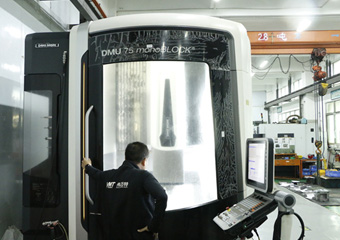
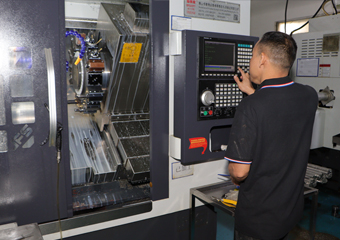
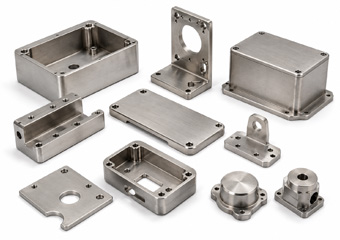
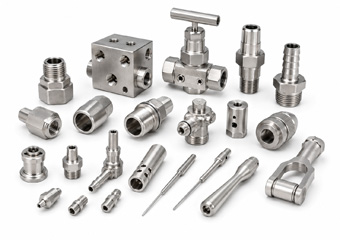
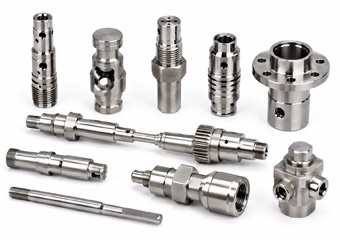
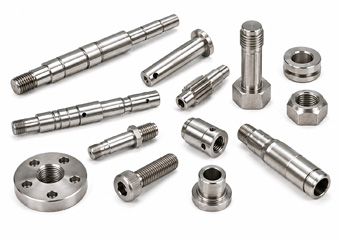
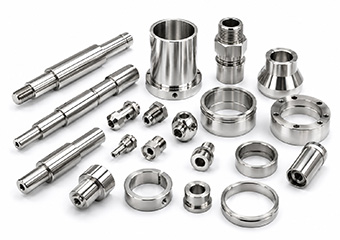
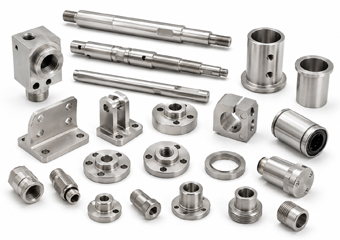
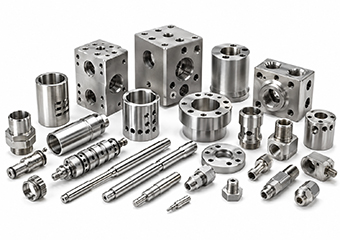
Use turning for rotational parts, milling for housings and brackets, Swiss machining for slender small parts, turn-mill for rotational parts with milled features, and 5-axis machining for multi-direction geometry.
4. How Should You Specify Tolerances and Datums?
Mark the dimensions controlling sealing, fits, motion, alignment and assembly, then establish functional datums. Use practical general tolerances for non-critical geometry to control cost.
5. How Do Finishes Affect Machining?
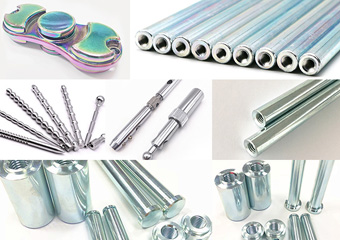
Define polishing, passivation, electropolishing, PVD, plating, blasting, powder coating and painting before machining because these processes can remove material, add buildup, soften edges or affect threads and fits.
6. How Should You Evaluate a Supplier?
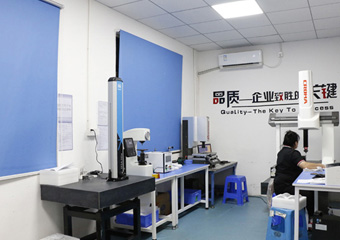
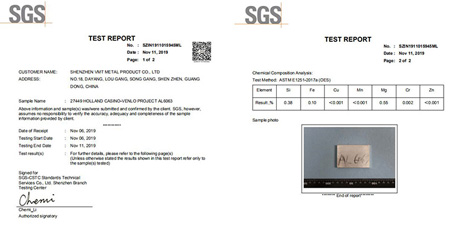
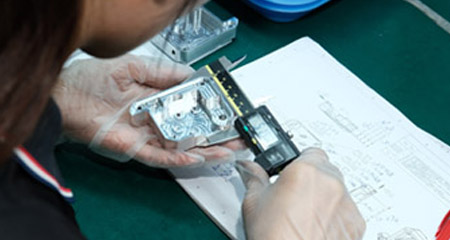
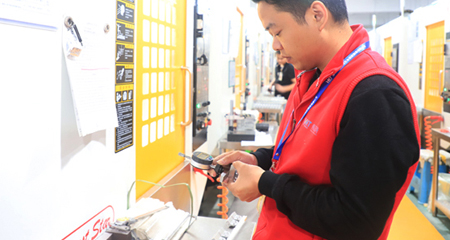
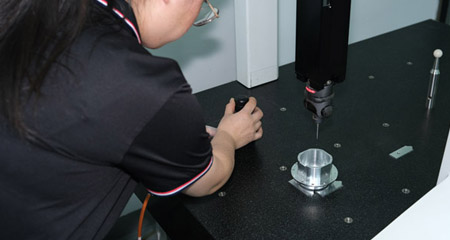
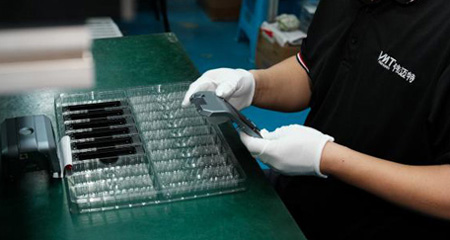
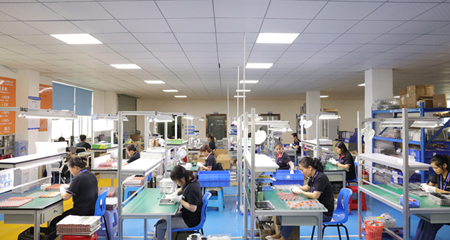
Ask how your supplier reviews drawings, verifies material, manages work hardening, plans fixtures, checks first articles, monitors tool wear, verifies critical features and protects finished surfaces.
7. How Do You Validate Prototypes?
Use your prototype to test fit, sealing, movement, assembly, finish and inspection—not only isolated dimensions. Release a revision-controlled drawing before repeat production.
8. Which Factors Determine Cost?
Your cost depends on grade, stock size, quantity, setup count, cycle time, tool wear, access, tolerance, inspection, treatment, finish, marking, reports and packaging.
9. How Can You Reduce Purchasing Risk?
Confirm drawing revision, material, prototype quantity, inspection plan, finish standard, reporting requirements and shipping protection in writing.
10. What Should You Expect from VMT?
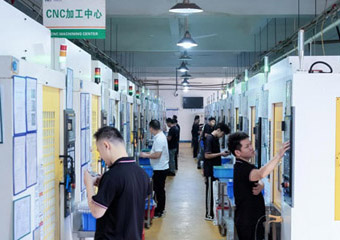
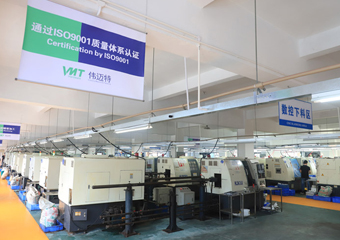
VMT reviews your drawing, selects a process route, coordinates material and finishing, inspects critical features and supports your move from prototype validation to repeat production.
 +86 15099911516
  inquiry@vimetal.com.cn




 Related suggestion