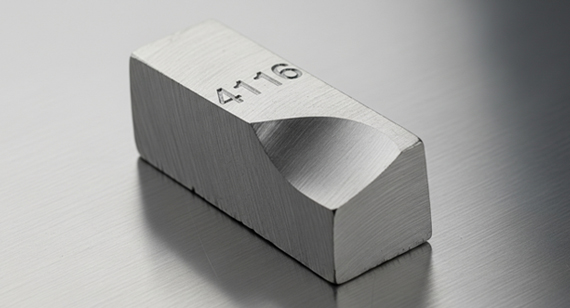
16 years one-stop China custom CNC machining parts factory

Hey there I’m VMT Sam!
With 25 years of CNC machining experience we are committed to helping clients overcome 10000 complex part-processing challenges all to contribute to a better life through intelligent manufacturing. Contact us now
 1238 |
Published by VMT at Feb 05 2026 | Reading Time:About 3 minutes
1238 |
Published by VMT at Feb 05 2026 | Reading Time:About 3 minutes


As an alloy-low carbon steel, 4130 steel distinguishes itself from other common low-carbon steels because of the alloying elements’ addition of chromium and molybdenum. These alloying elements enhance its strength, corrosion resistance, wear resistance, and scratch resistance; Chromium element simultaneously improves the hardenability of 4130 steel, making it far more responsive to heat treatment processes than other carbon steel families.
This article explores this versatile steel—good for its excellent machinability, superior weldability, and high strength-to-weight ratio—which has become a well-suited choice in aerospace, automotive, and precision component manufacturing. Read on to learn more about AISI 4130 alloy steel.
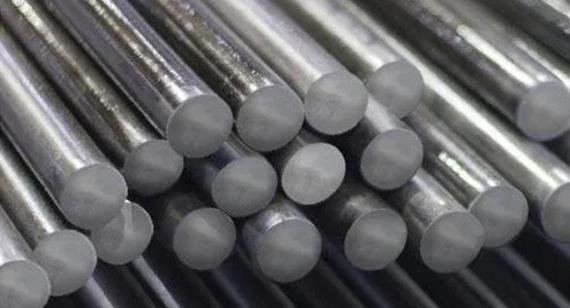
4130 steel is known by several other common names such as 4130 chromoly steel, 4130 chrome moly steel, and 4130 chromium molybdenum steel. These names have already revealed exactly what makes this alloy unique: elements of chromium and molybdenum.
A high machinability rating (70%) combined with strength and toughness makes 4130 steel ideal for structural uses like 4130 steel bike frames. Additionally, with a carbon content of approximately 0.3%, 4130 steel is relatively easier to be welded compared to other medium or high carbon steels. It is important to note that 4130 steel only contains approximately 1% chromium—this is lower than the 10% or more that stainless steel contains— which cannot form a protective surface layer to prevent oxidization. Therefore, surface treatments such as electroplating, powder coating, blackening, or phosphating chemical treatments are still needed for 4130 steel products. And 4130 steel price is relatively higher than many carbon steel grades because of its alloying elements addition.
Complementary Table of 4130 Steel Chemical Composition
Below table shows 4130 alloy steel detailed chemical composition:
Table 1: 4130 Steel Chemical Composition
| Element |
Percentage (%) |
| Carbon (C) |
0.28 – 0.33 |
| Chromium (Cr) |
0.80 – 1.10 |
| Molybdenum (Mo) |
0.15 – 0.25 |
| Manganese (Mn) |
0.40 – 0.60 |
| Silicon (Si) |
0.15 – 0.35 |
| Iron (Fe) |
Balance |
Below is the comprehensive table of mechanical, physical, and thermal properties of AISI 4130 steel for your engineering reference:
Table 2: Properties of 4130 Steel
| Category |
Property |
Typical Value (Metric / Imperial) |
| Physical |
Density | 7.85 g/cm³ (0.284 lb/in³) |
| Melting Point | 1432°C (2610°F) | |
| Poisson's Ratio | 0.27 – 0.30 | |
| Thermal |
Thermal Conductivity | 42.7 W/m·K (24.7 BTU/hr·ft·°F) |
| Specific Heat Capacity | 477 J/kg·°C (0.114 BTU/lb·°F) | |
| Coeff. of Thermal Expansion (CTE) | 12.2 µm/m·°C (6.78 µin/in·°F) [@20-100°C] | |
| Elasticity |
Modulus of Elasticity (Young's) | 205 GPa (29,700 ksi) |
| Shear Modulus | 80 GPa (11,600 ksi) | |
| Bulk Modulus | 140 GPa (20,300 ksi) | |
| Mechanical Strength |
Yield Strength | |
| - Annealed | 435 MPa (63,100 psi) | |
| - Normalized | 460 MPa (66,700 psi) | |
| - Quenched & Tempered (typical) | 700 – 950+ MPa (102,000 – 138,000+ psi) | |
| Tensile Strength (Ultimate) | ||
| - Annealed | 560 MPa (81,200 psi) | |
| - Normalized | 670 MPa (97,200 psi) | |
| - Quenched & Tempered (typical) | 850 – 1100+ MPa (123,000 – 160,000+ psi) | |
| Ductility |
Elongation at Break (in 50 mm) | |
| - Annealed | 28% – 30% | |
| - Normalized | 18% – 22% | |
| - Quenched & Tempered | 10% – 18% (varies by tempering temp) | |
| Reduction of Area | 40% – 60% | |
| Hardness | Brinell Hardness (HB) | |
| - Annealed | 156 HB | |
| - Normalized | 197 HB | |
| Rockwell Hardness (HRC/HRB) | ||
| - Normalized | 92 HRB / 20-25 HRC | |
| - Quenched & Tempered | 30 – 45 HRC |
Stability of Physical and Thermal Properties
AISI 4130 steel exhibits the physical stability typical of alloy structural steels, with a density of 7.85 g/cm³ and a melting point of 1432°C, providing a foundation for its use in high-temperature and high-pressure environments. Regarding thermal properties, the material features good thermal conductivity (42.7 W/m·K) and a moderate coefficient of thermal expansion (12.2 µm/m·°C). This ensures efficient heat dissipation and dimensional stability during heat treatment or temperature fluctuations, reducing the risk of deformation or cracking caused by thermal stress.
Rigidity and Fabrication Ductility
In terms of mechanical properties, AISI 4130 possesses a high modulus of elasticity (205 GPa) and shear modulus (80 GPa), reflecting excellent resistance to elastic deformation. The material's performance is significantly influenced by its heat-treated state; in the annealed condition, it has a lower hardness (156 HB) and a high elongation of 28%–30%, demonstrating superior ductility and formability. This makes the material well-suited for machining and preliminary cold-forming, facilitating the manufacture of complex components.
Balance of Strength and Toughness
After Strengthening, a key advantage of AISI 4130 is its excellent response to heat treatment, particularly quenching and tempering. After strengthening, the yield strength can increase from 435 MPa in the annealed state to between 700 and 950+ MPa, while the ultimate tensile strength can exceed 1100 MPa and hardness increases to 30–45 HRC. Despite this significant increase in strength, it maintains an elongation at break of 10%–18%, achieving an ideal balance of strength, hardness, and toughness. These characteristics make it widely used for critical structural parts in aerospace, automotive racing frames, and oil drilling applications.
High Strength-to-Weight Ratio Advantage
The superior strength-to-weight ratio of AISI 4130 makes it an ideal material for aerospace and motorsport applications. Through normalizing or quenching and tempering, its yield strength is substantially improved while the density remains constant at 7.85 g/cm³. This allows engineers to utilize thinner-walled, lighter 4130 tubing to replace bulkier conventional steels under the same mechanical loads, thereby significantly reducing the total weight of the structure.
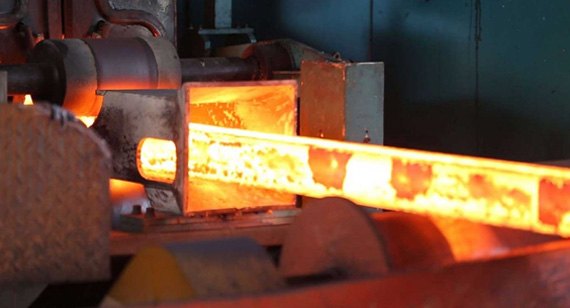
AISI 4130 alloy steel has a good responsiveness to heat treatment due to the chromium increasing its hardenability. About 4130 alloy steel’s heat treatment:
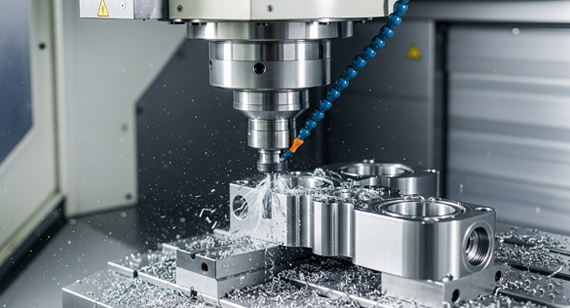
In the context of CNC machining, 4130 alloy steel is considered to have good machinability, with a rating of approximately 70% .
When performing CNC milling or turning on 4130, the material’s condition is vital. 4130 steel bar stock in the annealed or normalized state provides the best balance of tool life and surface finish. Because 4130 is a "tough" material rather than a "hard" one (in its unheated state), it produces continuous chips that need to be managed with proper chip breakers.
For high-precision CNC machined parts, 4130’s dimensional stability is a major benefit. It does not warp as easily as some high-carbon steels during the cutting process. However, once the material has been quenched and tempered to higher hardness levels, machinability drops, and specialized carbide tooling or grinding may be required to achieve tight tolerances.
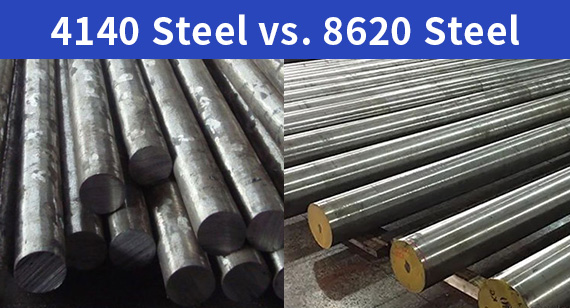
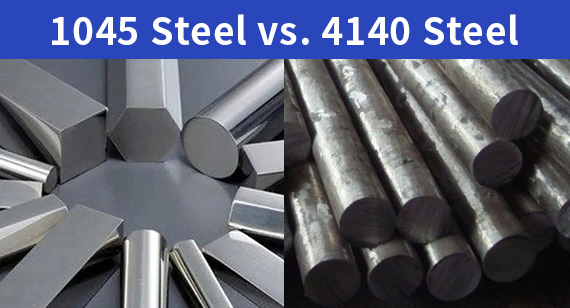
While Both 4130 steel and 4140 steel belong to the same family of chromium-molybdenum alloys, their core difference lies in carbon content, resulting in variations in hardening capacity, toughness, and machining processes. Below table highlights their distinct engineering characteristics:
Table 3: AISI 4130 vs. AISI 4140 Comparison
| Property |
AISI 4130 Steel |
AISI 4140 Steel |
| Carbon Content |
~0.30% (Lower carbon) | ~0.40% (Higher carbon) |
| Weldability |
Superior; easily welded with standard methods (TIG/MIG) without cracking. | Difficult; requires mandatory pre-heating and post-weld heat treatment (PWHT). |
| Hardenability |
Moderate; best for thin sections or tubing where uniform hardness is needed. | High; excellent "through-hardening" capability even in large, thick cross-sections. |
| Mechanical Strength |
High strength-to-weight ratio; ideal for structural efficiency. | Higher absolute strength, fatigue resistance, and torsional stiffness. |
| Hardness (Typical) |
20 – 45 HRC (Depends on tempering). | 25 – 55+ HRC (Can achieve much higher surface hardness). |
| Ductility & Toughness |
Higher impact toughness and better resistance to brittle fracture. | Slightly lower ductility; more brittle if not tempered correctly. |
| Wear Resistance |
Moderate; suitable for structural use. | Excellent; the higher carbon content provides superior resistance to abrasion. |
| Machinability |
~70% (of AISI 1212); easier to machine in annealed state. | ~65% (of AISI 1212); tougher to machine, especially in treated states. |
| Typical Applications |
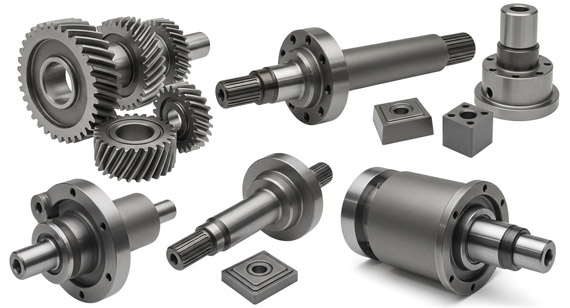
Aircraft frames, roll cages, bicycle frames, pressure lines. | Heavy-duty gears, crankshafts, high-tensile bolts, machine spindles. |
Choose 4130 (Chromoly) when your design requires welding and a high priority on weight reduction. It is the industry standard for aerospace and motorsport chassis, and it maintains structural integrity after welding better than 4140.
Choose 4140 when your design requires maximum hardness, wear resistance, or is a large solid component (like an axle or a gear). The extra 0.10% carbon allows it to reach much higher strength levels through heat treatment, but it is prone to cracking if welded without specialized procedures.
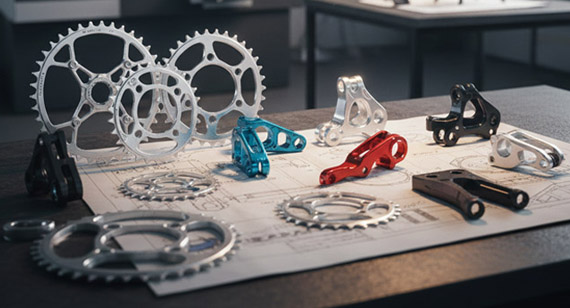
The versatility of 4130 steel applications spans across industries that demand reliability and high performance. For example:
You can find 4130 steel equivalent grades in different regions in below table:
Table 4: 4130 Steel Equivalent Grades
| Region |
Equivalent Grade |
Notes |
| United States (AISI/SAE) |
4130 / UNS G41300 | General industrial standard. |
| United States (Aerospace - AMS) |
AMS 6370 / AMS 6348 | Specialized for aircraft parts (bars/forgings). |
| United States (Military - MIL) |
MIL-S-6758 | US Military specification for 4130 alloy steel. |
| European Union (EN / DIN) |
25CrMo4 / 1.7218 | Most common European equivalent. |
| United Kingdom (BS) |
708A25 / 25CrMo4 | Includes the older CDS11 (Cold Drawn Seamless). |
| China (GB/T) |
30CrMo | Standard Chinese alloy structural steel. |
| Japan (JIS) |
SCM430 | Chromium Molybdenum steel series. |
| Russia (GOST) |
30XM (30KhM) | Cyrillic: 30ХМ. |
| France (AFNOR) |
25CD4 | Classic French designation often used in vintage aviation. |
| Sweden (SS) |
2225 | Standard Swedish structural steel grade. |
| International (ISO) |
25CrMo4 / ISO 683-1 | Global harmonized standard. |
| Australia (AS) |
AS 1444 - 4130 | Australian alloy steel standard. |
In summary, 4130 chromium-molybdenum alloy steel has emerged as a reliable material for engineering applications, thanks to its balanced strength, wear resistance, weldability, high strength-to-weight ratio, and excellent machinability and heat treatment response. Whether designing 4130 steel frames or manufacturing complex industrial components, understanding the 4130 alloy steel’s properties and its performance in CNC machining and heat treatment is essential.

A high-performance engine manufacturer required a batch of custom crankshafts made from 4130 steel round bars. The primary challenge was maintaining a strict concentricity tolerance of ±0.01mm across the bearing journals while ensuring the part could withstand high-RPM torsional stress.
Our Solution:
Material Preparation and Strategic Machining
To ensure the precision, VMT selected AISI 4130 steel in a normalized state to ensure predictable tool wear and consistent chip formation. This stability was critical for maintaining the strict ±0.01mm concentricity tolerance during the initial phases of material removal. We implemented a strategic rough-to-finish CNC turning approach using high-rigidity lathes equipped with customized dampening fixtures, specifically designed to eliminate vibration across the slender crankshaft profile. A precise machining allowance of 0.5mm was maintained on all bearing journals to compensate for potential thermal expansion and localized stress accumulation during these primary stages.
Thermal Stabilization and Precision Finishing
Recognizing the risk of latent distortion, we introduced a sub-critical stress-relieving heat treatment (540°C - 650°C) between the roughing and finishing cycles. This crucial step neutralized internal stresses redistributed during heavy machining, ensuring the component remained geometrically inert for the final high-precision cuts. For the definitive journal diameters, we utilized CNC Cylindrical Grinding with vitrified bond cBN (Cubic Boron Nitride) wheels. This "cold-cutting" process prevented grinding burn and achieved a superior surface finish of Ra 0.4. Finally, every unit underwent rigorous Magnetic Particle Inspection (MPI) to verify total surface integrity and the absolute absence of sub-surface defects before delivery.
The Result:
By leveraging the AISI 4130 steel properties correctly and utilizing high-precision grinding, we achieved a surface finish of Ra 0.4. The final parts showed zero micro-cracking under NDT (Non-Destructive Testing), and the customer reported a 20% increase in component longevity compared to their previous 1040 carbon steel design.
How is 4130 carbon steel manufactured?
It is typically produced in electric furnaces. Pig iron and scrap are melted at temperatures exceeding 2600°F (1370°C). Oxygen is injected to lower the carbon content to exactly 0.30%, after which precise amounts of Chromium and Molybdenum are added. The molten steel is then cast into ingots or billets for rolling.
What are the common forms of 4130 steel available?
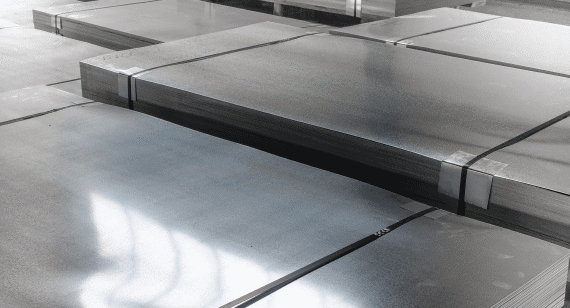
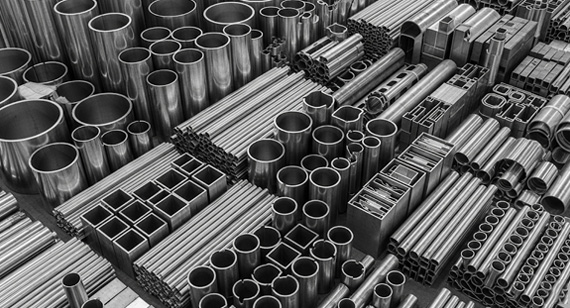
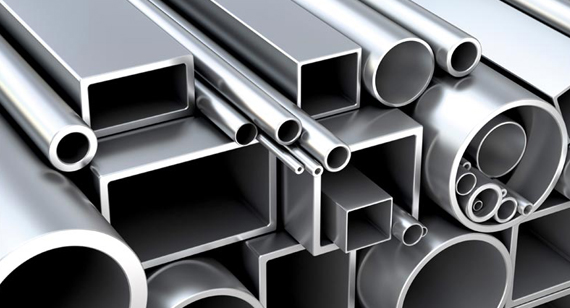
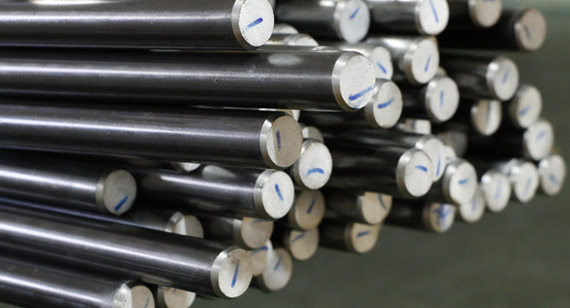
It is available in various shapes to suit different manufacturing needs, including 4130 steel tubing, 4130 steel plate, 4130 steel sheet, and 4130 steel round bar. It can be found as cold rolled steel for tighter tolerances or forged bar for maximum structural integrity.
Can 4130 steel be aged?
No. Unlike certain aluminum alloys or precipitation-hardening stainless steels, 4130 does not respond to aging. Its strength is derived from quenching and tempering or work hardening.
4130 Carbon Steel vs. A514 Steel: What is the difference?
A514 is primarily a high-strength, quenched-and-tempered structural steel plate used in bridges and construction. 4130 is a more versatile machinery steel available in many forms (tubes/bars) and is much better suited for precision CNC machining and complex welding.
Why is 4130 steel more expensive than standard carbon steel?
The cost is driven by the addition of alloying elements (Cr and Mo) and the more stringent manufacturing processes required to maintain the specific chemical balance needed for aerospace and high-performance certifications.
Does 4130 steel deform easily during machining?
While it has a high modulus of elasticity, thin-walled 4130 steel tube components can vibrate or deflect if not properly fixtured. Using sharp carbide tools and appropriate feed rates can minimize tool pressure and avoid deformation.


 +86 15099911516




 Read more