3. How Should Buyers Choose Material?
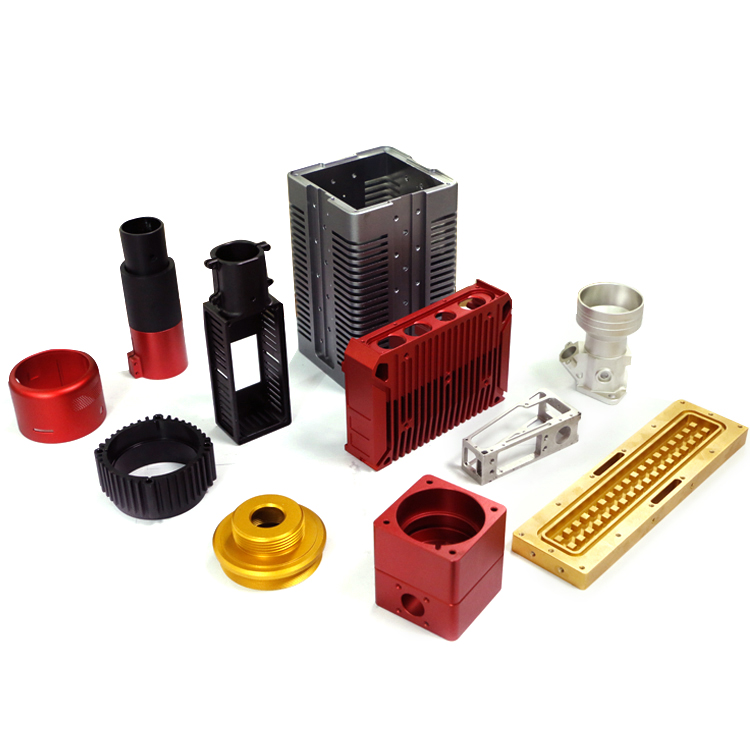
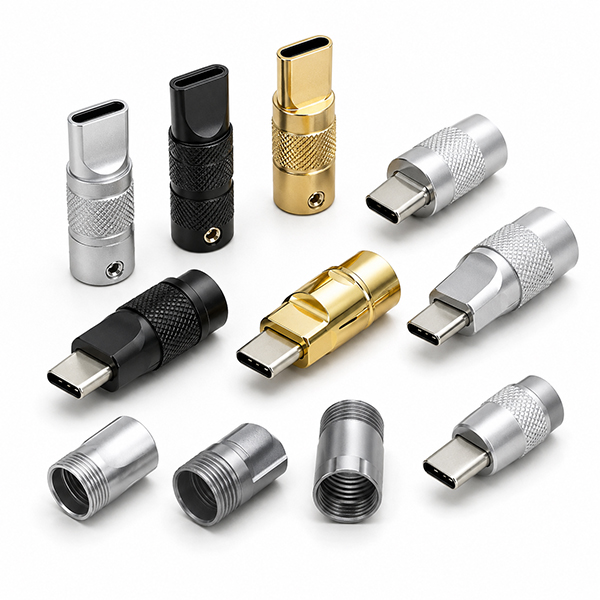
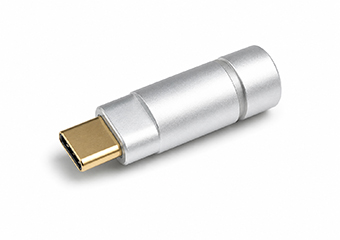
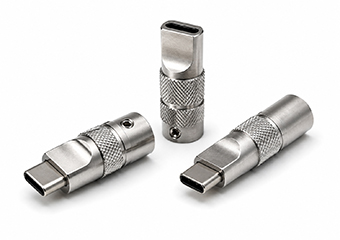
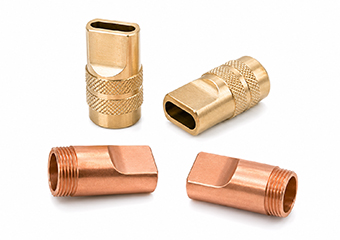
Material should be selected according to the required weight, strength, visible appearance, corrosion environment, finish and assembly function. Aluminum is common for lightweight anodized housings, stainless steel supports higher-strength or premium metallic designs, while brass, copper or titanium can be reviewed when their specific material properties fit the project.
4. Which CNC Process Is Suitable for the Geometry?
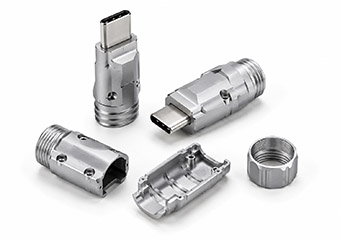
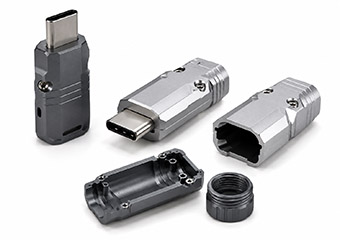
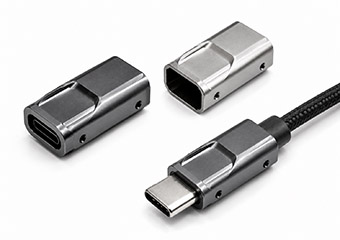
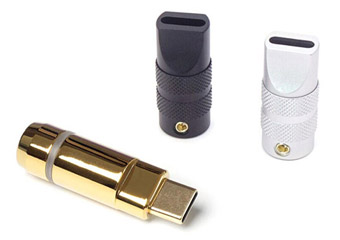
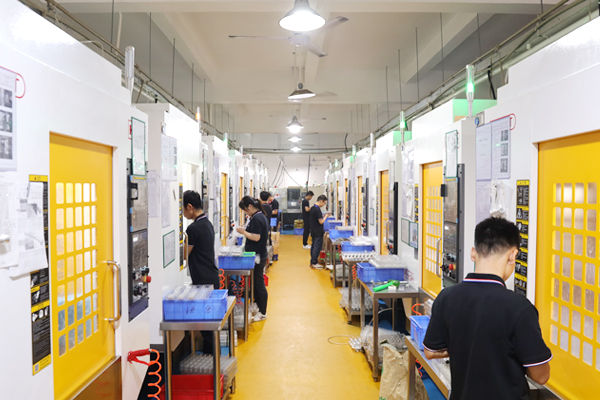
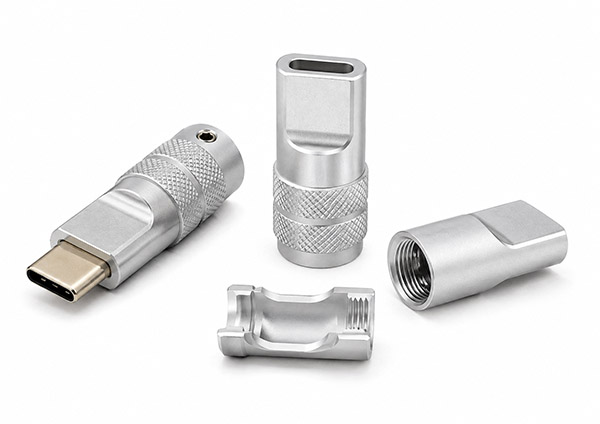
The process depends on the housing shape and feature relationships. CNC milling is common for pockets and profiled shells, turning can suit rotational features or threaded bodies, while multi-axis machining may help when the housing includes angled features or multi-side geometry that would otherwise require repeated repositioning.
5. How Can Surface Finishing Change Fit?
Anodizing, plating, powder coating and other finishes can add thickness or change the way functional surfaces behave. When connector pockets, threads, mating faces or visible edges are sensitive, the machining allowance, masking plan and post-finish inspection method should be reviewed before the finish is released.
6. Which Tolerances Should Be Treated as Critical?
Critical tolerances are normally the ones that affect connector alignment, thread engagement, pocket fit, mating surfaces and cosmetic gaps. Not every dimension needs the same inspection priority, so the customer should identify the dimensions that control actual assembly function and visible quality.
7. How Should Inspection Be Planned?
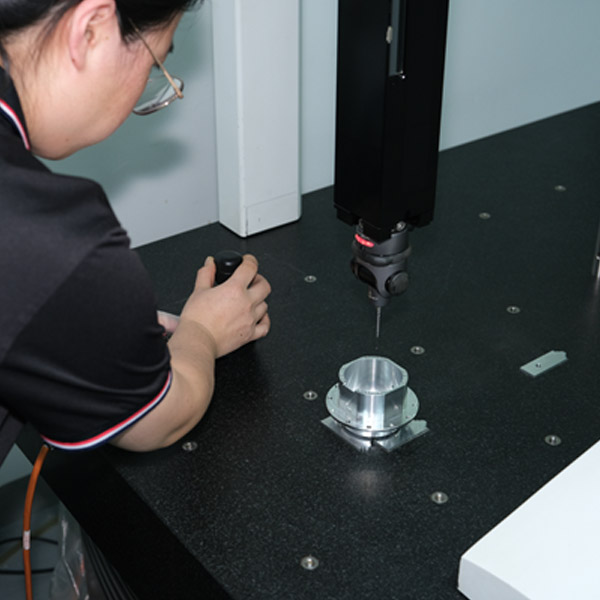
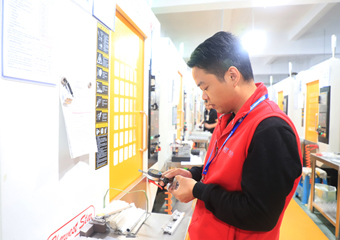
Inspection should connect directly to the product function. Opening size and position, internal pockets, threads, fit-sensitive finished surfaces and cosmetic exteriors should be reviewed using appropriate dimensional and visual inspection methods during machining, after finishing and before shipment.
8. What Determines Machining Cost?
Cost is usually influenced by material, geometry complexity, thin-wall areas, small features, finishing requirements, critical tolerances, inspection expectations and order quantity. A clearer drawing and better definition of the mating structure can help reduce quotation uncertainty and avoid unnecessary manufacturing steps.
9. What Should Be Included in an RFQ?
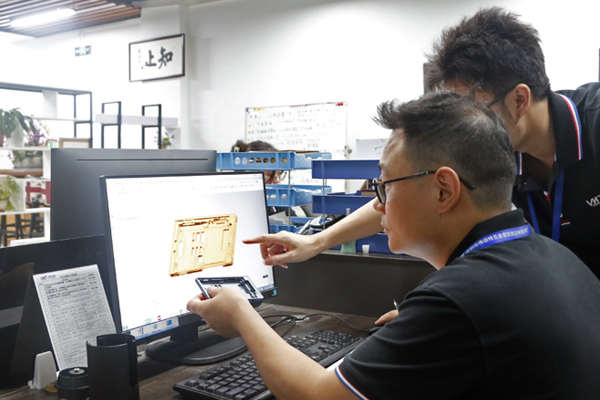
A good RFQ typically includes the 2D drawing, 3D model, material, finish, quantity, critical tolerances and any available connector, cable, PCB or mating information. If you already know the prototype or production stage, that also helps the supplier review the most suitable machining and inspection plan.
 +86 15099911516
  inquiry@vimetal.com.cn






 Related suggestion