16 years one-stop China custom CNC machining parts factory
Home / Product / Electronic Industry /
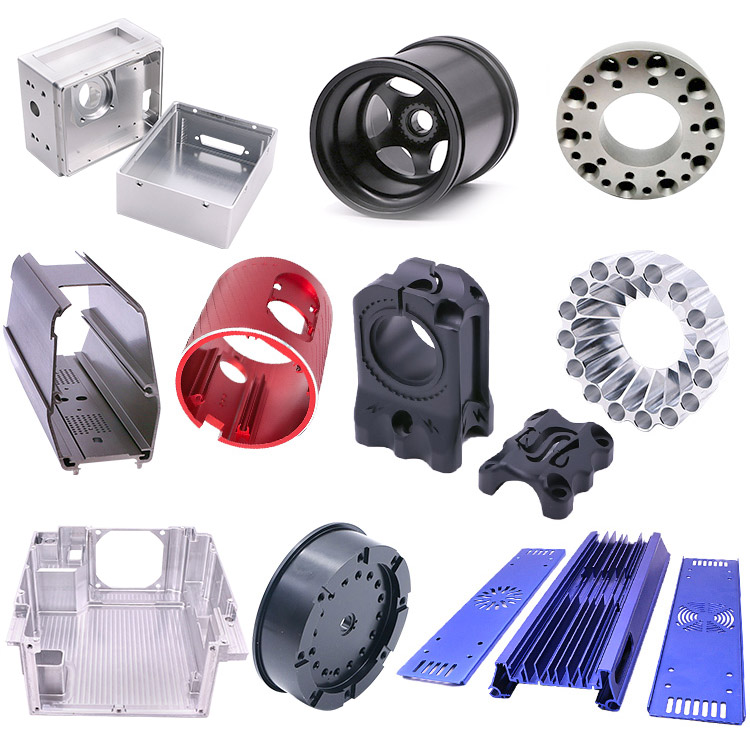
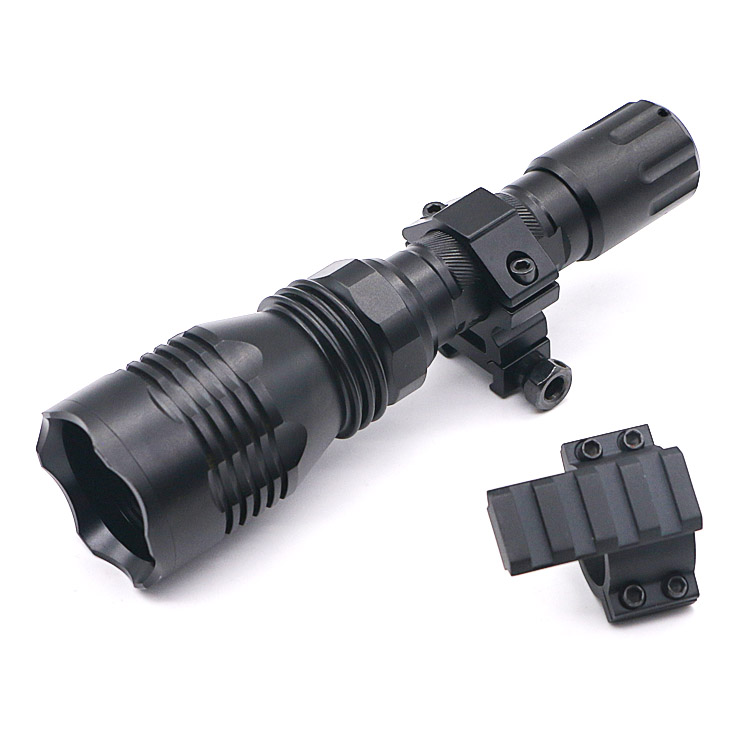
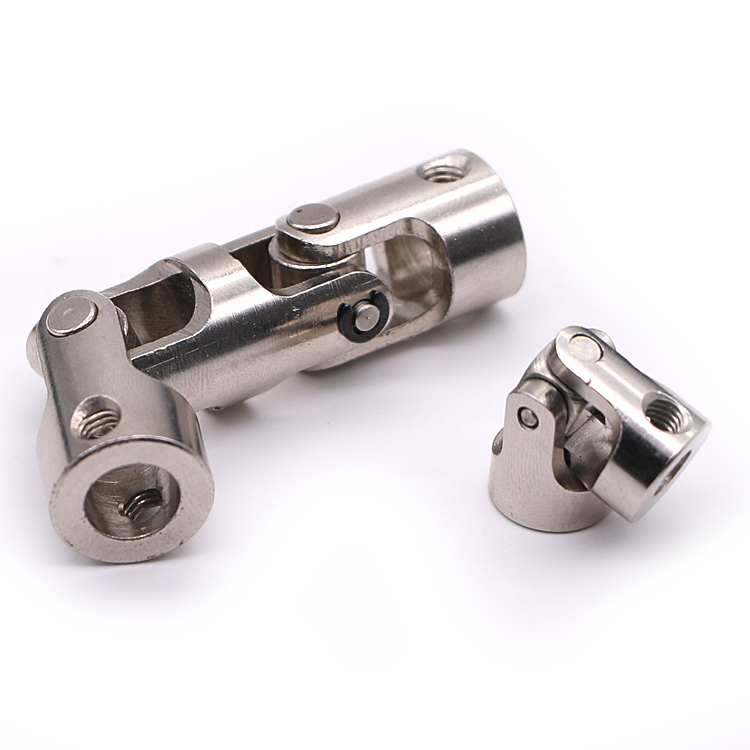
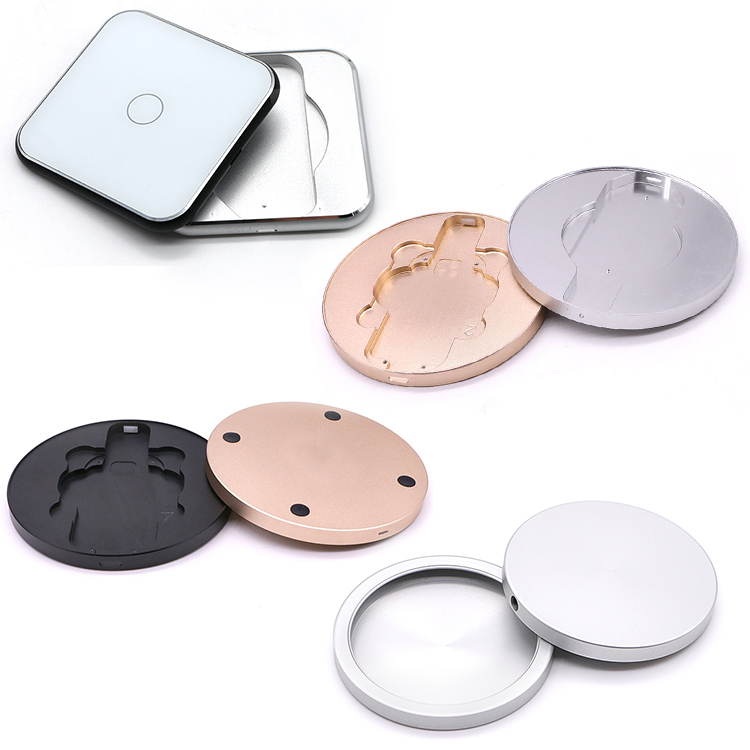
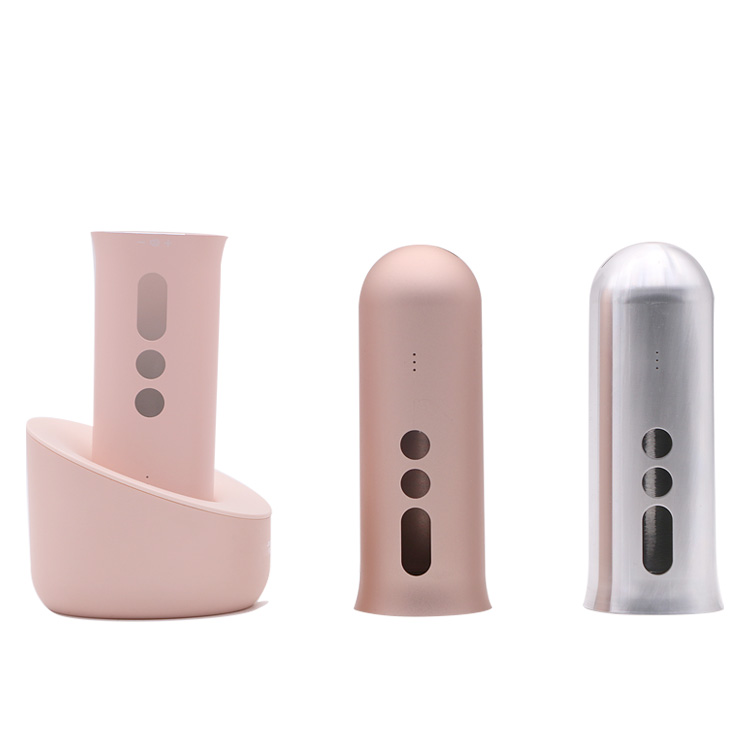
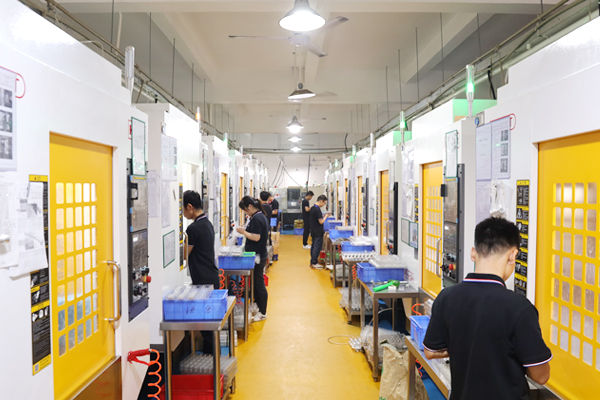
VMT is a CNC machining and manufacturing factory for various electronic equipment casings. With 13 years of experience in CNC machining electronic housings and various types of CNC electronic housing samples, you can send pictures to view and view the factory online, contact us immediately to obtain samples. We can provide you with various types of electronic product casing machining services to meet your customized CNC machining needs.
Product Specification:


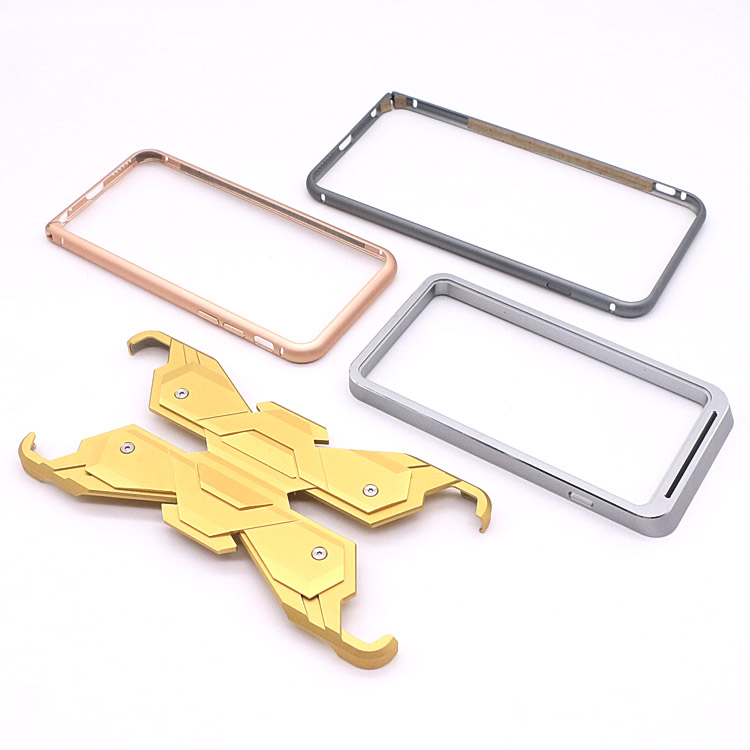
VMT provides custom CNC machining for metal phone frames, smartphone housing parts, aluminum protective frames, buttons, camera rings and precision electronic enclosure components based on customer drawings. We help electronics brands and OEM manufacturers control thin-wall deformation, hole accuracy, assembly fit, surface finish consistency and prototype-to-production quality.
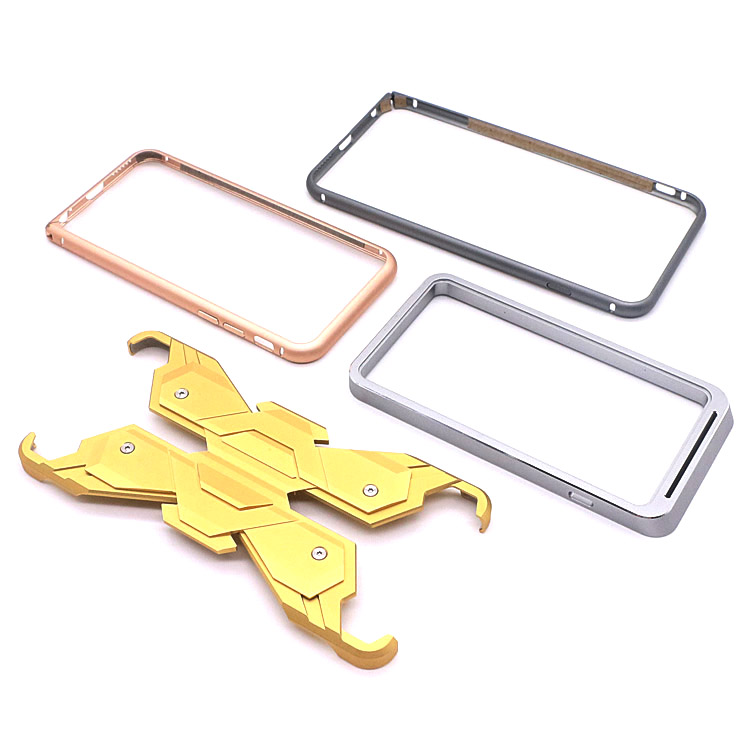
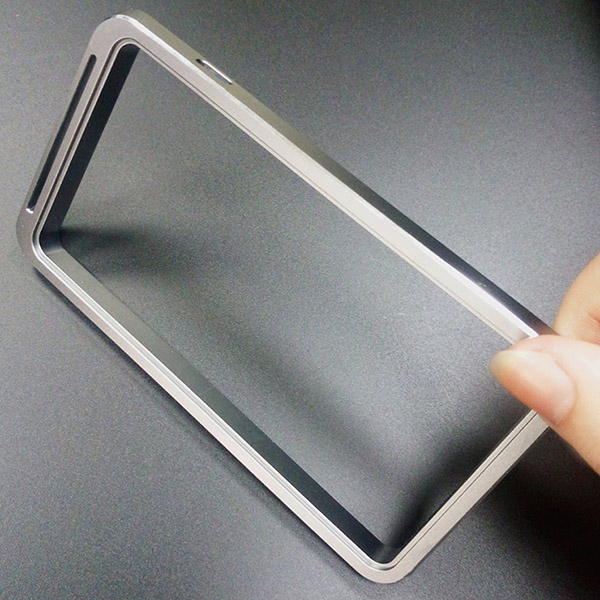
A metal phone frame is not only a protective shell. For many smartphone, handheld terminal and consumer electronic projects, it affects structural strength, button feel, camera alignment, antenna openings, internal assembly space and final appearance.
VMT supports custom CNC machined phone frames and smartphone housing parts according to your drawing, material, tolerance, surface finish and assembly requirements. Before machining, our engineering team reviews the part structure, thin-wall areas, clamping method, critical dimensions and surface treatment risks to help reduce rework before production.
Phone frames combine thin walls, small openings, cosmetic surfaces and assembly features. These risks should be reviewed before machining starts.
Thin side walls, deep pockets and narrow ribs may deform if clamping force, cutting force or machining sequence is not controlled. VMT reviews wall thickness, fixture support and machining sequence before production to help improve dimensional stability.
Side buttons, charging ports, speaker holes and connector openings must align with internal components. VMT controls datum selection, toolpath, hole position and in-process inspection to help reduce assembly mismatch.
Camera openings require clean chamfers, accurate position and controlled burrs because this area affects both appearance and assembly. VMT focuses on finishing cuts, edge quality, deburring and visual inspection for visible camera areas.
Speaker holes, antenna slots, connector openings and small edges are easy to burr after CNC milling. VMT uses controlled deburring, chamfering, edge breaking and final inspection to improve assembly safety and user touch.
Anodized, brushed, polished or PVD phone frames are visible parts. Material batch, machining marks, surface preparation and finishing coordination can affect final appearance. VMT helps control machining and finishing preparation according to your requirements.
A prototype may pass, but production needs repeatable fixtures, stable inspection and controlled surface finishing. VMT supports prototype validation, pilot runs and production review before larger orders.
VMT does not treat phone frames as simple metal cases. We review the drawing from machining feasibility, assembly risk and cosmetic quality before production.
VMT reviews wall thickness, pocket depth, hole spacing, button geometry, grooves, visible surfaces, material choice and finishing requirements before machining. This helps identify design and machining risks before material is cut.
For thin-wall metal frames, stable clamping is critical. VMT evaluates support positions, clamping force and machining direction to reduce deformation and improve repeatability.
Roughing, semi-finishing, finishing, drilling, chamfering and deburring must be arranged properly. For critical dimensions, VMT controls the process according to the drawing requirements and inspection plan.
VMT checks key dimensions, holes, grooves, threads, flatness, surface appearance and assembly-related features. Inspection requirements can be adjusted according to your drawing and project needs.
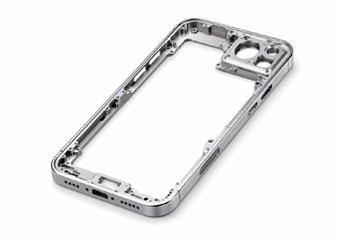
Metal phone frames are used for smartphones and handheld devices, machined by CNC milling with thin-wall, port and surface control for accurate assembly and clean appearance.
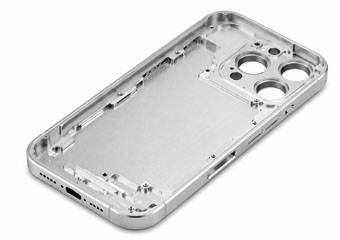
Aluminum smartphone housings are used for lightweight device shells, machined by CNC milling with cavity, edge and anodizing preparation control for stable cosmetic quality.
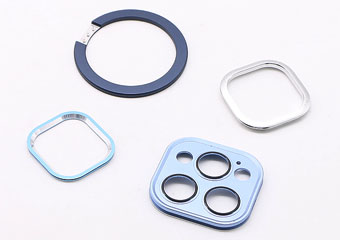
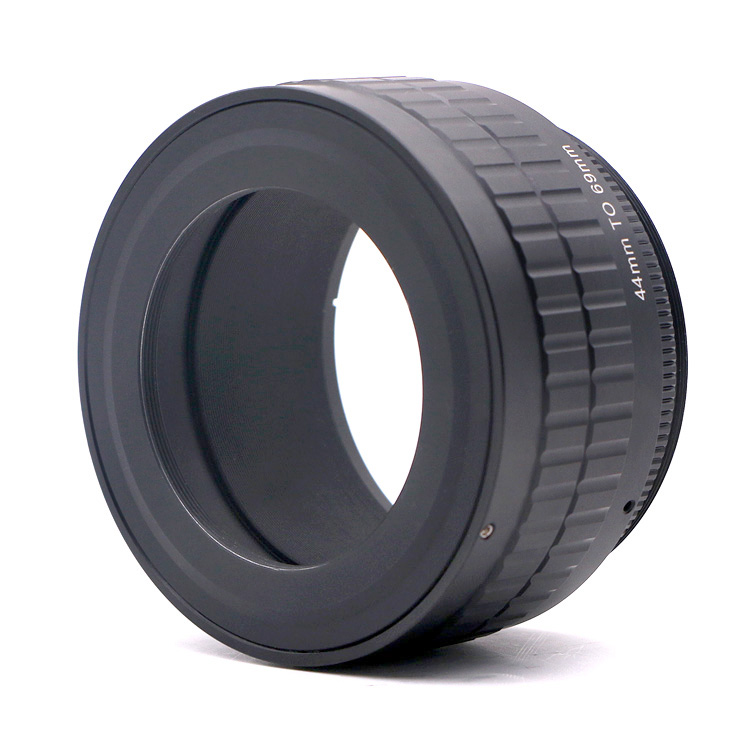
Camera rings and lens frames are used around camera modules, machined by precision CNC milling with burr, chamfer and alignment control for better assembly appearance.
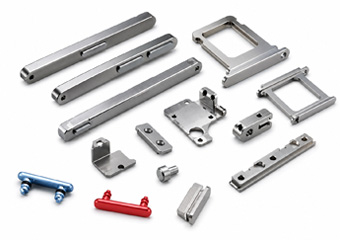
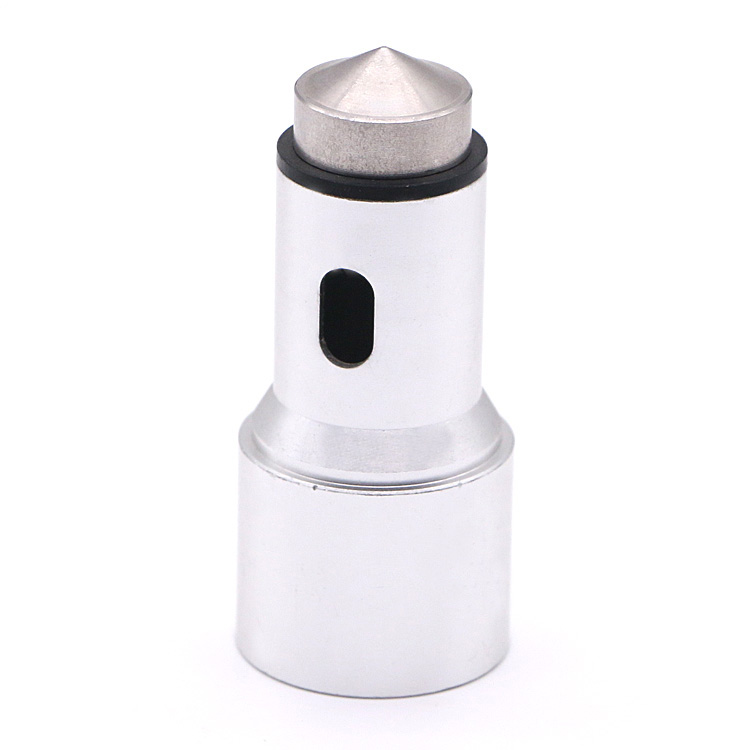
Side buttons and small metal parts are used for switches and external controls, machined by CNC milling or turning with burr and fit inspection.
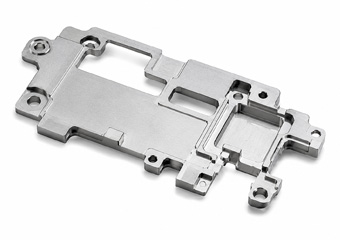
Internal brackets and support parts are used for PCB, battery and connector mounting, machined by CNC milling, drilling and threading with dimensional inspection.
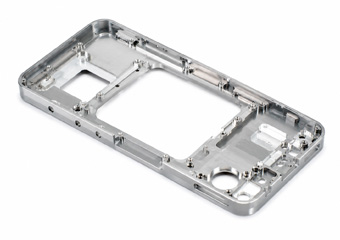
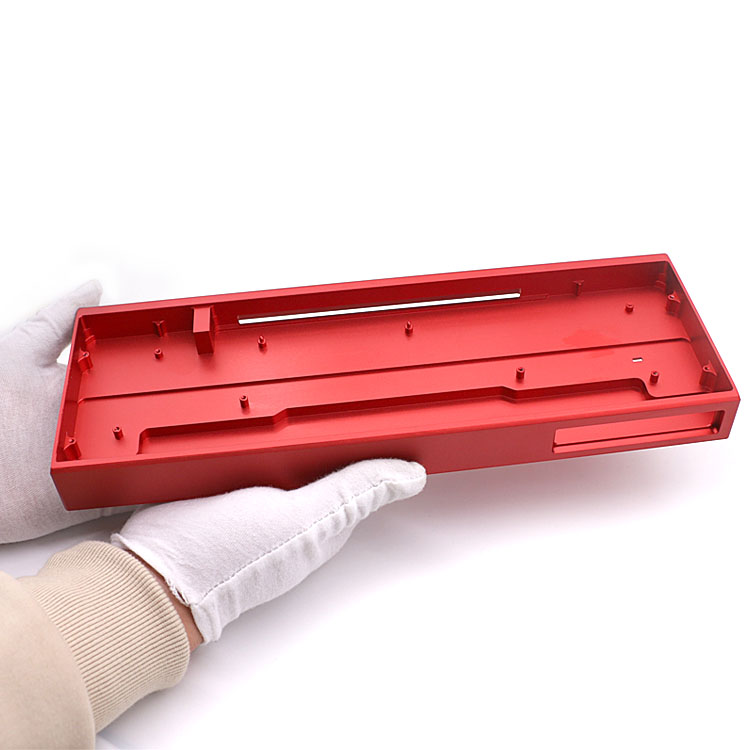
Electronic housing components are used for portable consumer devices, machined by CNC milling with multi-face, cosmetic and assembly control for prototype and production stability.
VMT combines CNC milling, 5-axis machining, drilling, threading, deburring, surface finishing coordination and inspection to support custom smartphone housing projects.
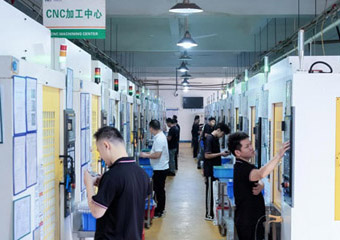
CNC milling is used for frame pockets, button slots, speaker holes, camera openings, grooves and multi-face housing features. It helps create accurate structures when the phone frame is not a simple flat part.
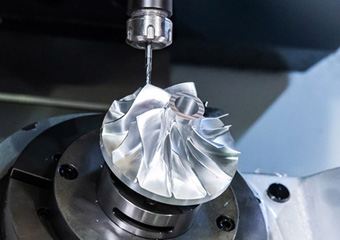
For suitable complex designs, 5-axis machining can support angled structures, multi-side features, reduced repositioning and better access to difficult surfaces. VMT reviews the part structure before recommending the machining method.
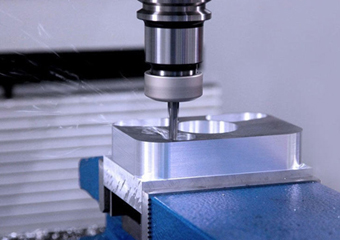
Small holes, connector openings, antenna slots and speaker holes require stable datum control and burr management. VMT checks hole position, slot shape, edge quality and inspection points according to the drawing.
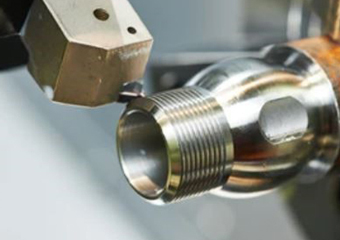
Threaded holes and internal mounting points must fit assembly requirements. VMT controls tool condition, thread depth, fit and inspection according to your drawing requirements.
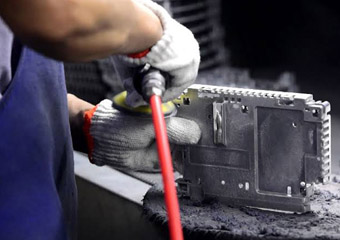
Threaded holes and internal mounting points must fit assembly requirements. VMT controls tool condition, thread depth, fit and inspection according to your drawing requirements.
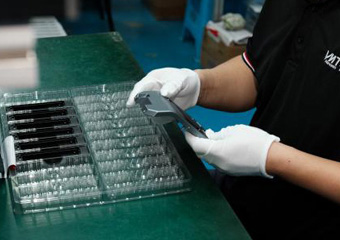
Visible surfaces need controlled machining marks, edge protection and preparation before anodizing, brushing, polishing or PVD. VMT reviews which areas are cosmetic and which areas are functional before finishing.
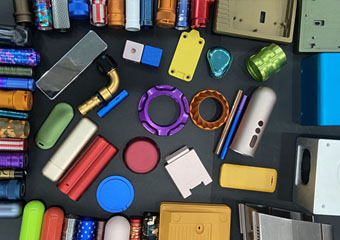
VMT supports anodizing, sandblasting, brushing, polishing, PVD and laser engraving based on your appearance requirements. Surface finishing is coordinated according to material, structure and cosmetic expectations.
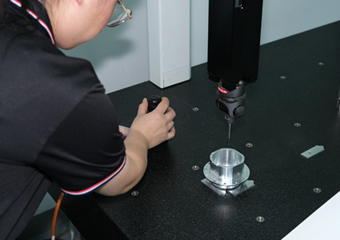
Inspection focuses on key dimensions, holes, grooves, cosmetic surfaces, assembly features and protective packaging condition. Inspection methods can be arranged according to your drawing and project requirements.
Material selection affects weight, strength, machining stability, surface finish and final product appearance. VMT helps review material choice based on your structure, application, tolerance, surface finish and cost requirements.
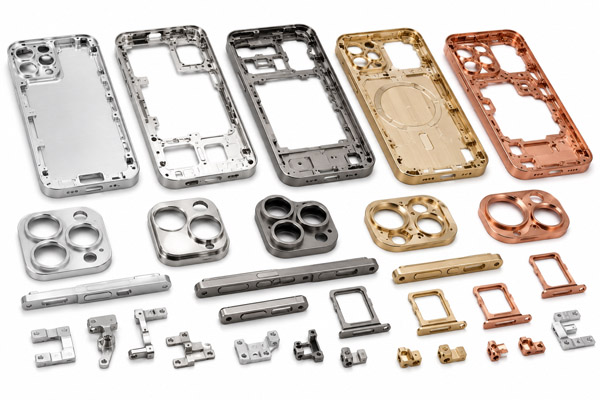
VMT machines custom metal phone frames and smartphone housing parts from aluminum, stainless steel, titanium, brass and copper according to strength, weight, surface finish and application requirements.
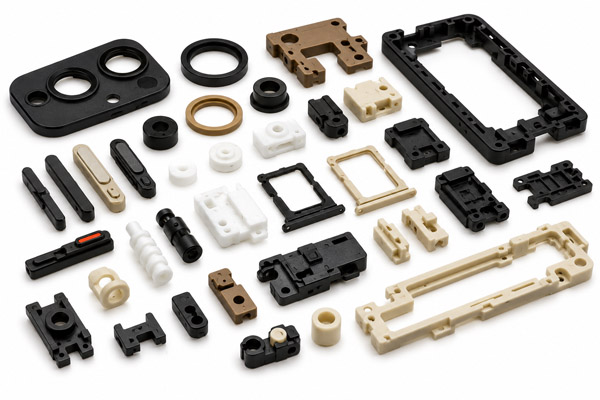
Engineering plastics can be used for selected non-metal phone housing components, insulating structures, internal supports, lightweight brackets and functional accessories.
| Material | Suitable Applications | Customer Concern | VMT Control Focus |
|---|---|---|---|
| Aluminum 6061 / 6063 | Lightweight phone frames, prototypes and anodized housings | Weight, appearance and machinability | VMT reviews wall thickness, surface finish and assembly requirements before recommending machining methods. |
| Aluminum 7075 | Higher-strength frame structures | Strength and machining stability | VMT reviews structure, cutting conditions and finishing requirements before production. |
| Stainless Steel | Premium metal housing parts and stronger components | Burrs, machining difficulty and edge quality | Toolpath, cutting parameters and deburring control |
| Titanium | High-end lightweight structural components | Machining heat and tool wear | VMT reviews heat control, tool wear, clamping and inspection requirements before quoting. |
| Brass / Copper | Functional, conductive or decorative components | Machining marks and surface quality | VMT controls machining marks, burrs and surface finishing depending on the drawing, electrical requirement and appearance requirement. |
Visible consumer electronics parts require both functional machining and controlled appearance. VMT supports surface finishing coordination according to your material, drawing, cosmetic standard and application requirements.
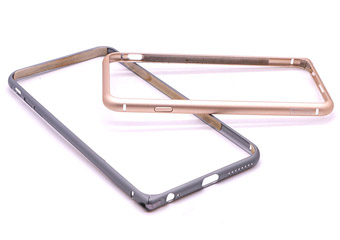
Anodizing is commonly used for aluminum phone frames to improve corrosion resistance and provide different color options. VMT reviews material grade, surface preparation and visible surface requirements before finishing.
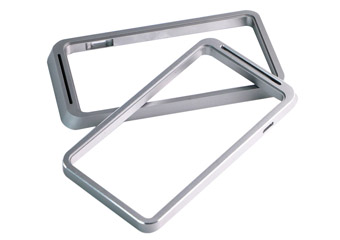
Sandblasting before anodizing can create a more uniform matte appearance. For visible consumer electronics parts, VMT helps control machining marks, edge burrs and surface preparation before anodizing.
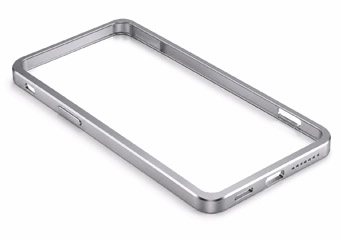
Brushing gives metal phone frames a directional texture and premium appearance. VMT coordinates machining direction, visible surface protection and finishing requirements to reduce inconsistent texture.
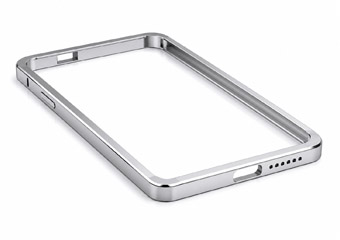
Polishing is suitable for selected decorative surfaces. It requires careful control because over-polishing may affect edges or dimensions. VMT reviews which surfaces are cosmetic and which dimensions are functional before finishing.
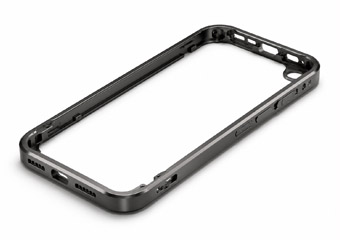
PVD can create premium metallic colors and improved surface appearance for high-end components. VMT supports PVD coordination after confirming material, surface preparation and cosmetic requirements.
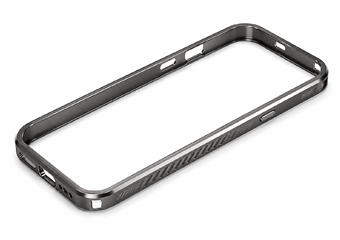
Laser engraving is used for logos, marks, serial numbers or decorative details. VMT reviews engraving area, depth, contrast and finishing sequence according to your drawing.
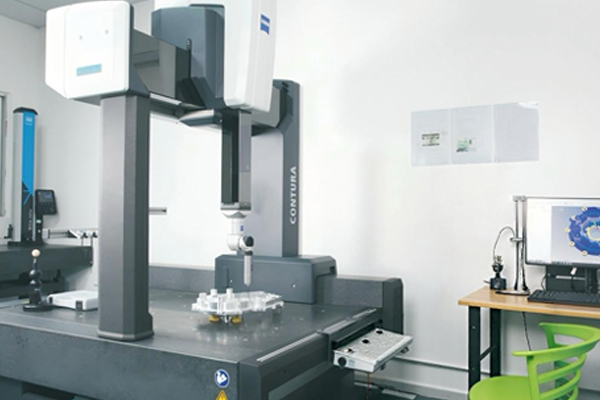
For phone frames and smartphone housing parts, quality inspection should cover both function and appearance. VMT checks critical dimensions, hole positions, grooves, threaded holes, chamfers, burrs, visible surfaces and packaging condition according to your drawing requirements.
For assembly-critical parts, inspection can focus on datums, mating surfaces, hole alignment and areas that affect buttons, connectors, camera modules or internal brackets. For cosmetic parts, surface inspection, scratch control and protective packaging are also important.
VMT supports custom CNC machined phone frame prototypes, engineering samples, small-batch validation and production runs. During the prototype stage, the goal is to verify structure, assembly, material and surface finish. During production, the focus shifts to repeatability, inspection control and stable finishing results.
After engineering review, VMT can help identify possible machining risks and suggest improvements related to wall thickness, corners, hole depth, surface finish and cost control.
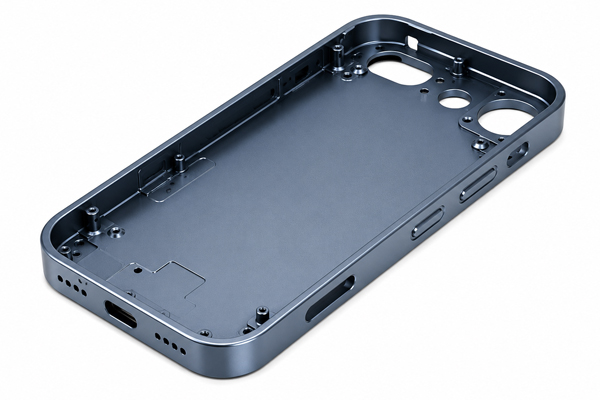
An electronics product developer needed a custom aluminum smartphone frame prototype with side button openings, a charging port, speaker holes, internal mounting points and a matte anodized finish. The part had thin side walls and multiple visible surfaces, so the customer was concerned about deformation, burrs and surface consistency.
VMT reviewed the 3D model, 2D drawing, material, wall thickness, clamping method, machining sequence and anodizing requirements before machining. During production, we controlled roughing and finishing sequence, reduced unnecessary repositioning, checked key holes and openings, and protected visible surfaces before finishing.
The prototype helped the customer verify assembly fit, surface appearance and structure before moving to the next development stage. This reduced the risk of redesign after production and gave the customer a clearer basis for pilot-run planning.
Send your 2D drawings, 3D files, material, tolerance, surface finish and quantity requirements. VMT will review your phone frame structure and provide feedback based on your project needs.
To receive a more accurate quotation, please send complete project information whenever possible.
Upload 2D drawings with tolerances and 3D files such as STEP, IGES or STL.
Provide material, finish, color, quantity, assembly needs and cosmetic surface requirements.
VMT reviews the structure, machining risks, inspection needs and production feasibility before quotation.
Q: Can VMT machine custom metal phone frames based on my drawing?
A: Yes. VMT supports custom CNC machining for metal phone frames, smartphone housing parts and related electronic enclosure components based on your 2D drawings, 3D files, material, tolerance and finish requirements.
Q: Do you sell standard phone cases?
A: No. VMT is a custom CNC machining factory. We manufacture parts according to customer drawings and project requirements instead of selling standard consumer phone cases.
Q: Which materials are suitable for CNC machined phone frames?
A: Aluminum 6061, 6063 and 7075 are common choices. Stainless steel, titanium, brass and copper can also be used depending on strength, weight, appearance, conductivity and cost requirements.
Q: How do you reduce deformation in thin-wall phone frames?
A: VMT reviews wall thickness, clamping method, fixture support, machining sequence and cutting force before machining. Proper process planning helps reduce deformation and improve dimensional stability.
Q: Can you support anodized aluminum phone frames?
A: Yes. VMT supports anodizing, sandblasting plus anodizing, brushing, polishing, PVD and laser engraving through surface finishing coordination based on your material and appearance requirements.
Q: How do you control burrs around button holes and connector openings?
A: VMT uses controlled machining, chamfering, deburring, edge breaking and final inspection to reduce burrs around button holes, speaker holes, charging ports, slots and small openings.
Q: Can you machine phone frame prototypes before production?
A: Yes. VMT supports prototype machining, engineering samples and small-batch validation before production. This helps customers verify assembly, appearance and structural design earlier.
Q: Can you inspect cosmetic surfaces?
A: Yes. For visible phone frames and housings, VMT can check scratches, machining marks, burrs, edge quality and surface finish condition according to project requirements.
Q: What files should I send for quotation?
A: Please send 2D drawings, 3D files, material, surface finish, tolerance, quantity and any assembly or cosmetic requirements. More complete information helps us provide a more accurate quotation.
Q: Can you help improve the design before machining?
A: Yes. VMT can review machining feasibility and provide DFM feedback related to thin walls, deep pockets, small holes, sharp corners, surface finishing and cost control.
Metal phone frames and smartphone housing parts are small but demanding CNC machined components. They usually combine structural strength, light weight, precise assembly and visible surface quality in one part. A small deviation around button holes, camera rings, connector openings or internal mounting points may affect the final product assembly.
For aluminum phone frames, the main benefits are light weight, good machinability and surface finish flexibility. Aluminum can be anodized, sandblasted, brushed, polished or laser engraved, making it suitable for consumer electronics parts that require both function and appearance. Stainless steel and titanium are more difficult to machine, but they can provide a stronger or more premium feel when the design requires it.
The biggest risks in CNC machining phone frames include thin-wall deformation, burrs around small holes, inconsistent cosmetic surfaces, poor datum control and unstable finish quality. Before production, engineers should confirm wall thickness, corner radius, hole depth, thread requirements, surface finish areas and inspection standards.
To prepare an RFQ, customers should provide 2D drawings, 3D models, material grade, finish requirement, quantity, target application and any cosmetic or assembly requirements. This allows VMT to review the project more accurately and suggest a machining plan based on the real structure.
 Related suggestion
Give us a call or send an inquiry to our emailbox, we will answer your doubts according to your customers' requirements, and quote you immediately.


 +86 15099911516