Free cookie consent management tool by TermsFeed Cookies

Home / Product / Stainless Steel Parts /

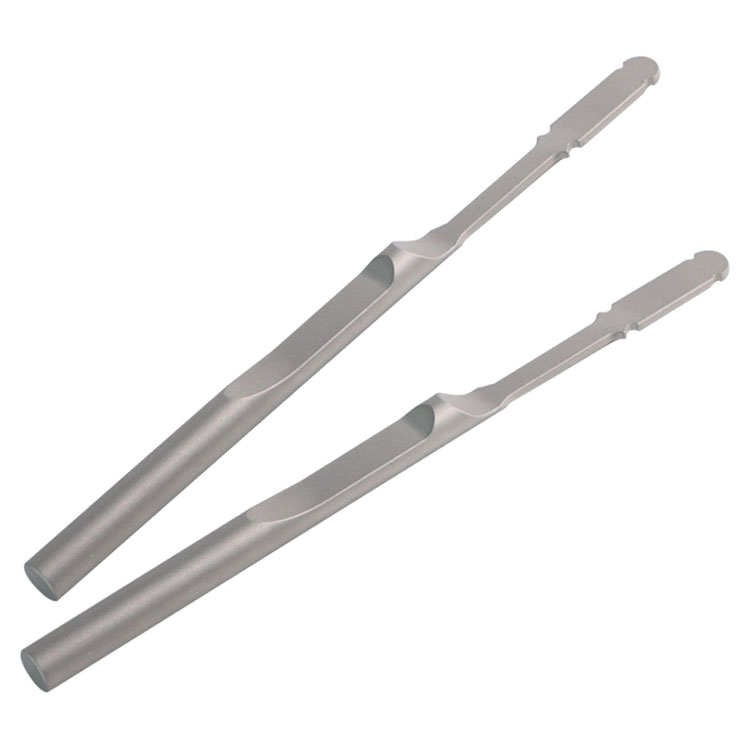
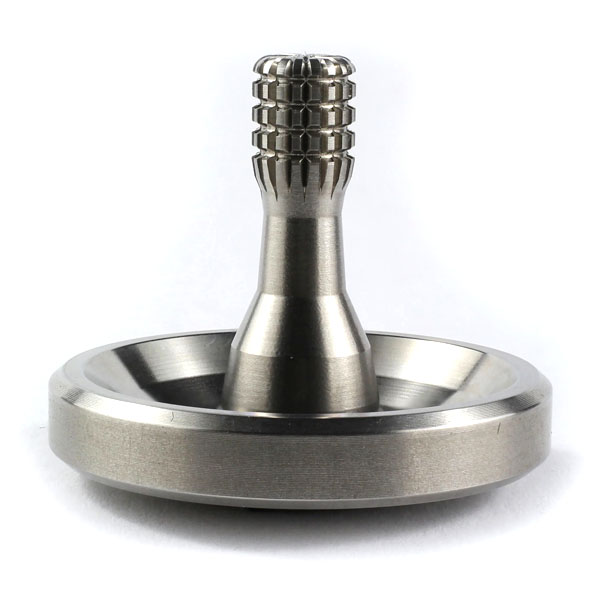
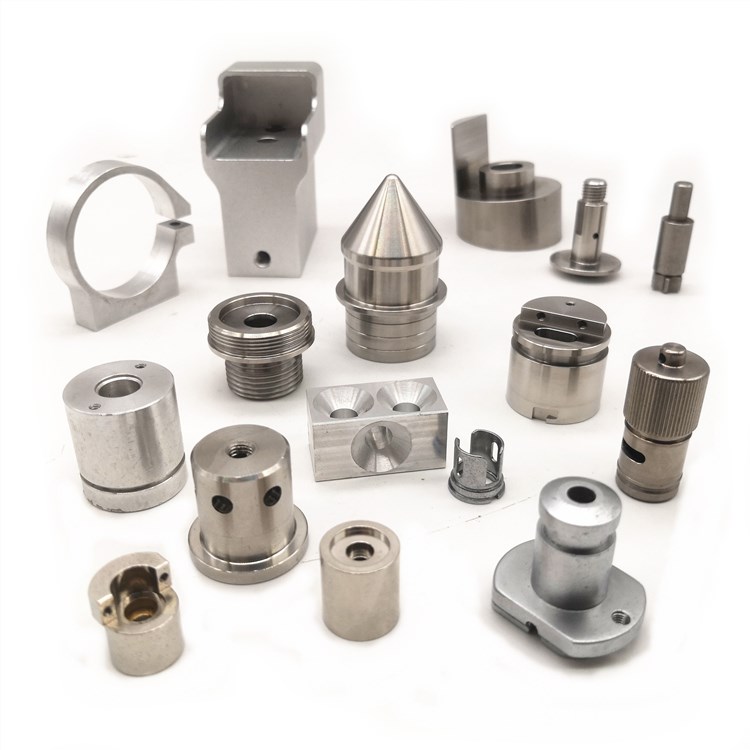
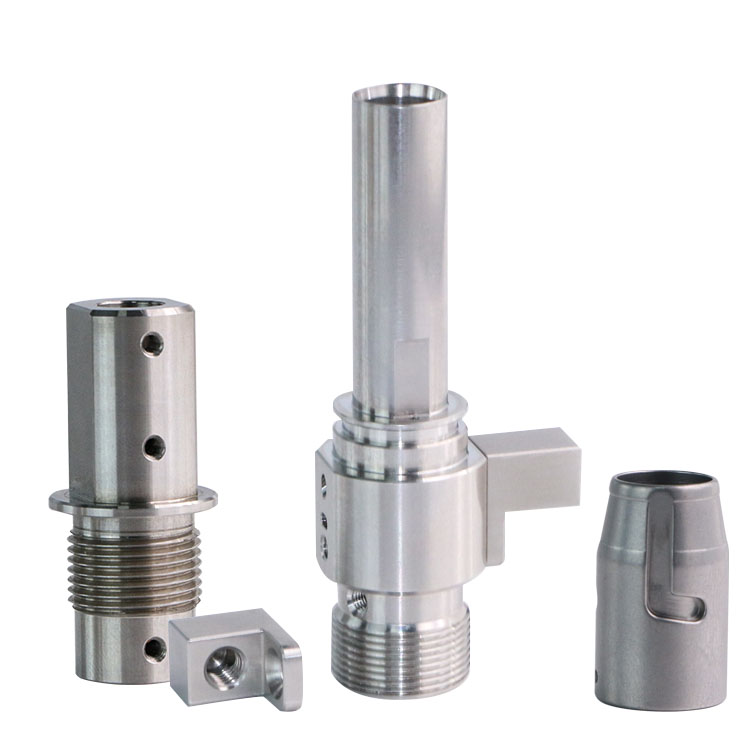
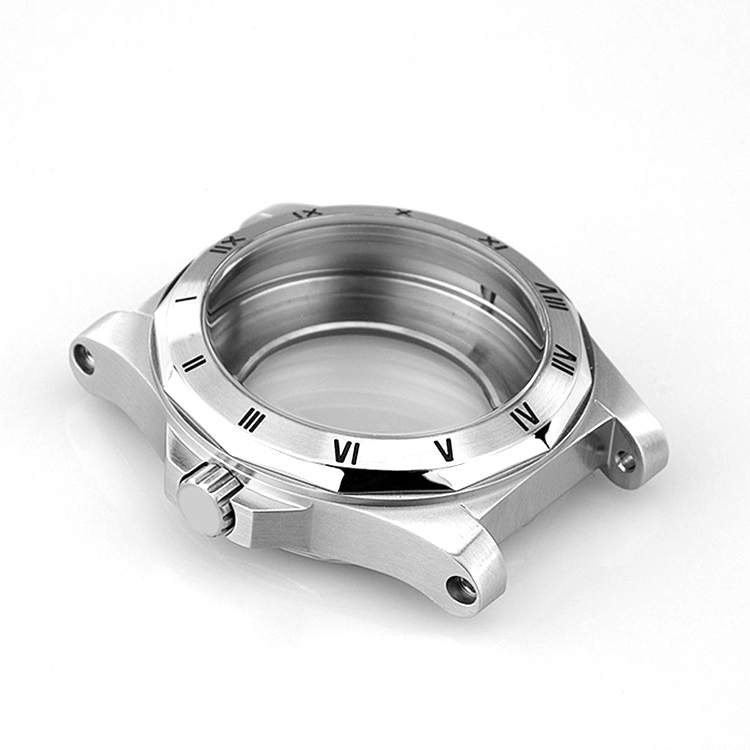
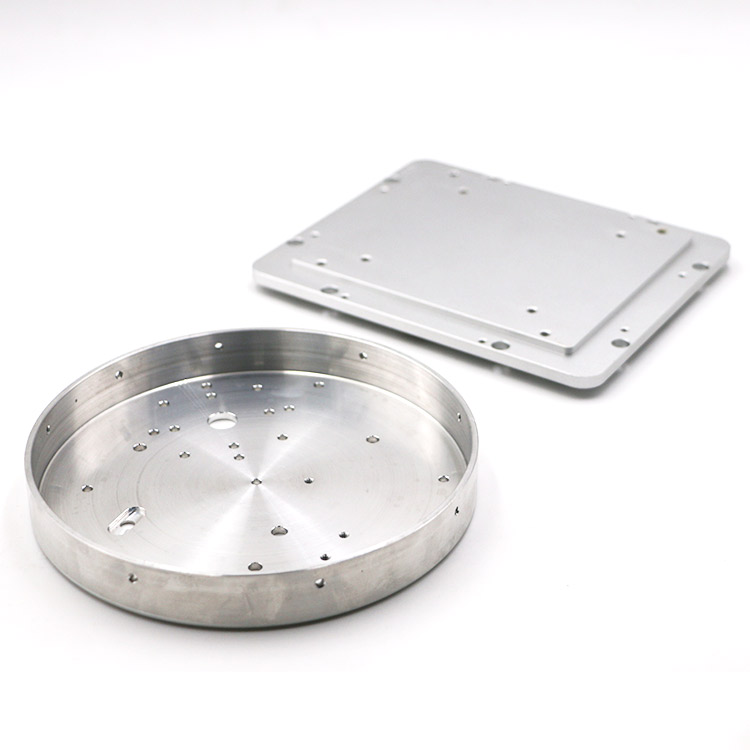
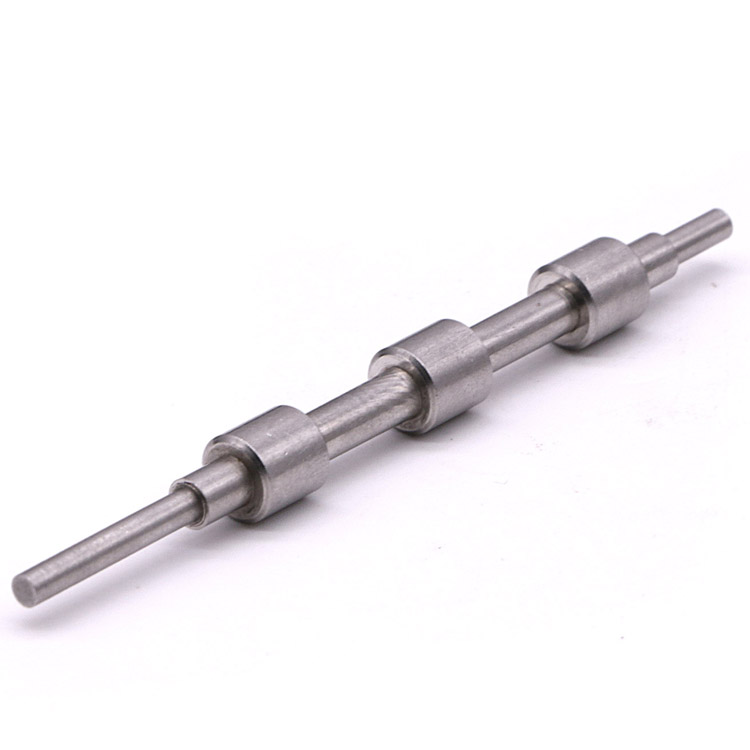
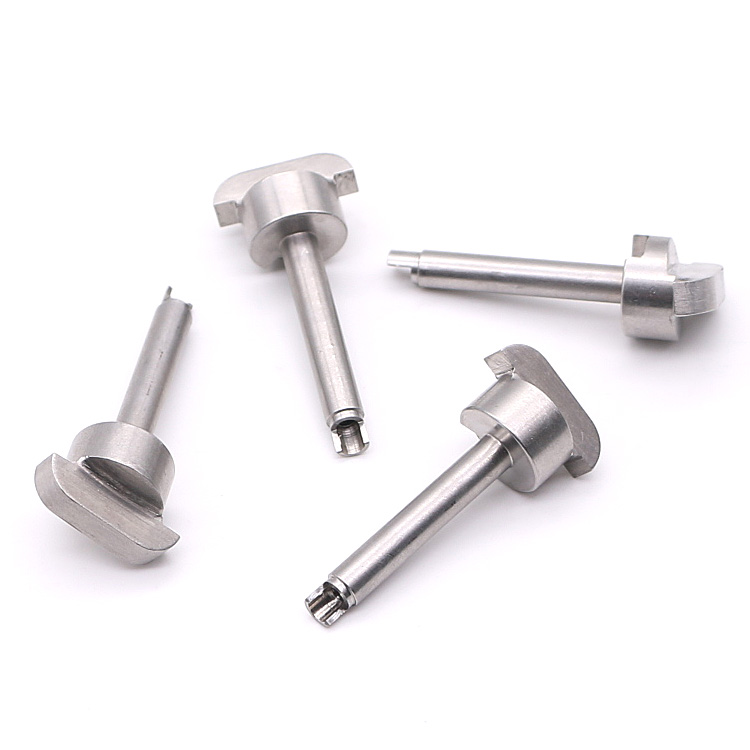
Choose us as your stainless steel CNC machining manufacturer, you can rest assured. We use different processes combined with CNC machining to meet your needs. Available in a variety of stainless steel materials, strict quality control processes are carefully monitored at each step to ensure stainless steel CNC parts meet the highest industry standards for performance and durability.


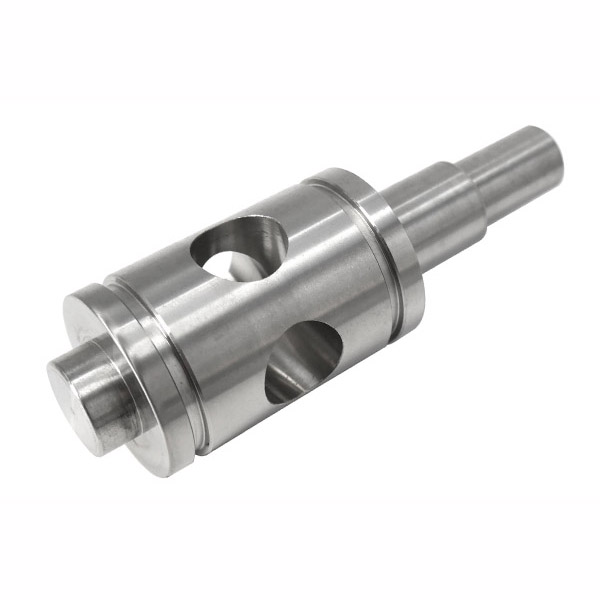
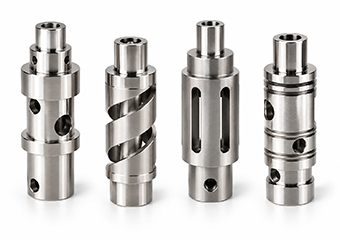
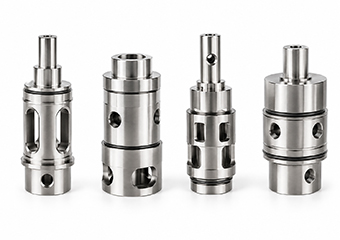
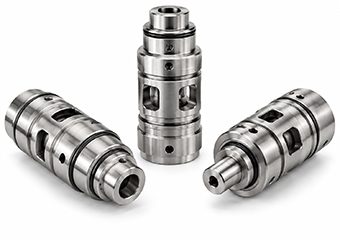
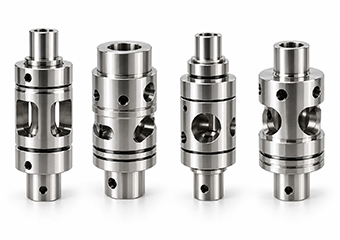
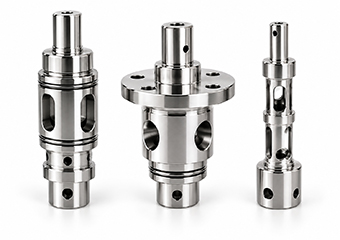
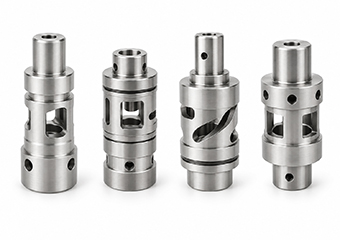
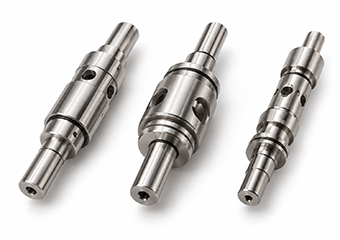
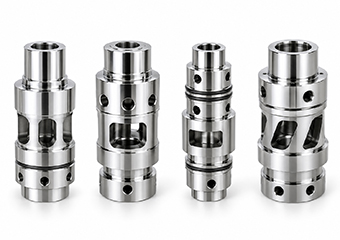
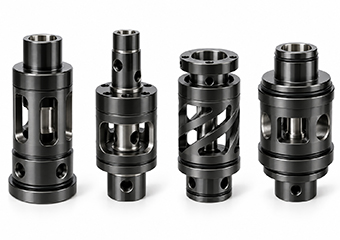
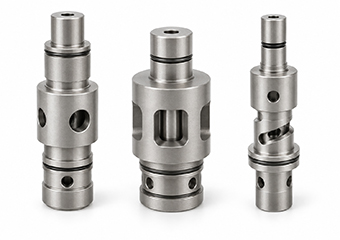
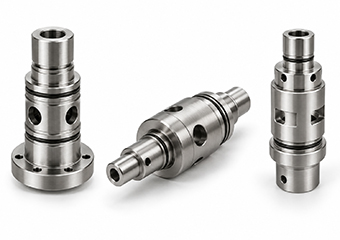
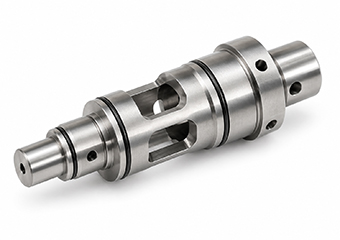
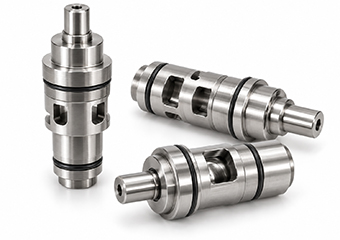
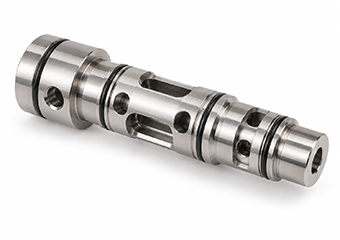
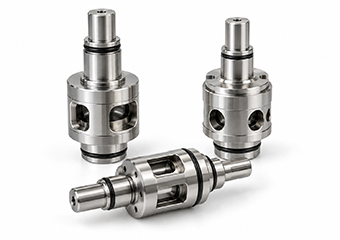
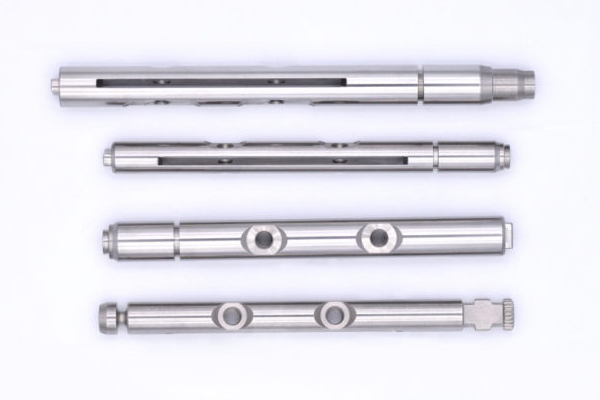
Custom CNC Machining Stainless Steel Rotary Valve Core

Custom CNC Machining Stainless Steel Rotary Valve Core

VMT provides custom CNC machining for stainless steel rotary valve cores used in filling and fluid-control equipment, with up to ±0.005 mm precision, 100+ CNC machines, 12-step quality control and 100% inspection of critical dimensions, DFM review, surface finishing, prototype and production support based on your drawings.

Product Specification:

  • Services : Custom CNC Machining Stainless Steel Rotary Valve Core
  • Supply Ability : 100000 Pieces per Month
  • Material : Stainless Steel (303,304,316L, 17-4(SUS630) etc ), Customer's Demand.
  • Surface Roughness : Ra 0.1~3.2
  • Surface Treatment : Customer's Demand, Polishing, Electropolishing, Passivation, Hard Chrome Plating, PVD, Nickel Plating, Bead Blasting, Powder Cating, Brushing, Powder Coating, Oil Spraying etc.
  • Tolerance : ±0.005 mm.(Custom Available).
  • Drawing Format : CAD file (dwg, dxf, pdf, etc.), 3D File (step, stp, etc), drawing design.
  • Standard or not : Non standard,customized as drawing or sample
Inquiry Now
Product description
Drawing-Based Custom Manufacturing

Custom CNC Machined Stainless Steel Rotary Valve Cores

VMT provides custom CNC machining for stainless steel rotary valve cores used in filling machines and fluid-control equipment. Based on your drawings, we combine CNC turning, milling, drilling, controlled deburring, finishing and critical-dimension inspection to manage mating diameters, concentric features, flow ports and functional surfaces from prototype validation through repeat production.

Custom machining from your 2D drawings and 3D models — not standard replacement valve parts.

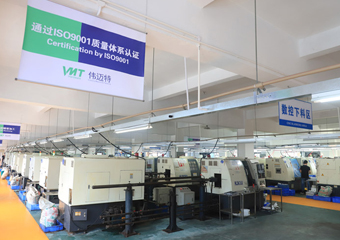
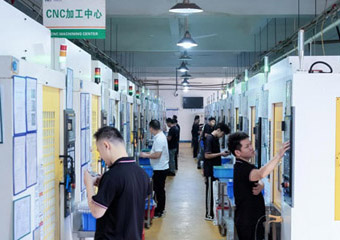
100+ CNC Machines for Prototype and Production Support
DFM Review Before Machining
12-Step Quality Control Process
Critical Dimensions Inspected to Drawing Requirements
Performance-Critical Features

Critical Features That Determine Rotary Valve Core Performance

A rotary valve core may look like a simple cylindrical component, but its performance depends on several functional features working together. Small errors can affect rotation, flow alignment, assembly clearance and sealing performance.

Mating Diameter and Running Clearance

The main outside diameter must match the mating valve body according to the required fit. An oversized diameter may increase friction or cause sticking, while excessive clearance can affect positioning and sealing. VMT machines critical mating diameters to the requirements defined on your drawing.

Concentricity and Cylindrical Geometry

Multiple diameters, shoulders and shaft features may need to share a stable rotational axis. Datum selection and machining sequence are planned around the functional axis to reduce variation between related turned features.

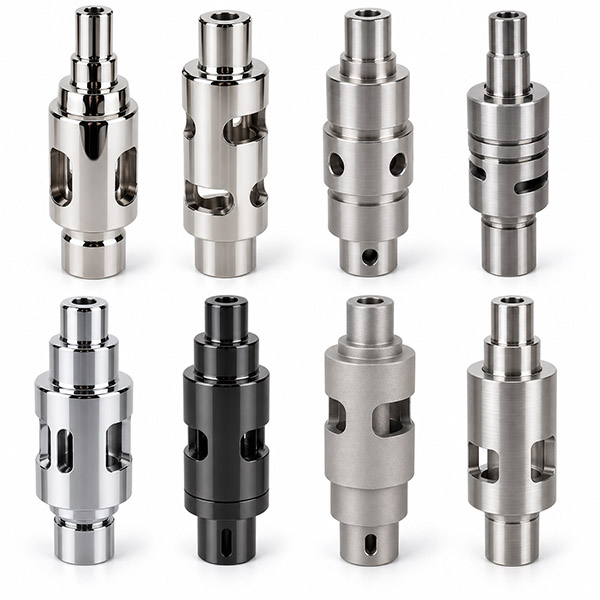
Flow Ports and Cross Holes

Radial holes, milled openings and intersecting passages control how material moves through the valve. Port position, angular relationship and internal intersections must match the surrounding valve structure, while burrs must be controlled at cross-hole intersections.

Sealing and Sliding Surfaces

Functional surfaces may require more than dimensional accuracy. Tool marks, sharp transitions or unsuitable surface conditions can affect friction, wear and sealing, so machining allowance and finishing requirements should be reviewed before final dimensions are established.

Process Planning

How VMT Controls Critical Valve Core Machining

Stable valve core performance starts with process planning rather than relying only on final inspection. VMT establishes the primary cylindrical datums and reference surfaces first so later holes, slots and flow features can be positioned from the correct functional geometry.

  • CNC turning establishes the main diameters, shoulders, end faces and rotational features.
  • CNC milling and drilling add flow ports, cross holes, drive flats and slots from defined datums.
  • Cross-hole intersections receive controlled deburring and edge inspection to reduce flow and cleaning risks.
  • Critical diameters, geometric relationships and specified functional surfaces are checked before release.
Custom CNC Machined Stainless Steel Rotary Valve Cores
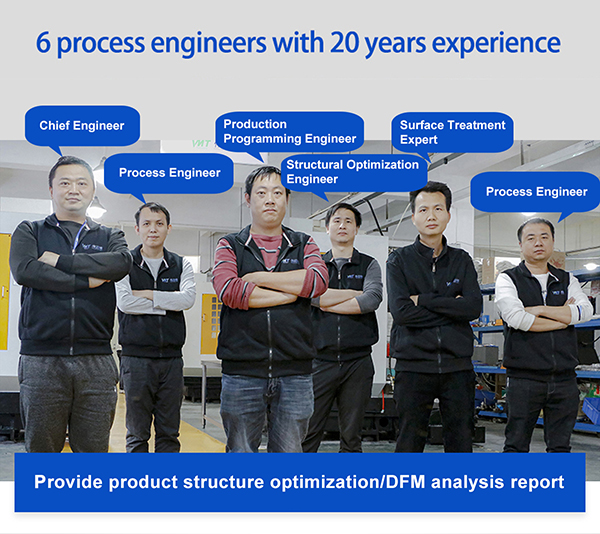
6 People with 20 Years of Experience in DFM Analysis Engineering Support
Engineering Review

DFM Review for Custom Rotary Valve Core Designs

Before machining starts, VMT engineers review the rotary valve core drawing together with material, tolerances, surface requirements and quantity. The review focuses on features that may affect manufacturability or function so potential risks can be discussed before production.

  • Mating diameters and tolerance relationships
  • Concentric features and functional datums
  • Cross-hole intersections and burr-control access
  • Internal corners, tool access and machining sequence
  • Finishing allowance on critical surfaces
  • Inspection feasibility for important features

VMT does not change functional requirements without approval. When a machining risk is identified, practical process options can be reviewed with you before production.

Manufacturing Route

CNC Turning and Milling for Rotary Valve Cores

Most rotary valve cores combine rotational and non-rotational geometry, so a stable process usually requires more than one machining operation. VMT selects the route according to the part structure instead of forcing every design into the same process.

Custom CNC Turning Manufacturing Services

CNC Turning

Establishes the main rotational geometry and cylindrical relationships.

  • Outside and stepped diameters
  • Shoulders and end faces
  • Axial bores
  • Concentric features

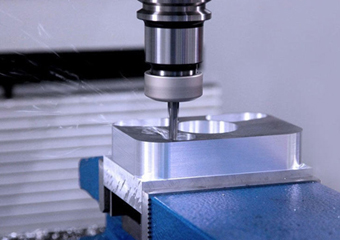
CNC Milling Services

CNC Milling

Produces non-rotational geometry relative to the primary turned datums.

  • Flow openings
  • Slots and drive flats
  • Side features
  • Custom port geometry

CNC Machining Drilling and Slotting

Cross-Hole Drilling

Controls radial passages and their intersections with the internal flow path.

  • Radial flow holes
  • Intersecting passages
  • Hole orientation
  • Deburring access

Custom CNC Machined Stainless Steel Rotary Valve Cores Surface Finishing

Secondary Finishing

Applied when required by the drawing or functional surfaces.

  • Precision grinding
  • Lapping and polishing
  • Electropolishing
  • Passivation
Material Selection

Stainless Steel Materials for Rotary Valve Cores

Material selection depends on the fluid being handled, corrosion exposure, cleaning requirements, mechanical load, surface condition and mating design. VMT machines the grade specified on your drawing and can review machinability and finishing requirements before production.

Custom CNC Machined Stainless Steel 304 Rotary Valve Cores

Stainless Steel 304

Good general corrosion resistance for many filling and fluid-control equipment components when 304 is specified by the equipment designer.

Custom CNC Machined Stainless Steel 316 316L Rotary Valve Cores

Stainless Steel 316 / 316L

Often considered where improved corrosion resistance, cleaning conditions or more demanding operating media are part of the design requirement.

Custom CNC Machined Stainless Steel 303 Rotary Valve Cores

Stainless Steel 303

Offers improved machinability for complex turned and milled parts, but should only be selected where its corrosion performance is suitable for the application.

Custom CNC Machined 17-4 PH Stainless Steel Rotary Valve Cores

17-4 PH Stainless Steel

Can suit designs requiring greater strength, hardness or wear resistance. Heat-treatment condition and final dimensions should be reviewed together.

Functional Inspection

Critical Dimensions and Inspection for CNC Machined Valve Cores

Valve core inspection should focus on the relationships that determine assembly and function rather than checking dimensions independently.

Mating Diameter

Critical outside diameters are checked according to drawing tolerance because they often control fit inside the valve body.

Roundness and Cylindrical Form

Where geometric requirements are specified, appropriate inspection methods are selected according to the feature and tolerance.

Datum Relationships

Related diameters, shoulders and secondary features are evaluated from the defined datums that control the functional rotational axis.

Flow-Port Position

Hole location and angular relationships are checked where ports must align with passages in the surrounding valve assembly.

Burrs and Internal Edges

Cross-hole intersections are checked for burrs and sharp edges where they may influence flow, cleanliness or assembly.

Functional Surface Condition

Specified sliding or sealing areas can be checked for required surface roughness or finishing condition.

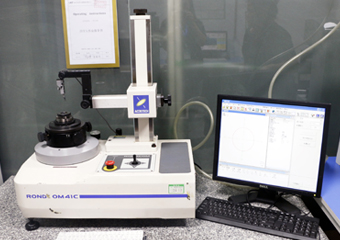
Roundness inspection equipment for CNC machined valve core features
Roundness inspection for critical cylindrical features.
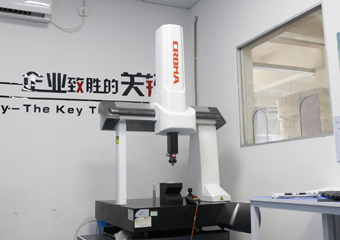
CMM inspection for custom CNC machined valve core dimensions
CMM inspection for positions, datums and complex dimensions.

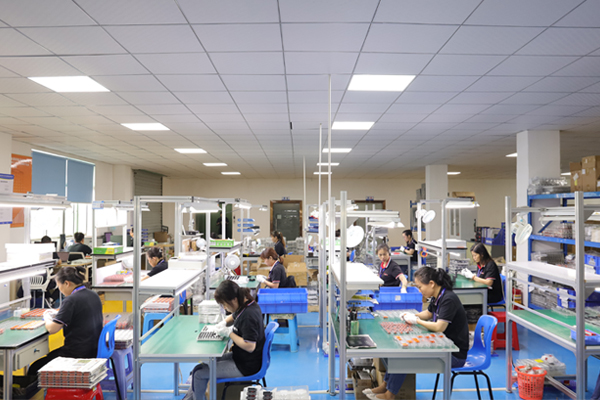
cnc machining parts Quality Inspection

Critical dimensions can be inspected according to the agreed control plan before release.
Surface Requirements

Surface Finishing for Stainless Steel Rotary Valve Cores

Surface finishing should be selected according to the function of each valve core surface. Sliding diameters, sealing areas, flow passages and external surfaces may require different treatments depending on the drawing and application.

Polishing Stainless Steel Rotary Valve Cores CNC Machining

Polishing

Helps reduce visible machining marks and improve surface smoothness on suitable functional or external surfaces.

Electropolishing Stainless Steel Rotary Valve Cores CNC Machining

Electropolishing

Can improve stainless steel surface smoothness and cleanliness by removing a controlled amount of surface material.

Passivation Stainless Steel Rotary Valve Cores CNC Machining

Passivation

Supports the required corrosion-resistant stainless steel surface condition after machining and cleaning.

Precision Grinding & Lapping Stainless Steel Rotary Valve Cores CNC Machining

Precision Grinding & Lapping

Used when critical mating or sealing surfaces require improved dimensional consistency and surface condition.

Hard Chrome Plating Stainless Steel Rotary Valve Cores CNC Machining

Hard Chrome Plating

Can be considered when the application requires a wear-resistant plated surface and the drawing allows it.

PVD DLC Coating Stainless Steel Rotary Valve Cores CNC Machining

PVD / DLC Coating

Suitable where the design calls for a harder, lower-friction or more wear-resistant coated surface.

Bead Blasting Stainless Steel Rotary Valve Cores CNC Machining

Bead Blasting

Creates a uniform matte surface on suitable non-critical areas while preparing the part for later cleaning or finishing.

Brushing Stainless Steel Rotary Valve Cores CNC Machining

Brushing

Provides a directional surface texture on suitable stainless steel surfaces where appearance or handling requires it.

Application-Focused Manufacturing

Custom Rotary Valve Cores for Filling and Fluid-Control Equipment

VMT manufactures rotary valve cores from customer drawings rather than supplying fixed-size replacement valves. Port layout, diameter, drive geometry, material and surface requirements can therefore be matched to the actual valve assembly.

CNC Machined Rotary Valve Core for Piston Filling Machine

Piston Filling Machines

Rotary valve cores can control the flow path between the hopper, piston chamber and dispensing side of a piston filling system. CNC turning and milling are combined to control the cylindrical body, flow openings and mating features according to your valve design.

CNC Machined Rotary Valve Core for Paste and High-Viscosity Filling Equipment

Paste and High-Viscosity Filling Equipment

Thicker products can place greater demands on flow-path geometry, internal transitions and cleaning accessibility. Valve cores for these systems can be machined with custom port shapes and dimensions based on the required product flow and equipment structure.

CNC Machined Rotary Valve Core for Liquid Filling Equipment

Liquid Filling Equipment

Custom valve cores used in liquid filling systems may require controlled mating surfaces, port alignment and corrosion-resistant stainless steel. VMT machines the component according to your drawing and inspection requirements rather than supplying a fixed standard valve size.

CNC Machined Rotary Valve Core for Paste and Custom Fluid-Control Assemblies

Custom Fluid-Control Assemblies

Rotary valve core geometry is also used in specialized fluid-routing and mechanical valve assemblies. VMT supports non-standard diameters, hole layouts, drive features and mating structures for OEM equipment development.

Prototype to Production

From Rotary Valve Core Prototype to Repeat Production

The first machined sample should verify more than whether dimensions match the drawing. It should help confirm assembly fit, rotation, port alignment, surface requirements and the practicality of the manufacturing route before quantities increase.

Drawing and DFM Review

Review material, critical tolerances, surface requirements, quantity and functional relationships before cutting material.

Prototype Machining

Produce initial parts using the planned turning, milling, drilling, deburring and finishing sequence.

Dimensional Verification

Check critical diameters, datums, port positions and specified functional surfaces before release.

Assembly Feedback

Review fit, rotation or flow-alignment feedback with the customer before the production version is confirmed.

Repeat Production

Standardize the approved route, fixtures, tool paths and inspection checkpoints for repeatability.

Final Inspection and Packaging

Inspect agreed requirements and protect precision surfaces and machined edges during transportation.

OEM Manufacturing Support

Why OEM Buyers Choose VMT for Custom Valve Core Machining

The value of a valve core supplier is not only whether the part can be cut. The manufacturing plan must connect drawing review, machining sequence, critical inspection, finishing and repeat production.

DFM Before Production

Mating diameters, flow passages, tool access, finishing and inspection feasibility are reviewed before machining so avoidable risks can be identified early.

Turning + Milling Integration

Rotational and secondary features are planned within one route to maintain the relationship between the cylindrical datum and ports, holes, slots or drive geometry.

Critical-Dimension Inspection

VMT uses a 12-step quality-control process, with inspection focused on the dimensions and relationships defined as critical by the drawing and project requirements.

Prototype-to-Production Support

Machining sequence, fixtures and inspection checkpoints can be refined after prototype feedback before quantities increase.

Surface Finishing Coordination

Grinding, lapping, polishing, electropolishing, passivation and other applicable processes can be coordinated with final dimensional requirements.

100+ CNC Machines

VMT supports development-stage projects and repeat production using CNC turning, milling and multi-axis machining after engineering review.

Published VMT Customer Feedback

What Customers Say After CNC Machining Projects

These published VMT customer comments are not presented as rotary-valve-core-specific orders. They are selected because they address the same supplier concerns valve core buyers care about after delivery: tolerance control, machining quality, sample approval, packaging, communication and confidence to continue into production.

Customer Feedback – Tolerance & Machining Quality
Tolerance & Machining Quality
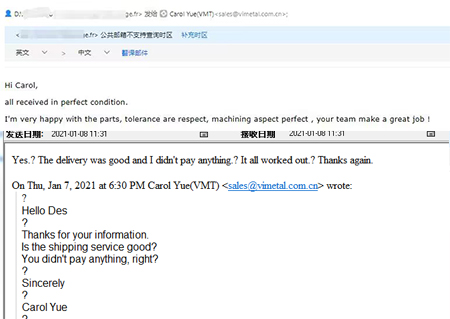
“The parts arrived in perfect condition. The tolerances were respected, the machining looked excellent, and the team did a great job.”
Published VMT machining customer feedback
Customer Feedback – Prototype Approval and Production Confidence
Prototype Approval & Production Confidence
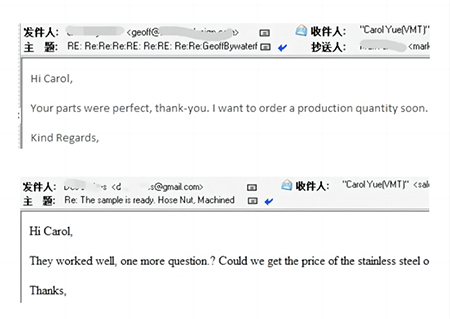
“Your parts were perfect, thank you. I want to order a production quantity soon.”
Published VMT machining customer feedback
Customer Reviews – Packaging, Workmanship & Communication
Packaging, Workmanship & Communication
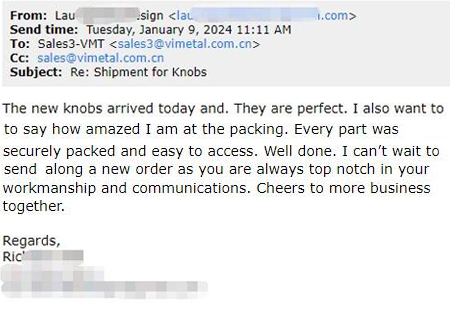
“The parts arrived perfect, every part was securely packed, and the workmanship and communication were top notch. We look forward to more business together.”
Published VMT machining customer feedback
FAQ

FAQ About Custom CNC Valve Core Machining

This FAQ focuses on the production and engineering concerns buyers typically review before choosing a stainless steel valve core machining partner.

Fit control starts with the drawing review. VMT checks the mating diameter, relevant datums, specified clearances and any finishing that could influence the final size. During production, turning strategy and inspection focus on the features that control rotational fit, not only on general part dimensions.

That depends on the operating media, corrosion exposure, cleaning requirements and whether machinability or wear resistance is more important. 304 and 316/316L are common where corrosion resistance matters, while 303 may be considered when easier machining is required and the application permits it. 17-4 PH may be suitable for higher-strength designs.

Yes. Processes such as grinding, lapping, polishing, electropolishing or plating can influence final surface condition and in some cases the finished size. VMT reviews finishing allowance together with critical tolerances before machining so the finished part is evaluated against the real application requirement.

Cross-hole and port intersections are reviewed during DFM because they often create burr-control challenges. Tool access, machining sequence and deburring approach are planned according to the geometry. After machining, those areas are checked and cleaned to help reduce flow restriction, contamination risk and assembly interference.

Inspection scope can be aligned with your project requirements. For fit-critical valve core parts, buyers typically focus on critical diameters, geometric relationships, port positions and specific surface requirements. Where required, VMT can plan in-process checks and final dimensional verification around the agreed control points.

Yes. Prototype work is often used to confirm fit, rotation, port alignment and manufacturing feasibility. Once the sample and process route are approved, machining sequence, fixtures and inspection checkpoints can be stabilized for repeat orders, which helps improve production consistency.

Engineering Guide

Engineering Guide to Custom Rotary Valve Core CNC Machining

Use this guide to prepare a more manufacturable design and a clearer RFQ for a custom rotary valve core project.

How Should a Rotary Valve Core Be Designed for CNC Machining?

A manufacturable drawing should clearly identify the functional datums, rotational axis, mating diameters and flow features. Critical dimensions that directly influence fit, sealing or port alignment should be distinguished from general dimensions.

Cross holes and intersecting passages also need sufficient tool access and a practical route for burr removal. Extremely deep holes, inaccessible intersections or unnecessarily tight tolerances can increase machining and inspection complexity without necessarily improving valve performance.

How Do Material and Surface Finish Affect Valve Core Manufacturing?

Material, dimensional tolerance and finishing should be considered together. A stainless steel grade with excellent machinability may not provide the corrosion performance required by the application, while grinding, polishing or electropolishing may change a critical diameter after initial CNC machining.

Why Are Flow Ports and Cross Holes Important?

A rotary valve core often controls fluid movement by aligning internal or radial ports with passages in the surrounding valve body. If port location, angular orientation or internal intersections are not properly controlled, the result may be restricted flow, incomplete opening, sharp internal edges or residual burrs.

How Does Prototype Validation Reduce Production Risk?

A prototype can help the customer validate fit inside the valve body, rotational movement, clearance, port alignment, surface condition and other functional characteristics in the actual assembly. Once the design is confirmed, the approved machining route provides a stronger basis for repeat production.

What Information Should Be Included in a Valve Core RFQ?

Send your 2D drawing, 3D model, material grade, critical tolerances, surface roughness, finishing requirements, expected quantity, prototype or production requirement, critical fit or sealing features, and inspection or report requirements. This allows machining, finishing and inspection requirements to be reviewed together rather than estimated from the part name alone.

What Should Be Reviewed Before Sending the Final Order?

Before release, confirm whether the approved drawing revision, stainless steel grade, finish callout, critical dimensions, inspection expectations and packaging requirements are all aligned. This reduces the risk of the machining plan and the customer’s current requirement drifting apart between prototype approval and repeat production.

Get a CNC Machining Review for Your Custom Rotary Valve Core

Send VMT your drawing, material specification, critical tolerances, surface requirements and quantity. Our engineering team can review turning, milling, drilling, deburring, finishing and inspection requirements before quotation.

Related suggestion

Write us

Give us a call or send an inquiry to our emailbox, we will answer your doubts according to your customers' requirements, and quote you immediately.

Upload 2D/3D drawings

Upload Your Files or Contact inquiry@vimetal.com.cn to Get Instant Quote (Please attach 2D CAD drawings and 3D CAD models in any format including STEP, IGES, DWG, PDF, STL, ZIP, etc.).
Upload files ( Max file size: 20MB )

Upload 2D/3D drawings

Upload Your Files or Contact inquiry@vimetal.com.cn to Get Instant Quote (Please attach 2D CAD drawings and 3D CAD models in any format including STEP, IGES, DWG, PDF, STL, ZIP, etc.).
Upload files ( Max file size: 20MB )
+86 15099911516
loading