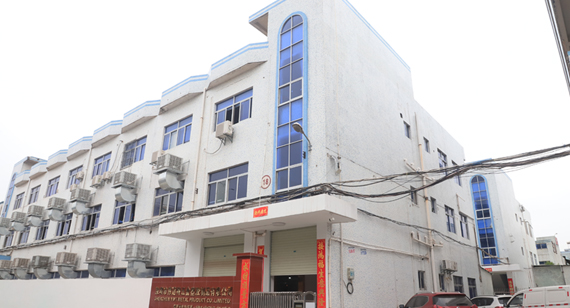
16 years one-stop China custom CNC machining parts factory

Hey there I’m VMT Sam!
With 25 years of CNC machining experience we are committed to helping clients overcome 10000 complex part-processing challenges all to contribute to a better life through intelligent manufacturing. Contact us now
 825 |
Published by VMT at Aug 11 2026 | Reading Time:About 5 minutes
825 |
Published by VMT at Aug 11 2026 | Reading Time:About 5 minutes


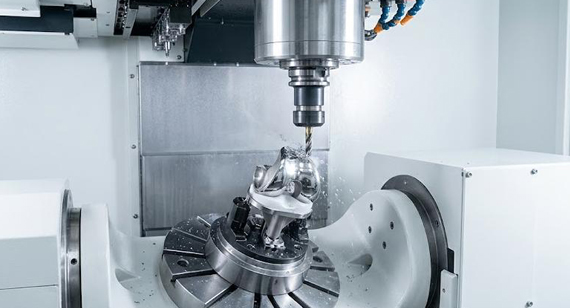
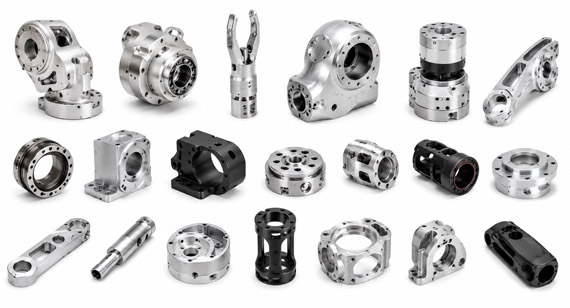
With the rapid advancement of robotics technology, the industry for machining robot parts has encountered unprecedented development opportunities. But for robot parts machining, high demands of precision, surface finish, integrity, and high-repitability can be best achieved by precision CNC machining rather than any other traditional manufacturing ways.
But there are so many parts suppliers, like one may excel at rapid online services and lead time, the other is more good at intricated and precise robotic components. This article will introduce the top 10 manufacturers and suppliers for machining robot parts and focus on helping you choose the most suitable candidates for your robotic and automation projects.
| No. | Company Name | Location | Excel at What Robot Parts? (Examples) | Major Advantages | Lead Time | Business Type |
| 1 | VMT CNC Machining Factory | Zhongshan, China | Robot joint housings, reducer enclosures, robotic arm structural components, motor end covers | High cost-efficiency, strong consistency in volume production, extensive experience with tight-tolerance structural parts | 3–7 days (prototypes/small batches); 10–15 days (volume production) | Direct Manufacturer (Factory) |
| 2 | VMT CNC Prototype Factory | Shenzhen, China | Rapid robot prototypes, highly complex R&D components, lightweight aluminum & engineering plastic structures | Specialized in rapid prototyping for R&D, fast response, no minimum order quantity (No MOQ) | 2–5 days (rapid prototyping) | Direct Manufacturer (Factory) |
| 3 | Xometry | USA (Global Network) | Various robotic metal & plastic parts, large frames, complex 5-axis machined parts | Powerful AI instant quoting tool, massive capacity powered by thousands of vetted manufacturing partners worldwide | 1–3 days (expedited); 5–10 days (standard) | On-Demand Manufacturing Network |
| 4 | Protolabs | USA / Europe | Robot enclosures, end-effectors, gripper housings, sensor covers | Extreme turnaround speed, highly automated manufacturing, ideal for urgent prototype testing | As fast as 1 day | Direct Automated Manufacturer |
| 5 | Fictiv | USA (Global Network) | High-precision robotic arm components, servo motor transmission parts, automation brackets | Rigorous quality control, transparent digital supply chain, and in-depth Design for Manufacturability (DFM) feedback | As fast as 3–7 days | On-Demand Manufacturing Network |
| 6 | RapidDirect | Shenzhen, China | Robotic structural metal parts, heavy-duty bearing housings, custom connecting rods | Proprietary AI quoting platform combined with in-house manufacturing, offering transparent and competitive pricing | 3–5 days | Direct Factory + Digital Platform |
| 7 | 3ERP | Zhongshan, China | Precision harmonic reducer parts, titanium/engineering plastic micro-components | Focused on high-precision low-volume machining, strict quality assurance, and complete inspection reports | 5–10 days | Direct Manufacturer (Factory) |
| 8 | Protolabs Network | Netherlands / Global | Automation hardware, custom metal structural parts, irregular geometric components | Backed by the Protolabs brand, distributed global network, flexible pricing options, wide range of surface finishes | As fast as 3–7 days | On-Demand Manufacturing Network |
| 9 | WayKen | Shenzhen, China | Collaborative robot covers, humanoid exoskeleton components, precision optical sensor housings | Advanced 5-axis CNC machining capabilities, exceptional post-processing and surface finishing (anodizing, painting) | 5–8 days | Direct Manufacturer (Factory) |
| 10 | Yijin Hardware | Shenzhen, China | Robot fasteners, shafts, bearing bushings, precision threaded fittings, micro drive components | Specialized in Swiss lathe machining and multi-axis mill-turning, ideal for precise round/shaft parts in high volumes | 5–10 days | Direct Manufacturer (Factory) |
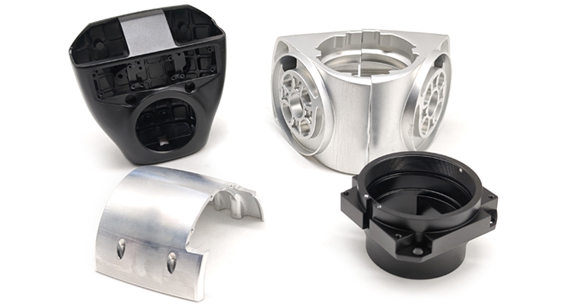
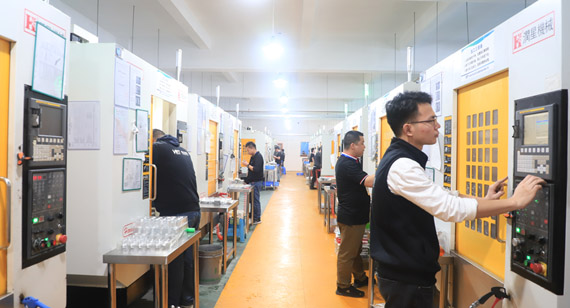
VMT CNC Machining Factory is a leading custom CNC machining service provider specializing in precision robot parts and high-demand automation components. Known for its rapid CNC machining capabilities, this factory delivers tight-tolerance, complex hardware tailored to the rigorous demands of the robotics industry.
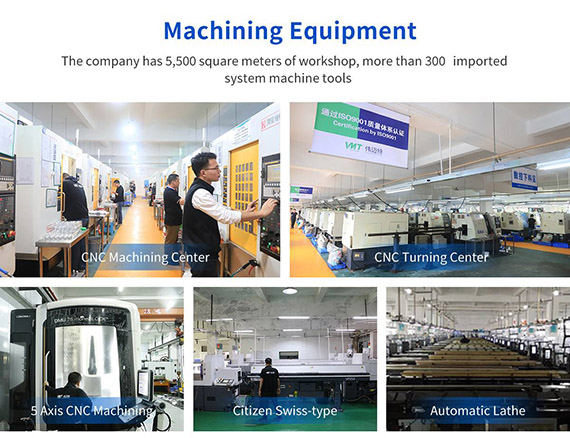
VMT CNC Prototype Machining Factory focuses on early-stage product development, fast-turnaround prototyping, and low-volume production for robotics and automation projects. Designed for speed and flexibility, this unit helps engineers rapidly validate and iterate their designs without minimum order quantity (MOQ) restrictions.
In addition to common CNC milling and turning, the prototype facility offers integrated multi-process manufacturing solutions. By combining primary prototyping techniques, such as sheet metal fabrication, 3D printing, and rapid casting, with secondary precision CNC machining, this manufacturer ensures that even complex hybrid prototypes meet exact functional tolerances and tight delivery schedules.
Best suited for: Engineering teams needing rapid design validation, functional R&D prototypes, and low-volume production runs using multi-process hybrid manufacturing with zero MOQ constraints.
Xometry operates a massive global, AI-powered manufacturing network that connects engineers directly with thousands of vetted machine shops worldwide. The platform offers on-demand 3-axis, 4-axis, and 5-axis CNC machining, along with automated Design for Manufacturability (DFM) feedback and instant pricing. For robotics projects, it provides access to virtually unlimited production capacity, a vast material selection (from aircraft-grade aluminum to high-performance polymers like PEEK), and specialized secondary finishing options.
Best suited for: Your team need instant online quotes, scalable production capacity from single prototypes to large batches, and access to a diverse global vendor network under a single supplier umbrella.
Protolabs is an industry-leading digital manufacturer renowned for its hyper-automated production facilities and rapid turnaround times. Utilizing proprietary software, it analyzes 3D CAD files to automate toolpath creation and manufacturability checks, enabling precise CNC milling and turning at fast speeds. Their streamlined process is optimized for high-precision robotic components, end-effectors, housing units, and functional prototype testing when project timelines leave no room for delay.
Best suited for: Fast-paced R&D teams requiring ultra-fast turnaround times (as quick as 24 hours) for precision prototypes, urgent functional testing, and low-volume production runs.
Fictiv is a digital manufacturing platform designed to streamline custom hardware sourcing through a deeply integrated, highly vetted global partner network. Focused on precision, this company combines automated digital quoting with rigorous quality engineering and real-time order tracking. For the robotics sector, it excels at managing end-to-end production for complex robotic arms, servo gearboxes, and structural brackets. Their team provides comprehensive Design for Manufacturability (DFM) feedback early in the process to reduce manufacturing risks and eliminate costly design iterations.
Best suited for: Seeking a digital-first platform that offers hands-on quality management, transparent supply chain tracking, and deep DFM feedback for complex precision components.
RapidDirect combines an intuitive AI-powered online quoting platform with its own manufacturing facilities. By bridging digital convenience with direct factory production, RapidDirect offers highly competitive pricing on multi-axis CNC milling, turning, and post-processing for robotic hardware. They specialize in high-strength metal structural parts, customized connecting rods, and bearing housings, delivering high cost-efficiency alongside rapid lead times.
Best suited for: Projects that need transparent online quotes, direct-from-factory pricing, and fast delivery for custom robotic metal components.
3ERP (Three-E Rapid Prototyping) is a ISO-certified manufacturer focusing on high-precision low-volume production and complex prototype development. This supplier is well-regarded for handling micro-components, harmonic drive parts, and specialized titanium or engineering plastic elements that demand micron-level tolerances and comprehensive inspection reports (such as CMM and material certification).
Best suited for: Robotics developers requiring high-precision, low-volume production (1–100+ parts) with strict quality control, and full dimensional inspection documentation.
Protolabs Network connects businesses with a global network of carefully vetted manufacturing partners, offering massive decentralized capacity backed by its own quality standards. The platform supports a wide array of CNC machining capabilities, from simple 3-axis milling to complex 5-axis operations, alongside flexible lead times and extensive surface finishing options. For robotics projects, this company offers a versatile solution to source custom metal and plastic hardware, brackets, and structural components with localized production options.
Best suited for: Your teams looking for a flexible online network with broad geographical manufacturing coverage, variable price points, and scalable production options for diverse robotic hardware.
WayKen is specialized in custom CNC machining, rapid prototyping, and high-end surface finishing. This supplier is particularly well-known for its advanced 5-axis CNC machining capabilities, which allow for the production of complex, organic geometries often required in modern collaborative robot covers, bionic joints, and optical sensor housings. Their expertise extends into exceptional post-processing, delivering flawless aesthetic finishes such as clear anodizing, custom color painting, and mirror polishing.
Best suited for: Robotics projects requiring high-precision 5-axis machining, complex organic surfaces, and premium aesthetic or protective surface finishes.
Yijin Hardware is a specialized precision machining manufacturer with strong expertise in CNC turning, Swiss lathe machining, and multi-axis mill-turning processes. They focus heavily on round, cylindrical, and high-precision threaded hardware—such as custom robotic shafts, bearing sleeves, fasteners, micro drive components, and pinions. It's streamlined setup makes them competitive for both rapid prototyping and cost-effective medium-to-high volume production of turned components.
Best suited for: Looking for high-volume or precision turned metal parts, such as custom shafts, bushings, micro-pins, and cylindrical robotic hardware.
Robots require exceptional accuracy, lightweight structure, and mechanical strength to ensure precise movements and long service life. Traditional manufacturing methods often fall short of these stringent requirements. CNC machining provides distinct advantages for producing critical robotic components:
And in this lists of manufacturers and suppliers of robot parts machining, all the recommended companies can meet above advantages for your CNC robotic projects. Just only focus on your specialized need and these suppliers’ specialized advantages to choose the best one.
In precision CNC machining for robotics, technical oversights and poor vendor communication can lead to costly project delays, part failures, or budget overruns. Understanding these potential pitfalls helps you optimize designs and select the right manufacturing partners.
Here are the most common technical, quality, and commercial traps in robot parts machining:
1. Material Deformation & Stress Relief Issues
Thin-walled or lightweight robotic parts often warp after machining due to released internal stresses. Prevent this by using stress-relieved materials (e.g., T651 temper) and requesting stress-relief annealing before final passes.
2. Critical Dimension Tolerances & Stack-Up Errors
Over-specifying tight tolerances everywhere inflates costs, while ignoring tolerance stack-up can cause assembled robotic joints to bind. Always perform stack-up analysis and apply strict tolerances only to critical mating surfaces.
3. Internal Burrs & Micro-Flaws
Hidden burrs inside internal channels or threads can break off during operation and jam precision gears. Mandate specialized deburring (thermal or electrochemical) and microscopic inspection for the components.
4. Subpar Surface Finish
High surface roughness on moving or dynamic parts causes accelerated wear on seals and joints, leading to leaks or loss of vacuum. Better to specify exact surface roughness targets (e.g, Ra 0.8 µm or better) on your drawings.
5. Post-Processing & Plating Dimension Shift
Anodizing, electroplating, and painting change final part dimensions, which can cause bearing seats to bind if unaccounted for. Clearly indicate on your drawings whether critical dimensions apply before or after surface treatment.
6. Unclear Material Certifications
Unverified or lower-grade metal substitutions can lead to unexpected structural failure under dynamic load. Require the supplier to provide Material Test Reports (MTR) and compliance certificates for robotic components.
7. Hidden Costs & Surcharges
Initial quotes often exclude fees for setup, custom CMM inspection reports, specialized packaging, or surface finishing. You may ask for an all-inclusive, itemized quote before issuing a purchase order.
Lightweight aluminum lithium-battery enclosure with exceptional hermetic sealing, corrosion resistance, and structural strength.
A client developing an outdoor inspection robot approached us to manufacture a lightweight aluminum lithium-battery enclosure for their next-generation system. Because the equipment needed to operate continuously in harsh environments involving moisture, high salt spray, and chemical exposure, the client demanded exceptional hermetic sealing, corrosion resistance, and structural strength.
Prior to partnering with us, their previous supplier produced enclosures plagued by some defects: heavy thermal deformation during CNC milling of thin walls caused uneven sealing surfaces, and the O-ring seal groove was far too rough (with Ra exceeding 1.6 microns), leading to repeated air- and pressure-test failures. Furthermore, poor control over post-machining hard-anodizing layer thickness expanded threaded holes beyond specification and caused early pitting corrosion during salt spray testing.
To overcome these manufacturing bottlenecks, our engineering team developed a comprehensive precision CNC machining and surface treatment protocol.
Through this customized precision manufacturing approach, we successfully delivered battery enclosures that met all of the client's rigorous standards. In final inspection, the enclosure passed strict IP68 waterproof testing (immersed under 1.5 meters of water for 48 hours) and comfortably cleared 720 hours of ASTM B117 standard salt spray testing with zero surface pitting. The sealing surface roughness achieved Ra 0.4 microns, flatness stayed within 0.015 mm, and the assembly pass rate reached 100%.
With the continuous development of robotics technology, the robot parts machining industry has encountered new development opportunities. Precision CNC machining technology, as one of the core technologies for manufacturing robot parts, not only enhances the precision and efficiency of robot parts processing but also provides strong assurance for the overall performance improvement of robots. In the future, with continuous technological progress and innovation, the application of precision CNC machining technology in robot parts manufacturing will become more extensive and in-depth. For developing prototype robotic parts or scaling high-volume automation components, choosing the right manufacturing partner is key to turning your designs into high-performance reality. Troubled by materials, tolerance, surface finishes, or other demanding requirements for your robotic machining project? Welcome to contact our engineering team to get an instant quote and technical review for your robotics project. [2D Drawings (PDF files), 3D Drawings (IGS/STP/STEP files)]
Send your 2D drawings, 3D CAD models, material, quantity, critical tolerances, surface finish, inspection requirements and delivery target. VMT will review manufacturability, machining strategy, finishing, quality control and quotation requirements.
All information and uploaded files are secure and confidential.
1 Tell us what you need
2 Get DFM & quote
3 Approve production
Email: inquiry@vimetal.com.cn
Why is CNC machining preferred over 3D printing or casting for robotic components?
A: While 3D printing is great for low-stress prototypes and casting suits high-volume simple parts, precision CNC machining provides unmatched structural strength, high dimensional accuracy (+/- 0.005 mm), and exceptional surface finish (Ra 0.4-0.8 µm).
How do you prevent thin-walled robotic structural parts from deforming during CNC machining?
A: Material deformation in thin-walled parts (like robotic arm shells or battery housings) is prevented through a combination of techniques: using stress-relieved raw materials (e.g., T651 temper), balancing toolpaths with symmetrical roughing, applying stress-relief heat treatment between machining passes, and using specialized vacuum fixtures to avoid mechanical clamping stress.
How do post-processing surface treatments affect critical tolerances?
A: Surface treatments like hard anodizing (Type III) or metal plating add a physical layer of thickness (typically 10 to 30 microns per side) to the machined part. To maintain precise fits for bearings and threaded holes, engineering drawings must specify whether tolerances apply before or after surface treatment, allowing machinists to pre-compensate toolpaths during CAM programming.
What surface roughness is required to guarantee an IP67/IP68 waterproof seal on robotic enclosures?
A: To ensure reliable O-ring sealing without leakage under pressure, critical sealing grooves and mating faces should achieve a surface roughness of Ra 0.4 micron to Ra 0.8 micron, along with a strict flatness tolerance (typically less than or equal to 0.02 mm).
What is the typical lead time for custom CNC machined robot parts?
A: For prototype parts and low-volume production (1 to 50 pieces), lead times typically range from 3 to 7 business days. For larger volume production or complex multi-process assemblies requiring specialized surface treatments and CMM inspection reports, delivery usually takes 10 to 15 business days, or even more.
What quality control reports should I request when sourcing critical robot parts?
A: For high-precision or mission-critical robot hardware, you should request a Material Test Report (MTR) to verify metal composition, a CMM (Coordinate Measuring Machine) Dimensional Inspection Report to confirm micro-tolerances, and a Surface Finish Inspection Report (such as Ra roughness measurements).
The technical information and manufacturing advice shared on the VMT website are for general guidance only. While we strive for accuracy, VMT does not guarantee that the processes, tolerances, or material properties mentioned are applicable to every specific project. Any reliance you place on such information is strictly at your own risk. It is the buyer's responsibility to provide definitive engineering specifications for any production orders. Final specifications and service terms shall be subject to the formal contract or quotation confirmed by both parties.


 +86 15099911516




 Read more