16 years one-stop China custom CNC machining parts factory

Hey there I’m VMT Sam!
With 25 years of CNC machining experience we are committed to helping clients overcome 10000 complex part-processing challenges all to contribute to a better life through intelligent manufacturing. Contact us now
 920 |
Published by VMT at Dec 22 2025 | Reading Time:About 3 minutes
920 |
Published by VMT at Dec 22 2025 | Reading Time:About 3 minutes


In the field of tools, mechanical components, and spring manufacturing, 5160 and 1095 stand out as two of the most used high-carbon steels. Although both belong to the same carbon-steel family, they differ in several key characteristics. Selecting the right grade can greatly influence your product’s service life, reliability, and overall manufacturing cost. To help guide your decision, this article breaks down how 5160 and 1095 compare in terms of performance, cost, heat treatment, availability, and typical applications. Below is a complete comparison of 5160 vs. 1095 steel.
5160 steel is a high-carbon chromium-alloy spring steel (0.56–0.64% carbon,0.7–0.9% chromium) known for its outstanding toughness, a high level of ductility, and resistance to deformation. These qualities make it a favorite for large blades, axes, automotive suspension springs, and any component that needs to withstand heavy shock or repeated stress. While 5160 performs exceptionally well under hard use, it’s worth noting that it can be challenging to weld and machine, often requiring special procedures to achieve the best results. The “5160” designation refers to the steel’s chemical composition as defined by the Society of Automotive Engineers (SAE) classification system.
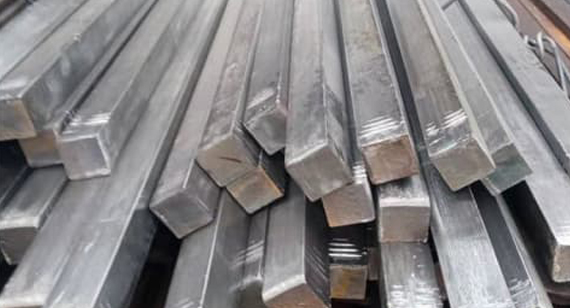
1095 steel is a high-carbon steel(0.90–1.03% carbon content) known for its exceptional hardness, excellent edge retention, and ability to take a very fine, sharp edge. These characteristics make it a popular choice for knives, swords, and other cutting tools where cutting performance is critical. Because of its high carbon content, 1095 can be heat treated to reach very high hardness levels, giving it outstanding wear resistance. However, this also makes it more prone to brittleness and corrosion compared to lower-carbon steels, and it typically requires careful heat treatment and maintenance to perform at its best. The “1095” designation also indicates the steel’s chemical composition according to the Society of Automotive Engineers (SAE) classification system.
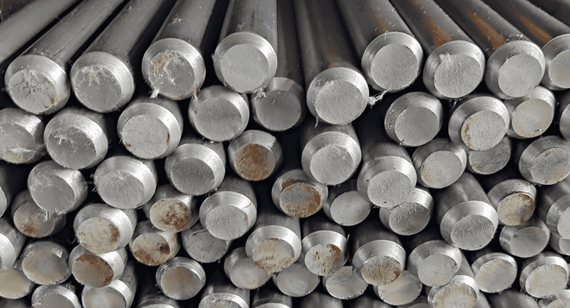
To choose the right carbon steel grade between AISI SAE 5160 and AISI SAE 1095, it is essential to understand the differences in their properties, machinability, and cost. Knowing how these two steels compare can help you determine whether they are suitable for your project. Below are nine key differences to keep in mind when deciding which grade is the best fit for your needs.
1.Chemical Composition Difference
The main compositional differences between 5160 steel and 1095 steel come down to their carbon and alloying element content. 5160 is a medium-to-high carbon alloy steel with a carbon content of about 0.56–0.64%, along with 0.7–0.9% chromium and 0.15–0.3% silicon. It also contains a relatively high amount of manganese (0.75–1%). These alloying elements give 5160 a strong balance of hardness, toughness, and elasticity.
In contrast, 1095 is a high-carbon plain steel with a carbon content as high as 0.90–1.03%. It contains no chromium or silicon and has a lower manganese content (0.30–0.50%). 1095 steel’s higher carbon content allows it to reach greater hardness and hold a sharper edge, while its lack of chromium makes it more prone to rust compared to 5160. Both carbon steels 5160 vs 1095 have low phosphorus and sulfur levels. Below is the Table showing chemical composition details of 5160 vs 1095.
Table 1: Chemical Composition Comparison of 5160 vs 1095 Steel
| Element | 5160 Steel (%) | 1095 Steel (%) |
| C (Carbon) | 0.560–0.640 | 0.90–1.03 |
| Cr (Chromium) | 0.7–0.9 | — |
| Mn (Manganese) | 0.75–1.00 | 0.30–0.50 |
| Si (Silicon) | 0.15–0.30 | — |
| P (Phosphorus) | ≤0.035 | ≤0.040 |
| S (Sulfur) | ≤0.040 | ≤0.050 |
| Fe (Iron) | Balance | Balance |
The main physical and mechanical properties of 5160 steel vs 1095 steel are outlined in below Table 2:
Table 2: Physical And Mechanical Properties of AISI 5160 And AISI 1095
| Property | 5160 Steel | 1095 Steel |
| Density (g/cm³) | 7.85 | 7.85 |
| Melting Point (°C) | 1425–1540 | 1515 |
| Thermal Conductivity (W/m·K) | 46.6 | 49.8 |
| Elastic Modulus (GPa) | 190–210 | 190–210 |
| Tensile Strength (MPa) | 724 | 685 |
| Yield Strength (MPa) | 275 | 525 |
| Brinell Hardness (HB) | 197 | 197 |
| Rockwell Hardness (HRC) | 57–60 | 58–62 |
| Elongation (%) | 17.2 | 10 |
| Machinability | 55 | 45 |
Table 2 Credit: azom 5160 and azom 1095
These properties can directly influence the toughness, impact resistance, machinability, and weldability of both steels, as well as their typical applications. We will discuss these in the following article. Here about the yield strength and tensile strength in the table, it is worth noting that:
5160 steel has a relatively low yield strength, which allows it to bend rather than break, while its high tensile strength gives it excellent resistance to fracture. For this reason, 5160 is well suited for applications that must withstand shock, bending, and repeated stress.
1095 steel, on the other hand, has a higher yield strength, meaning it resists bending up to a higher load. However, its lower elongation makes it more prone to brittle failure once that limit is exceeded. This combination makes 1095 ideal for cutting applications, but less suitable for heavy impact or high-stress use.
3.Toughness and Impact Resistance Difference
In terms of toughness and impact resistance, 5160 spring steel clearly outperforms 1095 steel. 5160 steel’s tensile strength can reach around 720 MPa or even higher after heat treatment. The outstanding toughness of 5160 spring steel is closely related to its chemical composition of carbon, chromium, and silicon content. This elements combination enhances its crack resistance and plasticity. And in the prospect of mechanical performance, 5160 carbon steel shows elongation values above 17%, indicating good ability to deform without failing.
By contrast, 1095 steel is a classic high-carbon plain steel with a carbon content as high as 0.90–1.03%, and it contains no chromium or silicon to improve toughness. While this high carbon allows 1095 to achieve high hardness and excellent edge retention, it also reduces the steel’s plasticity and makes it more brittle. Its elongation is usually around 10% or less, meaning it is more prone to chipping, edge failure, or even fracture when subjected to impact beyond its limits.
4.Fatigue life Difference
5160’s fatigue life surpasses that of 1095. Fatigue resistance is one of the most important factors for parts subjected to repeated loading, and this is exactly where 5160 spring steel clearly pulls ahead. Its higher manganese content, combined with the addition of chromium, gives 5160:
These alloying elements help 5160 endure cyclic stress without developing microcracks, making it a reliable choice for suspension springs, long blades, and mechanical components that flex or impact repeatedly.
In contrast, 1095 steel—being a high-carbon plain steel without chromium or silicon—has much lower fatigue strength. Its higher hardness and lower ductility make it more prone to forming microcracks under cyclic loading. Over time, these cracks can spread quickly, shortening the steel’s service life in applications that involve constant flexing, vibration, or repeated stress.
5.Elasticity Difference
Thanks to 5160 steel’s balanced carbon content and the added chromium in its composition, 5160 steel offers noticeably greater elasticity than 1095. There’s a reason it’s widely known as a “spring steel”—it’s built to flex and return to shape without failing. If your product needs to handle bending or dynamic loads, 5160 is the more dependable choice.
6.Wear Resistance Difference
1095 steel offers a higher level of wear resistance than 5160. Its higher carbon content and increased carbide formation allow 1095 to achieve greater hardness. This means 1095 carbon steel has a better resistance to abrasion and surface wear in general use. Whether for the use of industrial components, mechanical parts, or cutting tools, 1095 high carbon steel holds better under constant friction. If your parts or products call for strong wear resistance, 1095 is usually the smarter choice.
AISI 5160 alloy steel offers slightly better corrosion resistance than AISI 1095 carbon steel because it contains a small amount of chromium.
That said, under the same conditions:
Both steels are still carbon steels—not stainless steel, which typically relies on more than 10% chromium to form a protective passive layer. Since neither 5160 nor 1095 has this level of built-in corrosion protection, regular maintenance and rust prevention are essential in everyday use. You may also apply surface finishes such as electroplating, anodizing, or hard coatings to improve corrosion resistance for your components.
8.Weldability and Forming Difference
Weldability is another area where 5160 and 1095 behave quite differently.
For 5160 steels, welding is difficult and often unreliable because its chromium content tends to form chromium oxides during forge welding. This oxide layer interferes with bonding, which is why large-scale welding with 5160 is typically not recommended. If welding is unavoidable, strict preheat and post-heat procedures are required to minimize cracking.
When it comes to forming and forging, 5160 can feel “slower” under the hammer, but it still forges very well at higher temperatures.
1095 steel, on the other hand, is technically weldable but usually not advised. Its heat-affected zone (HAZ) becomes extremely brittle, requiring preheating to 260–315°C and post-heating to 648–788°C to reduce cracking risk. Even with these precautions, the weld strength is often inconsistent, which is why many makers prefer mechanical fastening instead of welding when working with 1095.
As for forming and forging, 1095 machines and shapes well when annealed, but its high carbon content makes it prone to cracking during cold work. Both steels perform significantly better under hot-working conditions, and careful temperature control is essential when forming either alloy.
9.Price Difference
Cost is usually not a deciding factor when choosing between 5160 and 1095, as their prices are generally comparable. Both grades are widely available and considered cost-friendly raw materials for most makers and manufacturers.
Typical online pricing (based on typical United States online retailers and specialty steel suppliers) for 5160 and 1095 may look like:
Prices can vary significantly depending on factors such as thickness and dimensions, annealed vs. pre-hardened conditions, supplier pricing, and regional availability.
5160 steel is known for its toughness and flexibility, so it is most often supplied in formats used for springs and impact-resistant parts. Typical formats include:
1095 steel is valued for its high hardness and excellent edge retention, making it popular in cutting tools and thin spring applications. It is commonly available as:
Before you get into the heat treatment details, it’s worth knowing that 5160 and 1095 steel will treat you very differently on the forge. Each steel has its own personality when in the heat treatment and understanding those traits can save you a lot of frustration. The table below gives you a quick, side-by-side look at what to expect when you heat treat each one.
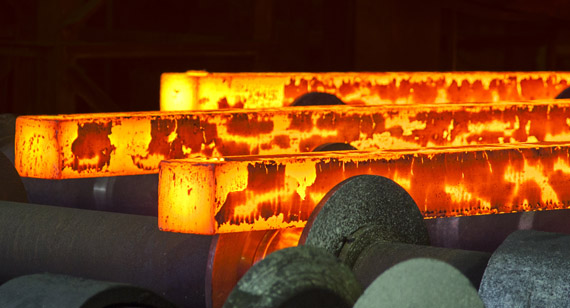
Table 3: Heat Treatment Comparison of 5160 vs 1095 Steel
| Category | 5160 Steel | 1095 Steel |
| Austenitizing Temperature | 830–870 °C (1525–1600 °F) | 780–815 °C (1435–1500 °F) |
| Quenching | Oil quenching works extremely well; water quenching is not recommended | Requires very fast quenching, between oil and water severity; prone to cracking or softness if done incorrectly |
| Overheating Sensitivity | High tolerance thanks to chromium; wide safe temperature window | Very sensitive to overheating; grain growth can significantly reduce toughness |
| Forging / Heat Stability | Stable at high temperature; low risk of failure | No alloying support; small mistakes can cause large performance loss |
| Difficulty Level | Relatively easy and beginner friendly | Difficult; requires precise temperature and quench control |
| Typical Risks | Warping or cracking is uncommon | Cracking, chipping, or catastrophic failure can occur |
| Resulting Performance | Tough and elastic; excellent for springs and impact parts | Very hard with strong edge retention; less tolerant of impact |
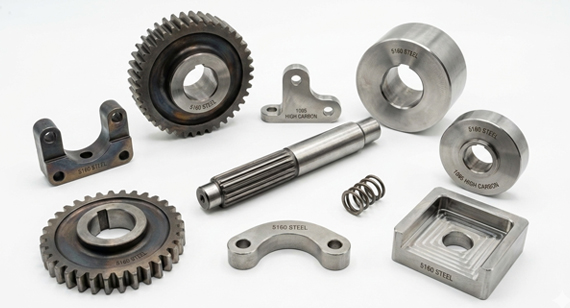
Because of its outstanding toughness and ability to withstand impact and bending, 5160 steel is widely used in applications where durability is critical, like:
1095 steel is prized for its high hardness and excellent edge retention, making it ideal for cutting tools and precision parts, like:
If you’ re trying to decide between 5160 and 1095, the choice becomes much easier once you think about what your project actually needs.
Choose 5160 steel when you need:
Choose 1095 steel when you need:
The comparison between 5160 steel and 1095 steel has been a topic of discussion among makers, engineers, and fabricators for decades. While this article can help clarify their key differences, the best material choice always comes down to the specific loads, geometry, heat-treatment requirements, and performance goals of your part. If you’re still unsure which grade is right for your project, working with an experienced machining or material partner can save you time, reduce cost, and help avoid failures caused by improper material selection.
If you’re ready to start a project using 5160 steel, 1095 steel, or any other material, we’re here to support you. VMT CNC Machining Factory offers a full range of advanced manufacturing capabilities, including high-precision CNC machining, complex multi-axis machining, coordinated heat-treatment solutions, and a variety of high-performance surface finishing services. Whether you need customized precision parts or highly specialized components with strict confidentiality and performance requirements, we can provide rigorous process control and data security to ensure your project is handled safely and reliably.
From prototyping to full-scale production, our engineering team can support your project from concept to final delivery, ensuring dimensional accuracy, repeatability, and consistent performance. Visit our website to learn more, or request a free, no-obligation quotation today.

What are the four types of stainless steel?
Stainless steel is commonly classified into four main types, each serving different performance and cost needs. Austenitic stainless steel (such as 304 and 316) offers excellent corrosion resistance and formability, making it ideal for food, medical, and chemical applications. Ferritic stainless steel (like 430) provides good corrosion resistance at a lower cost and is often used for decorative and automotive parts. Martensitic stainless steel (such as 410 and 420) is known for high hardness and wear resistance, widely used in cutting tools and blades. Duplex stainless steel combines austenitic and ferritic structures, delivering high strength and superior corrosion resistance for demanding industrial environments. From a customer perspective, understanding these categories helps match performance requirements with budget and application needs.
Which type of steel makes the sharpest blade?
The sharpest blades are typically made from high-carbon or martensitic steels, such as 1095 carbon steel or 420/440 series stainless steel. These steels can be heat-treated to achieve very high hardness, allowing the blade to take and hold an extremely sharp edge. Customers who prioritize cutting performance often choose high-carbon steels for their edge retention, while those needing corrosion resistance prefer martensitic stainless steels for everyday use.
What is the cheapest grade of stainless steel?
Among stainless steels, 430 stainless steel is generally one of the most affordable options. It contains little or no nickel, which significantly lowers material cost. While it offers moderate corrosion resistance and good formability, it is not suitable for highly corrosive environments. For cost-sensitive projects, 430 stainless steel provides a practical balance between price and basic performance.
What is the most expensive stainless steel?
The most expensive stainless steels are typically high-alloy grades, such as super austenitic stainless steel (e.g., 904L) or super duplex stainless steels. These materials contain high levels of nickel, molybdenum, and chromium, delivering exceptional corrosion resistance and strength in extreme environments. Customers usually select these grades only when performance requirements justify the higher upfront material cost.
What are the advantages and disadvantages of using 1095 steel?
What are the advantages and disadvantages of 5160 steel?
Advantages: 5160 steel is a chromium spring steel known for outstanding toughness, shock resistance, and fatigue strength. It performs well under heavy impact and is easy to heat-treat.
Disadvantages: Its corrosion resistance is limited, and it cannot achieve the same extreme hardness as some high-carbon steels. From a customer standpoint, 5160 steel is ideal for parts that must withstand repeated stress rather than extreme sharpness.
What is the equivalent steel to 5160 steel?
Common equivalents to AISI 5160 steel include EN 1.5025 (60Cr4) and DIN 55Cr3. These grades share similar chemical compositions and mechanical properties, making them suitable substitutes in applications requiring comparable strength and toughness.
What is the equivalent steel to 1095 steel?
Equivalents to AISI 1095 steel include EN C100 / C100S and DIN 1.1274. These steels provide similar high-carbon content and performance characteristics, commonly used in cutting tools and blades.
What is the difference between 5160 steel and 6150 steel?
The main difference lies in alloying elements. 5160 steel contains chromium for toughness and flexibility, while 6150 steel includes both chromium and vanadium, offering higher strength, wear resistance, and improved hardenability. Customers typically choose 6150 steel for more demanding mechanical applications, while 5160 remains a cost-effective option for impact-resistant parts.
Is 5160 steel suitable for making swords?
Yes, 5160 steel is widely used for swords due to its excellent toughness and ability to absorb shock without breaking. It provides a good balance between flexibility and strength, making it reliable for long blades that must withstand repeated impact. Customers value 5160 steel for its durability and ease of heat treatment.
Is 1095 high-carbon steel suitable for making knives?
Absolutely. 1095 high-carbon steel is a popular choice for knives, especially when sharpness and edge retention are top priorities. It can achieve a very fine edge through proper heat treatment. However, users must be willing to maintain the blade, as 1095 steel lacks corrosion resistance compared to stainless alternatives.


 +86 15099911516




 Read more