16 years one-stop China custom CNC machining parts factory

Hey there I’m VMT Sam!
With 25 years of CNC machining experience we are committed to helping clients overcome 10000 complex part-processing challenges all to contribute to a better life through intelligent manufacturing. Contact us now
 647 |
Published by VMT at Dec 23 2025 | Reading Time:About 3 minutes
647 |
Published by VMT at Dec 23 2025 | Reading Time:About 3 minutes


Thanks to the high purity 1070 aluminum’s excellent performance, it is often used in applications that require excellent electrical and thermal conductivity as well as corrosion resistance. But whether 1070 aluminum is suitable for your uses or not, it may depend on several factors, including material temper, forms, formability and the actual service environment. To help you better evaluate this material, this article fully introduces 1070 aluminum in terms of its properties, supply forms, typical applications, and advantages and limitations. You can learn more about it in our rundown below.
1070 aluminum is a commercially pure aluminum alloy with at least 99.7% aluminum content. It is best known for its excellent ductility and machinability as well as good properties of electrical conductivity, thermal conductivity, and corrosion resistance. So, you may see this material in everyday use, from electrical and electronics parts and architectural decorative parts to chemical equipment parts, etc.
Excellent ductility and machinability of 1070 aluminum also make it suitable for processes such as cold rolling, stretching, stamping, and bending, and it is not prone to cracking. Thin sheets or complex-shaped products are preferred by many people using 1070 aluminum for this reason.
However, you may need to note that 1070 aluminum has relatively low mechanical strength. This is because of the rare content of 1070 aluminum's other alloying elements (except aluminum element), which limits the improvement of 1070 aluminum's mechanical strength. Thus, for high-strength or load-bearing applications, aluminum alloys from the 5xxx (higher strength), 6xxx (balanced performance), or 7xxx (very high strength) series are more suggested.
Equivalents of Aluminum 1070
The following are equivalents of aluminum 1070 in different regions:
Table 1: Equivalents of Aluminum 1070 in Different Regions
|
Region |
Standard No. |
Designation |
Remarks |
|
China (GB) |
GB/T 3190 |
1070 / 1070A |
1070A has extremely strict compositional control |
|
United States (ASTM / UNS) |
ASTM B209 / UNS |
1070 / A91070 |
UNS A91070 is the unified numbering designation |
|
International (ISO) |
ISO 209 |
Al99.7 |
Chemical composition naming based on aluminum content |
|
Europe (EN) |
EN 573 / EN 485 |
EN AW-1070 / EN AW-1070A |
“EN AW” indicates wrought aluminum alloys |
|
Japan (JIS) |
JIS H4000 |
A1070 / A1070P |
“P” denotes plate/sheet material |
|
Germany (DIN) |
DIN 1712 |
Al99.7 / 3.0275 |
Numerical designation 3.0275 commonly used in older DIN standards |
|
United Kingdom (BS) |
BS 1470 (obsolete) |
1070 / ER1 |
Now harmonized and replaced by EN standards |
Chemical Properties and Composition of 1070 Aluminum
Aluminum 1070 belongs to the 1xxx series of high-purity aluminum alloys, its chemical composition include:
Table 2:Chemical Composition of 1070 Aluminum
|
Element |
Content Range (%) |
|
Aluminum (Al) |
≥ 99.7 |
|
Iron (Fe) |
≤ 0.25 |
|
Silicon (Si) |
≤ 0.20 |
|
Copper (Cu) |
≤ 0.05 |
|
Manganese (Mn) |
≤ 0.03 |
|
Magnesium (Mg) |
≤ 0.03 |
|
Zinc (Zn) |
≤ 0.04 |
|
Titanium (Ti) |
≤ 0.03 |
|
Vanadium (V) |
≤ 0.05 |
|
Other elements (each) |
≤ 0.03 |
Chemical Composition of 1070 Aluminum Credit: Azom Aluminum 1070 Alloy (UNS A91070)
1070 aluminum alloy has excellent corrosion resistance and distinctive chemical reactivity. Its chemical properties are mainly determined by its very high aluminum purity. You can see main chemical properties of 1070 aluminum in the following:
Good Corrosion Resistance
1070 aluminum can spontaneously form a thin, dense layer of aluminum oxide (passive layer) in most environments. This stable protective film effectively prevents further oxidation or corrosion, performing well in humid and industrial settings.
Good Oxidation Resistance
The oxide layer formed on 1070 aluminum reacts with oxygen in the air, protecting the underlying material and helping it maintain stable performance over long periods in natural conditions.
Acid Resistance
1070 aluminum has good resistance to most weak acids and general acidic environments, making it suitable for long-term use in these conditions. However, it is not suitable for strong acids or highly aggressive chemical media.
Alkali Resistance
It can tolerate weak alkaline environments, but in strong bases (e.g., sodium hydroxide), the protective oxide film may be damaged, reducing its corrosion resistance.
Low Reactivity
Under most application conditions, 1070 aluminum has minimal chemical reactions with other elements, making its overall chemical behavior very stable.
Non-Toxic
1070 aluminum is safe and non-toxic, making it suitable for food processing, pharmaceutical packaging, and other applications that involve direct human contact.
Anodizing Capability
1070 aluminum parts can be anodized electrochemically to form a thicker, harder oxide layer. This improves corrosion and wear resistance, while also enhancing surface gloss and decorative appearance.
1070 aluminum is a high-purity aluminum alloy with a density of approximately 2.78 g/cm³and it has high ductility but relatively low strength. The mechanical properties of 1070 aluminum can vary depending on the temper (annealed or cold worked). You can check the main mechanical properties of 1070 aluminum in different tempers below:
Table 3: Mechanical Properties of 1070 Aluminum Under Annealed or Cold Worked Temper
|
Temper |
Tensile Strength (MPa) |
Yield Strength (MPa) |
Elongation (%) |
Hardness (HB) |
Notes |
|
O (Annealed) |
55–70 |
20–35 |
≥35 |
20–25 |
Highest ductility, |
|
H12 (Light Cold Work) |
80–95 |
35–45 |
20–25 |
25–30 |
Strength increases, ductility decreases |
|
H14 (Medium Cold Work) |
95–105 |
40–50 |
15–20 |
30–35 |
Higher strength, further reduced ductility |
|
H18 (Full Hard Cold Work) |
105–110 |
45–50 |
10–15 |
35–40 |
Highest strength, lowest ductility |
Mechanical and the Following Thermal of 1070 Aluminum Credit:MakeItFrom 1070 (Al99.7) Aluminum
Mechanical and physical characteristics of 1070 aluminum include:
High Ductility
The O temper has the highest ductility, making it suitable for cold working, stamping, bending, and deep drawing.
Strength Variation
Through cold working (H12/H14/H18), strength gradually increases while ductility decreases.
Good Weldability
Both O and H tempers are suitable for gas welding, spot welding, and brazing, making them ideal for busbars, electrical connectors, and radiators.
Stable Physical Properties
With low density and good dimensional stability, 1070 aluminum is well suited for lightweight and precision components.
1070 aluminum has high thermal conductivity, allowing it to quickly transfer heat, making it ideal for devices and industrial applications that require efficient heat dissipation. It also has a low coefficient of thermal expansion, providing good dimensional stability and reducing the risk of deformation or warping even with temperature changes. However, 1070 aluminum cannot be strengthened through heat treatment, so its mechanical strength primarily depends on the chosen cold working temper (O, H12, H14, or H18). Thermal properties of aluminium 1070 are shown in below table 4:
Table 4: Thermal Properties of 1070 Aluminum
|
Property |
Value |
Description |
|
Thermal Conductivity |
220–230 W/m·K |
High thermal conductivity, suitable for radiators, heat exchangers, and electronic heat sinks |
|
Coefficient of Thermal Expansion |
23.8 ×10⁻⁶ /K |
Minimal dimensional change with temperature, beneficial for precision equipment and curtain wall systems |
|
Heat-Treatable |
No |
1xxx series aluminum alloys cannot significantly increase strength through heat treatment; hardness can only be improved by cold working |
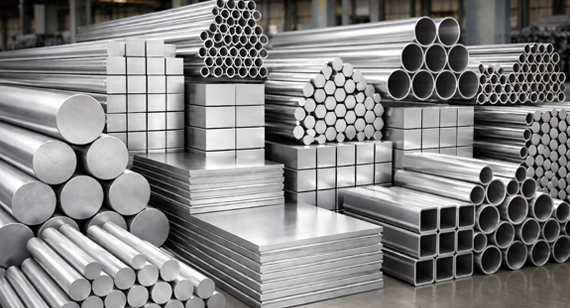
1070 aluminum can be processed into a variety of forms to meet different industrial applications. It is also supplied as O (annealed) or H12/H14/H18 (cold-worked) to meet varying strength and processing requirements. Below are the common forms of 1070 aluminum:
Sheet & Coil
1070 aluminum sheets and coils are among the most common forms in industry. They are very easy to process and can be cut, bent, stamped, or laminated as needed. Sheets are typically supplied as flat, thin plates, ranging in thickness from less than 1 mm to several tens of millimeters. Coils are delivered in continuous rolls and they are ideal for large-scale or automated production. These forms are commonly used in cooling plates, reflectors, and architectural decorative applications.
Bar
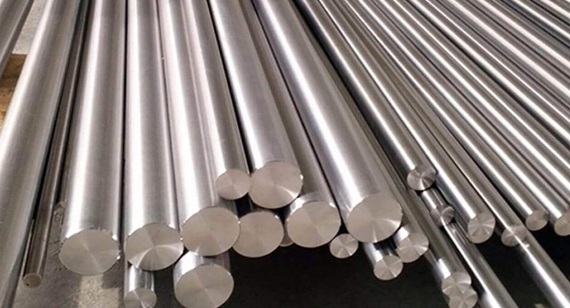
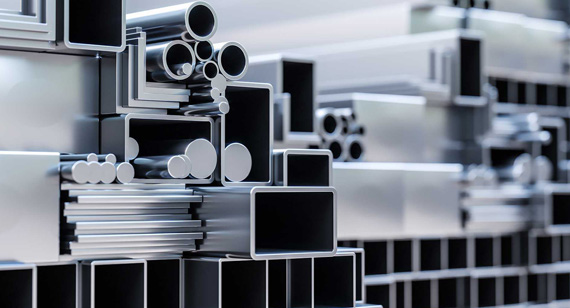
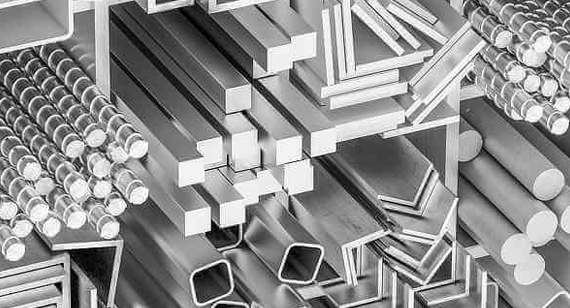
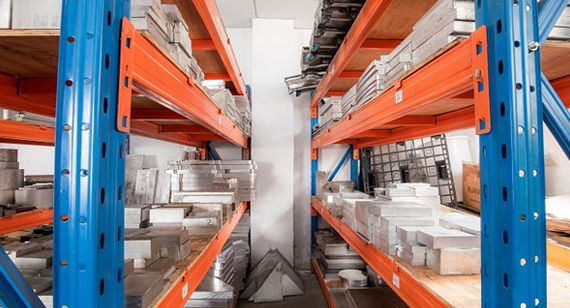
1070 aluminum bars are available in various profiles, including round, square, flat, and hexagonal bars. With a dense and uniform structure, aluminum bars are a popular choice for machining into parts. They are suitable for producing mechanical components, industrial structural parts, or various connectors.
Extrusion
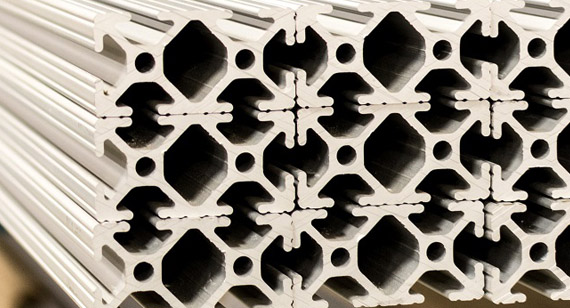
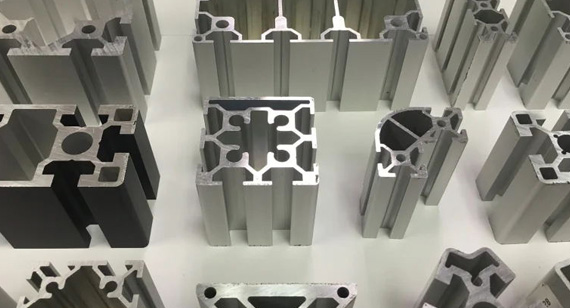
1070 aluminum extrusions are typically produced through the extrusion process. They offer flexible cross-sectional shapes that can be tailored to project requirements. Common applications of this form include parts where weight, shape, and stability are important, such as door and window frames, equipment frames, track structures, or electronic enclosures.
Tube & Pipe
1070 aluminum tubes and pipes come in round, square, and other custom profiles. Thanks to their stable formability and thermal conductivity, they are widely used in applications involving medium transport or heat exchange. Typical uses of 1070 aluminum tubes or pipes include chemical equipment, air-conditioning systems, refrigerator evaporators, and other cold or hot medium transport applications.
Wire
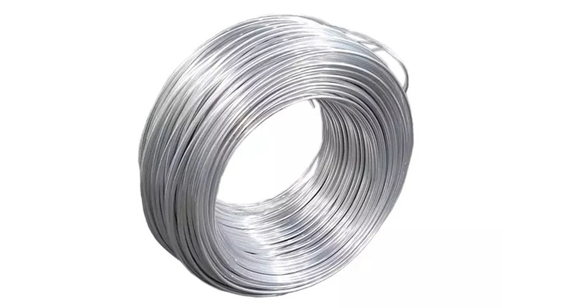
1070 aluminum wire is usually supplied in coils with a wide range of diameters, facilitating continuous processing and use. The wire exhibits stable flexibility, making it suitable for drawing, stranding, or surface treatment. It is commonly used for cable cores, braided structures, or other conductive components.
Foil
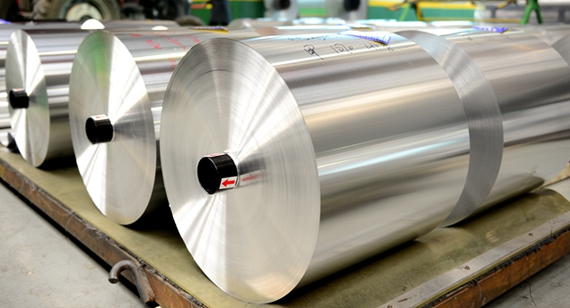
1070 aluminum foil is very thin and generally supplied in rolls. Its good formability and barrier characteristics make it widely used in applications requiring material safety and stability, such as food packaging, pharmaceutical packaging, labels, or decorative films.
Annealed (O Temper)
Annealed 1070 aluminum is relatively soft, making it easier to deform during processing. It is ideal for operations requiring large forming amounts. Many manufacturers prefer annealed material for deep drawing, bending, or multi-step forming processes.
Cold-Worked (H12 / H14 / H18)
Cold working increases the strength of 1070 aluminum through work hardening. H12 is lightly cold-worked, retaining good ductility. H14 is moderately cold worked, offering a balance of strength and formability. H18 is heavily cold worked, providing higher strength but significantly lower ductility. If your project requires better dimensional stability or rigidity with limited forming, H14 or H18 is more suitable. For applications needing some processing allowance, H12 is usually the best choice.
Within the 1xxx series of commercially pure aluminum alloys, as the aluminum content increases, electrical and thermal conductivity improve, while mechanical strength decreases. Comparison of aluminum 1070, 1050, 1060, 1100 are outlined in the following:
Table 5: Comparison of Aluminum Alloy 1070, 1050, 1060 & 1100
|
Aluminum Alloy |
Strength (Relative) |
Conductivity (Relative) |
Typical Applications |
Cost (Relative) |
|
1070(≥ 99.7% Al) |
Very Low |
Very High |
Electrical busbars, radiators, chemical equipment |
Medium |
|
1050(≥ 99.5% Al) |
Low |
High |
General industrial use, decorative materials |
Low |
|
1060(≥ 99.6% Al) |
Low |
High |
Electrical, construction materials |
Low–Medium |
|
1100(≥ 99.0% Al) |
Low–Medium |
High |
Containers, food packaging, structural components |
Medium |
In practical material selection of aluminum 1070, 1050, 1060, 1100, a balance must be made among strength, conductivity, formability, and cost, depending on the specific application requirements. Here are some suggestions for your reference:
Aluminum 1070 is preferred when maximum electrical/thermal conductivity and excellent ductility are required, such as in high-efficiency electrical busbars, large heat exchangers, and aluminum discs/circles.
This alloy offers a good cost–performance balance, with high conductivity and good formability, making it suitable for a wide range of electrical and architectural applications.
It is the relatively low-cost option with good ductility, suitable for general industrial decoration and structural parts with low performance requirements.
1100 aluminum is more suitable when moderate strength and good workability are needed, such as uses for containers and architectural sections.
Cost Considerations of 1xxx Series Aluminum Alloys
The relative cost differences among 1070, 1050, 1060, and 1100 aluminum alloys are mainly driven by aluminum purity, production control requirements, and application standards. Higher-purity alloys such as 1070 require stricter refining and quality control processes, resulting in higher production costs. In contrast, 1050 and 1060 alloys offer lower material costs due to slightly lower purity and wider industrial availability, while 1100 aluminum balances moderate strength and workability with a medium cost level.
Advantages of 1070 Aluminum
Here are the benefits if you are choosing 1070 aluminum for your uses:
Due to its extremely high aluminum purity (≥99.7%), 1070 aluminum allows electrons to flow with minimal resistance. So, it is highly suitable for electrical applications such as busbars, conductors, and electrical components where efficiency and low energy loss are critical.
The high purity aluminum matrix enables efficient heat transfer, allowing 1070 aluminum to quickly dissipate heat. This makes it ideal for radiators, heat exchangers, and other thermal management components.
1070 aluminum readily forms a dense and stable natural oxide film on its surface, which effectively protects the material from oxidation and corrosion in most atmospheric and chemical environments, especially in humid or mildly corrosive conditions.
With very low impurity and alloying element content, the material exhibits excellent plasticity. It can undergo cold rolling, deep drawing, bending, and stamping without cracking, making it suitable for thin sheets, aluminum circles, and complex-shaped products.
The simple chemical composition and absence of significant alloying elements reduce the risk of weld defects such as hot cracking, enabling stable welding performance.
The uniform microstructure and high purity allow 1070 aluminum to achieve a smooth, bright surface after polishing or anodizing, making it attractive for decorative aluminum products.
Disadvantages of 1070 Aluminum
Like most materials, there are also limitations of 1070 aluminum you may watch out for your uses:
The 99.7% aluminum means that 1070 aluminum has low tensile and yield strength, limiting its use to non-structural or lightly loaded applications.
Its softness makes the surface more prone to scratching and wear. In addition, under cyclic loading conditions, its fatigue performance is relatively poor compared with higher-strength aluminum alloys such as 5xxx, 6xxx series, or 7xxx series.
As a non–heat-treatable alloy, 1070 aluminum cannot achieve substantial strength improvements through solution treatment or aging; strength enhancement is limited to cold working only.
The soft and ductile nature of 1070 aluminum can cause material adhesion to cutting tools (built-up edge) during machining, which may reduce surface quality and require optimized cutting parameters or specialized tooling.
You’ll find 1070 aluminum in places that need good electrical conductivity, thermal conductivity, corrosion-resistant, attractive appearance, or other lightly loaded components. Common applications of aluminum alloy 1070 include:
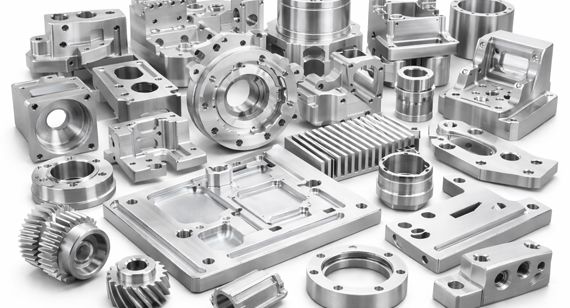
1.Electrical and energy applications
Thanks to its very high electrical conductivity and stable electrical performance, 1070 aluminum effectively reduces power transmission losses. It is widely used in electrical housings, busbars, terminal plates, and grounding plates. In addition, its good corrosion resistance and formability make it suitable for communication equipment that requires reliable conductivity and long-term stability.
2.Thermal management
With excellent thermal conductivity, 1070 aluminum can rapidly transfer and dissipate heat, improving cooling efficiency. This makes it well suited for radiators, heat exchangers, refrigeration systems, and heat sinks, especially in applications where efficient heat transfer is critical.
3.Industrial and construction applications
1070 aluminum is lightweight, highly corrosion-resistant, and easy to form into large sheets or complex profiles. These characteristics make it suitable for roofing panels, doors and windows, and curtain wall systems. Its good weather resistance also ensures long service life in outdoor environments.
4.Decorative uses (such as reflectors, lighting fixtures, decorative trims)
The smooth surface and high purity of 1070 aluminum allow it to be easily polished or anodized, resulting in excellent reflectivity and an attractive appearance. As a result, it is commonly used in reflectors, lighting fixtures, and decorative trims where visual quality is important.
5.Automotive industry
In the automotive industry, 1070 aluminum is used for lamp housings, interior panels, and other non-load bearing or lightly loaded components. Its low density, good formability, and corrosion resistance help reduce vehicle weight while maintaining good appearance and durability.
1070 aluminum is a high-purity aluminum alloy designed for specialized applications. It is best suited for uses that require high electrical conductivity, high thermal conductivity, and excellent corrosion resistance. When mechanical strength is not a primary requirement, 1070 aluminum is an ideal choice; however, for applications demanding higher strength, 6xxx or 7xxx series high-strength aluminum alloys should be considered instead.
At VMT CNC machining factory, we offer precision CNC machining, extrusion, and finishing services for all kinds of aluminum alloys, ensuring tight tolerances, consistent dimensional accuracy, and excellent surface quality. Whether your project involves electrical busbars, heat exchangers, decorative trims, or custom-shaped sheets, our skilled engineers and advanced CNC equipment deliver reliable results from prototypes to large-scale production.
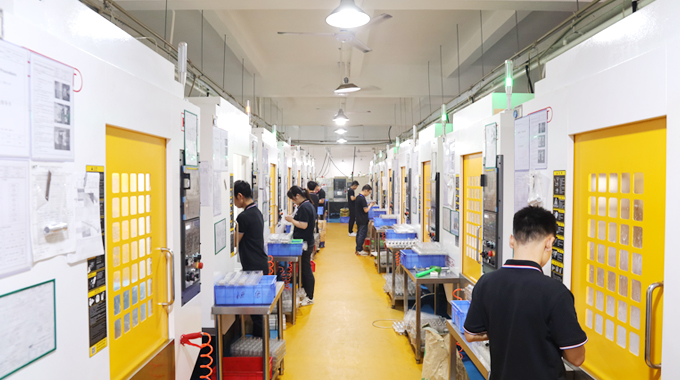
With over 15 years of experience in aluminum machining, VMT specializes in producing custom enclosures, housings, structural parts, and decorative components for industries including electrical, thermal management, automotive, and architectural applications. We can achieve tolerances as tight as ±0.01 mm, helping transform your designs into high-performance, precision 1070 aluminum components. Contact VMT today to discuss your next project.

Q1: Can 1070 aluminum be heat treated?
A: No, 1070 aluminum cannot be significantly strengthened through heat treatment. Its strength can only be increased through cold working.
Q2: Can 1070 aluminum be used for structural components?
A: No, due to its low strength, 1070 aluminum is not recommended for load-bearing structural applications.
Q3: How high is the electrical conductivity of 1070 aluminum?
A: Approximately 61–63% IACS, which is close to the conductivity of pure copper, making it ideal for electrical applications.
Q4: Can 1070 aluminum be welded?
A: Yes. 1070 aluminum has good weldability and can be welded using gas welding, spot welding, or brazing. However, care should be taken to avoid excessive heat input that could cause distortion.
Q5: Is 1070 aluminum suitable for food packaging?
A: Yes. Its high aluminum purity and excellent corrosion resistance make it commonly used for food foils, beverage cans, and packaging films.
Q6: Is 1070 aluminum difficult to process?
A: Processing is relatively easy. 1070 aluminum has high ductility and plasticity, suitable for cold stamping, bending, and deep drawing. However, during machining, it tends to stick to cutting tools, so sharp tools and proper cutting parameters are recommended.


 +86 15099911516




 Read more