16 years one-stop China custom CNC machining parts factory

Hey there I’m VMT Sam!
With 25 years of CNC machining experience we are committed to helping clients overcome 10000 complex part-processing challenges all to contribute to a better life through intelligent manufacturing. Contact us now
 263 |
Published by VMT at Mar 10 2026 | Reading Time:About 2 minutes
263 |
Published by VMT at Mar 10 2026 | Reading Time:About 2 minutes


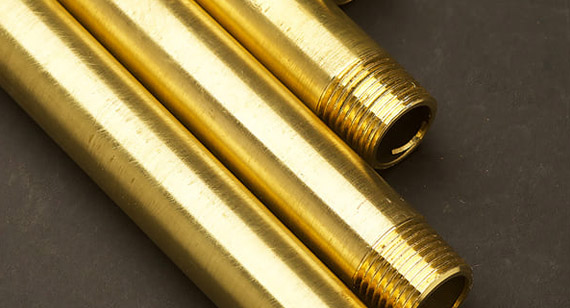
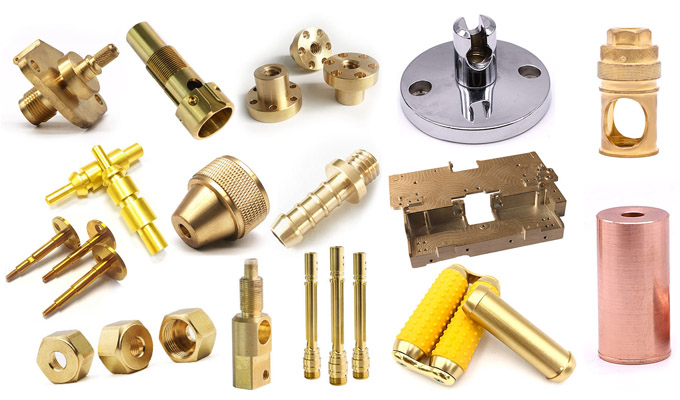
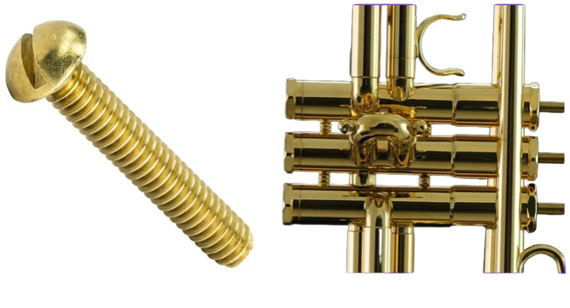
From various CNC machined brass parts like common bearings, bushings, gears, and hardware, to brass musical instruments produced through hot-working, and even marine valves or other components manufactured via cold-working processes.
You will find that brass—or more specifically, the various types of brass—possesses unique properties: some offer high ductility, others provide superior mechanical strength, and some are engineered for marine-grade corrosion resistance. They can essentially adapt to all mainstream production methods for brass products, finding their way into everything from automotive parts and architectural decorations to various components for ocean-going vessels.
And this—the different types of brass, driven by differing microstructures and chemical compositions that evolve into distinct types—is exactly what we are focusing on in this article.
First, you need to know that three scenarios can occur within brass: a Face-Centered Cubic (FCC) structure, a Body-Centered Cubic (BCC) structure, or a coexistence of both. Each of these three structures possesses its own unique characteristics:
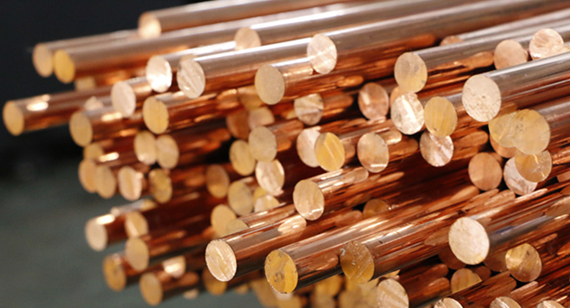
Alloying elements can influence the characteristics of brass. Without going into too much unnecessary detail, you will understand that for brass primarily composed of copper and zinc, if the copper content is high (greater than 70%), the brass will lean toward a reddish color and its ductility will increase (see, doesn't that fit the FCC structure better?).
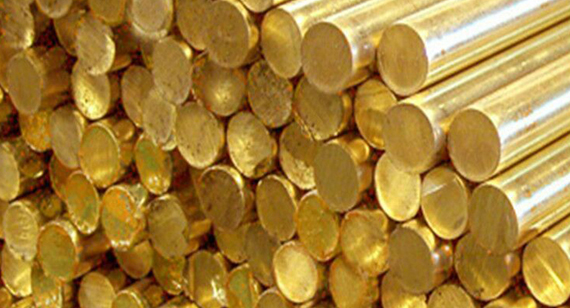
If the zinc content is high (35–40%), the brass will lean toward a bright golden hue; its hardness and strength will increase, and its metal fluidity will be enhanced (making it a better fit for the BCC structure). For brasses where both structures coexist, they also follow the influence of this copper-to-zinc ratio.
Additionally, as we are all familiar with—Lead (Pb) can make all three of the aforementioned brass structures more suitable for CNC machining( a manufacturing process of machining, cutting, or drilling the material controlled by computer). But this Lead(Pb) is generally only added to brasses that possess both structures. There is no need to add lead to high-ductility FCC brass (which is "sticky" and difficult to machine anyway) just to achieve easy-cutting properties. The same logic applies to BCC; there is no need to add lead and hinder its inherent advantage of excellent metal fluidity.
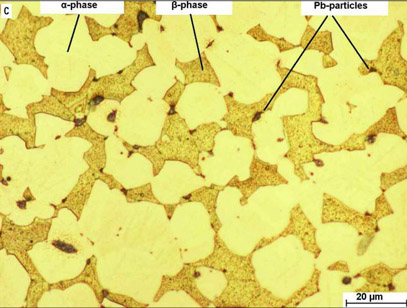
Based on the atomic principles we just discussed, three distinct phases can be created(three types of structure) to display their best advantages with corresponding elements addition. You will find yourself choosing between these brass types that:
Alpha Brass
High-Zinc Beta Brass
Duplex Brass (Alpha-Beta Brass)
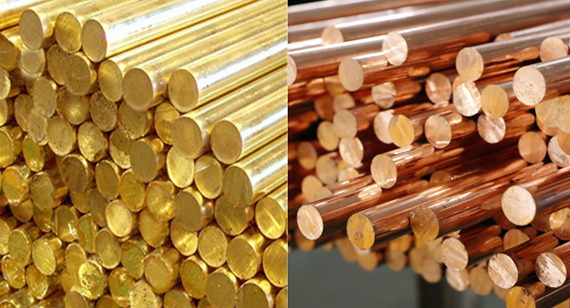
Identifying brass by its visual appearance that you can find: Generally, the redder the brass, the higher its copper purity and corrosion resistance; the yellower it is, the more zinc it contains, leading to a balance of strength and cost-effectiveness.
Yellow Brass
Red Copper(Brass)
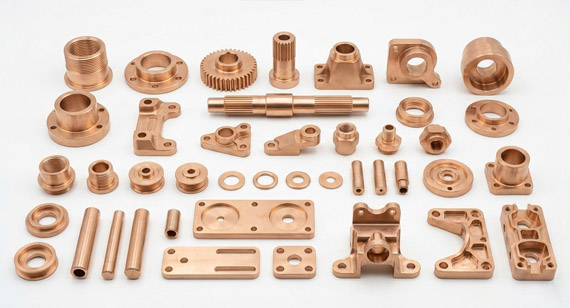
To meet more strict demands of modern industry—such as high-speed machining or harsh salt-spray environments, alloys adding small amounts of lead, tin, or manganese can solve specific functional challenges. Here are the most common brasses that you may encounter:
Leaded Brass (Excellent for Machining)
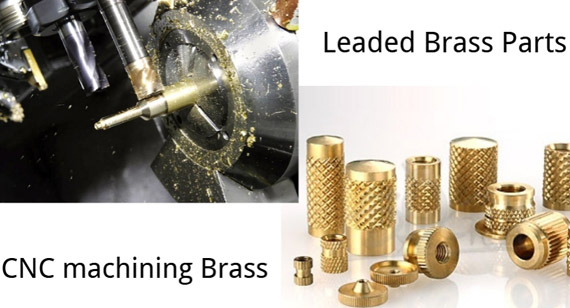
Naval Brass (Corrosion Resistant)
Manganese Brass (High Strength)
Bismuth & Silicon Brass (Lead-Free Alternatives)
Common Grades: C89833 (Bismuth), C87500 (Silicon).
Key Properties:
The performance of brass is never set in stone; rather, it is achieved by fine-tuning the copper-to-zinc ratio (microstructure) and adding alloying elements (functionality).
If you are pursuing cold forming (such as drawing or stamping), please choose low-zinc Alpha Brass. If you are looking for high-speed machining efficiency, Leaded Brass is your better choice. If your project involves marine or chemical environments, Naval Brass or Red Brass will offer a distinct advantage. And for heavy-duty mechanical parts, you should consider Manganese Brass.

A European medical device manufacturer reached out to VMT regarding a batch of precision-instrument sensor housings made from C36000 Leaded Brass. The design was highly demanding: the thinnest section of the outer wall was only 0.5mm, and it featured high-precision fine-pitch internal threads. The client reported that their previous supplier struggled with two core issues: first, the thin walls frequently deformed under cutting forces; second, the internal surface finish could not meet the strict sealing requirements, leading to extremely low assembly yields for the final product.
Leveraging the microstructural characteristics of the material—specifically the self-lubricating properties of lead micro-droplets—our engineering team developed a specialized approach. First, we implemented a high-speed, low-feed cutting strategy using custom Polycrystalline Diamond (PCD) tools to minimize the impact of cutting heat on the thin-walled dimensions. Next, to address the deformation issue, we designed a full-wrap pneumatic fixture to ensure uniform pressure distribution during machining. For the threading phase, we utilized a "segmented threading" process to effectively prevent the minor material spring-back often encountered when machining brass at high speeds.
Through this series of process optimizations, we achieved results that far exceeded the client’s expectations. Across the 5,000 finished units delivered, critical dimensional tolerances were consistently maintained within ±0.01mm, and the internal sealing surface achieved a roughness of Ra 0.4, completely eliminating the need for costly secondary polishing. Compared to the client's previous supplier, the first-pass yield rate increased from 78% to 99.2%. The parts have now moved into full-scale mass production.

Q1: Why is Leaded Brass the best fit for CNC machining?
A: This is because lead does not form a solid solution in brass; instead, it exists as tiny microscopic droplets. During the cutting process, these lead droplets act as a natural lubricant and cause the chips to break easily (brittle fracture). This prevents chips from tangling around the cutting tools, which significantly improves the surface finish and overall production efficiency.
Q2: How can I quickly distinguish between Red Brass and Yellow Brass by color?
A: Because of its high copper content (>85%), Red Brass displays a reddish or rose-gold hue, similar to a copper coin. In contrast, Yellow Brass has a higher zinc content (30–40%), which gives it a bright, golden-yellow appearance similar to 24K gold.
Q3: What is "Dezincification," and which type of brass is most at risk?
A: Dezincification is a corrosion process where the zinc in the brass is selectively dissolved, leaving behind a porous, weak copper skeleton that leads to part failure. High-zinc brasses (such as Duplex Brass) are more susceptible to this. Therefore, in marine environments, elements like tin (found in Naval Brass) or arsenic must be added to inhibit this process.
Q4: Will lead-free brass (Bismuth or Silicon Brass) eventually replace Leaded Brass?
A: In sectors involving drinking water safety and environmental regulations (like RoHS), lead-free brass is already being mandated as a replacement. However, in general industrial manufacturing—where processing costs and machining speeds are extremely sensitive—Leaded Brass still remains the mainstream choice due to its irreplaceable cutting performance.
Q5: What are the common types of brass finishes, and how should I choose?
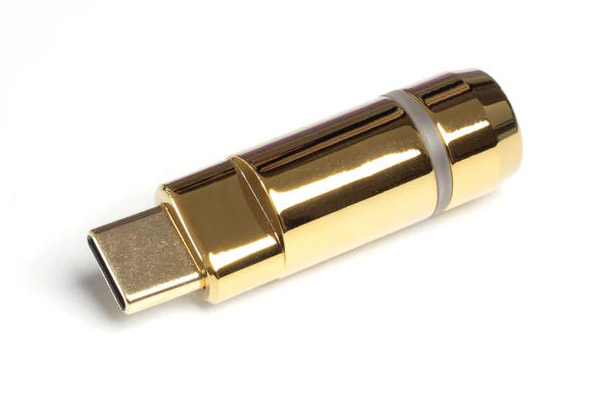
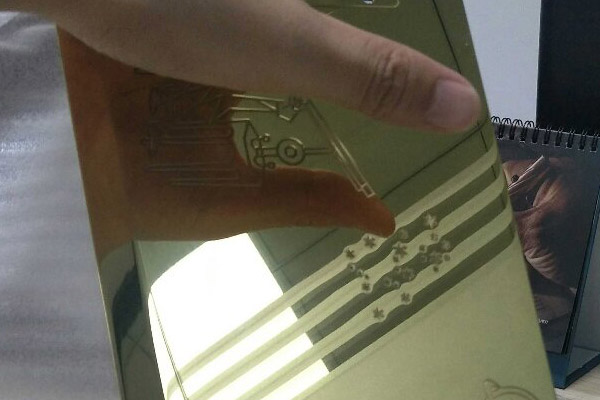
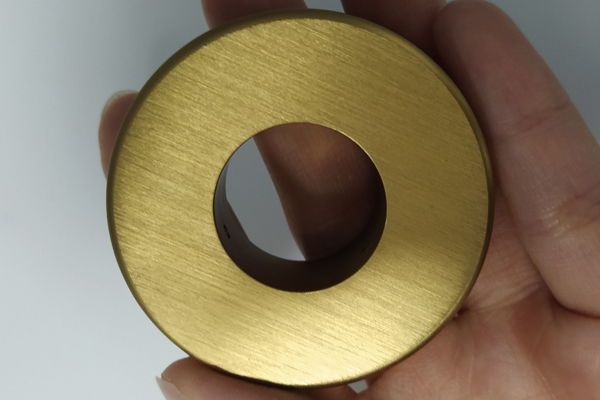
A: The most common include Polished Brass, which showcases a brilliant golden hue but requires a lacquer coating to prevent tarnishing; Satin or Brushed Brass, which uses mechanical brushing to hide fingerprints and provide a modern matte look; and Antique Brass, which uses chemical darkening to simulate a natural aged patina, perfect for architectural hardware. If your parts are for harsh environments, Chrome or Nickel Plating is your best bet, offering extra hardness and superior corrosion resistance.
Q6: What are brass scrap types , and are they worth recycling?
A: There are two main categories: Clean Yellow Brass Scrap, consisting of pure turnings, clippings, or uncontaminated components; and Mixed or Red Brass Scrap, which includes old plumbing fixtures or parts with minor solder or plating. Recycling price is stable and keep them dry and uncontaminated to ensure the best possible return on your scrap.


 +86 15099911516




 Read more