16 years one-stop China custom CNC machining parts factory

Hey there I’m VMT Sam!
With 25 years of CNC machining experience we are committed to helping clients overcome 10000 complex part-processing challenges all to contribute to a better life through intelligent manufacturing. Contact us now
 165 |
Published by VMT at Mar 11 2026 | Reading Time:About 2 minutes
165 |
Published by VMT at Mar 11 2026 | Reading Time:About 2 minutes


From the exquisite ritual vessels and robust farming tools of millennia ago to the early currencies that fueled global trade, copper has defined the trajectory of early civilizations through its unique luster and ease of processing. With the dawn of the electrical age, however, this metal’s exceptional electrical and thermal conductivity quickly positioned it as a core material of global energy transmission. Today, amidst the surge of digitalization and green energy, copper’s role is more indispensable than ever. It is the lifeblood of complex circuitry, the driving force behind high-efficiency electric vehicle (EV) motors, and a critical component in solar panels. Beyond uses of pure copper, copper-based alloys—enhanced with various alloy elements to fine-tune their properties—are well-performed in mechanical engineering and structural design. In this article, you can have a comprehensive look at copper—about its key properties, prices, manufacturing, and diverse applications.
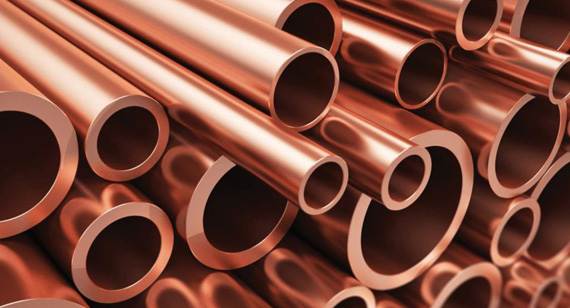
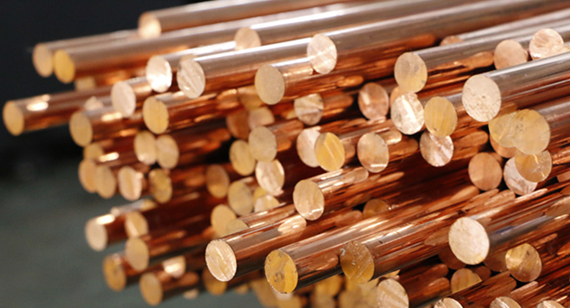
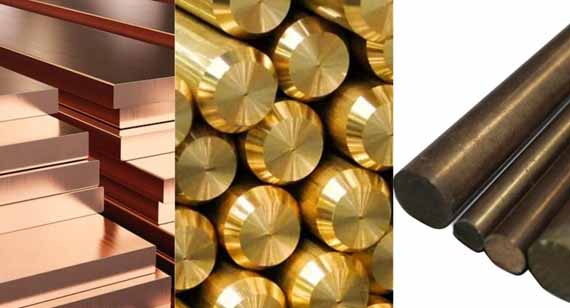
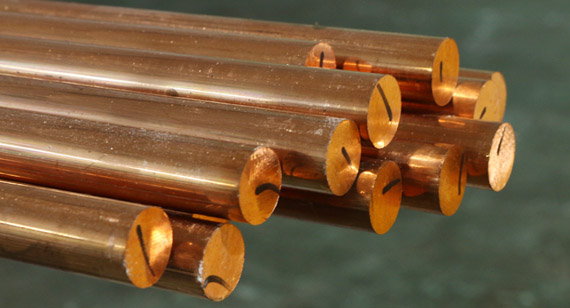
Pure copper itself is a reddish-brown metal with excellent ductility, electrical conductivity, and thermal conductivity. The most common examples you might have heard of are copper wires in electrical cables or its applications in electronic components. Since pure copper is very soft and relatively expensive (it is also 100% recyclable and has high recycling value), copper is often alloyed with other elements to create copper-based alloys that meet different performance requirements (such as high strength, high corrosion resistance, and ease of machining) to satisfy engineering applications:
Excellent Electrical Conductivity
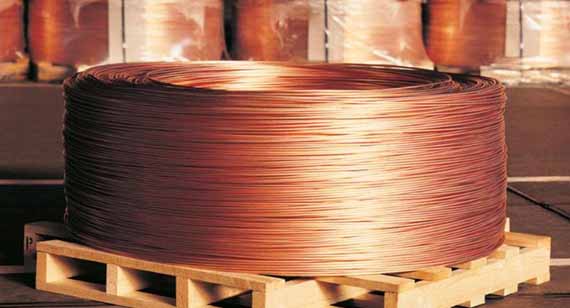
When evaluating the conductivity of other metals, we usually use copper as the 100% benchmark (defined by the IACS - International Annealed Copper Standard). Now, you can see how superior the copper's conductivity is.
What's more, copper has a very low resistivity of just 1.68 μΩ·cm—meaning there is minimal energy loss during electrical transmission. Thus, wires, cables, busbars, transformer windings, and integrated circuit lead frames—all produced from copper—are vital in industrial applications and account for the large portion of pure copper's use.
Excellent Thermal Conductivity
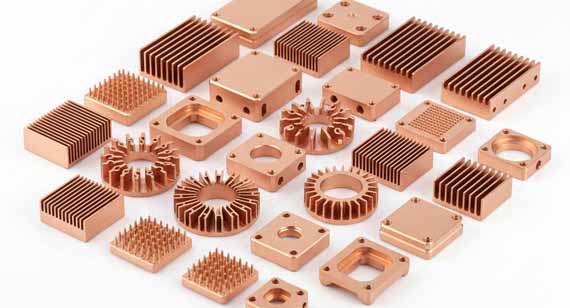
Copper's thermal conductivity is as high as about 401 W/(m·K), which make it quickly absorb and dissipate heat and keep equipment temperatures stable even under frequent uses(may cause high heat). You'll likely find copper in heat exchangers, radiators, industrial boilers, and the cooling bases of CPU heatsinks. However, for cost reasons, it's usually only used in the most critical parts. Cheaper materials like aluminum or steel often replace the bulk of the components. Aluminum, in particular, is a great alternative for radiator housings because it’s lightweight, affordable, and still offers about 60% of copper's thermal performance.
High Density
Copper is a relatively heavy metal, with a density of about 8.96 g/cm³ (roughly 3.3 times that of aluminum and 1.15 times that of iron). However, since pure copper isn't usually used for structural parts (it’s not strong or hard enough on its own), this high density doesn't really affect things like wires or small electronic components. In engineering, copper's weight is mostly a factor when you're using copper-based alloys in structural designs——higher copper content results higher weight.
Excellent Ductility
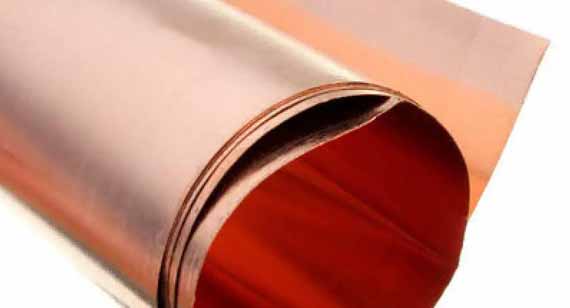
Pure copper is incredibly "stretchy" (highly plastic). Its elongation after fracture is usually over 40% to 50%. This means copper won't easily crack or break when you stretch or press it; you can pull it into fine wires or press it into thin foils. This makes it perfect for cold-working processes, like drawing electrical wires, stamping out parts, or building complex copper piping systems.
Low Hardness and Strength
Pure copper isn't very strong. In its annealed state, its tensile strength is only 200-250 MPa, and it’s soft enough to be easily scratched or bent. To harden it, you can appy cold working processes like cold rolling, drawing, or add other elements to make it alloyed. Pure copper isn't great for load-bearing structures, but copper alloys with beryllium, tin, or zinc (like Beryllium Copper or Tin Bronze) are much better for those jobs.
Poor High-Temperature Creep Resistance
"Creep" is when a material slowly deforms under long-term stress. Pure copper doesn't handle high heat very well (usually above 150°C - 200°C) and can permanently lose its shape over time. This is why pure copper connectors might loosen up in high-pressure, high-heat environments—you may not use them there.
Copper has excellent corrosion resistance, especially in atmospheric, freshwater, and seawater environments. Within a few days, its surface naturally forms a dense protective film—cuprous oxide—giving copper parts a dark brown or deep-colored appearance. After five to ten years of exposure to normal air, the oxides react with moisture, carbon dioxide, or sulfur to form a green layer—patina.
Is Patina a Product of Copper Oxidation?

Yes, patina is indeed the result of copper (especially the copper alloy bronze) oxidizing—it’s a green layer of copper carbonate or sulfate. But here’s the cool part: patina is very stable and actually acts as a shield, protecting the metal inside from further corrosion. Usually, you don't need to do anything to it if it is on statues which looks good. While it’s prized for its beauty on statues and architecture, it does need to be managed if it's in contact with drinking water to prevent contamination or copper toxicity.
Why is Copper an Important Electroplating Material?
Copper has extremely strong adhesion and flatness. It is often used as a "primer" for electroplating (a surface protection process). For example, plating a layer of copper before chrome-plating steel parts can greatly improve the bonding strength of subsequent layers. Furthermore, as a primer, copper enhances corrosion resistance and acts as a sealant.
Can Copper be Heat Treated?
Pure copper cannot be strengthened through heat treatment; its strength and hardness can only be slightly increased through cold working. In the heat treatment processes, only annealing is utilized to soften pure copper for further processing. However, certain copper-based alloys, such as Beryllium Copper or other precipitation-hardening alloys, can significantly increase their hardness through heat treatment process of aging.
How is its Weldability?
Welding copper can be challenging and this is due to its high thermal conductivity. Heat dissipates rapidly, and therfore requires a very high heat input when welding (typically using TIG or MIG welding ). Preheating is also necessary before welding. But the situations of welding pure copper are relatively rare, it may only happens for high-power electrical transmission and high-efficiency heat dissipation equipment.
Is Copper Expensive?
Yes, it is. Copper (chemical symbol Cu, atomic number 29) is definitely on the pricier side of the non-ferrous metal family. Since it’s much vital to industry and the Earth’s geological reserves are limited, the price stays quite high—it is 15 to 20 times the price of steel and about 4 times the price of aluminum. Plus, if you look at the last few decades, the price of copper has been on a steady upward climb globally.
Table 1: Price Comparison of Common Industrial Metals (Based on LME)
| Metal |
Approximate Price (USD/Ton) |
Price Ratio (Relative to Steel) |
| Iron/Steel |
~400–600 | 1x (Benchmark) |
| Aluminum (Al) |
~2,200–2,500 | ~4 to 5 times more expensive |
| Copper (Cu) |
8,500–10,000 | ~15 to 20 times more expensive |
| Nickel (Ni) |
~16,000–18,000 | ~30 to 35 times more expensive |
| Silver (Ag) |
Over 900,000 | ~1,800 times more expensive |
(Note: If you’re looking at import/export, keep in mind these figures don't include taxes or VAT. They just represent recent commodity-only prices and are subject to fluctuations.)
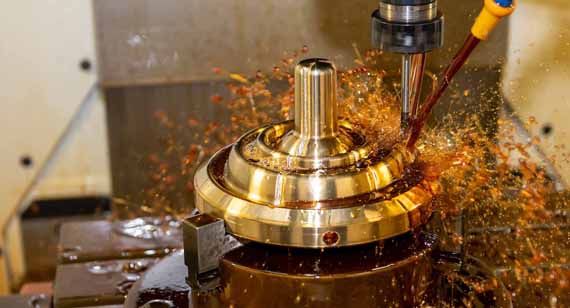
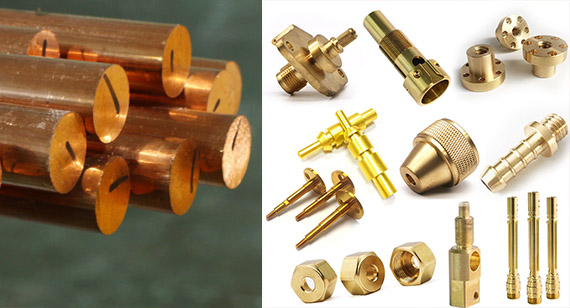
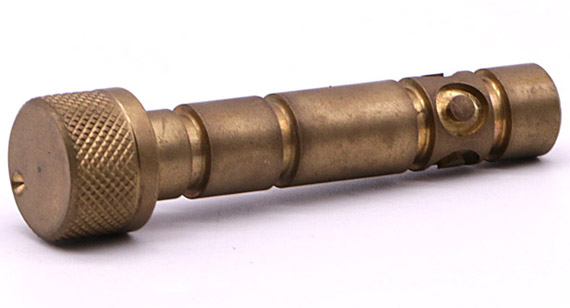
Pure copper is not ideal for CNC machining. CNC machining (computer-controlled cutting of material into parts) generally requires good machinability. Copper is extremely soft, which causes it to "stick" to cutting tools, resulting in poor surface finish and inaccurate precision. Therefore, copper components are usually manufactured through forming processes (stamping, cold heading, hot rolling, etc.). For CNC machining, alloys with added elements are typically used, such as leaded brass (a copper-zinc alloy containing lead), which is less soft and more suitable for machining fasteners and hardware.
But what if you absolutely need CNC machining the copper? It’s a challenge, but you can pull it off if you have the right strategies:
Because it is good at conducting electricity and heat, resists corrosion, and can be alloyed for extra strength, copper is used widely such as :
Power & Energy
Over 60% of copper is used in wires, cables, and motors. In electric vehicles (EVs), copper usage is 3-4 times higher than in traditional internal combustion engine vehicles (used for lithium battery foils, motor windings, etc.).
Construction & HVAC
Because it is corrosion-resistant, and, bacteria and algae are not easily adsorbed onto the surface of copper, it is commonly used in premium water pipes, heating pipes, and architectural roofing.
Industrial Machinery
Copper-based alloys like Tin Bronze and Leaded Brass are used for wear-resistant bearings, heat exchangers, and high-precision hydraulic seals.
Electronics & Communication
Copper is used in the conductive layers of Printed Circuit Boards (PCBs), connector terminals, and semiconductor lead frames.
From being used as ancient currency to becoming one of the most vital metals of the modern age, copper has never lost its importance. Whether it's keeping the power grid stable, driving the green energy revolution (like solar and EVs), or cooper-based alloys serving in countless mechanical engineering roles, copper is a true important industrial metal material. I hope this guide has given you a clear look at the copper's properties, price, and applications, and helps you with your next engineering or manufacturing project.

A leading telecommunications equipment manufacturer approached VMT to produce a batch of high-purity copper (C11000) heat sinks for their next-generation 5G base stations. The parts required extremely tight dimensional tolerances (±0.015mm), strict anti-oxidation performance, and a surface roughness of Ra 0.8μm to ensure a tight fit with semiconductor chips. The client’s previous supplier struggled with heat dissipation hole deformation and surface scratches, resulting in a yield rate of less than 60%, necessitating a more reliable CNC machining solution from VMT.
To address the "sticky" and soft nature of oxygen-free copper, VMT’s engineering team developed a specialized process. First, we selected single-crystal aluminum milling cutters with a Diamond-Like Carbon (DLC) coating, which offers an extremely low friction coefficient to prevent surface tearing caused by chip adhesion. Second, we implemented a high-pressure oil mist cooling system instead of traditional emulsions, ensuring temperature control while flushing away micro-chips to prevent secondary cutting. Finally, to manage the thermal expansion and contraction caused by copper's high thermal conductivity, we separated rough and fine machining stages and scheduled a 24-hour natural aging treatment to eliminate residual stress and ensure final dimensional stability.
Through these optimizations, VMT successfully delivered high-precision copper electronic components. Final inspection data showed that critical dimensions were stabilized within ±0.01mm, exceeding the client's expectations. The surface roughness reached Ra 0.8μm with a near-mirror finish. Additionally, VMT’s precision fixturing technology improved the yield rate from 60% to 98.5%, reducing unit production costs and shortening the delivery cycle by 30%.
What is the history of copper?
Copper is one of the earliest metals used by humans, with a history dating back to 8000 BC. Following the initial discovery of native copper, humanity entered the Bronze Age (copper-tin alloy), which significantly advanced weaponry and ritual vessels. Although the Iron Age followed, copper remained a primary component in global coinage due to its corrosion resistance and aesthetics. In the modern era, its superior conductivity made it a cornerstone of the Second Industrial Revolution (electrification).
Is copper safe for human contact?
Yes. Normal skin contact (such as with copper coins or doorknobs) is completely harmless. Copper cookware and piping are also safe under normal use, and copper is an essential trace element for the human body. Copper poisoning only occurs in cases of ingesting water heavily contaminated with patina or prolonged accidental ingestion of copper salts.
How is copper made?
Copper extraction involves two main processes: pyrometallurgy and hydrometallurgy. Pyrometallurgy is used for sulfide ores, involving crushing, flotation to obtain concentrate, high-temperature oxidation in a furnace, smelting, and electrolytic refining to achieve over 99.9% purity. Hydrometallurgy is primarily used for low-grade oxide ores, involving acid leaching, solvent extraction, and electrowinning to precipitate metallic copper.
What are copper-nickel alloys?
Copper-nickel alloys are commonly known as Cupronickel. Common ratios include 90/10 and 70/30 (Copper/Nickel). Additionally, while Monel is often classified as a nickel-based alloy (over 60% nickel), its primary alloying element is copper. These alloys are renowned for their exceptional resistance to seawater corrosion and biofouling, making them widely used in shipbuilding and desalination.
Is Aluminum Bronze a copper-based alloy?
Yes. Aluminum Bronze is a copper-based alloy (typically over 80% copper) with aluminum as the primary alloying element. It may also contain iron, nickel, or manganese for further strengthening. Compared to standard bronze, it offers higher strength, superior wear resistance, and excellent corrosion resistance in acidic environments.
What is Beryllium Copper?
Beryllium Copper is a copper alloy containing 0.5% to 3% beryllium. It is the strongest and hardest copper-based alloy currently available. After heat treatment (age hardening), its mechanical properties can rival many high-strength steels. It also possesses excellent conductivity, non-magnetic properties, and non-sparking characteristics, making it ideal for precision springs, electronic connectors, and explosion-proof tools.


 +86 15099911516




 Read more