16 years one-stop China custom CNC machining parts factory

Hey there I’m VMT Sam!
With 25 years of CNC machining experience we are committed to helping clients overcome 10000 complex part-processing challenges all to contribute to a better life through intelligent manufacturing. Contact us now
 46 |
Published by VMT at Jul 24 2026 | Reading Time:About 4 minutes
46 |
Published by VMT at Jul 24 2026 | Reading Time:About 4 minutes


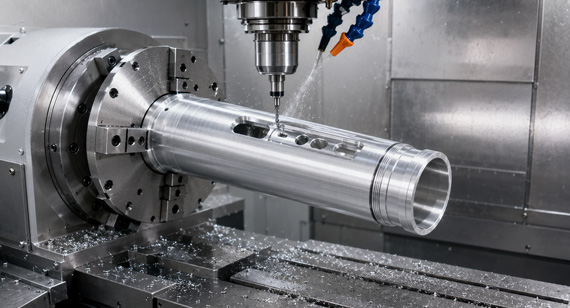
High-end wireless aluminum microphone housings manufacturing have long faced a key challenge: balancing precision and cost. Single-process 5-axis CNC machining delivers high precision but is too expensive for medium batches, while single-process aluminum extrusion is cost-effective but lacks the tolerance needed for acoustic structures and RF interfaces.
The optimal solution is a hybrid process: aluminum extrusion for the blank + 5-axis CNC machining for precision features. By partitioning machining and grading tolerances, extrusion slashes base forming costs while 5-axis CNC guarantees precision for pickup holes, antenna windows, and RF pockets.This hybrid method cuts per-unit costs by 30%–45% while meeting strict requirements for acoustics, signal stability, durability, and brand aesthetics across all microphone types (handheld, lavalier, headset, and bodypack). It is the ideal process for medium-batch production.
In this article, we’ll explore how the extrusion + 5-axis CNC hybrid process works and share a real-world case study on how our factory helped a European client significantly cut production costs for a handheld wireless microphone shell.
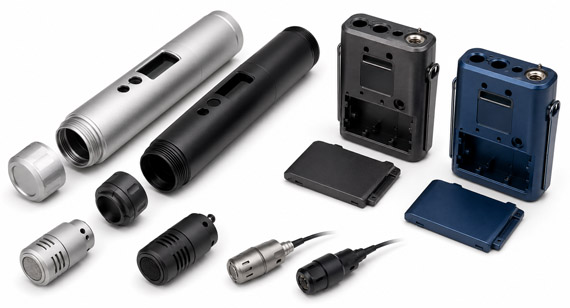
Wireless microphone shells are not a single standardized component; they are divided into four mainstream product categories. Regardless of type, all shells must fulfill four essential functions: securing internal electronic components, isolating RF signal interference, maintaining consistent acoustic output, and delivering unified brand appearance and texture. The four major shell types are listed below:
| Product Type |
Size Specifications |
Internal Components |
Recommended Manufacturing Process |
| Handheld Transmitter Shell | 25–35mm OD, 150–250mm length | Capsule, PCB, battery, RF antenna, PTT switch, LCD screen | Best fit for hybrid process, balancing precision and cost efficiency |
| Lavalier Microphone Shell | Compact 8–15mm OD | Mini capsule, compact PCB, built-in antenna trace | Full CNC for low volumes; hybrid process for batches over 500 units |
| Headset / Earset Shell | Ultra-compact 4–8mm OD | Micro capsule, cable strain relief, mounting structure | Full CNC preferred (extruded blanks are oversized for tiny structures) |
| Bodypack Receiver Shell | 60–90×50–70×18–25mm enclosure | PCB, battery, antenna, audio line jack, display module | Dual-panel extrusion forming + CNC precision finishing |
Limitations of Standalone Processes
Core Advantages of Extrusion + 5-Axis CNC Hybrid Process
The hybrid process leverages aluminum extrusion for low-tolerance shell body forming and reserves 5-axis CNC machining exclusively for high-precision functional zones, bringing three distinct competitive advantages:
Key Tip: Separating extrusion and CNC machining between different suppliers often causes inconsistent tolerance standards and elevated rejection rates. Selecting a one-stop integrated manufacturing provider is the most reliable solution for stable quality and controlled yield.
The full hybrid manufacturing workflow covers raw aluminum processing to finished product delivery, with all critical precision operations completed by 5-axis CNC machining:
For the full process breakdown, see the extrusion and 5-axis CNC microphone housing case page.
Four mainstream aluminum alloys are widely adopted for premium wireless microphone shell production, selectable based on application scenarios and budget requirements:
Key Tip: 7075 aerospace aluminum delivers exceptional strength but comes with significantly higher material and processing costs. 6061 aluminum is the most practical and economical choice, fully meeting daily drop-resistance requirements and avoiding unnecessary production waste and cost surplus.
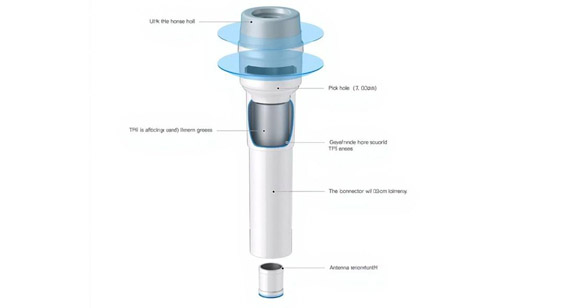
In hybrid microphone shell manufacturing, standard 3-axis and 4-axis milling machines cannot replace 5-axis simultaneous CNC machining due to structural precision and appearance requirements, for the following core reasons:
Reasonable zoned tolerance control effectively reduces manufacturing costs while preserving core performance. The recommended tolerance grading standard is as follows:
Uniform ultra-precision tolerance (±0.02mm) across the entire shell is unnecessary and counterproductive. It increases machining cycle time, tool loss, and inspection costs by 20%–30% with zero improvement in acoustic or RF performance.
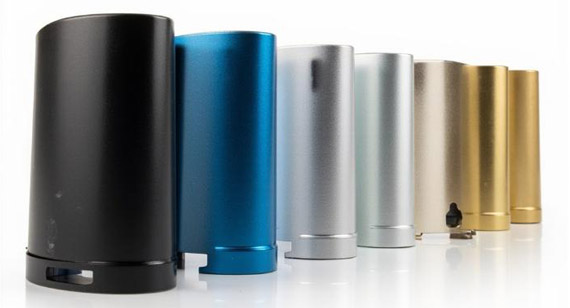
Surface treatment determines the final tactile feel, wear resistance, and brand recognition of microphone shells. The most widely adopted premium finishing processes are listed below:
Key Tip: Batch color deviation is the top quality risk for custom-colored microphone shells. Regardless of order volume, produce 5–10 pre-production samples and verify color matching with the master color chip under D65 standard lighting before mass production to avoid visual batch inconsistency.
As outlined in previous chapters, the extrusion + CNC hybrid process delivers optimal quality and cost balance for mid-volume production. Process selection for low-volume and high-volume projects follows clear industrial rules:
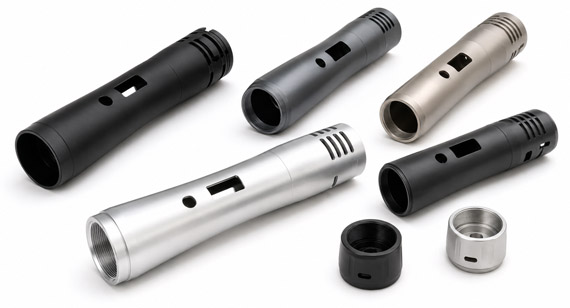
A professional European audio brand developed a new flagship handheld wireless microphone model. Their original full-CNC shell production delivered qualified quality but suffered from excessive unit costs for their 800-unit mid-volume batch, creating severe market pricing pressure. The client faced three critical production challenges: First, their original drawing specified a uniform ±0.02mm ultra-tight tolerance across the entire shell, resulting in massive redundant machining time and cost waste. Second, complex curved grips, angled antenna windows, and stepped pickup holes were prone to tool marks and dimensional errors, causing inconsistent acoustic frequency response. Third, the brand’s exclusive matte black finish required two separate production batches, demanding strict color uniformity to maintain consistent high-end brand aesthetics.
Customized Hybrid Manufacturing Solution
We delivered a full-stack integrated hybrid production solution to resolve the client’s cost, precision, and appearance challenges with standardized process control:
Final Project Outcomes
The optimized hybrid process successfully delivered 800 qualified units (200 prototype samples + 600 mass production units) with comprehensive performance and cost improvements: Core precision yield was significantly improved: the first-pass precision rate of pickup holes reached 97.4%, and RF connector pocket accuracy achieved 99.1%, ensuring highly unified acoustic frequency response and stable RF signal transmission for every unit. Remarkable cost optimization was realized: unit production cost was reduced by 38% compared with the original full-CNC process, effectively relieving the brand’s product pricing pressure and improving profit margins. Perfect batch color consistency was achieved: the color difference ΔE ≤ 1.5 between batches, presenting zero visible color variation under stage lighting and maintaining unified premium brand texture. Controllable and efficient lead time: the sample batch was delivered in 23 days and the mass production batch in 31 days, fully matching the client’s new product launch schedule with zero batch rejection and zero quality complaints.
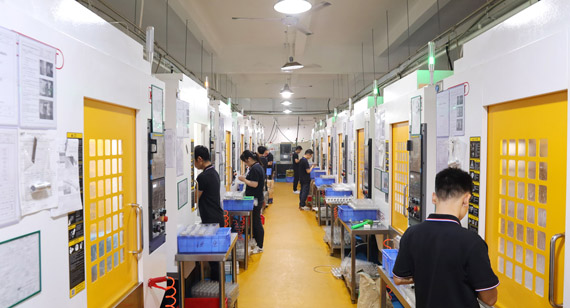
The aluminum extrusion + 5-axis CNC hybrid process is the optimal manufacturing solution for mid-volume premium wireless microphone shells, perfectly resolving the industry bottlenecks of excessive full-CNC costs and insufficient precision of single-process extrusion. Key Design & Production Recommendations for Wireless Microphone Shells:
Still have questions regarding tolerance optimization, material selection, precision standards, or surface finishing requirements? Feel free to contact our team , and we can provide customized professional manufacturing solutions and free DFM manufacturability reviews for your wireless microphone shell projects.2D Drawings (PDF files), 3D Drawings (IGS/STP/STEP files)
Send your drawings, requirements, and target quantity. VMT will review your project and provide a machining solution and quote.
All information and uploaded files are secure and confidential.
1 Tell us what you need
2 Get solution & quote
3 Approve production
Email: inquiry@vimetal.com.cn
Q1: What production volume matches hybrid process, full CNC, and single-process extrusion respectively?
For prototype batches below 200 units, full 5-axis CNC machining is preferred for higher flexibility and faster delivery without extrusion die amortization costs. The 200–2000 unit mid-volume range is the sweet spot for the extrusion + 5-axis CNC hybrid process, balancing precision, cost, and lead time. For high-volume batches above 2000 units, full CNC machining becomes cost-competitive as large-scale production significantly reduces average unit machining costs.single-process extrusion is not applicable for high-end precision microphone shells due to inherent precision limitations.
Q2: How to choose between 6061, 6063, and 7075 aluminum grades?
6063-T5 is the cost-effective universal option with excellent extrudability and uniform anodizing, suitable for lavalier shells, decorative parts, and receiver covers without high structural demands. 6061-T6 is the standard grade for handheld microphones, offering balanced strength, drop resistance, and stable coloring for most civilian and professional models. 7075-T6 is a high-strength premium grade with superior impact resistance yet higher machining costs, faster tool wear, and slight color inconsistency. It is only recommended for high-intensity professional stage flagship products.
Q3: Can 4-axis machining replace 5-axis machining for microphone shell production?
No. 4-axis (3+2 indexed) machining can only process simple straight cylindrical shells without complex contours. Premium microphone shells feature curved grip transitions, angled antenna windows, and internal stepped acoustic holes that require true 5-axis simultaneous single-setup forming. 4-axis processing requires repeated re-fixturing, causing accumulated positioning errors and visible surface facet lines that fail high-end aesthetic and precision standards.
Q4: Is full-shell ultra-uniform high tolerance necessary?
It is unnecessary and not recommended. A full-shell ±0.02mm ultra-precision specification causes severe precision redundancy, drastically increasing machining cycle time, tool loss, and inspection costs without performance gains. The industrial best practice is zoned tolerance management: tight precision for acoustic and RF functional zones, and relaxed tolerances for decorative outer surfaces to control production costs effectively.
Q5: How to completely avoid anodizing batch color deviation?
Color inconsistency is the top quality risk for custom-colored aluminum shells. The standardized solution includes: producing 5–10 pre-production color samples and confirming alignment with master color chips under D65 standard lighting; unifying extrusion, machining, and anodizing process parameters including blast grain size, oxide thickness, and dyeing duration; implementing full-process sampling verification across batches to control color difference ΔE ≤ 1.5 and ensure consistent visual appearance.
Q6: What special material and process requirements apply for outdoor wireless microphones?
For outdoor broadcasting and marine-grade microphones, 5052-H32 corrosion-resistant aluminum is the preferred material. Instead of extrusion blanks, solid bar stock CNC milling is adopted to avoid tiny structural pores. For surface finishing, thickened hard anodizing is applied to enhance weather resistance, wear resistance, and fade resistance for long-term outdoor service life.
The technical information and manufacturing advice shared on the VMT website are for general guidance only. While we strive for accuracy, VMT does not guarantee that the processes, tolerances, or material properties mentioned are applicable to every specific project. Any reliance you place on such information is strictly at your own risk. It is the buyer's responsibility to provide definitive engineering specifications for any production orders. Final specifications and service terms shall be subject to the formal contract or quotation confirmed by both parties.


 +86 15099911516




 Read more