16 years one-stop China custom CNC machining parts factory

Hey there I’m VMT Sam!
With 25 years of CNC machining experience we are committed to helping clients overcome 10000 complex part-processing challenges all to contribute to a better life through intelligent manufacturing. Contact us now
 66 |
Published by VMT at Jul 20 2026 | Reading Time:About 3 minutes
66 |
Published by VMT at Jul 20 2026 | Reading Time:About 3 minutes


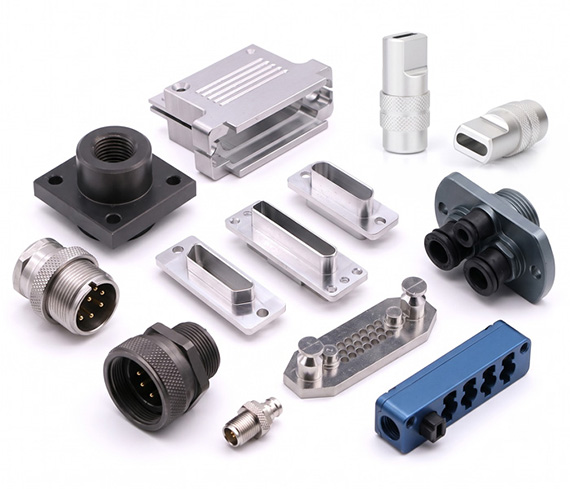
From drone sensors and medical imaging equipment to industrial automation systems, a wide variety of protective connector housings are subject to diverse requirements in terms of precision, sealing, ruggedness, and specific shapes or dimensions. When standard, off-the-shelf connector housing sizes and structures fail to match your new device assembly, CNC machining becomes the ideal solution to customize connector housings that meet demanding requirements—such as high precision (within±0.005mm) and high-sealing IP65 ratings (with a Ra0.4 surface finish).
This article will introduce the basic definition of connector housings, common types (classified by shape and function), key material selection criteria, and the unique advantages of CNC machined connector shells in custom applications (including cost, flexibility, sealing, and consistency). At the end of the post, we will also share a case study of how our factory solved our client's leakage and seal-groove tolerance issues for waterproof connector housings.
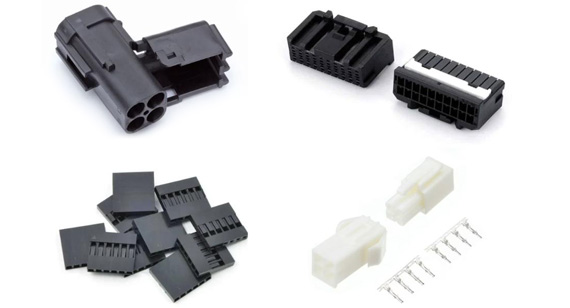
A connector housing (also commonly referred to as connector house, housing connector, or plural connector housings) is the outer structural shell of an electrical, signal, or fiber connector assembly. It acts as the protective and positioning carrier for internal pins, terminals, crimp contacts, and wiring systems. Unlike conductive internal components, the housing focuses on mechanical protection, insulation, environmental sealing, and precise alignment.
Core functions of electrical connector housings include:
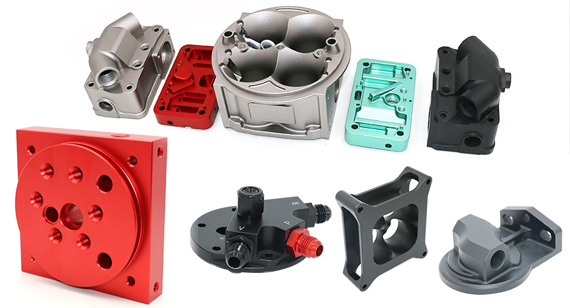
Customized connector housings have diverse structures and specifications tailored to application scenarios. Below are the common types covering shapes and fuctions, suitable for design research and custom solution consideration:
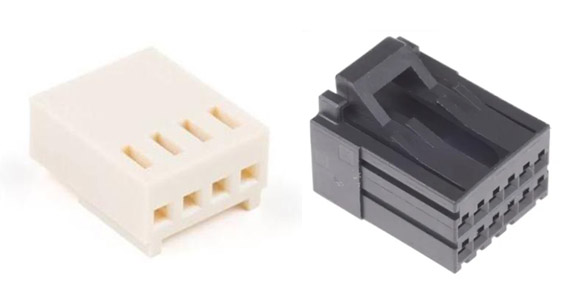
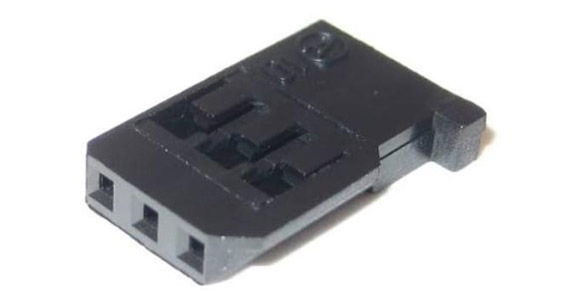
1. Structural Classification
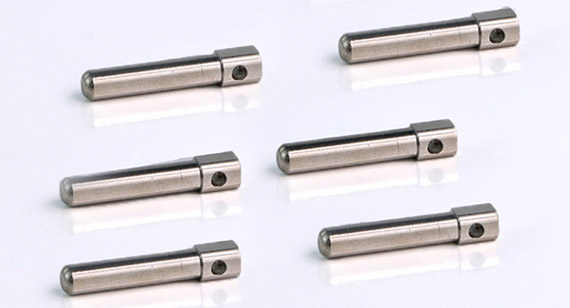
2. Functional Classification
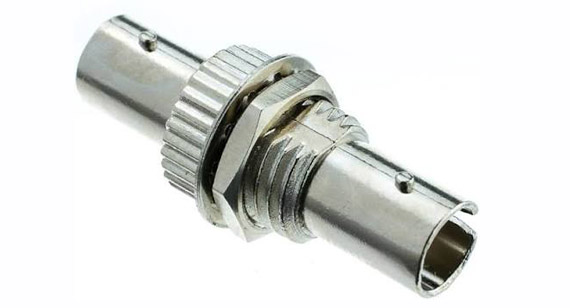
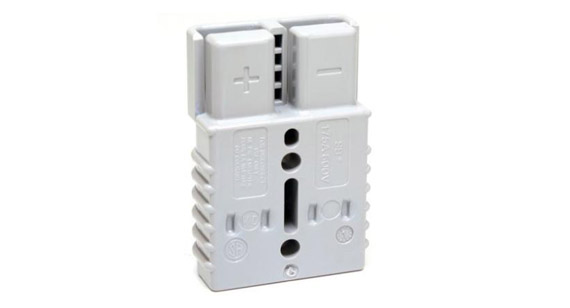
Do All Connector Housings Require Electrical Insulation?
No, not all connector housings are required to be insulated. This is a very common misconception: Connection safety and conductivity are achieved through a layered design.
Connector housing material affects insulation performance, mechanical strength, corrosion resistance, temperature resistance, and IP protection level. Below are some of the popular materials for CNC-machined connector housings:
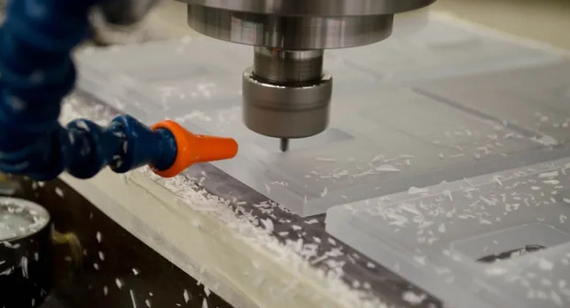
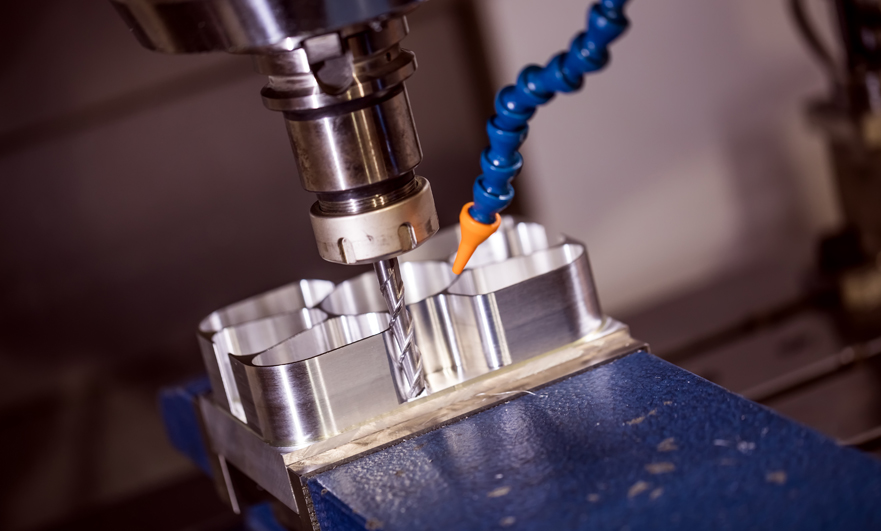
CNC machining process for connector housing is a subtractive manufacturing method where computer-controlled cutting tools precisely remove material from a solid block of metal or plastic to form the final housing shape.
For connector housing projects with customized, high-precision, low-volume, and special-structure demands, CNC machining has its irreplaceable advantages:
Ultra-High Precision for Complex Custom Structures
Molded housings have fixed molds and cannot adapt to non-standard hole positions, special locking structures, and customized sizing. CNC machining supports micron-level precision processing, perfectly meeting the assembly tolerance requirements of pcb connector housing, servo connector housing, and high-end fiber optic connector housing. It ensures zero errors in pin position, sealing groove, and docking interface dimensions, achieving tight dimensional tolerances within ±0.005mm to ±0.01mm for metal housings, and within ±0.02mm to ±0.05mm for insulating plastic housings.
Flexible Customization, No Mold Restrictions
CNC machining requires no opening mold costs and supports one-off custom production from single prototypes to small batches. Whether the projects require special-shaped rectangular connector housings, customized circular connector housing structures, or exclusive connector housing assortment combinations for equipment renovation, CNC processing can quickly iterate and deliver samples, making it a highly cost-effective and budget-friendly choice for customized, low-to-medium volume projects.
Good Material & Surface Performance
CNC-machined metal connector housings use integral solid materials, with higher structural strength and better shock resistance than die-cast parts. After surface treatments like anodizing, sandblasting, and sealing treatments, they can reach IP65 rated connector housing protection standards, suitable for outdoor, automated, and new energy demanding working environments. By optimizing machining parameters, the surface finish of metal housings can reach Ra 0.4 μm to Ra 0.8 μm, which is ideal for high-sealing O-ring surfaces, while plastic housings typically achieve a clean surface finish of Ra 1.6 μm to Ra 3.2 μm.
Stable Consistency & High Reliability
For industrial equipment, medical devices, and military-grade products, connector housing stability is critical. CNC machining avoids mold shrinkage, burrs, and dimensional deviation common in injection molding. Each batch of crimp housing connector, plug housing connector, and receptacle housing connector products maintains consistent assembly accuracy and sealing performance.
This exceptional consistency is achieved because the CNC machining process is controlled by pre-programmed computer software, allowing the latter production run or subsequent batch to call the exact original programming path to control the lathe and milling tools, which guarantees that the precision, surface finish, and geometric tolerances remain identical across every single connector housing batch.
All types of connector housings serve precise various industry applications, and CNC machining customized solutions fully cover demands across the following examples:
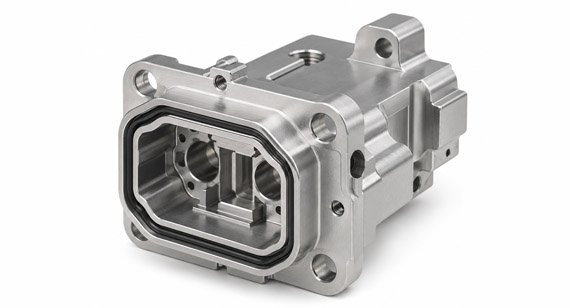
An electric vehicle (EV) components manufacturer approached us with a sealing failure in their high-voltage battery pack connector housings during high-pressure washdown and environmental testing.
The client told our engineering team that their previous parts were manufactured using aluminum die-casting. Our engineering team explained that die-casting often introduces microscopic internal porosity and dimensional instability in critical areas—such as the O-ring seal groove—due to uneven material shrinkage during cooling. These casting defects and inconsistent groove dimensions allowed moisture to penetrate the housing, risking short circuits and system failures in the EV battery pack.
To resolve this, we transitioned the process to precision CNC machining, starting with selecting solid, extruded 6061-T6 aluminum bar stock to avoid the internal porosity issues of cast metal. Our engineers designed custom fixtures to hold the parts securely without causing structural distortion during high-speed machining. We programmed our multi-axis CNC machines with optimized roughing and finishing cycles, using high-grade carbide cutting tools to hold a tight sealing groove tolerance of ±0.01mm. Furthermore, by carefully controlling the spindle speed and feed rates during the final pass, we removed the micro-machining marks that previously allowed leaks, achieving a smooth, consistent surface finish of Ra 0.4 μm inside the seal groove.
The newly machined connector housings passed the customer's IP67 water immersion and high-pressure spray tests with no moisture ingress detected. The client integrated the connectors into their new EV platform and established a long-term partnership with our factory for their custom connector housing needs.
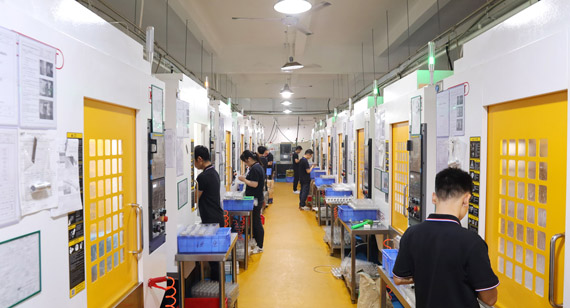
Understanding definitions, material characteristics, structural types, and application scenarios helps you quickly complete technical screening and solution selection. By combining flexible design adaptations, lower initial cost, and micron-level accuracy, custom CNC machined connector housings guarantee that your products stand up to demands for precision, sealing, specific shapes and surface quality.
Looking for custom CNC machined connector housing solutions? We support full-spec customization of circular/rectangular, PCB/servo/battery/USB connector housings. Welcome to send your drawings to get a professional technical DFM analysis and competitive quotation. [2D Drawings (PDF files), 3D Drawings (IGS/STP/STEP files)]
Send your drawings, requirements, and target quantity. VMT will review your project and provide a machining solution and quote.
All information and uploaded files are secure and confidential.
1 Tell us what you need
2 Get solution & quote
3 Approve production
Email: inquiry@vimetal.com.cn
What special housing materials improve equipment stability and interference resistance?
Aluminum (6061/7075) and brass are great choices for CNC machining, as metal shells act as a natural shield against EMI/RFI. For high-temperature and high-insulation environments, PEEK is a good non-metal choice due to its metal-like strength and chemical resistance.
Is CNC machining the best choice when standard housing sizes do not fit?
Yes. When standard parts do not match your device, injection molding requires expensive tooling and months of lead time. CNC machining requires no molds, using CAD drawings to quickly produce complex, custom housings at low cost, which is ideal for prototypes and low-volume runs.
What tolerances are needed for IP65 rated connector housings in harsh environments?
To achieve reliable dust and water resistance, critical sealing areas like the O-ring groove must hold a tight tolerance of ±0.01mm to ±0.02mm, with a smooth surface finish of Ra 0.8 μm or better. CNC machining ensures this precision so the seal compresses evenly without leaking.
Why do fiber optic connector housings require much higher precision than electrical ones?
Electrical connectors rely on flexible metal contacts, but fiber optics depend on micrometer-level alignment. CNC machining delivers the strict concentricity and inner hole tolerances required to align the fiber cores.
What materials and finishes are best for corrosive environments?
For corrosive environments, 316L stainless steel with passivation is a suitable choice to prevent pitting.
What are the main CNC machining challenges for crimp connector housings?
The difficulty lies in machining the tiny internal retention slots and thin dividing walls that lock the terminals in place. Because these internal spaces are deep and narrow, CNC machining requires micro-endmills and precise chip clearance control to prevent tool breakage and wall deformation.
The technical information and manufacturing advice shared on the VMT website are for general guidance only. While we strive for accuracy, VMT does not guarantee that the processes, tolerances, or material properties mentioned are applicable to every specific project. Any reliance you place on such information is strictly at your own risk. It is the buyer's responsibility to provide definitive engineering specifications for any production orders. Final specifications and service terms shall be subject to the formal contract or quotation confirmed by both parties.


 +86 15099911516




 Read more