16 years one-stop China custom CNC machining parts factory

Hey there I’m VMT Sam!
With 25 years of CNC machining experience we are committed to helping clients overcome 10000 complex part-processing challenges all to contribute to a better life through intelligent manufacturing. Contact us now
 292 |
Published by VMT at Apr 25 2026 | Reading Time:About 2 minutes
292 |
Published by VMT at Apr 25 2026 | Reading Time:About 2 minutes


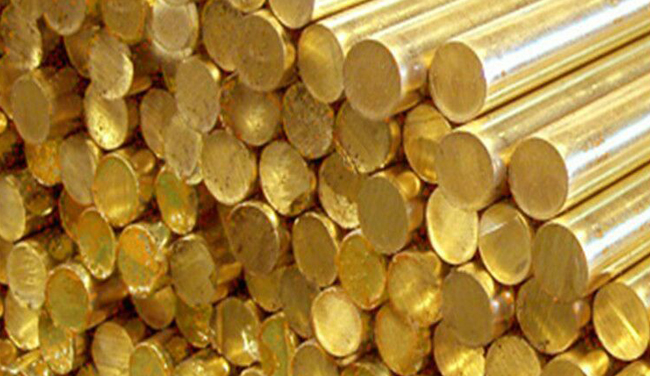
When designing electronic components, exterior decorative parts, hardware components, etc. with bright color and excellent machinability, brass is what you cannot ignore for its good-looking, cost-friendly, and easy-to-coated into other colors.
But If you dive deep into brass metal, you will find lots of clients are irritated by the tarnish of brass products( especially some can directly contact skin) over time— especially making their skin green sometimes, that can cause return issues and bad reputation to your brands.
More importantly, you surely don’t want to receive the delivered CNC-machined parts began losing their original metallic luster within weeks, exhibiting dull, brown, or green spots.
Now, let’s dive into brass tarnish reasons and how can you do to prevent it. In the final part, we will also share a case that how we solve brass machining burrs and surface protection issues for our clients. If you have the same problem gaining the perfect brass products, you can also contact us with your drawings.
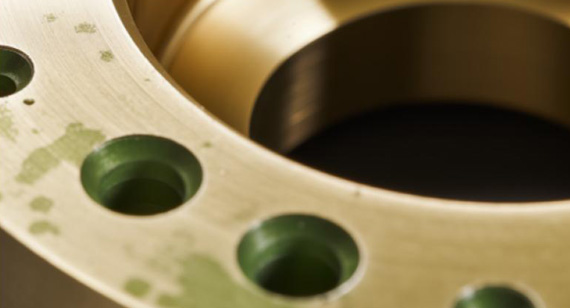
Yes, brass does tarnish over time due to oxidation when exposed to air, moisture, and contaminants. However, this is a surface-level reaction and can be effectively prevented through proper surface finishing and controlled manufacturing processes.
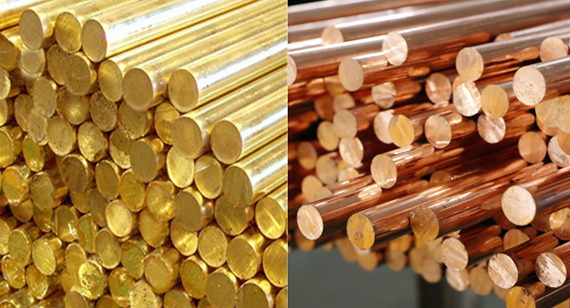
Brass is naturally colored bright yellow or with slight red tune—this is because it is mainly made of copper and zinc. The more zinc, the more yellow-bright, while the more copper, the more red-turn.
This is just the behind reason— hands with sweat or fingerprints, and the uncoated brass parts exposure in the air can actively react with copper, then turning it into a dark or greenish color——copper reacts with oxygen in the air.
For brass products used in electronic connectors, high-end architectural hardware, or medical devices, surface discoloration is not only considered a sign of "second-rate quality" but may also adversely affect component dimensional accuracy, electrical conductivity, and service life. More severely, returns and rework resulting from discoloration will incur additional cost losses for your production operations.
The thing is, this could’ve been avoided from day one when you were sourcing a factory for your brass parts.(Usually produced using CNC machining process, which is the most efficient method for manufacturing small-batch customized products with optimal quality and cost.)
Let’s say you pick a factory that isn’t quite up to standard. Even if their machining process goes smoothly and they apply the surface treatment as requested, and the final products you receive seem fine at first—it is likely that after being stored for a while, you will find those brass components have unexpectedly tarnished.
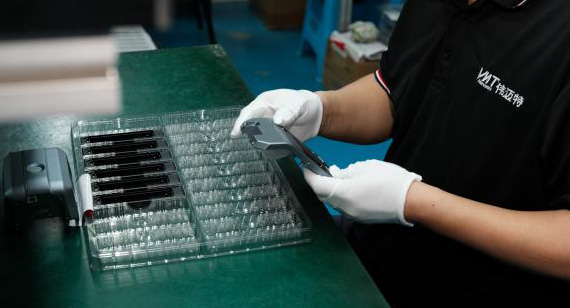
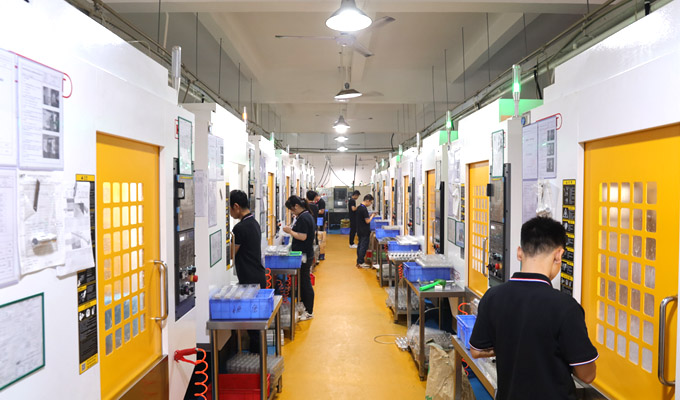
So, what went wrong? More than likely, the factory took shortcuts. After machining the brass parts, the workers might not have worn gloves, cleaned the pieces thoroughly, or sealed them properly before proceeding with the surface treatment according to the production schedule. Therefore, when choosing a factory, it is best to check the production environment via video call or a site visit to avoid falling into such traps.
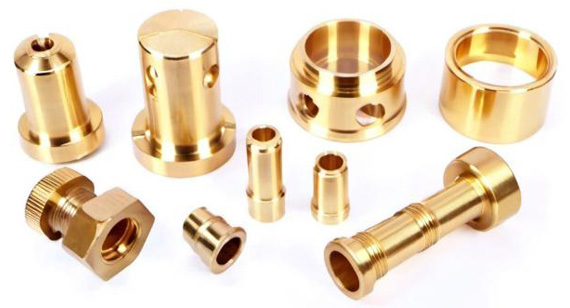
If your brass part manufacturing project falls within any of the following sectors, it is crucial to implement anti-tarnish precautions early in the process to prevent costly rework, rejected batches, or product failure.
Impact on Appearance
This is the most direct and visible consequence. For decorative display components or high-end consumer electronics, any uneven discoloration or spotting is typically classified as an aesthetic defect, leading to parts being rejected during quality control.
Impact on Mechanical Performance
In most cases, the impact is negligible. Tarnish is a surface-level reaction that usually only penetrates a micron depth. For standard structural supports or fasteners, light surface oxidation will not compromise the part’s core structural integrity, such as its strength, hardness, or ductility.
Impact on Electrical Conductivity
The impact here is significant. Because the oxide layer acts as an electrical insulator, it poses a major risk for functional components. If your brass parts are used as electrical contacts, terminal blocks, or RF (Radio Frequency) connectors, even minor tarnishing can increase contact resistance, resulting in localized overheating or even total signal interruption.
Impact on Precision Fit and Assembly
In ultra-high precision applications where tolerances are tight (within ±0.01mm), a thick oxide layer or the buildup of corrosion products can alter the effective dimensions of the part. This slight change in size can lead to interference during assembly or a failure to meet strict fitment requirements.
Cleaning the brass products right after production and applying a surface treatment creates a protective barrier. This prevents the raw brass from encountering air, moisture, or the acidic substances in human skin, which means it won’t tarnish or discolor easily.
More importantly, if you choose the right surface treatment—like clear coating or high-quality plating—you can stop it from tarnishing while achieving different looks.
But some daily maintenance is also important.
As a professional CNC machining service provider, we recommend implementing preventive measures across the following three dimensions.
Professional Surface Treatment Solutions (The Most Effective)
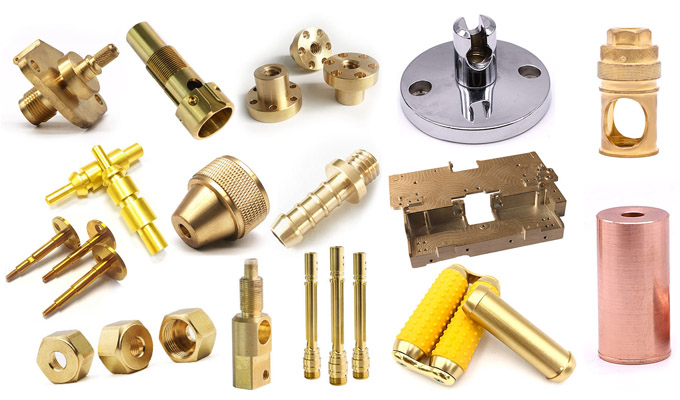
This is the "ultimate line of defense" against discoloration. Applying a treatment immediately after production seals the metal from oxygen and moisture.
Design and Environmental Considerations
Prevention starts on the drawing board. By considering the environment where the part will live, you can mitigate tarnish before the first cut is made.
Storage and Maintenance Tips
Even the best-machined parts can tarnish if they aren't handled correctly post-production.
Solving the Burrs and Surface Finish Issues of Brass Watch Parts
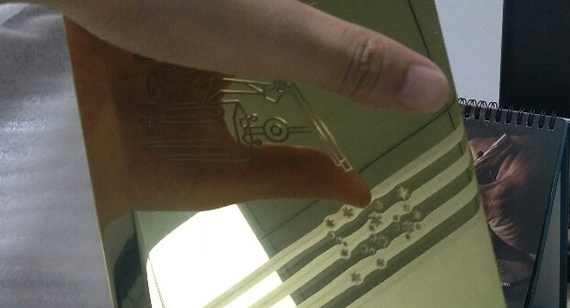
A watch brand approached us with an issue: their previous supplier’s brass watch bezels had microscopic burrs in the intricate grooves and inconsistent surface brightness after plating.
What Have We Done?
The client received brass components with a mirror-like finish and zero sharp edges. The final PVD rose gold coating was perfectly uniform. They were satisfied with the results, and we were able to gain their long-term order.
From the design drawings to brass parts production to the products’ final launch in the market, all these need to be taken care of. Especially it is important to keep a long-term cooperation with a factory, which holds a good reputation and has the capability of all your requirements in a one-stop solution.
Ready to elevate your brass product quality? Contact us today with your drawings, and let’s solve your brass parts manufacturing issues with a quick and professional solution.
Does 100% brass turn green?
If there is no coating or surface protection on the pure brass, yes, it surely and easy to turn green. Especially for brass parts without surface coating, skin contacting it is easy to leave green color.
How do you keep brass from tarnishing?
PVD coating, clear coating, and electroplating are good for brass parts like door handles or bathroom hardware; Lacquering and passivation are also the common choices.
How quickly will brass tarnish?
The pure brass without any protection may tarnish after just a few months. Surface protected one can keep in a good state for years if in the dry places.
How can I ensure the dimensional consistency of brass parts?
You can just find a qualified CNC machining factory. Usually, the CNC machining process can keep your brass parts in the same dimensional consistency as this process is running through computer-controlled machines.
Does brass tarnish mean rusting?
No, actually rust is used to refer the iron exposure to chemicals or keep in the humid environment that result in the powdery corrosion. Tarnish is the surface of brass changed from bright to a dark or green color, and not severe like iron rust.
Is the tarnish of brass permanent?
No. The tarnish surface of brass can be removed through acid washing, polishing, or professional ultrasonic cleaning, restoring the original luster of the brass.


 +86 15099911516




 Read more