16 years one-stop China custom CNC machining parts factory

Hey there I’m VMT Sam!
With 25 years of CNC machining experience we are committed to helping clients overcome 10000 complex part-processing challenges all to contribute to a better life through intelligent manufacturing. Contact us now
 637 |
Published by VMT at Jul 18 2026 | Reading Time:About 6 minutes
637 |
Published by VMT at Jul 18 2026 | Reading Time:About 6 minutes


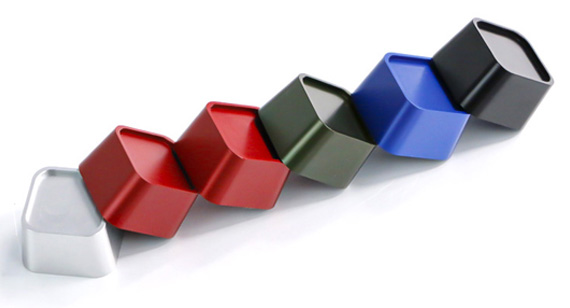
Keycaps can become shiny, feel slippery, sound different than expected, or fit the switch poorly when the material and design are not matched to your keyboard. Choosing by appearance alone may also increase tooling or machining costs. Understanding each material helps you balance feel, durability, legends, lighting, weight, and price.
ABS offers smooth surfaces, broad colors, and economical mass production. PBT provides better texture and shine resistance. POM feels smooth and low-friction. Aluminum and other metal keycaps support CNC customization, engraved logos, and premium finishes but add weight, cost, and tighter switch-fit requirements.
This guide compares the main mechanical keyboard keycap materials and explains when plastic, CNC aluminum, stainless steel, brass, titanium, or zinc alloy is suitable for your keyboard or OEM project.
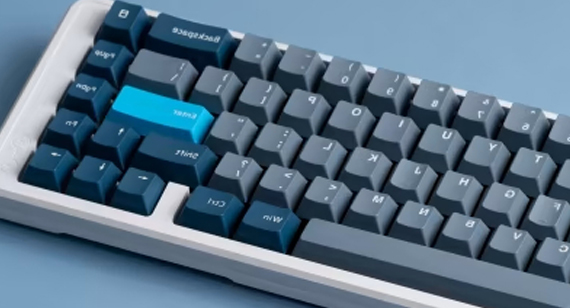
The keycap is the part your fingers touch on every keystroke. Its material affects more than appearance.
It can change:
If you choose the wrong material, a keycap may become glossy faster than expected, feel too slippery, create an unwanted sound, or place too much weight on a light switch.
For an OEM keyboard brand, the material also affects mold cost, minimum order quantity, available colors, legend methods, prototype speed, and whether the design is practical for mass production.
A plastic keycap set may be the best solution for a full keyboard with complex legends and RGB lighting. A CNC metal keycap may be more suitable for a branded Escape key, Enter key, rotary control, limited edition, or promotional collaboration.
The correct choice depends on the complete design rather than one property such as durability.
Tip: Compare samples with the actual switch, plate, case, and keyboard profile. Material data alone cannot fully predict typing feel or sound.
The following table provides a quick starting point.
| Material |
Surface Feel |
Wear and Shine |
Typical Sound |
Weight |
Legends and RGB |
Relative Cost |
Best Suited For |
| ABS | Smooth | Develops visible shine faster under heavy use | Often lighter and brighter, depending on thickness | Light | Strong double-shot, printed, and shine-through options | Low to medium | Mass-market sets, broad colors, detailed legends |
| PBT | Matte or textured | Better resistance to surface shine | Often deeper or more muted, depending on construction | Medium | Dye-sublimated and double-shot options | Medium | Daily use, textured feel, long-term appearance |
| POM | Smooth and low-friction | Good wear performance but naturally slick | Smooth or softer character | Light to medium | Legend and lighting options depend on grade and construction | Medium | Users who prefer a very smooth surface |
| Aluminum | Cool, hard, and rigid | Does not develop plastic shine but can scratch or dent | More metallic and resonant | Heavier than plastic | CNC engraving, laser marking, anodizing, color fill | High | Accent keys, logos, limited editions, OEM branding |
| Stainless steel | Hard and solid | Strong wear resistance but polished surfaces can scratch | Sharp metallic response | Heavy | Laser engraving, brushing, polishing, PVD | High | Premium accent keys and industrial designs |
| Brass | Warm metal appearance | Can tarnish or scratch without suitable protection | Heavy and resonant | Heavy | Engraving, polishing, plating, PVD | High | Decorative, collector, and luxury accent keys |
| Titanium | Hard with lower weight than steel | Good wear performance; finish still needs protection | Distinct metallic response | Medium | Brushing, polishing, laser marking, PVD | Very high | High-end limited editions |
| Zinc alloy | Solid metal feel | Depends heavily on casting and coating quality | Heavier than plastic | Medium to heavy | Plating, painting, PVD, laser marking | Medium to high | Higher-volume decorative metal keycaps |
This table should guide your first decision, but wall thickness, profile, internal cavity, switch type, and legend process can change the final result.
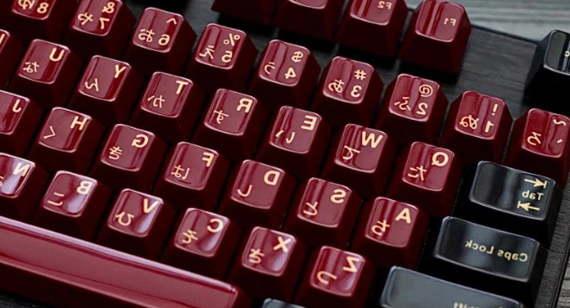
ABS stands for acrylonitrile butadiene styrene. It is widely used for mechanical keyboard keycaps because it is easy to mold, supports many colors, and works with several legend processes.
ABS keycaps are often associated with lower-cost keyboards, but the material itself does not automatically mean low quality. Thin, inexpensive ABS keycaps and thick premium double-shot ABS sets can feel and perform very differently.
Why Choose ABS Keycaps?
ABS is useful when your project needs:
The material flows well during injection molding, making it suitable for complex shapes and multi-part legend construction.
For a keyboard brand launching several colorways, ABS can provide more design flexibility than materials that are harder to mold or decorate.
What Should You Consider?
ABS surfaces often become smoother and shinier with repeated use. Finger oils and surface wear can make high-use keys look different from the rest of the set.
If your product is marketed for long daily use, this visible change may lead to complaints even when the keycap still functions correctly.
ABS sound is also influenced by thickness and profile. Thin ABS keycaps may create a lighter or more hollow sound, while thick premium ABS can sound more solid.
You should therefore avoid deciding only from the material name.
Consider:
Choose ABS when smooth feel, color flexibility, detailed legends, RGB compatibility, and economical mass production matter more than maximum shine resistance.
Note: Do not describe every ABS keycap as low quality. Construction, mold accuracy, wall thickness, and legend process often matter as much as the resin.
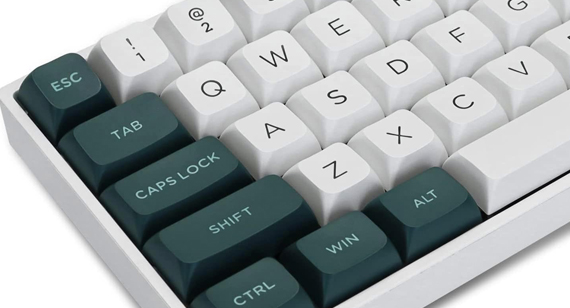
PBT stands for polybutylene terephthalate. It is a popular choice for users and brands that want a textured surface and better resistance to visible shine.
PBT keycaps usually have a matte or lightly textured feel. This can provide more grip than smooth ABS or POM, especially during long typing or gaming sessions.
Why Choose PBT Keycaps?
PBT is often selected for:
PBT generally maintains its original texture longer than common ABS keycaps. This makes it useful when customers care about greasy-looking surfaces or visible wear on frequently used keys.
What Should You Consider?
PBT is more difficult to mold than ABS. Poorly controlled molding can lead to:
Spacebars and other long keys need particular attention because even small deformation can affect stabilizer movement or create an uneven gap.
PBT also does not automatically guarantee a deep sound. Keycap thickness, profile, switch, plate, housing, and internal foam all contribute to the acoustic result.
Legend and color flexibility may also be more limited, depending on the production process.
Dye sublimation works well for many PBT sets, while double-shot PBT can support durable legends but requires more complex tooling.
Choose PBT when you want a textured surface, good shine resistance, and a durable daily-use keycap set.
Tip: Ask for long-key flatness and stabilizer tests before approving a PBT spacebar or large Enter key for batch production.
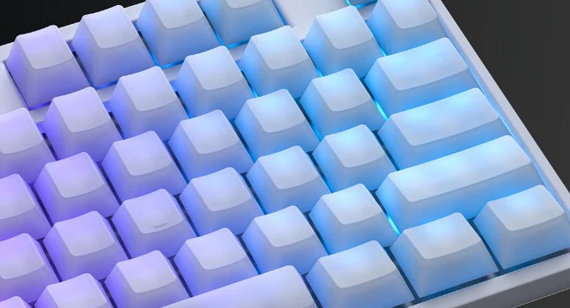
POM stands for polyoxymethylene. It is an engineering plastic known for its smooth surface and low-friction behavior.
POM keycaps are less common than ABS and PBT, but they appeal to users who prefer a slick, smooth, or almost waxy feeling under the fingers.
Why Choose POM Keycaps?
POM can be suitable when you want:
The low-friction surface can make finger movement across the keyboard feel easy and consistent.
What Should You Consider?
The same smoothness that attracts some users may feel too slippery to others.
If your product is designed for fast gaming or users who prefer a strong grip, PBT may be a better choice.
POM decoration can also be more difficult than ABS or PBT. Legend durability, paint adhesion, laser contrast, and printing quality depend on the specific grade and process.
POM is sometimes described as naturally ideal for RGB lighting, but this is too broad. Light transmission depends on:
A black or opaque POM keycap will not provide the same lighting effect as a purpose-designed translucent version.
Choose POM when a smooth, low-friction typing surface matters more than textured grip, broad legend options, or standard market availability.
Note: Review a physical POM sample before choosing it for a full set. Its naturally smooth surface creates a very different feel from textured PBT.
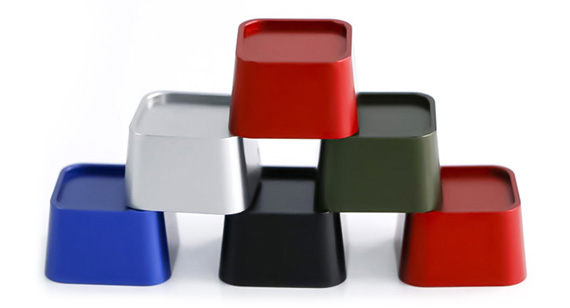
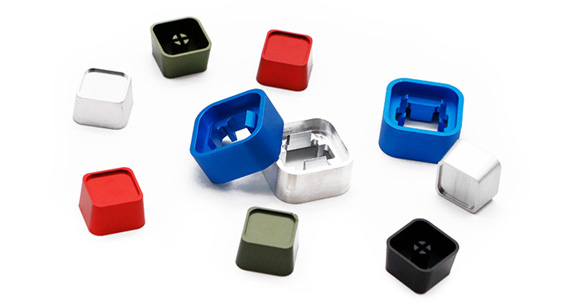
Aluminum keycaps are commonly used for accent keys, limited editions, branded designs, and custom OEM collections.
CNC machining allows you to produce a custom aluminum keycap without investing in a dedicated injection mold. This is useful when the quantity is low, the shape is unusual, or the design may change after prototype testing.
An aluminum keycap can include:
When Are Aluminum Keycaps Most Practical?
Aluminum is particularly suitable for:
Using one or several metal accent keys can provide a clear visual difference without adding the weight and cost of a complete metal keycap set.
What Risks Must Be Controlled?
Metal keycaps are rigid. If the stem interface is too tight, installing or removing the keycap may damage the switch stem.
If the fit is too loose, the keycap may wobble, rotate, or detach during use.
The additional weight can also affect:
The keycap should therefore be tested with the actual switch or a verified switch-stem model.
Other manufacturing risks include:
VMT reviews the outer profile, internal cavity, stem connection, wall thickness, edge radius, finish, and target weight before machining. The stem fit is then checked again after anodizing, plating, or coating because surface treatment may change the final dimensions.
This allows the keycap to install securely without forcing the switch or becoming loose during use.
For custom designs, visit the custom CNC metal mechanical keycaps page.
For detailed information about anodized colors, scratches, fixture marks, and surface consistency, read the aluminum keyboard case anodizing and finish guide.
Tip: Prototype the stem fit and finished keycap weight before producing a complete batch. Changing the internal connection after anodizing or engraving can create unnecessary rework.
Different metals create different visual, weight, machining, and finishing results.
| Metal |
Main Strength |
Main Limitation |
Typical Keycap Use |
| Stainless steel | Strong, wear resistant, industrial appearance | Heavy, slower to machine, polished surfaces can scratch | Escape, Enter, logo keys, industrial themes |
| Brass | Warm premium appearance and high mass | Heavy, can tarnish, sensitive to scratches | Collector keys, badges, luxury accents |
| Titanium | Strong with lower density than steel | High material and machining cost | Premium limited editions |
| Zinc alloy | Suitable for detailed casting and decorative coatings | Coating quality and corrosion protection must be controlled | Higher-volume decorative metal keys |
Stainless Steel Keycaps
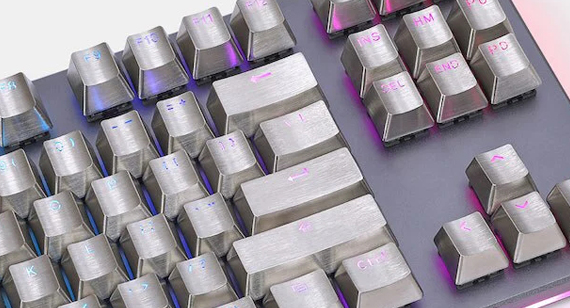
Stainless steel offers a solid, industrial appearance and supports brushing, polishing, laser engraving, and PVD coating.
Its weight can change switch response, especially on light springs. It is usually more practical for selected accent keys than a full keyboard set.
Although stainless steel has strong wear resistance, it is not immune to scratches or dents. A polished keycap can show fingerprints and handling marks clearly.
The internal stem fit and finished weight should be tested before production.
Brass Keycaps
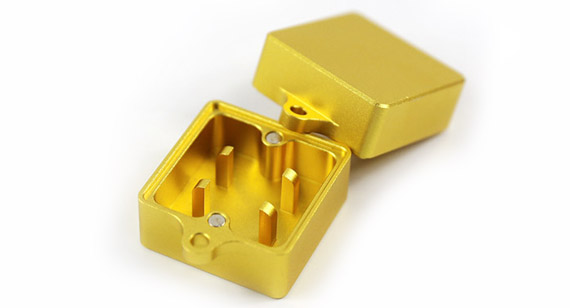
Brass has a warm gold tone and substantial weight.
It is suitable for decorative keys, collector products, and premium branding. However, unfinished brass may oxidize or change color over time.
Possible finishes include:
The surface must be protected during handling because polished brass shows scratches and fingerprints easily.
Titanium Keycaps
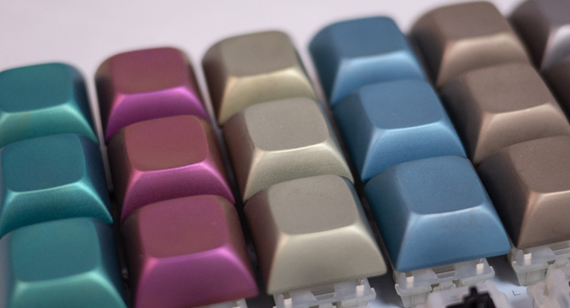
Titanium provides a distinctive premium appearance and good strength relative to its weight.
It can be brushed, polished, PVD coated, or laser marked. However, titanium is more demanding to machine than aluminum, increasing tool wear and production cost.
It is most practical for limited-edition accent keys where the material itself supports the product story and price.
Zinc Alloy Keycaps
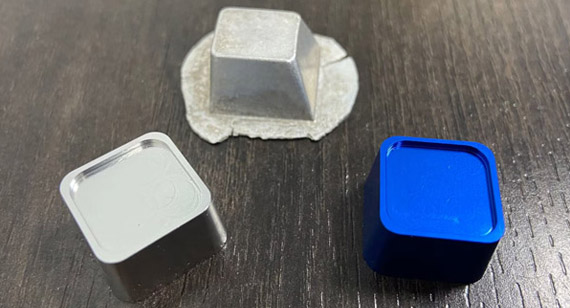
Zinc alloy is often used for decorative metal keycaps produced by die casting, sometimes followed by CNC finishing.
It can support complex shapes at higher quantities, but the surface usually needs plating, painting, PVD, powder coating, or another protective finish.
Standard decorative aluminum anodizing should not be presented as a typical zinc-alloy finish.
Zinc alloy may be suitable when you need a metal appearance at a quantity that makes full CNC machining too expensive.
You should compare keycap materials through the complete user experience rather than one technical property.
Surface Feel
ABS: Usually smooth and can become shinier with use.
PBT: Usually matte or textured, offering more grip.
POM: Naturally smooth and low-friction.
Metal: Hard, cool, and rigid, with a different contact feel from plastic.
Surface coatings and mold textures can change these characteristics. A textured ABS keycap may feel less smooth than a polished PBT keycap, so physical samples remain important.
Typing Sound
Material influences sound, but it is only one part of the acoustic system.
Sound also changes with:
ABS is often associated with a brighter sound, while thick PBT may sound deeper. POM may create a smoother or softer character, and metal keycaps can add a sharper metallic response.
These are general tendencies, not guaranteed results.
Tip: Evaluate sound on the complete assembled keyboard. Testing one loose keycap cannot reproduce the final keyboard acoustic response.
Legend Durability
Different materials support different marking methods.
| Material |
Common Legend Methods |
Main Consideration |
| ABS | Double-shot molding, pad printing, UV printing, laser marking | Double-shot legends offer strong long-term durability |
| PBT | Dye sublimation, double-shot molding, laser marking | Dye sublimation works best when the legend color is darker than the base |
| POM | Laser marking, printing, molded construction | Adhesion and contrast require material-specific testing |
| Aluminum | CNC engraving, laser engraving, color fill, anodized contrast | Position, depth, edge quality, and finish must be controlled |
| Stainless steel | Laser engraving, mechanical engraving, color fill | Reflective surfaces may need contrast testing |
| Brass and titanium | Engraving, laser marking, PVD contrast | Test the marking after the final finish |
RGB Lighting
RGB performance depends on how the keycap is constructed.
Important factors include:
ABS is widely used for shine-through keycaps because it supports complex double-shot molding.
PBT can also support shine-through designs, but the tooling and material control may be more demanding.
POM lighting performance depends on the exact grade and construction. Aluminum and other opaque metals do not transmit light through the body, although legends, cutouts, or surrounding light features can create decorative effects.
The best keycap material depends on your customer, product positioning, production quantity, and design priorities.
| Your Priority |
Recommended Starting Point |
| Lower cost and broad color options | ABS |
| Detailed double-shot or shine-through legends | ABS |
| Better shine resistance and textured grip | PBT |
| Durable daily-use keycap set | PBT |
| Smooth, low-friction surface | POM |
| Premium custom accent key | Aluminum |
| Heavy luxury accent | Brass or stainless steel |
| High-end limited edition | Titanium |
| Higher-volume decorative metal keycap | Zinc alloy or die-cast metal |
Choose ABS When
Choose PBT When
Choose POM When
Choose Aluminum When
Choose Other Metals When
Note: Do not choose the most expensive material automatically. A material is valuable only when it supports the intended feel, appearance, quantity, and selling price.
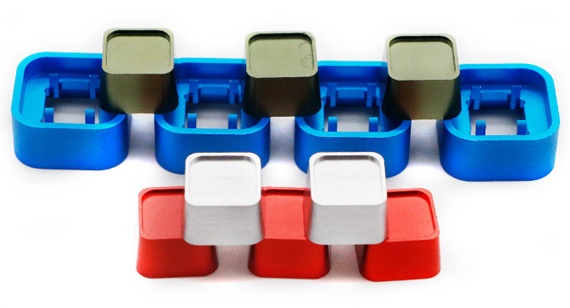
CNC metal keycaps are useful when customization and low-volume flexibility matter more than the lowest unit price.
They are especially suitable for:
CNC machining allows you to change the design without rebuilding an injection mold. This is valuable during development because the outer profile, stem fit, logo, finish, and weight can be adjusted after prototype testing.
When CNC Metal Keycaps May Not Be Suitable
CNC machining may not be the most economical method when:
In these cases, injection molding or die casting may provide better production economics after tooling.
A practical development plan may use CNC machining for the first prototypes and move to molding or casting after the design is stable.
This allows you to validate the stem, profile, weight, logo, finish, and user feel before committing to production tooling.
A metal keycap may look simple, but several dimensions affect fit, feel, and switch safety.
Switch Stem Type and Fit
The internal connection must match the intended switch stem.
A fit that is too tight can:
A fit that is too loose can:
Provide the switch model, switch sample, stem drawing, or verified 3D data whenever possible.
VMT can machine and inspect a prototype, test it with the actual switch, and verify the fit again after finishing.
Keycap Profile and Height
The new keycap should match the intended row and profile.
Common profiles include:
If the height or angle is incorrect, the accent key may look out of place or feel uncomfortable next to nearby plastic keycaps.
Provide the surrounding keycaps or profile data for comparison.
Internal Cavity and Switch Clearance
The inner cavity must clear the switch housing and nearby keyboard features.
Insufficient clearance may cause rubbing or prevent the keycap from reaching the full travel position.
The design should also leave enough material around the stem connection so that the rigid metal feature does not crack or deform during installation.
Keycap Weight
Metal weight changes switch behavior.
A heavy keycap may:
The finished weight should be included in prototype testing rather than estimated only from the CAD volume.
Stabilizer Compatibility
Enter, Shift, Backspace, and Spacebar keys may require stabilizer connections.
All mounting points must align with the keyboard layout and stabilizer system. A small position error can create binding or uneven movement.
Long metal keys also add more weight, so stabilizer force and return behavior should be checked carefully.
Edge Radius and User Comfort
Sharp metal edges may feel uncomfortable and can scratch nearby keycaps.
The drawing should define suitable edge breaks, chamfers, or radii on the top and side surfaces.
The edge treatment must be large enough to improve comfort but controlled so it does not change the intended appearance.
Legend Size and Position
A small engraved legend may lose detail if the line width is too narrow or the finish provides insufficient contrast.
The logo or legend should be dimensioned from visible datums rather than positioned by eye.
A sample should confirm:
Surface Finish Allowance
Anodizing, plating, painting, powder coating, and PVD can affect final dimensions.
Tight stem fits, locating features, and assembly surfaces should be reviewed before finishing.
Tip: Approve the machined prototype and the finished prototype separately. A raw keycap can fit correctly and still become tight after surface treatment.
Custom CNC metal keycaps require more than machining the visible outer shape.
The internal fit, surface finish, logo, and packaging must also support the final keyboard.
1. Drawing and Assembly Review
VMT reviews your:
If the design includes a custom profile or long key, the surrounding keys and keyboard assembly can also be reviewed.
Common CNC metal keycap materials include:
The selection is based on weight, appearance, machining complexity, finish, quantity, and budget.
Aluminum is a practical starting point for many accent keys because it is easier to machine and lighter than stainless steel or brass.
3. Prototype CNC Machining
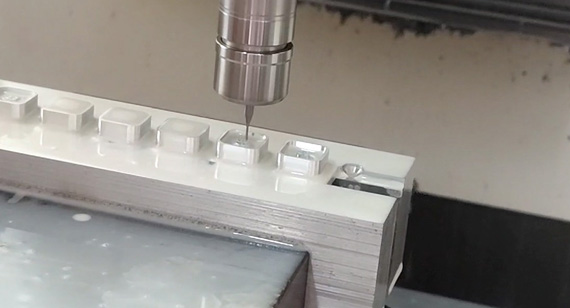
The prototype is machined to verify:
Burrs inside the cavity and around the stem are removed carefully because they can interfere with the switch or damage the plastic stem.
4. Stem and Assembly Testing
The raw keycap is tested with the actual switch or approved reference.
For long keys, the stabilizer mounting and movement are also checked.
If the fit is too tight, loose, high, or low, the drawing can be adjusted before finishing.
5. Surface Finishing and Marking
Available finishes may include:
The process depends on the selected metal and appearance.
After finishing, the stem fit and critical dimensions are checked again because coating or anodizing may change the final condition.
6. Appearance Inspection and Packaging
Finished keycaps are checked for:
Metal keycaps should be packed separately to prevent them from rubbing against each other during shipping.
Protective film, soft bags, foam inserts, or custom trays can be used according to the appearance requirement.
For custom metal keycap manufacturing, visit the custom CNC metal mechanical keycaps page.
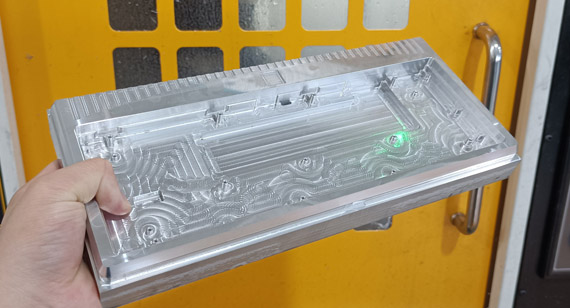
If your project also includes a top case, bottom case, plate, weight, knob, or internal bracket, review VMT’s custom mechanical keyboard cases and components.
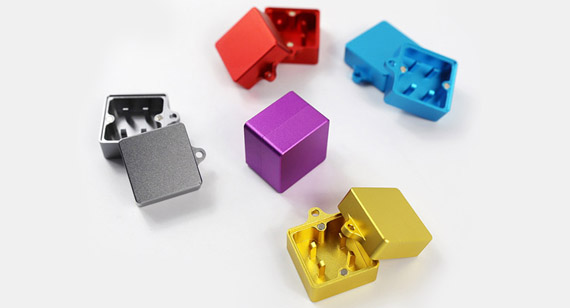
ABS, PBT, POM, aluminum, and other metal keycaps each solve a different problem.
ABS works well when you need broad colors, double-shot legends, RGB compatibility, and economical volume production. PBT suits products that need a textured surface and better shine resistance. POM offers a smooth, low-friction feel for a more specialized typing experience.
Aluminum, stainless steel, brass, titanium, and zinc alloy are most useful when the design, branding, or limited-edition value justifies the added weight and manufacturing cost.
For an OEM keyboard project, choose the material together with the switch, keycap profile, legend method, lighting, production quantity, surface finish, and target retail price.
Upload your 2D drawings, 3D models, switch information, and logo files to request a quotation and DFM review for your custom CNC metal keycap project.
Request a quote for custom CNC metal mechanical keycaps.
Send your drawings, requirements, and target quantity. VMT will review your project and provide a machining solution and quote.
All information and uploaded files are secure and confidential.
1 Tell us what you need
2 Get solution & quote
3 Approve production
Email: inquiry@vimetal.com.cn
1. Is PBT better than ABS for keycaps?
PBT is usually better when you want a textured surface and stronger resistance to visible shine.
ABS may be better when you need broad color choices, detailed double-shot legends, shine-through RGB designs, or lower high-volume production cost.
Neither material is best for every keyboard.
2. Do PBT keycaps become shiny?
PBT generally resists shine better than ABS, but no frequently touched plastic surface is completely immune to wear.
Surface texture, resin grade, molding quality, cleaning, and usage conditions all influence long-term appearance.
3. Are POM keycaps smoother than PBT?
POM usually has a smoother and lower-friction surface than common textured PBT.
Some users enjoy this slick feel, while others prefer the grip of PBT. Test a physical sample before choosing POM for a complete set.
4. Which keycap material sounds best?
There is no universal best-sounding material.
Keycap thickness, profile, switch, plate, case, mounting structure, gasket, foam, and desk surface all affect the final sound.
Material changes the acoustic character, but it should be evaluated on the assembled keyboard.
5. Are aluminum keycaps safe for mechanical switches?
Aluminum keycaps can be safe when the stem dimensions, internal clearance, weight, and finish are controlled correctly.
A metal keycap that fits too tightly can damage a plastic switch stem. Prototype testing with the actual switch is recommended before batch production.
6. Are metal keycaps suitable for a full keyboard set?
A full metal set is possible, but it can be heavy and expensive.
The added weight may also change switch response and typing comfort. Metal is usually more practical for accent keys, logo keys, limited editions, or selected key groups.
7. Can aluminum keycaps include custom logos?
Yes. Logos can be added through CNC engraving, laser engraving, color filling, anodizing contrast, printing, or other finishing methods.
The best process depends on the logo size, line width, color, depth, and required durability.
8. What is the best keycap material for RGB keyboards?
ABS is widely used for shine-through RGB keycaps because it supports double-shot translucent legends.
PBT can also be used with suitable molding construction. POM lighting results depend on the material grade, color, thickness, and design.
Opaque metal keycaps do not transmit light through the body, but lighting can be used around cutouts or engraved features.
9. When should an OEM brand choose CNC metal keycaps?
Choose CNC metal keycaps when you need prototypes, small batches, custom profiles, brand logos, unusual textures, limited editions, or premium accent keys.
For very high quantities or complete keycap sets, molding or die casting may offer a lower unit cost.
10. What files are needed for a custom metal keycap quote?
Provide:
Complete switch and assembly information makes it easier to identify fit risks before machining.
What is the difference between PBT and POM?
PBT (Polybutylene Terephthalate) is known for its durability, textured feel, and resistance to shine and grease. POM (Polyoxymethylene), in contrast, is smoother, lighter, and has a lower melting point, making it more suitable for RGB effects but less durable over time. PBT keycaps are more robust and long-lasting, while POM keycaps prioritize smoothness and aesthetics.
What are ABS and PBT?
ABS (Acrylonitrile Butadiene Styrene) and PBT are both thermoplastics used in keyboard keycaps. ABS is cheaper, smoother, and easier to mold, but less durable and prone to shine. PBT is more rigid, textured, and resistant to wear and UV damage, making it ideal for high-end keyboards.
What is the difference between ABS and POM materials?
ABS is softer, more affordable, and easier to produce, but wears faster and develops shine. POM is smoother and more resilient under certain conditions but less common. In terms of keycap materials, ABS is more accessible while POM provides a unique balance between softness and aesthetics.
Do PBT keycaps sound better?
Many users prefer the deeper, muted sound of PBT keycaps compared to the higher-pitched, hollow sound of ABS. However, sound preference is subjective and also depends on switch type and keyboard construction.
Why doesn't Apple use PBT keycaps?
Apple prioritizes ultra-thin, low-profile keyboards with specific design goals that PBT doesn't easily accommodate. PBT is thicker and less flexible, making it less suitable for Apple’s streamlined aesthetic.
Will PBT keycaps be greasy?
No, PBT keycaps resist grease and shine far better than ABS. Their textured surface maintains a clean appearance even after extended use, making them ideal for heavy typists and gamers.
Why are PBT keycaps so expensive?
PBT is more difficult to mold and requires higher machining temperatures. The added durability and premium feel also make them more desirable, driving up costs—especially for dye-sublimated or double-shot legends.
Is ABS cheaper than PBT?
Yes. ABS is more affordable and easier to manufacture, which is why it's widely used in mass-produced keyboards. However, it sacrifices long-term durability and shine resistance.
Will PBT keycaps turn yellow?
PBT is UV resistant and far less prone to yellowing than ABS. With proper care, PBT keycaps can retain their color for many years.
Is POM plastic strong?
Yes, POM is mechanically strong and wear-resistant, making it suitable for moving components and keycaps. However, it’s not as heat-resistant or UV-resistant as PBT.
Does ABS sink or float?
ABS generally floats in water due to its low density, unless molded in a very dense form.
What is the difference between P only and POM?
“P only” isn’t a common material designation. POM (Polyoxymethylene) is a specific engineering thermoplastic known for low friction and strength. Always verify material specifications when sourcing CNC-machined parts.
What material is the best for keycaps?
PBT is often regarded as the best all-around plastic for keycaps due to its texture, durability, and resistance to shine. However, aluminum or metal keycaps, machined by experts like VMT, offer premium tactile and aesthetic advantages for enthusiasts.
What are ABS keycaps?
ABS keycaps are made from Acrylonitrile Butadiene Styrene, a cost-effective, smooth plastic that’s easy to mold. They’re common in standard keyboards but tend to wear out and develop a glossy finish over time.
Is ABS plastic good quality?
ABS is decent in quality for everyday use—it’s affordable and easy to manufacture. However, it lacks the wear resistance and premium feel of materials like PBT and POM.
Is POM plastic expensive?
POM sits between ABS and PBT in cost. It’s more expensive than ABS due to its mechanical properties but not as pricey as high-end PBT sets like GMK.
Is POM softer than PC?
Yes, POM is softer and more flexible than Polycarbonate (PC), which is a harder, impact-resistant plastic often used in high-performance applications.
What are the disadvantages of ABS plastic?
ABS keycaps wear faster, develop shine, and may yellow over time. They’re also prone to higher-pitched keystrokes, which some users find unpleasant.
Is ABS fixed or floating?
This question may relate to density. ABS typically floats in water, but its form depends on molding. In keyboards, ABS parts are fixed, not floating.
Which is better, polycarbonate or ABS?
For keycaps, ABS is more common, but polycarbonate (PC) is more durable and impact-resistant. For mechanical keyboards, PC may be used in translucent parts for aesthetics and strength, while ABS remains a low-cost choice.


 +86 15099911516




 Read more