16 years one-stop China custom CNC machining parts factory

Hey there I’m VMT Sam!
With 25 years of CNC machining experience we are committed to helping clients overcome 10000 complex part-processing challenges all to contribute to a better life through intelligent manufacturing. Contact us now
 0 |
Published by VMT at Oct 28 2026 | Reading Time:About 8 minutes


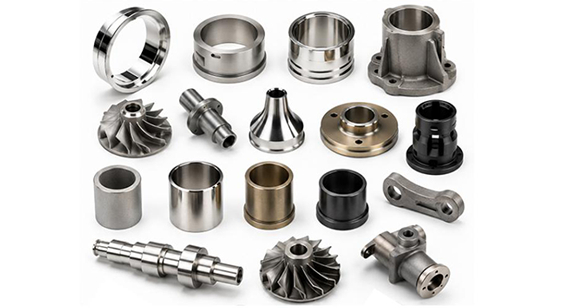
In aerospace, defense, and energy applications, components must operate reliably under extreme temperature, pressure, and corrosive environments. Many stainless steels, and even common titanium alloys, lose structural strength rapidly at temperatures exceeding 600°C. To meet these harsh demands, Waspaloy CNC machining has become a critical manufacturing solution for high-reliability components.
As a premium nickel-based superalloy, Waspaloy delivers exceptional high-temperature mechanical performance. However, its high work-hardening rate and low thermal conductivity make it one of the most challenging materials to machine. This guide covers Waspaloy's material properties, target applications, machining difficulties, and cost-control strategies to help you successfully produce precision Waspaloy parts. At the end, we share a case study of how our machining factory resolve coaxiality and thermal distortion in an 800mm waspaloy aerospace turbine shaft to achieve ±0.005 mm precision and 98.7%.
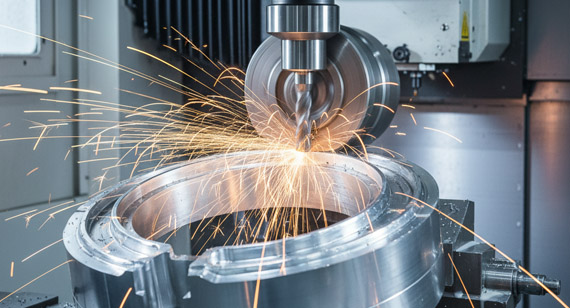
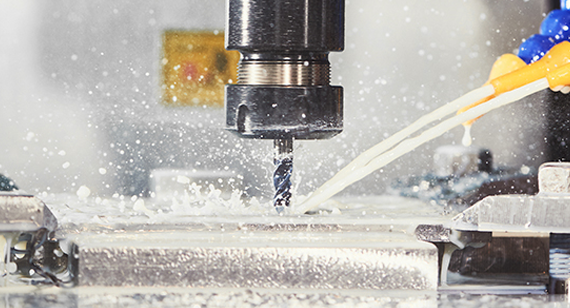
Waspaloy CNC machining refers to the precision manufacturing process of cutting, turning, milling, and grinding Waspaloy (UNS N07001), a precipitation-hardenable nickel-based superalloy, using high-rigidity CNC machine tools and 5-axis machining centers.
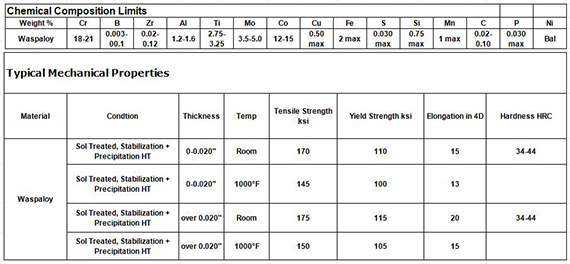
As detailed in the chemical and mechanical property breakdown above, Waspaloy is engineered for extreme environments:
Waspaloy belongs to the elite tier of custom superalloys CNC machining. Because its mechanical properties far exceed standard metals, utilizing standard machining parameters or general-purpose tooling will instantly cause tool chipping or catastrophic part failure, making advanced machine rigidity and specialized tooling non-negotiable. Therefore, you need to pay attention to the machining services supplier possessing a range of advanced machining equipments.
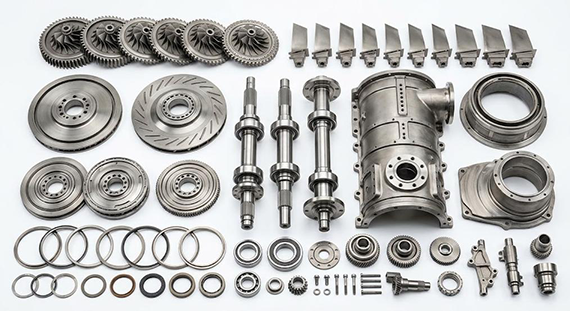
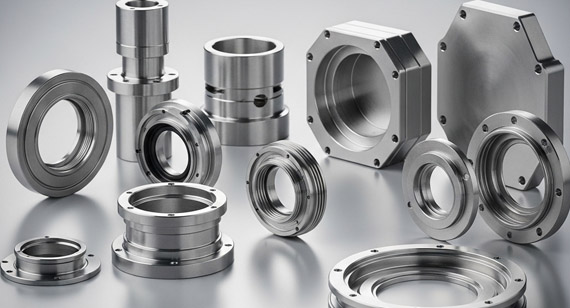
Thanks to its physical and chemical stability in high-temp and high-strength environments like aerospace, defense, and energy applications, Waspaloy CNC machined parts are widely used in critical industrial applications where safety is paramount and failure is never an option:
Compressor and Rotor Discs
Turbine Shafts and Seals
High-Temperature Casings and Rings
Missile Systems and Airframe Hardware
Gas Turbines and Chemical Processing
Waspaloy alloy delivers high strength (tensile strength of 965 to 1100 MPa) and high-temperature resistance (870 to 980 degrees Celsius) due to its molybdenum and cobalt content. Meanwhile, Nimonic 90 performs exceptionally well in high-temperature applications (up to 815 degrees Celsius), offering outstanding creep resistance and high strength (tensile strength of 965 to 1100 MPa). As you can see, Waspaloy used for CNC machined aerospace turbine blades provides slightly better heat resistance and high-strength performance while offering greater safety, whereas choosing Nimonic 90 can help slightly reduce overall costs.
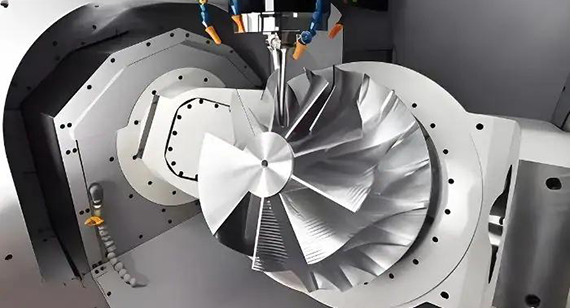
Yes. The machinability rating of Waspaloy is typically 12% to 14%, making it difficult to machine, roughly comparable to Inconel alloys (12% to 16%), while Hastelloy is slightly more forgiving (16% to 25%). The challenges of machining Waspaloy carry risks of dimensional distortion and poor surface quality, but more importantly, tooling costs account for a high proportion of the quotation (potentially reaching up to 30%). It is essential to evaluate your partner factory's low-speed, high-feed and tool selection strategies, coolant and machine rigidity configurations, and quality management systems to reduce defect rates and costs.
Why is Waspaloy So Difficult to Machine?
Understanding Waspaloy’s unique machining challenges is essential for your teams looking to prevent part rejection, control high tooling expenses, and optimize production efficiency. Here are the reasons:
1.Work Hardening: Waspaloy rapidly hardens when subjected to stress and deformation during cutting, especially if CNC cutting forces are too high. Subsequent passes must cut through this newly hardened layer, making ongoing machining extremely difficult.
2.High Tensile Strength: Waspaloy boasts high tensile strength—typically reaching around 160,000 psi (1,103 MPa) in the fully aged condition. Compared to alloys with lower tensile strength, machining Waspaloy requires significantly greater cutting forces, which in turn easily triggers work hardening.
3.Abrasive Microstructure: The microstructural particles within the alloy act like fine sandpaper on cutting tools, making this already tough-to-machine material even more demanding on tooling life.
4.Chemical Reaction and Built-Up Edge (BUE): At elevated cutting temperatures, Waspaloy can chemically react with the material of the cutting tool. In fact, "sticking" or adhesion can occur, where workpiece material welds onto the cutting edge.
Common Manufacturing Errors for Waspaloy CNC Machining
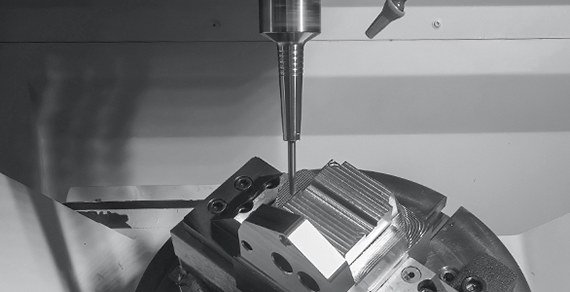
These factors are also the root causes behind several common manufacturing errors, including:
1. Geometric distortion and dimensional out-of-tolerance in Waspaloy parts: Slender shafts or structures with large hollow bores are particularly prone to bending due to residual stress relief.
2. Hard-to-detect thermal microcracks in Waspaloy components: These cracks lead to fatigue failure, posing critical risks in high-stakes aerospace applications.
3. Barreling effect during shaft machining: When machining Waspaloy shaft components, the center segment often ends up thicker than both ends, creating a "barrel-shaped" error.
4. Localized hardening caused by dwell or tool dulling: Tool hesitation (dwelling) or edge wear causes severe local work hardening, rendering subsequent passes unmachinable and scrapping the part.
5. Tool marks or inaccurate geometry at step-shaft fillet radii: Poor surface finish or incorrect profiles at the fillet radius create stress concentration points where cracks originate.
6. Poor chip evacuation during deep hole drilling: Inadequate chip removal leads to rapid temperature spikes, causing the drill bit to seize and burst inside the hole, resulting in a scrapped part.
To overcome the severe work-hardening rates and thermal sensitivity of Waspaloy, experienced CNC machining suppliers typically mitigate these errors through optimized process routing, upgraded tooling strategies, and strict in-process quality control:
1. Preventing Geometric Distortion and Dimensional Out-of-Tolerance
2. Romoving Hard-to-Detect Thermal Microcracks and Fatigue Risks
3. Correcting the "Barreling Effect" on Shaft Components
4. Avoiding Localized Over-Hardening Caused by Dwell
5. Romoving Tool Marks and Crack Risks at Step-Shaft Fillet Radii
6. Preventing Deep Hole Drilling Seizure and Tool Bursting
Don't worry, Waspaloy features exceptional resistance to rust and oxidation, making it highly corrosion-resistant in chemical and aerospace applications involving contact with high-temperature air and fuel. However, for an extra layer of security and to further extend the service life of Waspaloy CNC machined parts, applying protective coatings is recommended, such as MCrAlY coatings, diffusion aluminides, and Hastelloy C-series (Ni-Cr-Mo alloy) based coatings.
What Coatings is Neccassary to Use for Custom Waspaloy Parts?
When deciding whether to apply a coating and which type to choose, it is recommended to evaluate based on the following dimensions:
Table: Coating Options and Comparison for Custom Waspaloy Parts
| Coating Type | Key Composition and Process | Main Features | Application Scenarios | Cost Comparison |
| MCrAlY Overlay Coatings | • Ni, Co, Cr, Al, Y alloys • Thermal spray (HVOF), PVD |
Dense protective oxide film; resists high-temp spallation; acts as TBC bond coat | External turbine blades, combustion chamber liners | High Strict equipment and vacuum requirements; top-tier high-temp protection |
| Diffusion Aluminides | • Al diffusion into base metal • CVD, aluminizing process |
Strong metallurgical bond; nickel-aluminum compound; does not peel off easily | Complex shapes, turbine parts with internal cooling channels | High Cost-Performance High batch efficiency and mature technology for high-volume or cavity parts |
| Hastelloy C-Series Based Coatings | • Ni-Cr-Mo alloy base • Weld overlay, thermal spray |
Rich in Mo & Cr; superior pitting and crevice corrosion resistance | Chemical machinery, components exposed to corrosive fuels/exhaust | Moderate Cost depends on method/thickness; targets specific chemical corrosion |
Waspaloy’s expensive raw material price and extremely high machining difficulty (machinability rating of only 12%–14%) dictate that the production cost of its custom parts is much higher than that of ordinary metals. However, high cost does not mean paying blindly. Through refined management across design, machining, quality, and post-processing, significant cost reduction and efficiency gains can be achieved without sacrificing component performance and safety.
1. Drawing and Design Stage: Optimizing Manufacturability from the Design
Up to 70% of manufacturing costs are determined during the design phase. When drawing blueprints or submitting procurement requirements, optimizing design can significantly reduce machining difficulty:
2. Machining and Manufacturing Stage: Choosing a Factory That Understands "Time and Tool Management"
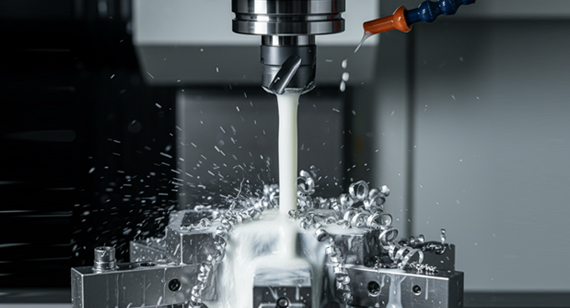
In Waspaloy quotations, machining hour fees and tool wear costs (which can account for 20% to 30% of the quote) are two core components. When evaluating a factory's cost-reduction capability, focus on its process level:
3. Quality Control Stage: Reducing Scrap Rates is the Best Cost Saving
In Waspaloy machining, zero defects and low scrap rates equal maximum cost savings. Due to the material's extremely high value and numerous processing steps, scrapping a nearly finished part loses not just the raw material, but all preceding labor hours and tool costs.
4. Surface Coating Selection: Adhering to "On-Demand Selection" Over Blind Upscaling
Coatings are crucial for extending Waspaloy component life, but costs vary dramatically among coating processes (e.g., PVD/HVOF overlays vs. traditional aluminizing):
Precise Assessment of Operating Environment: If the part operates only around 800°C without strong corrosive media, Waspaloy's native oxidation layer is sufficient, eliminating the need to stack expensive multilayer thermal barrier coatings (TBCs).
Tiered Coating Solutions: For components with complex internal cavities or film cooling holes, prioritize diffusion aluminides, which offer high batch processing efficiency and excellent cost-performance; reserve high-cost MCrAlY overlays exclusively for absolute extreme ultra-high-temperature combustion sections.
Looking back across this entire guide, custom manufacturing Waspaloy parts requires a solid understanding of full-lifecycle process management, from initial drawing design to final surface protection:
Facing challenges with Waspaloy part out-of-tolerance errors, high costs from rapid tool wear, or persistent scrap rates?
Submit your 3D CAD drawings today for a free DFM manufacturability evaluation and a customized stress-relieving process proposal, helping you achieve aerospace-grade precision while lowering your comprehensive production costs. [ We support 2D Drawings (PDF files), 3D Drawings (IGS/STP/STEP files)].
Resolving Coaxiality and Thermal Distortion in an 800mm Waspaloy Aerospace Turbine Shaft to Achieve Sub-Micron Precision
In a procurement project for critical aero-engine components, a client required a custom 800 mm long Waspaloy aerospace-grade center-hollow turbine shaft featuring multi-step diameters ranging from 50 mm to 120 mm, imposing rigorous geometric and positional tolerance requirements across its entire length. However, the batches delivered by the previous supplier suffered from coaxiality out-of-tolerance at both ends of the shaft, with radial runout exceeding the aerospace-grade requirement of 0.01 mm (10 μm), leading to total batch rejection and project delay risks.
Upon taking over the project, our engineering team conducted a comprehensive review of the original process and identified two primary process bottlenecks that had not been properly managed:
To address these root causes, we redesigned a scientific and standardized combination CNC machining and heat treatment process for the client:
Through optimized full-process control, we successfully helped the client resolve the precision bottleneck and achieved quantifiable performance improvements:
Send your 2D drawings, 3D CAD models, Waspaloy material specification, AMS condition, tolerance requirements, surface roughness, heat-treatment requirements, coating requirements, prototype quantity and production quantity. VMT will review DFM, CNC turning or milling strategy, stress-relief routing, tooling, coolant, inspection and quotation requirements.
All information and uploaded files are secure and confidential.
1 Tell us what you need
2 Get solution & quote
3 Approve production
Email: inquiry@vimetal.com.cn
What is the relationship between Waspaloy and Superalloys?
Waspaloy is a specific type of superalloy. Superalloys are high-performance materials widely used in CNC machining for the aerospace and energy sectors due to their exceptional high-temperature resistance. Other prominent superalloys include Inconel alloys, Hastelloy, Stellite 31 / X-40, and René N5. You can evaluate the specific properties of these materials to determine if they match your part's operating environment.
Waspaloy vs. Hastelloy: Do they share the same machining challenges?
Yes, both alloys share core machining hurdles such as rapid work-hardening, low thermal conductivity, and high abrasive wear on cutting tools. However, while Waspaloy demands higher cutting forces due to its extreme yield strength from precipitation hardening, Hastelloy generally poses a higher risk of chemical adhesion and Built-Up Edge (BUE) formation during machining.
Is it necessary to inspect Waspaloy surfaces for thermal microcracks caused by machining overhead?
Absolutely. Performing Fluorescent Penetrant Inspection (FPI) after finish machining Waspaloy precision parts is an essential step in the CNC machining workflow. Even though it contributes to the overall cost, it is vital to ensure long-term operational safety and part integrity.
What is the role of stress-relieving aging treatment in the process?
This is a critical manufacturing stage for custom precision Waspaloy parts. Incorporating a complete stress-relieving aging treatment between roughing and finishing significantly reduces residual stress and prevents part scrapping caused by subsequent work-hardening. When reviewing a potential supplier's process router, always scrutinize their experience in stress-relieving heat treatments.
Since Waspaloy is so difficult to machine, what surface roughness can be achieved?
Achieving Ra 0.8–1.6 μm after finish machining is a standard baseline for surface rouhness. If your application requires a smoother surface, secondary processing is necessary, such as precision grinding (achieving Ra 0.2–0.4 μm) or lapping/polishing (reaching mirror-like finishes of Ra 0.02–0.05 μm). Keep in mind that these additional steps will increase lead times and costs, so it is best to consult your supplier with your engineering drawings.
What does "leaving stock allowance for grinding" mean in practice?
This is a common machining strategy used by factories for Waspaloy component surfaces. For the most critical features on a part, such as turbine shaft bearing journals, they will reserve a single-sided stock allowance of 0.1–0.3 mm during CNC turning. The part is then transferred to a high-precision cylindrical grinder using diamond or CBN (Cubic Boron Nitride) wheels to achieve a refined surface roughness of Ra 0.2–0.4 μm, which belongs to the precision grinding.
What is the difference between Waspaloy AMS 5707, 5706, and 5708 in CNC machining?
These AMS specifications define the raw material form and heat-treatment state:
The technical information and manufacturing advice shared on the VMT website are for general guidance only. While we strive for accuracy, VMT does not guarantee that the processes, tolerances, or material properties mentioned are applicable to every specific project. Any reliance you place on such information is strictly at your own risk. It is the buyer's responsibility to provide definitive engineering specifications for any production orders. Final specifications and service terms shall be subject to the formal contract or quotation confirmed by both parties.


 +86 15099911516




 Read more