
16 years one-stop China custom CNC machining parts factory
The VMT blog is dedicated to sharing our hard-earned knowledge in prototype manufacturing. We hope these articles will help you optimize your product designs and gain deeper insight into the world of rapid prototyping. Enjoy the read!
Get an Instant Quote All uploads files are safe and confidential
 VMT
VMT  2025 10 18
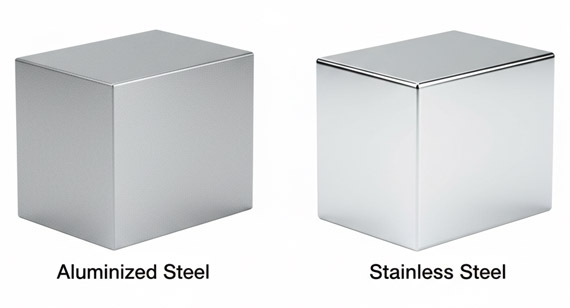
 Aluminized steel is carbon steel coated with an aluminum-silicon alloy for better heat resistance and corrosion protection at high temperatures. Stainless steel, made from chromium-nickel steel, offers superior corrosion resistance, strength, and durability across harsh environments. In short, aluminized steel suits heat applications like exhaust systems, while stainless steel excels in corrosive and long-term structural uses.
 66
66
 Read more
 VMT 2025 10 17
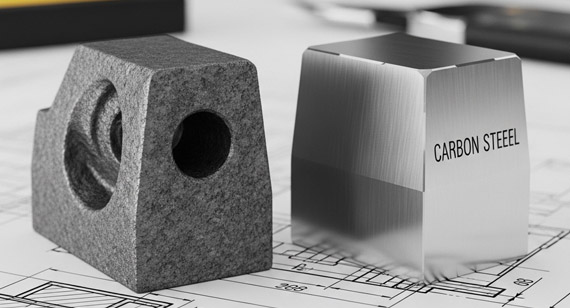
 The choice between iron and carbon steel for CNC machined parts is a critical engineering decision driven by specific application requirements. While cast irons excel in vibration dampening, compressive strength, and intricate casting, offering good machinability, carbon steels provide superior tensile strength, ductility, and fatigue resistance, with broad heat treatment versatility. Understanding their distinct metallurgical structures, mechanical properties, machinability, and lifecycle costs is paramount. VMT CNC Machining Parts Services Factory provides expert guidance to navigate these complexities, ensuring optimal material selection for superior parts, cost efficiency, and project success.
66
Read more
 VMT 2025 10 16
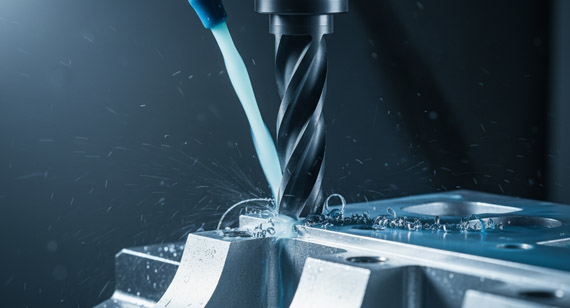
 Steel milling is the process of removing material from steel workpieces using CNC milling machines to create precise parts. It offers high strength, durability, and versatility but also presents challenges like tool wear and heat buildup. Choosing the right steel grade, tooling, and cutting parameters ensures accurate, efficient, and cost-effective CNC steel machining.
66
Read more
 VMT 2025 10 15
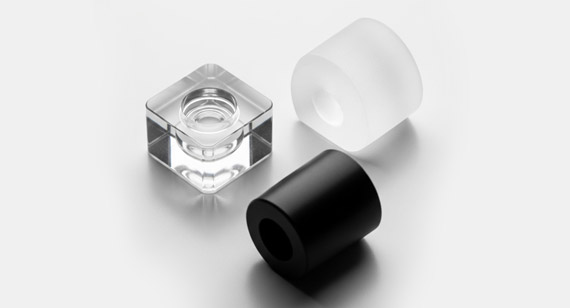
 This article has dissected the critical distinctions between transparent, translucent, and opaque materials, emphasizing their unique light interaction properties and the profound implications for precision CNC machining parts. We've explored common materials for each category, delved into specific engineering challenges from optical clarity to surface aesthetics, and highlighted VMT CNC Machining Factory's expertise in delivering high-quality, meticulously engineered components across the spectrum. Understanding these nuances is crucial for successful product development and selecting the optimal manufacturing partner.
66
Read more
 VMT 2025 10 14
 Nickel alloy CNC machining requires specialized tools, cutting fluids, and precise parameters to handle tough, heat-resistant materials. These alloys—such as Inconel, Monel, and Hastelloy—offer exceptional strength and corrosion resistance but are difficult to machine. Using carbide tools, proper coolant, and optimized cutting speeds ensures accuracy, extended tool life, and cost-effective precision machining results.
66
Read more
 VMT 2025 10 13
 The distinction between pure tungsten and tungsten alloys is fundamental for precision engineering. While pure tungsten excels in extreme high-temperature stability, density, and specific electrical properties, its inherent brittleness poses manufacturing challenges. Tungsten alloys, through the strategic inclusion of other elements, achieve enhanced ductility, machinability, and tailored mechanical properties, broadening their application across aerospace, medical, and military sectors. Careful consideration of performance priorities, environmental conditions, and expert consultation from a source manufacturer are vital to optimize material selection for cost-effectiveness and project success.
66
Read more
 VMT 2025 10 11
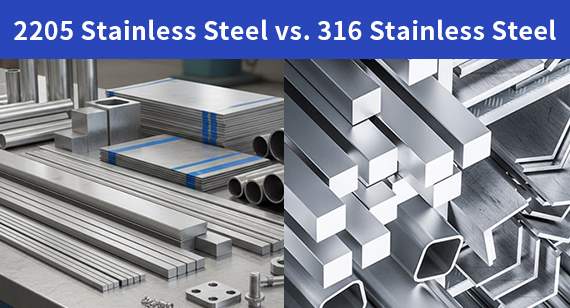
 2205 stainless steel offers higher strength and superior corrosion resistance compared to 316 stainless steel, especially in chloride-rich environments. However, 316 stainless steel is more commonly used in industries requiring high levels of pitting and crevice corrosion resistance. Understanding these properties will help you decide which alloy is best suited for your machining needs.
66
Read more
 VMT 2025 10 10
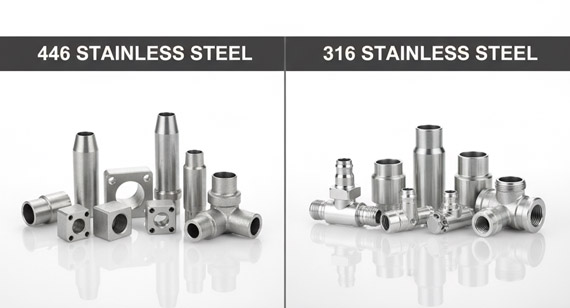
 446 stainless steel offers excellent resistance to high-temperature oxidation, while 316 stainless steel is renowned for its corrosion resistance, especially in marine environments. The choice between the two depends on your specific application—whether it's for high-heat conditions or environments exposed to saltwater and chemicals.
66
Read more


 +86 15099911516